
Arizona Ignition Interlock Restricted License: SR-22 Requirements
Get SR-22 Quotes NowWhat Is the Arizona Ignition Interlock Restricted License?
Arizona's ignition interlock restricted license allows you to drive during what would otherwise be a full suspension period following a DUI conviction. You install a certified ignition interlock device in your vehicle, maintain SR-22 insurance, and receive a restricted license that permits driving to work, school, medical appointments, and court-ordered programs. The restricted license is available immediately after your arrest in most cases—you don't wait out a suspension period first.
The interlock device requires you to provide a breath sample before the engine starts and at random intervals while driving. If your breath alcohol concentration exceeds the programmed limit (typically 0.02% in Arizona), the vehicle won't start or will activate warnings requiring you to pull over safely. The device logs every test, every failed attempt, and every drive cycle—data the MVD reviews to determine compliance.
This is not a hardship license. Arizona structures the interlock restricted license as the default path for most first-offense DUI cases. You're not proving exceptional hardship—you're accepting the interlock requirement in exchange for continued driving privileges during your mandatory filing period.

SR-22 Filing Requirements Before the MVD Issues Your Restricted License
Arizona requires continuous SR-22 insurance coverage for the entire duration of your ignition interlock restricted license period—typically 12 months for a first DUI, 24 months for a second offense within 84 months. The SR-22 must be active before the MVD processes your restricted license application. If you apply for the restricted license without an active SR-22 on file, the MVD rejects the application and you wait longer.
The SR-22 is not a separate insurance policy. It's a certificate your insurer files electronically with the Arizona MVD certifying you carry at least the state minimum liability coverage: $25,000 bodily injury per person, $50,000 per accident, and $15,000 property damage. Most carriers charge a one-time filing fee between $15 and $50 to submit the SR-22, then increase your premium based on the DUI conviction itself—not the filing. Estimates based on available industry data suggest DUI-related rate increases in Arizona range from 80% to 140% depending on your prior history and the carrier.
Carriers writing SR-22 in Arizona include Progressive, The General, Bristol West, Dairyland, and National General. State Farm and GEICO write SR-22 in Arizona but route high-risk drivers to affiliated companies or decline coverage entirely after a DUI. If your current carrier cancels your policy after the DUI, you need a non-standard or high-risk carrier that specializes in post-conviction coverage. Shopping multiple carriers is not optional—rates for the same profile vary by 60% or more between the lowest and highest quotes.


How the MVD Ignition Interlock Restricted License Process Works
You apply for the ignition interlock restricted license through the Arizona MVD after your DUI arrest or conviction. The application requires proof of enrollment with a certified ignition interlock provider, proof of SR-22 insurance on file with the MVD, payment of reinstatement fees (typically $250 to $500 depending on offense count), and completion of alcohol screening if ordered by the court. You cannot skip any step—the MVD processes applications sequentially and rejects incomplete filings without notice.
Once approved, the MVD issues a restricted license valid only for vehicles equipped with a certified ignition interlock device registered to your name. You cannot legally drive any vehicle without an installed and functioning interlock during the restriction period. If you're caught driving a non-equipped vehicle, Arizona treats it as driving on a suspended license—a Class 1 misdemeanor carrying up to 6 months in jail and an additional suspension period.
The interlock device must be installed by an MVD-certified provider. Arizona maintains a list of approved vendors on the MVD website. Installation costs range from $70 to $150, with monthly monitoring and calibration fees between $60 and $90. You pay these costs directly to the provider—insurance does not cover interlock expenses. The device requires calibration every 30 to 60 days, and missed calibration appointments trigger MVD violations extending your requirement period.

Get Your SR-22 Even Without a Car
Get SR-22 Quotes NowWhat Happens If Your SR-22 Lapses During the Interlock Period?
If your SR-22 insurance lapses for any reason during your ignition interlock restricted license period, your carrier notifies the Arizona MVD electronically within 24 hours. The MVD immediately suspends your restricted license and driving privileges. Arizona does not provide a grace period, warning notice, or opportunity to cure the lapse before suspension—the suspension is automatic the same day the MVD receives the lapse notification from your insurer.
Reinstating after an SR-22 lapse requires filing a new SR-22, paying additional reinstatement fees, and restarting your ignition interlock requirement period from day zero in most cases. A lapse of even one day resets the clock. If you were 10 months into a 12-month requirement and your coverage lapsed, you now owe 12 months from the new SR-22 filing date—not the remaining 2 months.
Preventing lapse is entirely within your control. Set up automatic payments with your insurer. Confirm your payment method is current every month. If you're switching carriers, overlap coverage by at least 3 business days to ensure the new SR-22 is filed and processed before the old policy cancels. The MVD does not care why your coverage lapsed—financial hardship, bank error, and carrier mistakes all produce the same outcome.
When the Ignition Interlock Requirement Ends
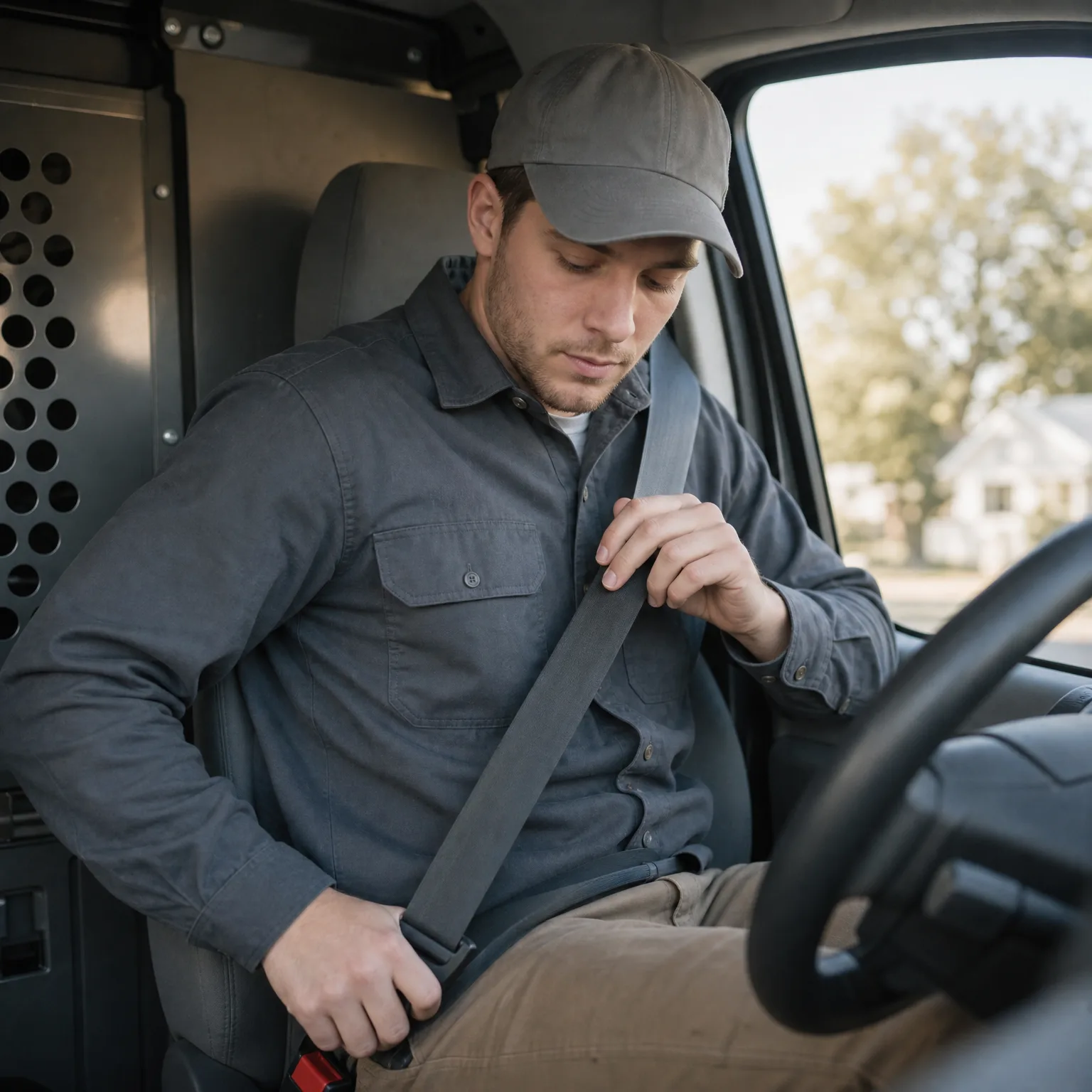
Arizona calculates your ignition interlock requirement period from the date the MVD issues your restricted license, not from your arrest or conviction date. A first-offense DUI typically requires 12 months of interlock use. A second offense within 84 months requires 24 months. An extreme DUI (BAC 0.15% or higher) extends the requirement to 18 months for a first offense. The court order or MVD notice specifies your exact requirement period—read it carefully.
Once you complete the full requirement period with no violations, you apply to the MVD for removal of the interlock restriction. The application requires a compliance report from your interlock provider showing no failed tests, no lockouts, and no missed calibration appointments during the final 4 months of the requirement period. If your compliance record shows violations, the MVD extends your requirement period by 3 to 6 months depending on violation severity.
After the MVD approves removal of the interlock restriction, your SR-22 requirement continues. Arizona requires 3 years of continuous SR-22 filing from your conviction date for most DUI cases. You can remove the physical interlock device from your vehicle, but you must maintain SR-22 insurance until the full 3-year period ends. Dropping your SR-22 early triggers suspension even if your interlock requirement is complete.

Non-Owner SR-22 for Drivers Without a Vehicle
If you don't own a vehicle but need to satisfy Arizona's SR-22 requirement for an ignition interlock restricted license, a non-owner SR-22 policy provides the required liability coverage and filing without insuring a specific car. Non-owner policies are significantly cheaper than standard auto insurance—typically $300 to $600 annually for high-risk drivers in Arizona compared to $1,800 to $3,500 for a standard policy post-DUI.
A non-owner policy does not allow you to drive under Arizona's ignition interlock restricted license unless you're driving a vehicle owned by someone else that has a certified interlock device installed and registered to your name with the MVD. The non-owner policy satisfies the SR-22 filing requirement, but the interlock restriction still applies to every vehicle you operate. If you're not driving at all during your requirement period, the non-owner SR-22 keeps your filing active and prevents additional suspension.
Carriers writing non-owner SR-22 policies in Arizona include The General, Dairyland, Bristol West, and National General. Not all carriers that write standard SR-22 policies offer non-owner coverage—you need to ask specifically for non-owner SR-22 when requesting quotes. If you later purchase a vehicle during your SR-22 requirement period, you must switch to a standard auto policy with SR-22 filing and notify the MVD of the vehicle change within 10 days.
Frequently Asked Questions
Can I get an ignition interlock restricted license in Arizona without SR-22 insurance?
No. Arizona requires active SR-22 insurance on file with the MVD before processing your ignition interlock restricted license application. If you apply without an SR-22, the MVD rejects the application and you cannot drive legally until both requirements are satisfied.
How long does the SR-22 requirement last after a DUI in Arizona?
Arizona requires 3 years of continuous SR-22 filing from your DUI conviction date for most cases. The ignition interlock device requirement ends earlier—typically 12 months for a first offense—but the SR-22 filing continues for the full 3-year period. Dropping your SR-22 before 3 years triggers immediate suspension.
What happens if I drive without an interlock device during my restricted license period in Arizona?
Driving any vehicle without a certified ignition interlock device installed and registered to your name during your restriction period is a Class 1 misdemeanor in Arizona. Penalties include up to 6 months in jail, additional fines, and an extended suspension period that restarts your interlock requirement clock.
Does insurance cover the cost of the ignition interlock device in Arizona?
No. Auto insurance does not cover ignition interlock installation, monitoring, or calibration costs. You pay the device provider directly—typically $70 to $150 for installation and $60 to $90 per month for monitoring and required calibration appointments.
Can I use a non-owner SR-22 policy with an Arizona ignition interlock restricted license?
Yes, but only if you're driving a vehicle owned by someone else that has a certified interlock device installed and registered to your name with the MVD. The non-owner policy satisfies the SR-22 filing requirement, but the interlock restriction applies to every vehicle you operate regardless of ownership.
Related Articles

Arizona Ignition Interlock License & SR-22 Requirements
5/18/2026

SR-22 Carriers With Ignition Interlock in Arizona
5/18/2026

Arizona SR-22 & IID Overlap: 3-Year Filing Timeline
5/18/2026

NJ Ignition Interlock SR-22: What Restricted License Requires
5/18/2026
Removing Interlock While SR-22 Active: What Changes
5/18/2026

SR-22 Cost With Ignition Interlock: Monthly Total
5/18/2026