
Can I Get SR-22 From a Carrier That Canceled My Old Policy?
Get SR-22 Quotes NowWhy Your Old Carrier Won't Write SR-22 After Cancellation
Most standard carriers — State Farm, GEICO, Allstate — cancel policies for specific underwriting violations: DUI, multiple at-fault accidents, non-payment that goes beyond the grace period. When they cancel for cause, reinstatement is discretionary, not automatic. The SR-22 filing requirement doesn't override their underwriting decision.
The carrier canceled because your risk profile exceeded their standard underwriting guidelines. An SR-22 filing confirms to the state that you now carry liability coverage, but it doesn't change the violation that triggered the cancellation. The carrier still sees the same DUI, the same suspension, or the same lapse history. Their pricing models and risk appetite haven't changed.
Some carriers maintain internal rules barring reinstatement within a specific period after cancellation for cause — 12 months, 24 months, or permanently depending on the violation. You won't find this in your policy documents. It's underwriting policy, not contract language. Calling to ask about SR-22 after they've already canceled you typically results in a referral to their non-standard subsidiary or a flat refusal.
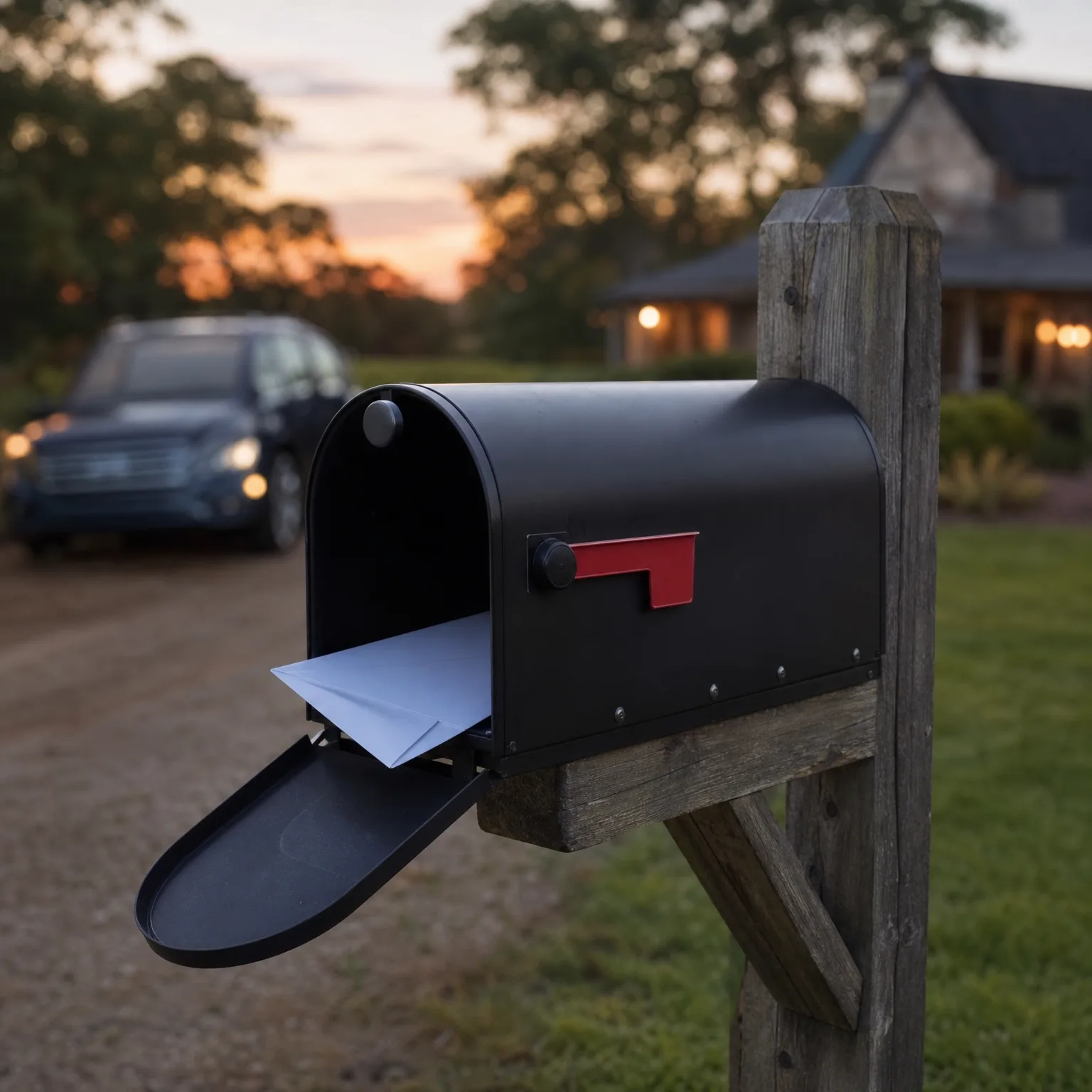
What Happens When You Call Your Old Carrier for SR-22
If you call the carrier that canceled your policy and ask them to file SR-22, three outcomes are common. First: they route you to a non-standard subsidiary that writes high-risk policies under a different brand name at significantly higher rates. Progressive routes to Progressive Specialty, GEICO routes drivers to their non-standard division, and regional carriers often have separate entities for SR-22 business.
Second: they decline entirely and suggest you shop the non-standard market independently. This is typical for cancellations tied to DUI or multiple violations. The carrier's pricing model can't accommodate your new risk tier without destroying their loss ratio targets.
Third: they quote you a rate so high it functions as a soft refusal. A standard carrier forced to price SR-22 risk under their current underwriting structure often returns quotes 200 to 300 percent higher than your pre-cancellation premium. That's not punitive pricing — it's actuarial honesty. They're not built to write your profile anymore.


How Non-Owner SR-22 Solves the Coverage Gap
Non-owner SR-22 is liability-only coverage designed for drivers who don't own a vehicle but need proof of financial responsibility on file with the state. It satisfies the SR-22 filing requirement without requiring you to own, insure, or register a car. If your old carrier canceled your standard auto policy and you no longer have a vehicle to insure, non-owner SR-22 is the direct path to reinstatement.
The policy covers you when driving a borrowed or rented vehicle. It does not cover a vehicle you own, a vehicle registered to you, or a vehicle you drive regularly with the owner's permission if you live in the same household. It's secondary coverage — it pays only after the vehicle owner's policy limits are exhausted. Most states accept non-owner SR-22 as valid proof of insurance for license reinstatement, suspension clearance, and ongoing compliance during the filing period.
Non-owner SR-22 policies typically cost 40 to 60 percent less than standard SR-22 attached to a vehicle policy. You're buying state minimum liability limits without collision, comprehensive, or coverage for a specific vehicle. Non-standard carriers write this product routinely. It's not a loophole — it's a standard offering in the high-risk market.

Get Your SR-22 Even Without a Car
Get SR-22 Quotes NowWhich Carriers Write SR-22 After Standard Market Cancellation
Non-standard carriers underwrite SR-22 business as their core product line. They expect DUIs, suspensions, lapses, and violations. The Hartford, National General, Acceptance Insurance, Dairyland, and The General all write SR-22 in most states, including non-owner policies. Their pricing reflects high-risk profiles from the start, so a DUI or cancellation on your record doesn't trigger the same underwriting rejection you'd face from a standard carrier.
Some standard carriers maintain non-standard subsidiaries specifically for SR-22 filers. Progressive writes through Progressive Specialty. Allstate routes to Encompass or Allstate Specialty in some states. GEICO maintains a non-standard division but may decline SR-22 business entirely in states where they don't have appetite. The brand name you see advertised may not be the entity actually writing your policy.
Carrier availability varies by state and by violation type. A carrier willing to write SR-22 for a DUI in Ohio may decline SR-22 for the same violation in Florida. Rate variation across non-standard carriers can exceed 80 percent for identical coverage. Shopping multiple non-standard carriers — not returning to the carrier that canceled you — produces the lowest rate.

What the Reinstatement Process Actually Requires
Reinstating your license after suspension or cancellation requires three filings: SR-22 certificate filed by the carrier with the state DMV, payment of the reinstatement fee set by your state, and proof that your suspension period has fully elapsed. Some states add a fourth requirement: completion of a driver improvement course, substance abuse evaluation, or ignition interlock installation depending on the violation that triggered suspension.
The SR-22 filing itself does not reinstate your license. It proves you now carry liability coverage meeting state minimums. You still pay the state's reinstatement fee — often $100 to $300 depending on the violation — and wait for DMV processing, which can take 7 to 14 business days in most states. If your license is suspended, the SR-22 starts your filing clock but does not clear the suspension until all conditions are met.
Missing the SR-22 filing deadline after suspension, cancellation, or a court order typically adds 30 to 90 days to your total suspension period. States treat late filing as continued non-compliance. If you let SR-22 lapse even one day during the required filing period, most states reset your filing clock to zero. A 3-year SR-22 requirement becomes 3 years from the lapse date, not the original violation date.
Frequently Asked Questions
Will my old insurance company reinstate my policy if I need SR-22?
Most standard carriers that canceled your policy for DUI, non-payment, or multiple violations will not reinstate you even if you now need SR-22. They canceled because your risk profile exceeded their underwriting guidelines, and the SR-22 requirement doesn't change that. You'll need to shop non-standard carriers that specialize in SR-22 policies.
Can I get SR-22 without owning a car?
Yes. Non-owner SR-22 is a liability-only policy that satisfies state SR-22 filing requirements without requiring you to own or register a vehicle. It covers you when driving borrowed or rented vehicles and typically costs 40 to 60 percent less than SR-22 attached to a vehicle policy. Most states accept non-owner SR-22 for license reinstatement.
How much does SR-22 cost after my policy was canceled?
SR-22 filed through a non-standard carrier after cancellation typically costs $800 to $2,400 per year for state minimum liability coverage, depending on your violation type, state, and driving history. Non-owner SR-22 policies cost significantly less — often $400 to $1,200 annually. The SR-22 filing fee itself is $15 to $50 in most states, separate from the premium.
What happens if I let my SR-22 lapse after getting it filed?
If your SR-22 lapses for even one day during the required filing period, most states reset your filing clock to zero. A 3-year SR-22 requirement becomes 3 years from the lapse date, not the original violation date. Your license may be suspended again, and you'll pay a new reinstatement fee to clear the suspension.
Related Articles

SR-22 Coverage After Policy Cancellation: What to Do
5/18/2026

Can I Get SR-22 the Same Day My Policy Cancels?
5/18/2026

Non-Owner SR-22 When Carriers Cancel You
6/8/2026

SR-22 After Policy Cancellation: Costs & Next Steps
5/18/2026

Can I Cancel SR-22 Early and Reinstate Later?
5/18/2026

Can You Keep Your Captive Carrier After SR-22 Filing?
5/18/2026