
Can I Get SR-22 With No Current Driver's License?
Get SR-22 Quotes NowYes, You Can File SR-22 Without an Active License
SR-22 is a certificate of financial responsibility, not a license itself. You can obtain and maintain SR-22 filing even when your license is suspended, revoked, or expired. Most states require continuous SR-22 filing from the date of your conviction or suspension order through the full filing period — typically 3 years — regardless of your license status during that time.
Non-owner SR-22 insurance exists specifically for this situation. It provides liability coverage without requiring you to own a vehicle, and carriers will issue the SR-22 certificate to your state DMV on your behalf. If you let the policy lapse during your suspension, most states reset your filing clock to zero and add reinstatement delays.
The filing requirement starts when the court or DMV orders it, not when you become eligible to drive again. Waiting until your suspension ends to file SR-22 means you'll serve the full filing period after reinstatement, extending the total time you're monitored.

How Non-Owner SR-22 Works During License Suspension
Non-owner SR-22 insurance covers liability when you drive a vehicle you don't own — a borrowed car, a rental, or a vehicle you'll drive once your license is reinstated. The policy meets your state's minimum liability requirements and includes the SR-22 certificate filing. You pay a monthly premium, typically $25–$60 for the underlying liability coverage, plus a one-time SR-22 filing fee of $15–$50 depending on the carrier and state.
The insurance remains active throughout your suspension. You're not driving legally during the suspension period, but the policy and filing stay current. This continuous coverage satisfies the state's financial responsibility monitoring requirement. When your suspension ends and you're eligible to reinstate, the SR-22 filing is already in place and counting toward your required period.
Carriers writing non-owner SR-22 include The General, Direct Auto, Acceptance Insurance, and Progressive's non-standard division in most states. Not all major carriers offer non-owner policies, and fewer still write them for SR-22 filers. Regional non-standard carriers often provide the most accessible options.

Why You Should File SR-22 Before Your License Is Reinstated
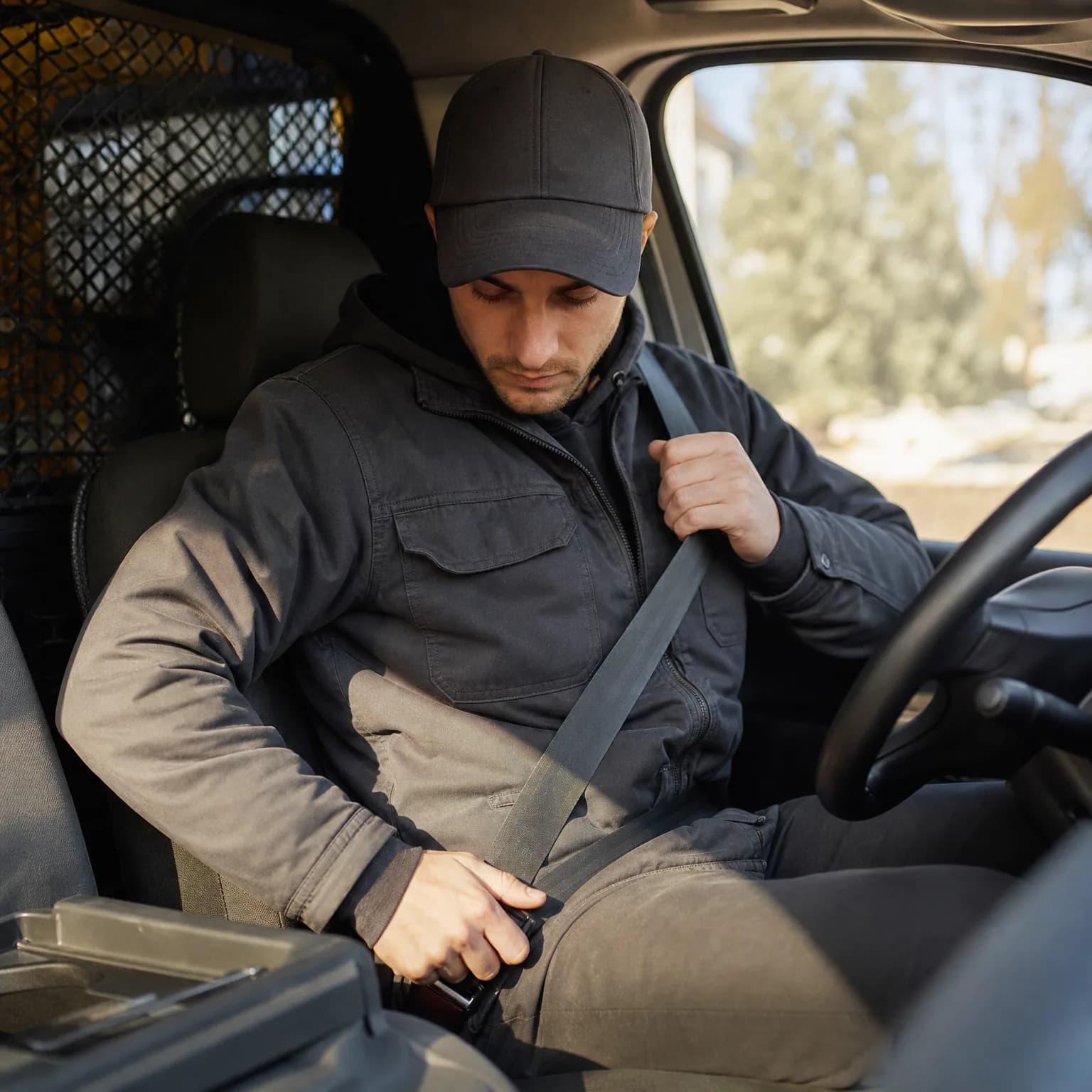
Filing SR-22 during your suspension period runs the clock on your filing requirement while you're not yet eligible to drive. If your state requires 3 years of SR-22 and your license is suspended for 1 year, filing immediately means you complete one-third of the SR-22 period before you're even reinstated. Waiting until reinstatement to file means you'll serve the full 3 years after you start driving again.
Letting SR-22 lapse during suspension has severe consequences. Most states treat a lapse as a new violation, resetting your filing clock to zero and extending your suspension. In Ohio, for example, an SR-22 lapse during the filing period triggers an additional suspension and requires you to restart the full 3-year filing period from the new reinstatement date.
Some states impose separate fees for filing SR-22 after a suspension order. Filing proactively costs less than filing reactively after a lapse or additional suspension. Early filing also demonstrates compliance to the court or DMV, which can matter if you're seeking hardship license eligibility or early reinstatement review.

Get Your SR-22 Even Without a Car
Get SR-22 Quotes NowWhat Happens When You Regain Your License
When your suspension ends and you reinstate your license, your non-owner SR-22 policy remains in effect. If you purchase a vehicle after reinstatement, you'll need to switch from non-owner coverage to a standard or non-standard auto policy. The new policy must include SR-22 filing, and the carrier will notify your state DMV of the policy change. There should be no gap in coverage or filing during the transition.
The SR-22 filing period continues across policy types. If you filed non-owner SR-22 for 18 months during suspension, then switched to a standard policy with SR-22 after reinstatement, you'd complete the remaining 18 months on the standard policy (assuming a 3-year total filing period). The state tracks the filing, not the policy type.
Some drivers keep non-owner SR-22 even after reinstatement if they don't own a vehicle and only drive occasionally. The coverage is cheaper than insuring a vehicle you don't have. Once your filing period ends, the SR-22 requirement drops and you can cancel the policy or maintain it as non-owner liability without the filing certificate.
State-Specific SR-22 Filing Rules Without a License
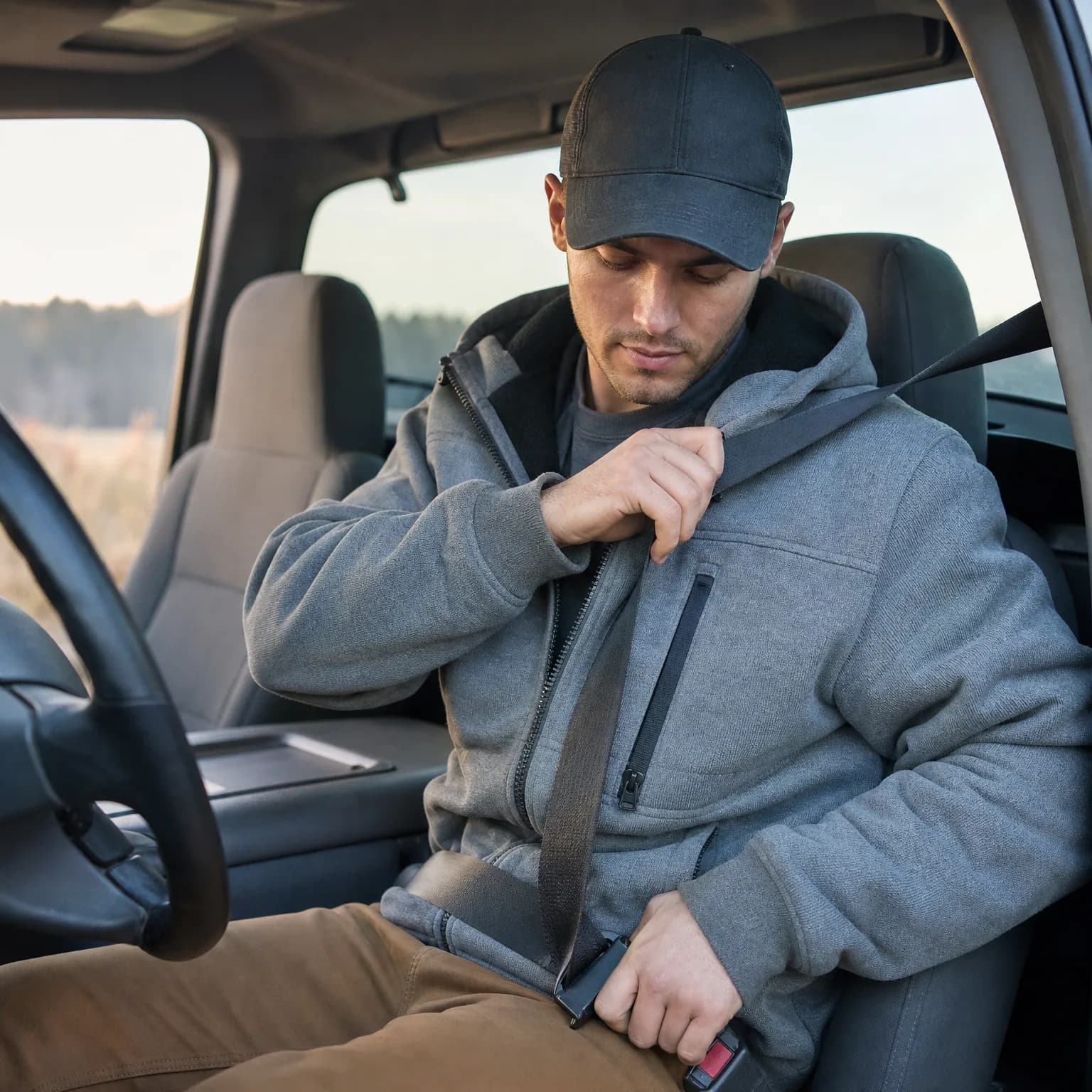
Most states allow SR-22 filing during suspension, but a few impose additional restrictions. California requires proof of enrollment in a DUI program before accepting SR-22 filing after certain alcohol-related suspensions. Florida uses FR-44 instead of SR-22 for DUI offenses, and the same principle applies — you can file during suspension, but reinstatement requires completing DUI school and paying reinstatement fees in addition to maintaining the certificate.
Some states mandate hardship or restricted license eligibility during long suspensions, and SR-22 filing is a prerequisite for applying. In Virginia, for example, a driver with a 12-month suspension for refusal to submit to a breathalyzer can apply for a restricted license after serving a portion of the suspension, but only if SR-22 has been filed and maintained without lapse.
Texas does not assign a fixed SR-22 duration by statute — the court or DPS sets the filing period based on the violation and driver history. Your SR-22 requirement may be shorter or longer than the typical 3-year period, and it may extend beyond your suspension. Confirm your specific filing period with the agency that issued your suspension order before assuming a standard timeline.
Frequently Asked Questions
How much does non-owner SR-22 cost without a license?
Non-owner SR-22 typically costs $25–$60 per month for liability coverage, plus a one-time filing fee of $15–$50. Total annual cost ranges from $300–$770 depending on your state, violation history, and the carrier. Non-owner policies cost significantly less than insuring a vehicle you own because they only cover liability when you drive someone else's car.
Will my SR-22 filing period reset if I don't have a license?
No, your SR-22 filing period runs continuously once you file, regardless of license status. However, if you let the SR-22 policy lapse during your suspension, most states will reset your filing clock to zero and extend your suspension. Maintaining continuous SR-22 filing during suspension ensures your required period progresses even while you're not driving.
Can I switch from non-owner SR-22 to regular insurance after reinstatement?
Yes, you can switch from non-owner SR-22 to a standard or non-standard auto policy after reinstatement. The new policy must include SR-22 filing, and your carrier will notify your state DMV of the change. Your filing period continues across policies — if you've already completed 18 months on non-owner SR-22, you'll only owe the remaining time on your new policy.
Do I need a car to get SR-22 insurance?
No, non-owner SR-22 insurance covers you without requiring vehicle ownership. It provides liability coverage when you drive a borrowed or rental vehicle, and it satisfies state SR-22 filing requirements during license suspension or for drivers who don't own cars. Once you purchase a vehicle, you'll need to switch to a standard policy with SR-22 filing.
Related Articles

SR-22 Without a License: Who Qualifies with State ID
5/18/2026

Non-Owner SR-22 Without a Car: How It Works
5/18/2026

Do I Need SR-22 If I Don't Own a Car? Non-Owner Filing
5/18/2026

Do I Need SR-22 If I Never Plan to Drive Again?
5/18/2026

Selling Your Car During SR-22: How to Stay Compliant
5/18/2026

SR-22 During Incarceration: Filing Requirements Explained
5/18/2026