
Can My Parent's Policy File SR-22 for Me as a Young Driver?
Get SR-22 Quotes NowCan a parent's auto policy file SR-22 for their child?
In most states, a parent's policy can file SR-22 for their child only if the child lives at the same address, is listed as a rated driver on the policy, and the parent owns the vehicle. If you're away at college, living in a different city, or the car is titled in your name, the parent's policy will not work for your SR-22 requirement.
The SR-22 is a certificate of financial responsibility tied to a specific person, not a household. Your parent's carrier files it with the state DMV to prove you carry the required liability coverage. If you're not a rated driver on that policy because you live elsewhere or drive a vehicle not listed on their policy, the filing doesn't connect to your coverage.
Most young drivers who need SR-22 are in exactly the situation where a parent's policy won't help: they've moved out, they own their own car, or they've already been removed from the family policy after a DUI or violation. If that's your situation, you need your own policy with SR-22 endorsement or a non-owner SR-22 policy if you don't own a car.
When does using a parent's policy actually work?
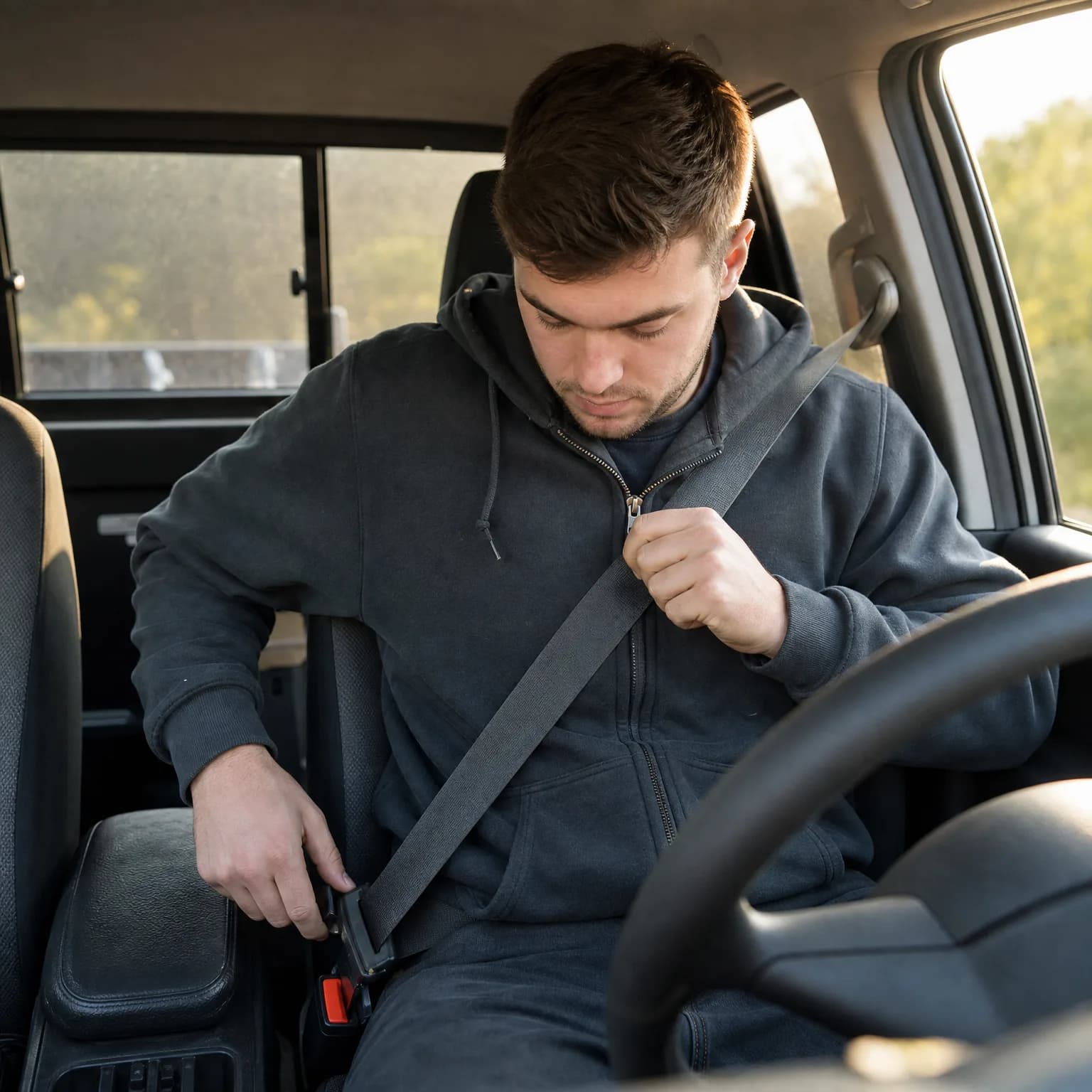
A parent's policy works for SR-22 if you meet all three conditions: you live at your parent's address full-time, you're already listed as a rated driver on their policy, and the vehicle you drive is titled to your parent and insured under their policy. When all three apply, the parent's carrier can add the SR-22 endorsement to the existing policy and file it with the DMV in your name.
The SR-22 filing fee is typically $15 to $50, and the parent's premium will increase because of your violation — usually 50% to 100% depending on what triggered the SR-22. If you caused the filing with a DUI, expect the higher end. That increase applies for the entire SR-22 filing period, which is 3 years in most states.
This option makes sense only if your parent is willing to absorb that rate increase and you're genuinely living at home. If you're listed at your parent's address but live elsewhere, the carrier can deny claims or cancel the policy for misrepresentation. That resets your SR-22 filing clock to zero and triggers a new suspension.

What if you don't live with your parents or own your own car?
If you don't live at your parent's address or you own the vehicle titled in your name, you cannot use their policy for SR-22. You need your own policy. If you own a car, you'll buy a standard liability policy with SR-22 endorsement from a carrier that writes high-risk drivers in your state. If you don't own a car, you'll buy a non-owner SR-22 policy.
Non-owner SR-22 covers you when driving vehicles you don't own — rentals, borrowed cars, or vehicles provided by employers. It does not cover a car you own or a car you drive regularly that's titled to someone else but functionally yours. The premium for non-owner SR-22 is typically $300 to $800 per year depending on your state and violation history.
Most young drivers who need SR-22 after a DUI or serious violation are quoted $150 to $300 per month for an owner policy with SR-22, or $25 to $65 per month for non-owner SR-22. The non-owner option is cheaper only if you genuinely don't own a car and don't need to drive one regularly.
Why carriers reject SR-22 on a parent's policy for young drivers
Carriers reject SR-22 filings on a parent's policy when the young driver doesn't meet residency or vehicle ownership requirements because the risk doesn't align with the policy structure. If you live elsewhere, the carrier can't accurately rate the policy for your actual driving exposure — location, commute patterns, and garaging address all affect premium calculation.
If the vehicle is titled in your name but insured under your parent's policy, that's a misrepresentation of insurable interest. The parent doesn't own the vehicle, so they have no legal insurable interest in it. Most carriers will deny the SR-22 filing request outright or cancel the policy if they discover the mismatch later.
The third reason is simpler: if you've already been excluded from your parent's policy after a violation, you can't be added back just to file SR-22. Exclusions are binding. Once excluded, you need your own coverage.

Get Your SR-22 Even Without a Car
Get SR-22 Quotes Now
How to compare the actual cost of each option
If you qualify to use a parent's policy — you live at home, you're already listed, the car is theirs — get a quote for how much their premium will increase with your SR-22 endorsement added. Compare that to the cost of buying your own non-owner SR-22 policy or your own standard policy with SR-22 if you own a car.
In most cases, adding SR-22 to a parent's clean-record policy increases their annual premium by $1,200 to $2,400. A standalone non-owner SR-22 policy costs $300 to $800 per year. If you're not driving regularly and don't own a car, non-owner SR-22 is almost always cheaper and doesn't penalize your parent's rate.
If you do own a car, compare your parent's increased premium to quotes for your own owner policy with SR-22. Get quotes from at least three carriers that write SR-22 in your state. Some specialize in high-risk drivers and price 30% to 50% lower than standard carriers for the same coverage. The cheapest option depends on your state, violation type, and how long you've had your license.
What happens if the parent's policy lapses or is cancelled during the SR-22 period?
If your SR-22 is filed under your parent's policy and that policy lapses or is cancelled for any reason, the carrier notifies the DMV immediately. Your SR-22 filing terminates, your license is suspended again, and in most states your filing period resets to zero. You'll need to start the 3-year clock over from the date you file a new SR-22.
This is the hidden risk of using a parent's policy. You don't control the policy. If your parent misses a payment, switches carriers without ensuring continuous SR-22 filing, or cancels the policy, your filing ends even if you had no knowledge of it. Most states suspend your license within 10 to 30 days of receiving the lapse notice from the carrier.
If you have your own SR-22 policy — owner or non-owner — you control renewals, payments, and carrier changes. You can ensure continuous coverage without depending on someone else's decisions. For a 3-year filing period, that control is worth the cost difference for most drivers.
When non-owner SR-22 is the better path for young drivers
Non-owner SR-22 works best if you don't own a car, don't live with your parents, and only need to drive occasionally. It satisfies your state's SR-22 requirement, costs less than any owner policy, and gives you liability coverage when driving borrowed or rented vehicles.
You cannot use non-owner SR-22 if you own a vehicle or if you regularly drive a specific car that's available for your use — even if it's titled to your parent or a partner. If the DMV or carrier discovers you're driving a household vehicle regularly, they'll cancel the non-owner policy and terminate your SR-22 filing.
Non-owner SR-22 premiums for young drivers with a DUI or serious violation typically range from $40 to $80 per month. That's half to one-third the cost of an owner policy with SR-22, and it doesn't increase anyone else's rate. If your situation fits non-owner criteria, it's the most cost-effective way to maintain your SR-22 filing and keep your license valid.
Frequently Asked Questions
Can I get SR-22 without owning a car?
Yes, through a non-owner SR-22 policy. It provides liability coverage when you drive vehicles you don't own and satisfies your state's SR-22 filing requirement. Premiums typically range from $300 to $800 per year depending on your state and violation.
How much does it cost to add SR-22 to a parent's policy?
The SR-22 filing fee is $15 to $50, but the parent's premium will increase 50% to 100% for the entire filing period due to the young driver's violation. That typically adds $1,200 to $2,400 per year to the parent's cost.
What happens if I'm excluded from my parent's policy?
If you've been excluded from a policy, you cannot be added back to file SR-22 under that policy. Exclusions are binding. You'll need to buy your own SR-22 policy — either owner or non-owner depending on whether you own a vehicle.
Can I use my parent's address for SR-22 if I live somewhere else?
No. Listing your parent's address when you live elsewhere is misrepresentation. If the carrier discovers it, they can cancel your policy, terminate your SR-22 filing, and suspend your license. Your SR-22 filing period resets to zero.
How long do I need to keep SR-22 on file?
Most states require SR-22 for 3 years after a DUI or serious violation, though some states require 5 years. The period starts from the date the SR-22 is filed, not the violation date. Any lapse resets the clock to zero.
Related Articles
SR-22 for College Student on Parent's Policy: Who Files
5/18/2026
Can My Spouse's Policy File SR-22 for Me? Real Rules
5/18/2026
Does SR-22 Cover My Teen Driver? What Parents Need to Know
5/18/2026
SR-22 With Excluded Driver: Who Files and Who Cannot
5/18/2026
Non-Owner SR-22 Without a Car: How It Works
5/18/2026

Do I Need SR-22 If I Don't Own a Car? Non-Owner Filing
5/18/2026