
Do I Need SR-22 If I Don't Own a Car Right Now?
Get SR-22 Quotes NowWhat Non-Owner SR-22 Actually Covers
A non-owner SR-22 policy provides liability coverage when you drive a car you don't own — a rental, a borrowed vehicle, or a car-sharing service. The SR-22 certificate attached to the policy proves to your state DMV that you carry the minimum required liability limits, satisfying your filing obligation. You're not insuring a specific vehicle. You're insuring yourself as a driver.
Most states require SR-22 filing for 3 years after a DUI, suspended license reinstatement, or multiple violations. The filing requirement stays active whether you own a car or not. If you let the policy lapse or cancel before the mandated period ends, your insurer notifies the DMV within 24 hours, your license suspends immediately, and the filing clock resets to zero in most states.
Non-owner policies typically cost $300–$600 annually for SR-22 drivers, compared to $1,200–$2,400 for standard SR-22 auto policies. The difference reflects risk — you're not covering collision or comprehensive on a vehicle, just liability exposure when you drive occasionally.
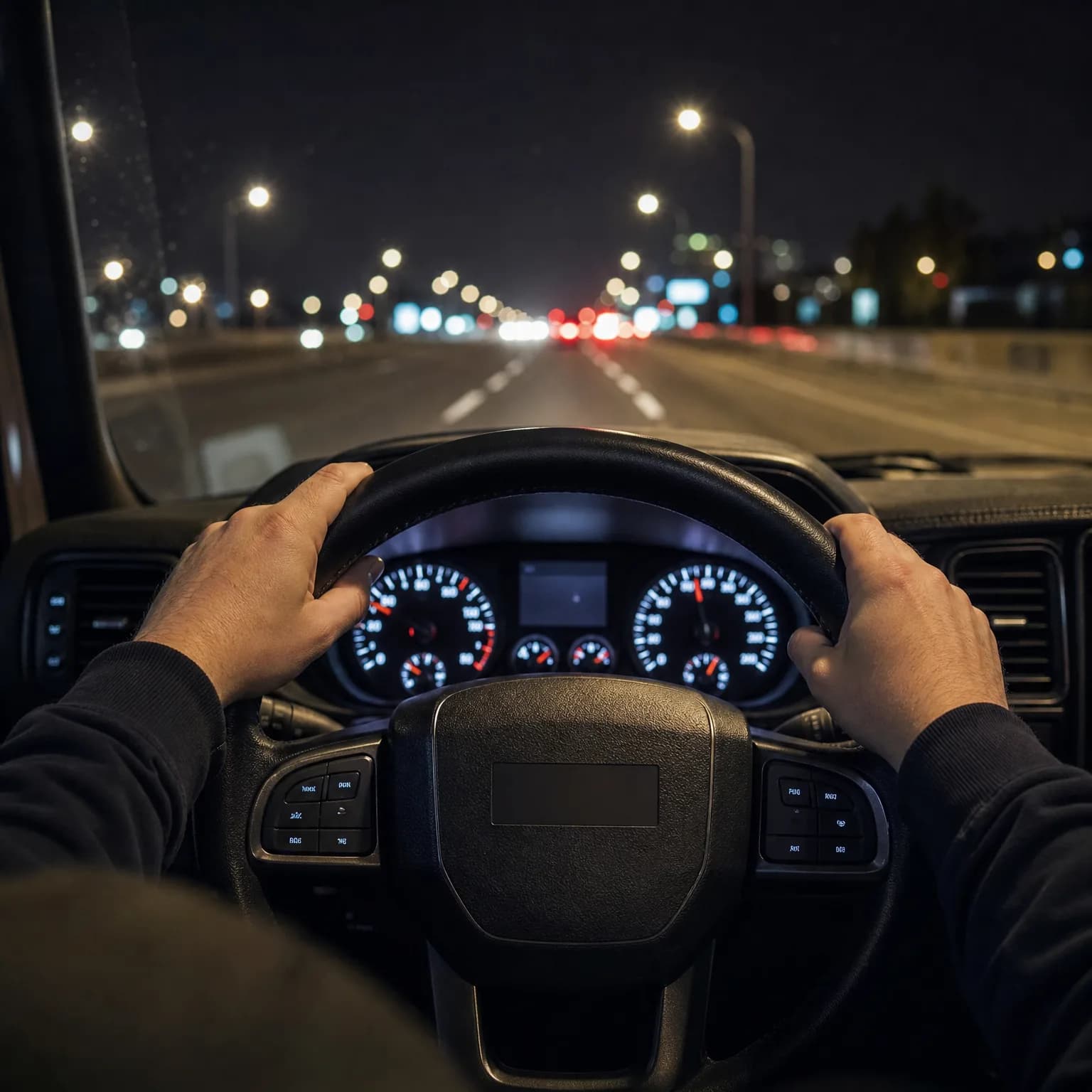
When You're Required to File SR-22 Without Owning a Car
Your state can mandate SR-22 filing based on your driving record, not your vehicle ownership. Common triggers include DUI or DWI convictions, driving without insurance when caught, multiple at-fault accidents in a short window, accumulating too many points on your license, or reckless driving charges. The DMV issues the SR-22 requirement as a condition of license reinstatement or continued driving privileges.
If you sold your car after the violation but before the suspension hearing, or if you never owned a vehicle when the violation occurred, the filing requirement doesn't disappear. The state views SR-22 as proof you can cover damages if you cause an accident — ownership is irrelevant to that obligation.
Some drivers assume they can wait out the requirement without filing if they're not driving. This fails in every state. Your license remains suspended until you file SR-22 and maintain it for the full mandated period. The clock doesn't start until you file, and any lapse restarts it.

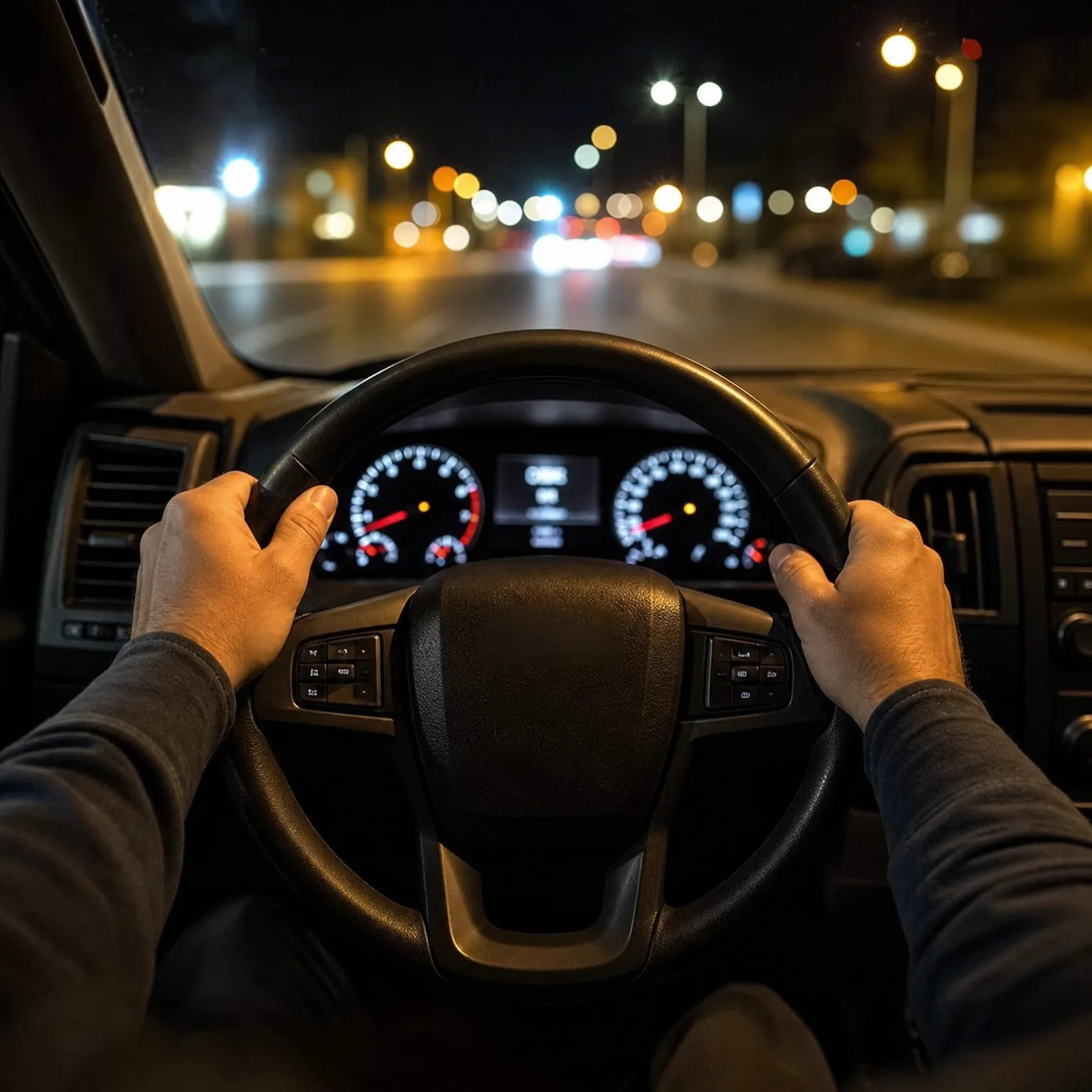
How Non-Owner SR-22 Policies Work With Borrowed or Rental Cars
Non-owner liability coverage acts as secondary insurance when you drive someone else's car. If you borrow a friend's vehicle and cause an accident, their insurance pays first up to their policy limits. Your non-owner policy covers the remaining liability if damages exceed their limits. This layered structure protects you from personal lawsuit exposure without duplicating coverage the vehicle owner already carries.
Rental car companies and car-sharing platforms require proof of liability insurance before handing over keys. A non-owner SR-22 policy satisfies this requirement. You can decline the rental agency's collision damage waiver if you're comfortable assuming that risk — your non-owner policy won't cover damage to the rental itself, only liability to others.
Most non-owner policies exclude vehicles you have regular access to — a spouse's car, a vehicle registered to your household, or a car provided by your employer. If you drive these regularly, you need to be listed on the owner's standard policy instead. Carriers writing non-owner SR-22 verify during underwriting that you don't have consistent access to a specific vehicle.

Get Your SR-22 Even Without a Car
Get SR-22 Quotes NowWhich Carriers Write Non-Owner SR-22 and What It Costs
Not every carrier writes non-owner policies, and fewer still write them with SR-22 filing. Progressive, The General, and Dairyland are the most consistent national writers for non-owner SR-22 across most states. State Farm and GEICO write non-owner policies in some states but route SR-22 business to specialty subsidiaries with separate underwriting rules. Regional non-standard carriers often offer better rates than national brands for high-risk non-owner business.
SR-22 filing fees add $15–$50 to your policy, charged once at issuance and again at each renewal if your filing period spans multiple years. Some carriers roll this into the premium, others itemize it separately. Rates vary significantly by state and violation type — a DUI-triggered SR-22 costs more than a filing required for driving without insurance, even on the same non-owner policy structure.
Carriers price non-owner SR-22 based on your violation history, the state's liability minimums, and how long you've been uninsured. Continuous prior coverage before your violation can lower your rate 10–20% even on a non-owner policy. If you've been uninsured for six months or longer, expect quotes at the higher end of the range.

What Happens If You Buy a Car After Filing Non-Owner SR-22
You must notify your carrier within 30 days of purchasing or registering a vehicle. Your non-owner policy cannot remain active once you own a car — the coverage structure no longer matches your risk profile. The carrier will convert your policy to a standard auto policy with SR-22 attached, or you can move the SR-22 filing to a new policy with a different carrier.
Your SR-22 filing period continues uninterrupted as long as coverage and filing remain continuous. The transition from non-owner to standard auto does not reset your clock or extend your requirement. If you had 18 months remaining on a 3-year SR-22 requirement when you bought the car, you still have 18 months remaining after the policy converts.
Some drivers mistakenly cancel their non-owner policy when they buy a car, then start a new standard policy a few days later. This creates a lapse — even 24 hours without active SR-22 filing triggers a DMV notification, license suspension, and a restart of your filing period in most states. Coordinate the transition with your carrier before finalizing the vehicle purchase.
Frequently Asked Questions
Can I get SR-22 without owning a car?
Yes. A non-owner SR-22 policy provides liability coverage when you drive vehicles you don't own and attaches the SR-22 certificate your state requires. You satisfy the filing requirement without insuring a specific vehicle.
How much does non-owner SR-22 insurance cost?
Non-owner SR-22 policies typically cost $300–$600 per year for high-risk drivers, depending on your state, violation type, and required liability limits. This is significantly less than standard SR-22 auto insurance because you're not covering a vehicle.
What happens if I buy a car while I have non-owner SR-22?
You must notify your carrier within 30 days and convert to a standard auto policy with SR-22 attached. Your filing period continues without interruption as long as coverage remains active. Canceling your non-owner policy before starting the new one creates a lapse that suspends your license.
Does non-owner SR-22 cover rental cars?
Yes. Non-owner SR-22 provides the liability coverage rental agencies require before releasing a vehicle. It acts as secondary coverage if you cause an accident, but does not cover damage to the rental car itself.
Will my SR-22 requirement go away if I don't own a car?
No. SR-22 filing requirements are tied to your driving record and license status, not vehicle ownership. Your license remains suspended until you file SR-22 and maintain it for the full state-mandated period, regardless of whether you own a car.
Related Articles
Non-Owner SR-22 Without a Car: How It Works
5/18/2026

Do I Need SR-22 If I Never Plan to Drive Again?
5/18/2026

Do I Need SR-22 Driving Only Company Vehicles at Work?
5/18/2026
Non-Owner SR-22 Without a Car: Setup Guide
5/18/2026

Can I Get SR-22 With No License? Non-Owner Filing
5/18/2026

Owner vs Non-Owner SR-22: Cost & Coverage Differences
5/18/2026