Does SR-22 Cover Other Drivers Who Borrow Your Car?
Get SR-22 Quotes NowSR-22 Is a Filing, Not Coverage — It Doesn't Extend to Permissive Drivers
Your SR-22 is a state-mandated certificate proving you carry at least the minimum liability coverage required by law. It's filed by your insurer directly with your state's DMV or Department of Insurance. The filing certifies that you — the named insured — maintain continuous coverage for the required period, typically 3 years in most states.
The SR-22 does not create coverage. It attaches to an existing liability policy. When someone borrows your car with your permission, your policy's liability coverage responds if they cause an accident — that's standard permissive use doctrine in nearly every state. But the SR-22 filing itself does not follow the vehicle or extend any certification benefit to the driver who borrowed it.
If the permissive driver has their own SR-22 requirement from a DUI, suspension, or violation, driving your car does nothing to satisfy it. Their SR-22 must be filed on a policy where they are the named insured — either a standard auto policy if they own a vehicle, or a non-owner SR-22 policy if they don't.
What Happens If Someone Borrows Your Car and Causes an Accident
Your liability policy covers permissive drivers up to your policy limits. If the driver you lent your car to causes an accident, your insurer pays the third-party claim first — up to your bodily injury and property damage limits. If damages exceed your limits, the at-fault driver's own liability policy may cover the remainder, assuming they have one.
Your SR-22 filing remains intact as long as your policy stays active and you don't let it lapse. The accident itself won't void the SR-22, but it will likely trigger a rate increase at renewal. Carriers treat at-fault accidents on your policy as your risk exposure, even if you weren't driving. If you're already carrying SR-22 due to a DUI or violation, adding a permissive-driver accident can push your premium into the high-risk specialty market.
If the borrowed-vehicle accident results in a lapse notice or cancellation, your insurer must notify the state immediately. Most states restart the SR-22 clock from zero if you let coverage lapse for even one day during the filing period.
If You Have SR-22, Should You Let Anyone Borrow Your Car?
The decision depends on your carrier, your policy limits, and the driver's record. Most SR-22 policies already carry higher premiums due to your violation or DUI — adding permissive-driver exposure increases the chance of another at-fault claim on your record. Carriers writing SR-22 business price aggressively for each additional risk factor. A second claim during your filing period can make renewal quotes unaffordable or force you into a state-assigned risk pool.
If the driver has their own insurance, their policy may provide secondary coverage after your limits are exhausted. But if they're uninsured or underinsured, you're liable up to your policy maximum — and your SR-22 requirement doesn't shield you from that exposure. If the driver borrowing your car also has a violation or DUI on their record, most high-risk carriers will rate them as a household member on your next renewal even if they don't live with you, especially if the claim appears on your policy.
Some SR-22 carriers explicitly exclude permissive drivers in their policy terms or require you to list all regular drivers by name. Review your declarations page or contact your carrier before lending your vehicle. Unlisted drivers involved in an accident can trigger a retroactive premium adjustment or policy cancellation notice.
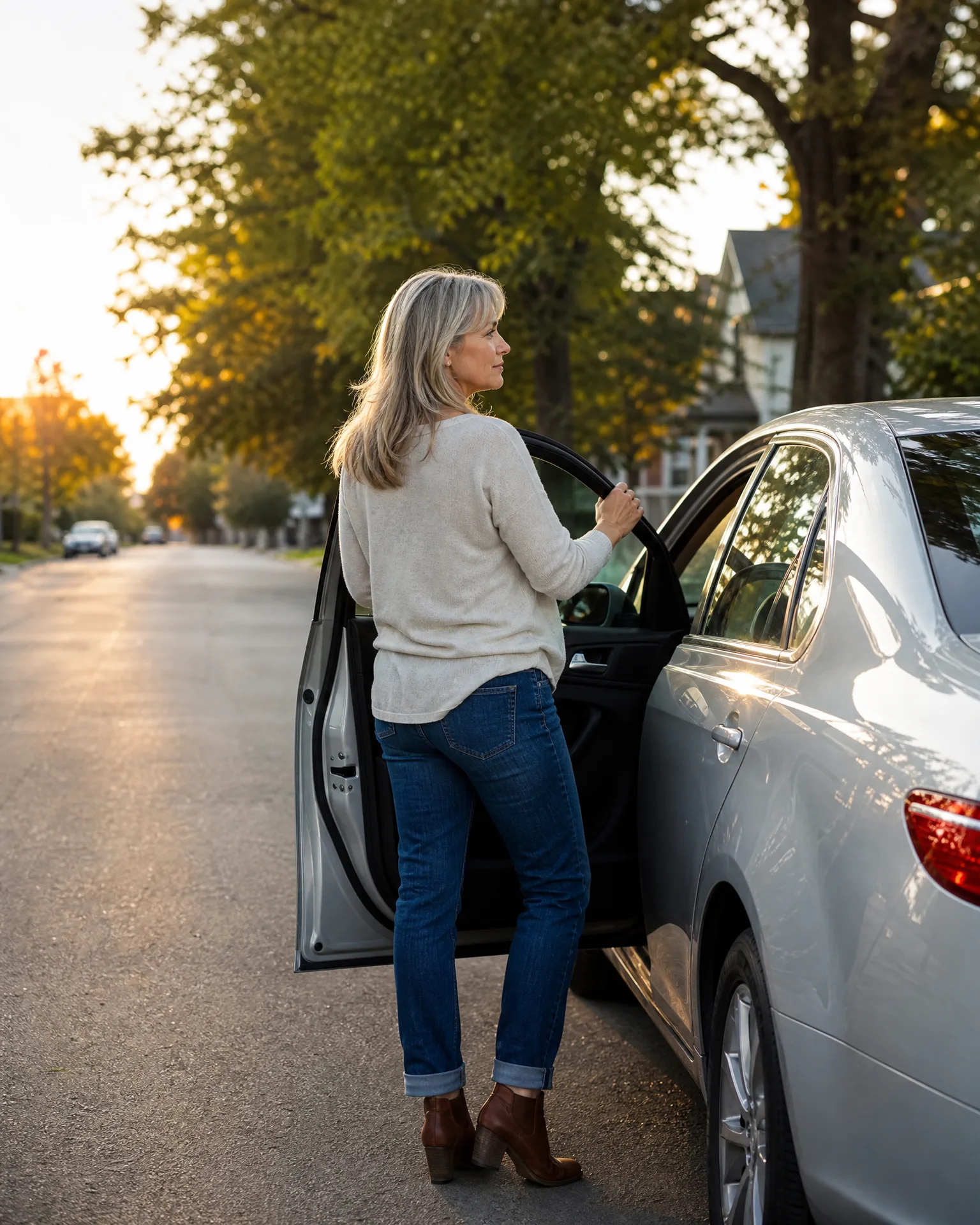
Get Your SR-22 Even Without a Car
Get SR-22 Quotes NowNon-Owner SR-22 Policies and Borrowed Vehicles
If you don't own a vehicle and carry a non-owner SR-22 policy, you're covered for liability when you borrow or rent a car. The non-owner policy provides secondary liability coverage — it responds only after the vehicle owner's insurance pays out. Your SR-22 filing remains valid as long as the non-owner policy stays active.
A non-owner SR-22 does not cover vehicles you own, vehicles registered in your household, or vehicles you use regularly. If you borrow the same car more than a few times per month, most carriers classify that as regular use and may require you to be listed on the owner's policy or excluded by name. Lending your non-owned vehicle to someone else is not a scenario a non-owner policy addresses — you can't lend a car you don't own.
Non-owner SR-22 premiums typically range from $300 to $900 annually, depending on the violation that triggered the filing requirement and your state's minimum liability limits. Rates increase if you add an at-fault accident while driving a borrowed vehicle during the filing period.

How Carriers Treat Permissive Driver Claims on SR-22 Policies
High-risk carriers underwrite SR-22 business with stricter claim tolerance than standard insurers. A single at-fault accident on your SR-22 policy — even if you weren't driving — can result in non-renewal at the end of your term. Most SR-22 carriers allow one chargeable incident during the filing period before moving you to a higher-tier product or canceling outright.
If the permissive driver is uninsured and the claim exceeds your liability limits, you may face a personal lawsuit for the difference. Your SR-22 filing does not provide umbrella coverage or legal defense beyond your policy's stated limits. Carriers typically offer $25,000/$50,000 minimum liability on SR-22 policies to meet state requirements, but those limits can be exhausted quickly in a multi-vehicle accident or serious injury claim.
Permissive-driver accidents also appear on your CLUE report and are visible to all carriers when you shop for coverage. Even after your SR-22 period ends, that claim history affects your rates for 3 to 5 years depending on the state.
Frequently Asked Questions
Does my SR-22 cover someone else if they drive my car?
Your liability policy covers permissive drivers, but your SR-22 filing does not extend to them. The SR-22 certifies that you — the named insured — maintain continuous coverage. If a permissive driver causes an accident in your car, your policy responds up to your liability limits, but their own SR-22 requirement (if they have one) is not satisfied by driving your vehicle.
Will letting someone borrow my car affect my SR-22 requirement?
The SR-22 filing itself remains active as long as your policy doesn't lapse. However, if the permissive driver causes an at-fault accident, your rates will increase at renewal and the claim appears on your record. Most SR-22 carriers allow one chargeable incident during the filing period before non-renewing your policy or moving you to a higher-cost product.
Can I add a driver to my SR-22 policy so they're covered?
You can list additional drivers on your SR-22 policy, but doing so increases your premium significantly — especially if the added driver has violations or a DUI. The SR-22 filing requirement still applies only to you as the named insured. The added driver does not satisfy their own SR-22 obligation by being listed on your policy; they must file their own SR-22 on a separate policy or non-owner policy.
What happens if an uninsured driver borrows my car and crashes?
Your liability policy covers the accident up to your policy limits. If damages exceed your limits, you may be personally liable for the difference since the uninsured driver has no secondary coverage to cover the remainder. Your SR-22 filing stays active, but the at-fault claim will trigger a rate increase and may result in non-renewal depending on your carrier's underwriting rules.
Related Articles
Do I Need SR-22 If I Don't Own a Car? Non-Owner Filing
5/18/2026

SR-22 Minimum Liability vs Full Coverage: When Minimum Fails
5/18/2026

Non-Owner SR-22 Without a Car: How It Works
5/18/2026
Do I Need SR-22 If I Never Plan to Drive Again?
5/18/2026
SR-22 on Multi-Vehicle Policies: Filing Rules Explained
5/18/2026

Can Employer's Commercial Policy Cover Personal SR-22?
5/18/2026