
SR-22 Cost — Wisconsin
Get SR-22 Quotes NowWhat You're Actually Paying For
You just got the court order or DMV notice requiring SR-22 filing in Wisconsin, and every quote you're seeing looks higher than what you paid before. The confusion starts when carriers bundle the filing fee into the first payment without separating what you're paying for the certificate versus what you're paying for the insurance policy itself.
The SR-22 is not insurance. It's a certificate your carrier files with the Wisconsin DMV proving you carry at least state minimum liability coverage. The filing fee is a one-time charge the carrier sets for processing and submitting that certificate. The premium is what you pay monthly for the actual insurance policy. Most drivers see one combined first-month bill and assume the entire amount is the filing cost, then get surprised when the monthly payment stays high for the next three years.
“A single day of lapse resets Wisconsin's entire 3-year SR-22 clock to zero — most drivers learn this from the suspension notice, not from their carrier.”

Get Your SR-22 Even Without a Car
Get SR-22 Quotes Now3 years
Wisconsin SR-22 Filing Period
Wisconsin requires continuous SR-22 filing for 3 years after most violations requiring proof of insurance. The clock starts from the date the DMV receives the filing, not the conviction date. A single day of lapse resets the entire 3-year period to zero.
Wisconsin Department of Transportation, Division of Motor Vehicles
Filing Fee Versus Premium
The filing fee is what the carrier charges to process the SR-22 certificate and submit it electronically to the Wisconsin DMV. This is a one-time charge, typically due with your first payment. Carriers set their own filing fees; the state does not regulate this amount. Some carriers charge it separately, others fold it into the first month's total.
The premium is your monthly insurance cost. This amount reflects your driving record, the violation that triggered the SR-22 requirement, your coverage selections, and whether you're insuring a vehicle you own or buying a non-owner policy. The premium continues every month for as long as you maintain the policy. The filing fee does not repeat.
When you request a quote, ask the carrier to break out the filing fee separately from the first month's premium. This tells you what the ongoing monthly cost will be after the initial payment clears. Most carriers advertising their SR-22 rates online show only the monthly premium and mention the filing fee in fine print or at checkout.

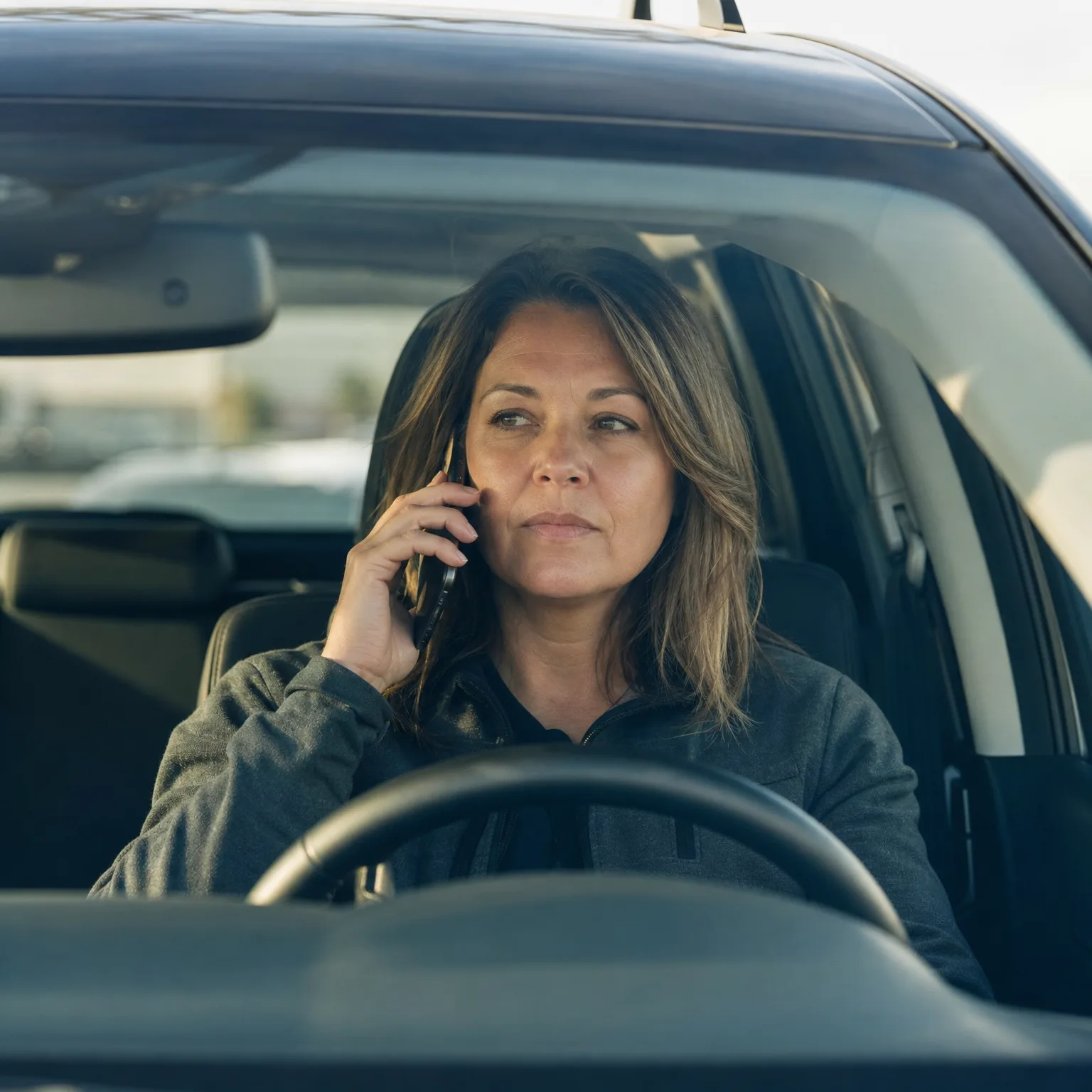
If you don't own a vehicle or can't drive during suspension, you're paying for collision and comprehensive coverage you cannot use — non-owner SR-22 satisfies Wisconsin's filing requirement at 40-60% lower cost.






What Drives the Monthly Premium
The violation that triggered your SR-22 requirement is the largest single factor in your premium. OWI convictions, uninsured-motorist violations, and multiple at-fault accidents move you into the non-standard insurance tier, where carriers price for elevated risk. The SR-22 filing itself does not raise your rate; the underlying violation does.
Wisconsin requires minimum liability coverage of $25,000 per person, $50,000 per accident for bodily injury, and $10,000 for property damage. You can buy higher limits, and some carriers require 50/100/25 or 100/300/100 as a condition of writing SR-22 policies. Higher limits increase your premium but provide more protection if you're at fault in an accident during the filing period.
If you're insuring a vehicle, your coverage selections matter. Liability-only policies cost less than full coverage with collision and comprehensive. If your vehicle is paid off and worth less than a few thousand dollars, dropping collision coverage cuts your premium substantially. The SR-22 filing requires only liability coverage; collision and comprehensive are optional unless a lienholder requires them.
Your age, location within Wisconsin, and claims history also affect pricing. Carriers writing non-standard policies weigh recent violations more heavily than older incidents. If your OWI conviction is three years old and you've maintained continuous coverage since, you'll see lower quotes than a driver with a conviction from six months ago. The filing period and the risk-pricing period don't align; carriers re-evaluate your rate at each renewal based on how your record has changed.
$60
Wisconsin License Reinstatement Fee
After completing your suspension period and maintaining SR-22 filing, Wisconsin charges a $60 reinstatement fee to restore your driving privileges. This fee is separate from the SR-22 filing cost and any court fines. Payment is required before the DMV will issue a valid license.
Wisconsin Department of Transportation

Lapse Consequences Reset the Clock
Wisconsin's SR-22 filing period is 3 years of continuous coverage. If your policy lapses for any reason — missed payment, cancellation, switching carriers without overlap — the carrier is required to notify the DMV electronically within 24 hours. The DMV treats this as proof you no longer carry required insurance and suspends your license immediately.
The suspension for SR-22 lapse is separate from the original suspension that triggered the filing requirement. When you reinstate after a lapse, the 3-year SR-22 clock resets to zero. A lapse in month 14 of your filing period means you start over at month 1 after reinstatement, adding years of premium payments and extending the time you're locked into non-standard insurance pricing. Most carriers do not warn you of this consequence when you miss a payment; you learn it from the suspension notice.
Compare Carriers Writing Your Profile
Not every carrier writing auto insurance in Wisconsin writes SR-22 policies, and among those that do, not all write non-owner filings or accept drivers with OWI convictions. The carrier data for Wisconsin shows 25 carriers licensed in the state; of those, 14 explicitly write SR-22 filings, and 8 write non-owner SR-22. If you're shopping based on brand recognition alone, you're missing carriers that specialize in high-risk profiles and price competitively for your violation type.
Request quotes from at least three carriers that confirm they write SR-22 for your specific violation. Ask whether they offer non-owner policies if you don't own a vehicle. Ask for the filing fee stated separately from the first month's premium. Ask what happens to your rate at the first renewal if you maintain continuous coverage with no new violations. Carriers price SR-22 filings differently; the spread between the highest and lowest quote for the same driver profile can exceed 50%.
When comparing quotes, verify the coverage limits match. A $90/month quote at state minimums is not comparable to a $110/month quote at 100/300/100 limits. Verify the policy type: owner versus non-owner, liability-only versus full coverage. Verify the filing fee is included in the comparison. The lowest monthly premium is not always the lowest total cost if the filing fee or reinstatement requirements differ.

Start With Carriers Writing Non-Standard Policies
The next step is getting quotes from carriers that write SR-22 filings in Wisconsin and accept drivers with your violation type. Standard carriers often decline SR-22 applications or quote premiums so high they're functionally unavailable. Non-standard carriers price for high-risk profiles as their primary business; their quotes reflect the actual market for your situation, not an inflated deterrent rate. Compare at least three carriers, request non-owner quotes if you don't own a vehicle, and ask for the filing fee broken out separately so you know what the ongoing monthly cost will be after the first payment.
Non-Owner SR-22 During Suspension
A non-owner SR-22 policy covers you when driving a vehicle you don't own: a borrowed car, a rental, a friend's vehicle. It carries liability coverage only, no collision or comprehensive. Because it doesn't insure a specific vehicle, the premium is substantially lower than a standard auto policy. For drivers who don't own a car or whose vehicle is titled to someone else, non-owner SR-22 is the only filing structure that makes financial sense during a suspension period.
Most carriers writing SR-22 in Wisconsin offer non-owner policies, but you must ask for one specifically. The default quote assumes you're insuring a vehicle you own. If you're suspended and not driving, or if your household vehicle is titled to a spouse or family member who maintains their own policy, request a non-owner quote. The carrier files the same SR-22 certificate with the DMV; the state does not distinguish between owner and non-owner filings as long as you meet minimum liability limits.
Get Your Free Quote
Get SR-22 Quotes NowFrequently Asked Questions
How much does SR-22 filing cost in Wisconsin?
The SR-22 filing fee in Wisconsin is a one-time carrier charge whose amount varies by carrier; it is separate from your monthly insurance premium. The premium depends on your violation type, coverage selections, and whether you're insuring a vehicle or buying a non-owner policy. Non-owner SR-22 policies cost 40-60% less than standard policies because they exclude collision and comprehensive coverage.
Can I get non-owner SR-22 insurance in Wisconsin?
Yes. Wisconsin accepts non-owner SR-22 filings for drivers who don't own a vehicle. Non-owner policies provide liability coverage when you drive a borrowed or rental vehicle and satisfy the state's SR-22 requirement at substantially lower cost than insuring a vehicle you own. Eight carriers writing SR-22 in Wisconsin offer non-owner policies; request this option specifically when quoting.
What happens if my SR-22 insurance lapses in Wisconsin?
Wisconsin law requires your carrier to notify the DMV within 24 hours of any policy lapse. The DMV suspends your license immediately, and the 3-year SR-22 filing period resets to zero when you reinstate. A lapse in month 14 means you start over at month 1 after reinstatement, adding years of required coverage and premium payments.
How long do I need SR-22 in Wisconsin?
Wisconsin requires SR-22 filing for 3 years after most violations requiring proof of insurance, including OWI convictions and uninsured-motorist violations. The period begins when the DMV receives the filing, not the conviction date. Continuous coverage with no lapses is required; any lapse resets the clock to zero.
Do all car insurance companies in Wisconsin file SR-22?
No. Of the 25 carriers licensed to write auto insurance in Wisconsin, 14 write SR-22 filings and 8 write non-owner SR-22 policies. Standard carriers often decline SR-22 applications or quote prohibitively high rates. Non-standard carriers specialize in high-risk profiles and price competitively for drivers with violations requiring SR-22 filing.
Can I switch SR-22 insurance carriers in Wisconsin?
Yes, but the new policy must be in force before you cancel the old one. Any gap in coverage triggers an immediate lapse notification to the DMV, suspending your license and resetting the 3-year filing period. Coordinate the effective dates with both carriers to ensure continuous SR-22 filing without interruption.