
Non-Owner SR-22 When Borrowing Cars: What's Actually Covered
Get SR-22 Quotes NowWhy Non-Owner SR-22 Matters If You Borrow Vehicles Regularly
Most states require continuous SR-22 filing for 3 years following a DUI, reckless driving conviction, or license suspension. If you don't own a car but drive borrowed vehicles — a family member's car, a friend's truck, a rental — a non-owner SR-22 policy provides the liability coverage your state mandates and keeps your filing active. Without it, you're uninsured in most situations, and any lapse in your SR-22 restarts the entire filing period from day one.
Non-owner SR-22 policies typically cost $300 to $900 per year depending on your violation type, state, and coverage limits. A DUI usually places you at the higher end of that range, while a lapse-related SR-22 often costs less. The policy provides liability-only coverage — bodily injury and property damage — when you drive a vehicle you don't own and that isn't regularly available to you. It does not cover the borrowed car itself, and it does not cover vehicles you own, lease, or use daily.
The key protection: non-owner SR-22 keeps your filing continuous with your state's DMV or licensing authority. If you let the policy lapse, your insurer notifies the state within 10 to 15 days, your license is suspended again, and your SR-22 clock resets. For drivers borrowing cars frequently, this policy is the only way to stay legal and avoid restarting a multi-year requirement.
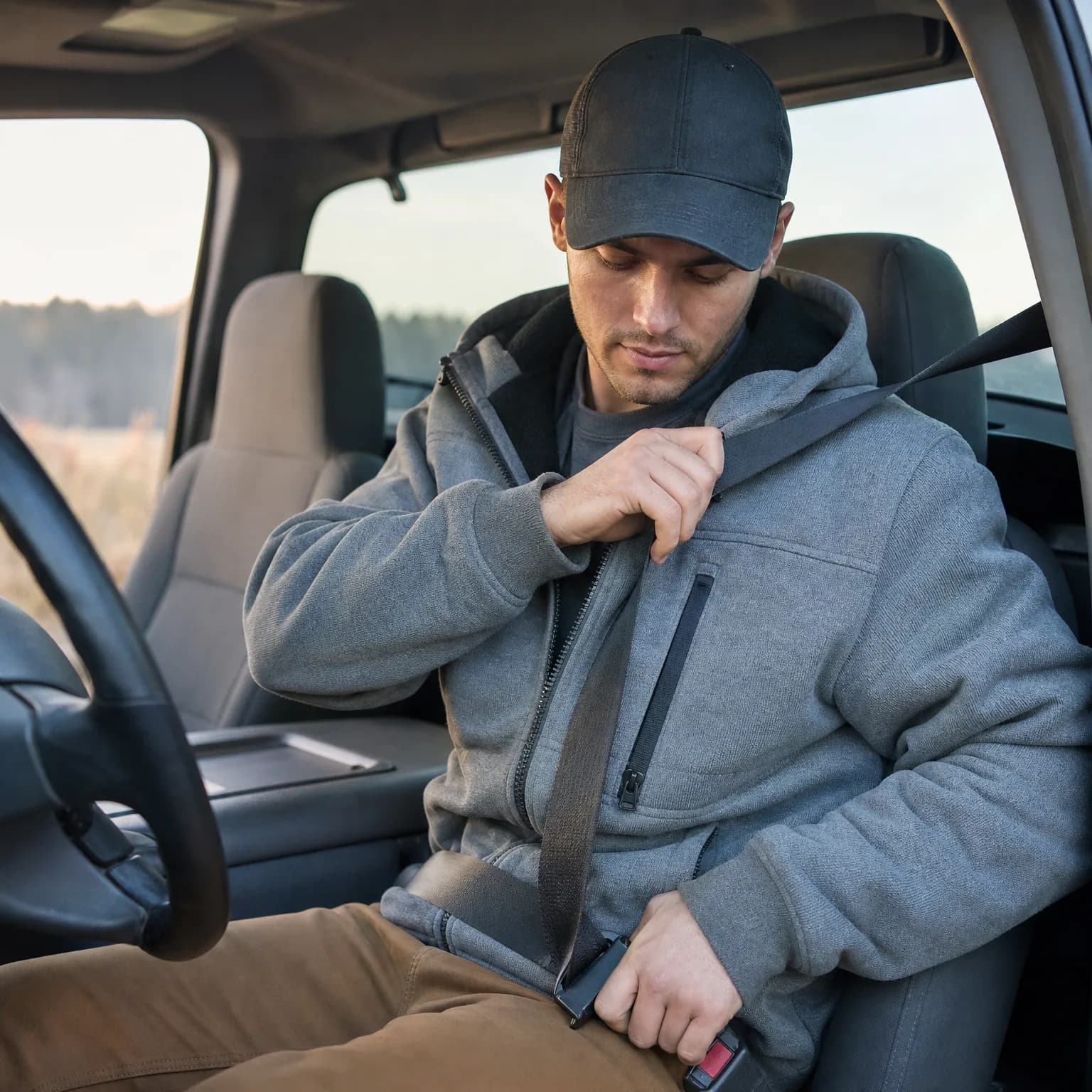
What Non-Owner SR-22 Covers When You Drive a Borrowed Car
Non-owner SR-22 provides secondary liability coverage when you borrow a vehicle. The car owner's insurance is always primary — it pays first if you cause an accident. Your non-owner policy pays only when the owner's liability limits are exhausted or when the owner has no coverage at all. This means if you borrow a car from someone with a standard 100/300/100 policy and cause a crash with $150,000 in bodily injury claims, the owner's policy pays the first $100,000 per person, and your non-owner policy covers the remainder up to your own limits.
Most states require minimum liability limits of 25/50/25, but those minimums are often insufficient after a serious accident. Non-owner policies typically offer limits from 50/100/25 up to 100/300/100. Higher limits cost $10 to $30 more per month but provide critical protection if you're at fault in a multi-vehicle crash or injure someone with long-term medical costs. Non-owner policies do not include collision or comprehensive coverage — if you damage the borrowed car, you're relying entirely on the owner's policy or paying out of pocket.
Non-owner SR-22 does not cover vehicles you own, vehicles registered to you, or vehicles available for your regular use. If you live with a family member who owns a car and you drive it regularly, you must be listed on that car's policy. If you own a car, even one that's inoperable or uninsured, you need an owner SR-22 policy, not a non-owner policy. Misrepresenting your situation to an insurer can result in a denied claim and a lapse notice sent to the state.


Common Coverage Gaps and When You're Not Protected
Non-owner SR-22 has specific exclusions that catch high-risk drivers off guard. The policy does not cover vehicles furnished or available for your regular use, which includes a roommate's car you drive multiple times per week, a partner's vehicle you use for commuting, or a car owned by someone in your household. It also excludes vehicles you rent for more than occasional use — if you rent a car weekly for work, the non-owner policy may not respond, and you'll need to purchase the rental agency's liability coverage.
Rental car agencies often decline to rent to drivers with recent DUIs, multiple violations, or suspended licenses — even if your license has been reinstated and you hold valid SR-22 coverage. When agencies do rent to high-risk drivers, their own liability coverage typically costs $15 to $30 per day, and your non-owner policy may or may not provide secondary coverage depending on the insurer's rental vehicle exclusions. Always confirm with your carrier whether rental cars are covered and under what conditions.
Another critical gap: non-owner policies provide no physical damage coverage. If you borrow a car and crash it, the owner's collision coverage pays for repairs, subject to their deductible. If the owner has no collision coverage or if their insurer subrogate against you for the deductible, you're personally liable. High-risk drivers borrowing vehicles should confirm the owner carries comprehensive and collision coverage before driving, and should be prepared to reimburse any deductible if they cause damage.
How to Keep Your SR-22 Filing Continuous While Non-Owner
SR-22 lapses are the most common reason high-risk drivers restart their filing clock. If your non-owner policy cancels for non-payment or you let it lapse because you're not driving regularly, your insurer files an SR-26 or FR-44 withdrawal notice with the state. Most states suspend your license within 10 to 30 days of receiving that notice, and the SR-22 requirement resets to day one. A single missed payment can add years to your filing period.
To avoid lapses, enroll in automatic payments and maintain a buffer in the linked account. If you're struggling to pay your premium, contact your insurer immediately — most high-risk carriers offer payment plans or 10-day grace periods before canceling coverage. If you must cancel your non-owner policy because you've purchased a car, coordinate the cancellation and new owner policy effective dates so there's no gap. Even one day without active SR-22 can trigger a suspension and restart.
If your license is suspended in multiple states — a scenario common among drivers with DUIs in one state while holding a license in another — verify where you need SR-22 or FR-44 filings. Some drivers need dual filings, and some carriers won't write non-owner policies for out-of-state SR-22 requirements. Confirm your insurer will file in the correct state and monitor your driving record in both jurisdictions to ensure the filing is received. SR-22 insurance
Get Your SR-22 Even Without a Car
Get SR-22 Quotes Now
Which Carriers Write Non-Owner SR-22 and What to Expect
Non-owner SR-22 policies are available only through non-standard or high-risk insurers. Standard carriers like State Farm, Allstate, and Progressive generally do not write non-owner policies for drivers with DUI, suspended license, or multiple violations. High-risk carriers that frequently write non-owner SR-22 include The General, Acceptance Insurance, Direct Auto, Bristol West, and regional non-standard insurers. Availability varies significantly by state — some states have a dozen carriers writing non-owner SR-22, while others have two or three.
Premium varies by violation type and state. A DUI-related non-owner SR-22 in California typically costs $500 to $1,200 per year, while a lapse-related SR-22 in Texas may cost $300 to $600 per year. Rates drop as you add time since the violation — a DUI that's 18 months old costs less than one that's 6 months old, and crossing the two-year mark often triggers a rate reduction of 15% to 25%. Some carriers offer discounts for paying the full term upfront or for bundling with renters insurance.
Filing fees are typically $15 to $50 depending on the state and insurer, and are charged once when the SR-22 is filed and again if you change carriers mid-requirement. Some insurers waive the filing fee, while others charge it every policy term. Compare quotes from at least three high-risk carriers — rates for identical coverage can vary by $300 to $600 annually. Use a comparison tool that includes non-standard carriers, as standard insurance quoting sites will not show options for drivers with SR-22 requirements.

When to Switch from Non-Owner to Owner SR-22
If you purchase, lease, or register a vehicle in your name while holding a non-owner SR-22 policy, you must immediately switch to an owner SR-22 policy. Non-owner policies explicitly exclude vehicles you own or register, and driving your own car under a non-owner policy leaves you uninsured. Most states require you to update your insurance within 10 to 30 days of registering a vehicle, and your insurer will file a new SR-22 with the state reflecting the change.
Owner SR-22 policies cost significantly more than non-owner policies because they include comprehensive and collision coverage and higher liability limits. A driver with a DUI moving from a non-owner policy at $600 per year to an owner policy for a 10-year-old sedan may see rates jump to $2,500 to $4,500 per year depending on the vehicle, state, and coverage limits. The SR-22 filing itself doesn't change — the requirement and duration remain the same — but the underlying policy type and cost increase substantially.
If you're added as a regular driver on someone else's policy — for example, a spouse's or parent's car — you may not need your own non-owner policy, but the owner's policy must include an SR-22 endorsement listing you. Confirm with the insurer that the SR-22 is filed in your name and that the state has received it. Some insurers won't add SR-22 endorsements for listed drivers, in which case you'll need to maintain your own non-owner policy even if you're also listed on another vehicle's policy.
Compare Non-Owner SR-22 Quotes and Get Covered Now
Non-owner SR-22 policies are available from high-risk carriers, but rates vary widely, and not every insurer writes coverage in every state. If you've been quoted $1,000 per year by one carrier, another may offer $500 for identical coverage and filing. The only way to confirm what's available for your violation type, state, and driving record is to request quotes from multiple non-standard insurers.
Start with a comparison tool that includes high-risk carriers and supports SR-22 filings. Standard insurance sites won't show non-owner options for drivers with DUIs, suspensions, or multiple violations. Enter your violation details, state, and required filing type, and compare premiums, coverage limits, and filing fees across at least three carriers. Most high-risk insurers offer immediate online quotes and same-day SR-22 filing once you bind coverage.
If you're borrowing vehicles regularly and need SR-22 proof to keep your license active, non-owner coverage is your only legal option. Rates are lower than owner policies, filing is straightforward, and continuous coverage keeps your SR-22 clock moving forward. Don't wait until after your next suspension notice — compare quotes now and get your filing on record with the state.
Related Articles
SR-22 for Snowbirds: Filing Between Two States
5/18/2026
SR-22 for Motorcycle-Only Owners: Non-Owner Filing Guide
5/18/2026
Route Restricted License + SR-22 in South Carolina
5/18/2026

SR-22 and Florida FAJUA: What Replaced the State Pool
5/18/2026
Out-of-State DUI: Which State Files Your SR-22?
5/18/2026
SR-22 vs FR-44 in Virginia: Bodily Injury Minimum Gap
5/18/2026