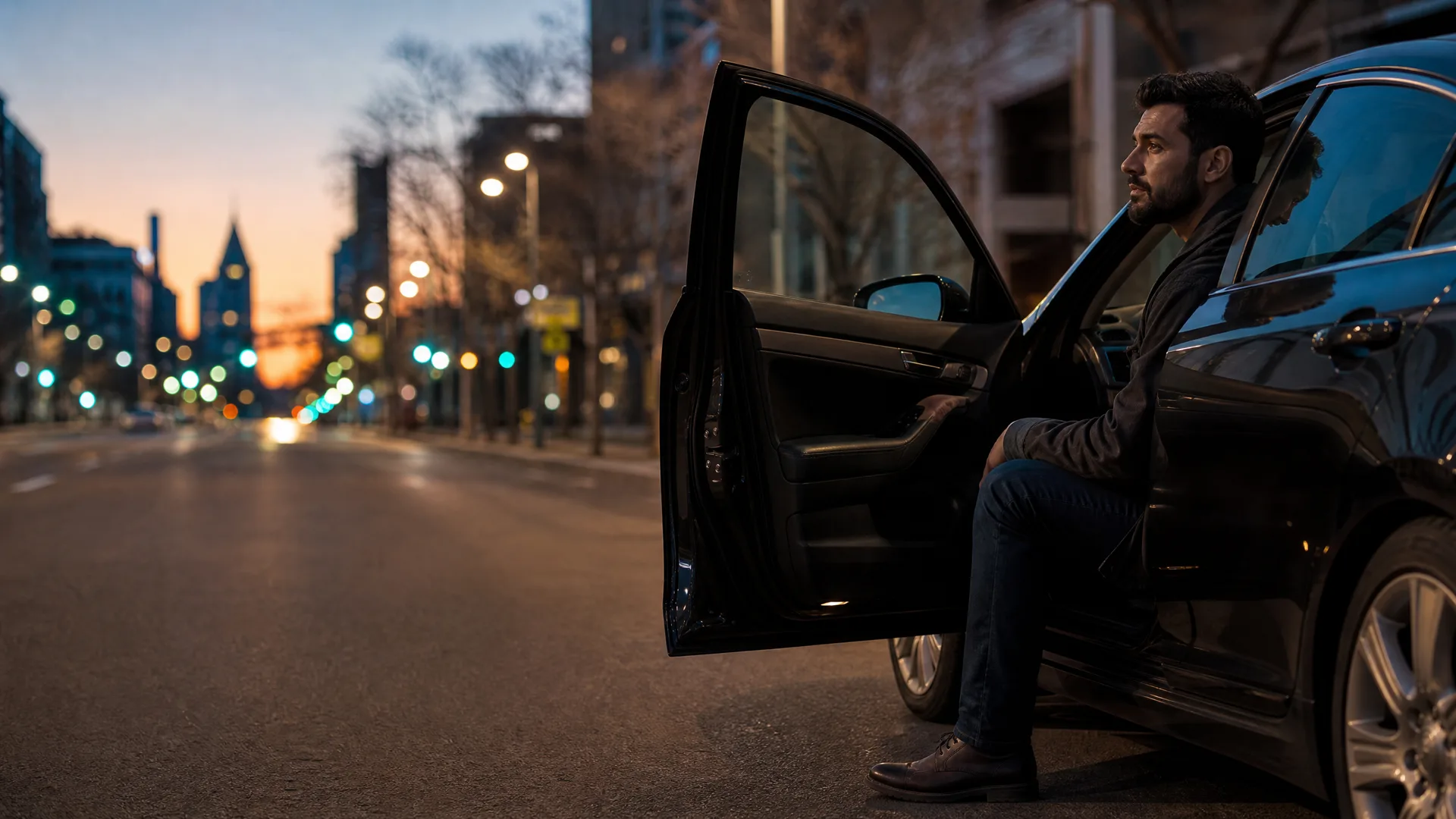
How Non-Owner SR-22 Insurance Works for Drivers Without Cars
Get SR-22 Quotes NowWhat Non-Owner SR-22 Insurance Actually Covers
A non-owner SR-22 policy provides liability-only coverage when you drive a car you don't own — a borrowed vehicle, rental, or occasionally a friend's car. The SR-22 certificate attached to the policy is a state-mandated filing that proves you're carrying the minimum liability limits required by law, typically $25,000/$50,000/$25,000 for bodily injury and property damage. The insurance itself covers damages you cause to others while driving, not damage to the vehicle you're operating.
This coverage structure costs significantly less than a standard SR-22 policy because it excludes collision, comprehensive, and any physical damage coverage tied to a specific vehicle. Most non-owner SR-22 policies run between $30 and $80 per month depending on your violation type, state minimums, and how many incidents appear on your record. Drivers with a single DUI typically see rates at the lower end of that range; multiple violations or at-fault accidents push premiums higher.
The SR-22 filing itself is not insurance — it's a certificate your insurer files electronically with your state's Department of Motor Vehicles confirming you meet minimum liability requirements. Your insurer must maintain that filing for the entire period your state mandates, usually 3 years from the date of reinstatement. If your policy lapses for any reason, your insurer is legally required to notify the DMV within 10 to 30 days, which triggers an immediate suspension of your driving privileges in most states.

Who Needs Non-Owner SR-22 Coverage and Why
You need a non-owner SR-22 if your state requires proof of financial responsibility but you don't own a registered vehicle. Common scenarios include license reinstatement after a DUI, suspension for driving without insurance, multiple moving violations within a short period, or at-fault accidents while uninsured. States issue SR-22 requirements through court orders or DMV administrative actions — the requirement stays on your record regardless of whether you own a car.
Drivers who sold their vehicle after a suspension, those who rely on public transit or rideshares, and those who borrow cars occasionally but don't have their own registration all fall into this category. If you're required to carry an SR-22 but don't have a vehicle to insure, a non-owner policy is the only way to meet the filing requirement without purchasing a car just to satisfy the state mandate.
Some states allow hardship or occupational licenses during a suspension period — these restricted licenses nearly always require an SR-22 filing before issuance. Even if you're only driving to work or medical appointments under a limited permit, you must maintain continuous SR-22 coverage for the full duration specified by your court order or DMV letter, typically 36 months. Dropping coverage before that period ends resets the clock in many states, meaning you start the 3-year requirement over from the date you reinstate.
How Much Non-Owner SR-22 Insurance Costs by Violation Type
A clean-record non-owner policy averages $25 to $50 per month. Adding an SR-22 filing requirement increases that cost by 40% to 150% depending on the underlying violation. A DUI typically pushes monthly premiums to $60 to $100, while multiple violations or a combination of DUI plus at-fault accidents can drive costs to $100 to $150 per month.
The SR-22 filing fee itself — separate from the insurance premium — ranges from $15 to $50 as a one-time charge in most states. Some carriers roll this into the first month's premium; others bill it separately at policy inception. This fee covers the insurer's cost to file the certificate electronically with your state DMV and maintain the filing for the required period.
Non-owner SR-22 rates decrease as violations age off your record. Most states use a 3-year lookback period for moving violations and a 5-year lookback for DUIs. After 3 years with no new incidents, expect your premium to drop by 20% to 40%. After 5 years, you'll qualify for standard non-owner rates again, assuming the SR-22 filing requirement has expired and you've maintained continuous coverage without lapses.

Get Your SR-22 Even Without a Car
Get SR-22 Quotes NowWhich Carriers Write Non-Owner SR-22 Policies
Non-owner SR-22 coverage is a non-standard product, meaning most major carriers either don't offer it or severely restrict eligibility after high-risk violations. Specialty high-risk insurers dominate this market: Progressive, The General, Direct Auto, and Acceptance Insurance write non-owner SR-22 policies in most states, though rates and underwriting standards vary by region.
Some carriers write non-owner policies but won't attach an SR-22 filing to them, which makes the policy useless for drivers under a state mandate. Always confirm during the quote process that the insurer will file the SR-22 certificate with your specific state's DMV and maintain the filing for the full required period. A policy without the filing attached won't satisfy your reinstatement requirements, and you won't discover the problem until you attempt to reinstate your license.
Carrier availability also depends on your violation type and how recently it occurred. A DUI from 18 months ago gets more coverage options than a DUI from 3 months ago. Multiple DUIs, reckless driving combined with an at-fault accident, or driving on a suspended license all narrow the field of willing insurers. Expect to compare quotes from at least 3 to 5 non-standard carriers to find coverage — shopping around can cut your premium by 30% to 50% for the same state-minimum limits.

How to Maintain Non-Owner SR-22 Coverage Without a Lapse
A lapse in SR-22 coverage — even a single day — triggers an automatic notification from your insurer to your state DMV, usually within 10 days of the lapse date. Your state then suspends your license or driving privileges immediately, and in most jurisdictions you must refile the SR-22 and restart the entire 3-year requirement from the new reinstatement date. This resets the clock and extends the total time you're required to carry the filing.
Set up automatic payments from a bank account or credit card that won't decline due to insufficient funds or expiration. If you're switching carriers, secure the new policy with an effective date at least 24 hours before your current policy cancels. The gap between cancellation and new coverage must be zero days to avoid triggering a lapse notification. Some states allow a grace period of 10 to 15 days, but relying on this creates unnecessary risk — assume zero tolerance and plan accordingly.
If you move to a new state during your SR-22 filing period, contact your insurer immediately to determine whether they can transfer the filing to your new state or if you need a new policy. Not all carriers write non-owner SR-22 policies in all states, and some states don't recognize out-of-state SR-22 filings. Failing to notify your insurer of a move can result in an invalid filing, which your new state's DMV won't accept for reinstatement purposes.
What Happens When Your SR-22 Filing Period Ends
Once you've maintained continuous coverage for the full required period — typically 3 years from your reinstatement date — your insurer files an SR-22 termination notice with the DMV, or the requirement simply expires and no further action is needed. The specific process varies by state. Some states send a confirmation letter; others update your driving record silently with no notification.
Your insurance rates won't drop to standard levels immediately when the SR-22 requirement ends. The underlying violation that triggered the SR-22 — the DUI, reckless driving, or series of tickets — remains on your driving record and continues to affect your rates until it ages past your state's lookback period. A DUI typically impacts your rates for 5 years from the violation date, even though the SR-22 filing requirement may only last 3 years.
After the filing period ends, you can drop the non-owner policy if you still don't own a vehicle and don't drive regularly. However, maintaining continuous coverage — even a low-cost non-owner policy — prevents future insurers from treating you as a lapsed driver, which triggers higher rates. A gap in coverage of more than 30 days can increase your next policy's premium by 20% to 40%, even if you weren't legally required to carry insurance during that period.
Frequently Asked Questions
Can I get non-owner SR-22 insurance if I've never owned a car?
Yes. Non-owner SR-22 policies are designed specifically for drivers who don't own a registered vehicle but are required by their state to maintain an SR-22 filing. You don't need prior ownership history to qualify — you only need a valid or reinstatable driver's license and a state-mandated SR-22 requirement.
Does non-owner SR-22 insurance cover me if I borrow someone's car?
Non-owner SR-22 insurance provides liability coverage when you drive a vehicle you don't own, but it only pays out if the car owner's policy doesn't cover the loss. It acts as secondary coverage, meaning the vehicle owner's insurance pays first, and your non-owner policy covers any remaining liability up to your policy limits. It does not cover physical damage to the borrowed vehicle.
What happens if I buy a car while I have a non-owner SR-22 policy?
You must switch to a standard SR-22 auto policy within 30 days of registering the vehicle. Non-owner policies explicitly exclude vehicles you own or have regular access to, so coverage won't apply once you register a car in your name. Contact your insurer immediately after purchase to transfer the SR-22 filing to a standard policy — failing to do so can result in a lapse notification to the DMV.
How long do I have to keep non-owner SR-22 insurance?
You must maintain the SR-22 filing for the full period specified in your court order or DMV reinstatement letter, typically 3 years from your license reinstatement date. Some states require 5 years for repeat DUI offenses or longer periods for commercial drivers. Dropping coverage before the required period ends triggers a license suspension and restarts the filing clock in most states.
Can I cancel my non-owner SR-22 policy if I stop driving?
No, not if you're still within the required SR-22 filing period. Your state mandates continuous coverage regardless of whether you're actively driving. Canceling the policy triggers an automatic notification to the DMV and results in immediate suspension of your driving privileges. You must maintain the policy until the filing requirement expires, even if the car sits unused.
Related Articles
SR-22 for Snowbirds: Filing Between Two States
5/18/2026

SR-22 for Motorcycle-Only Owners: Non-Owner Filing Guide
5/18/2026

Route Restricted License + SR-22 in South Carolina
5/18/2026
SR-22 and Florida FAJUA: What Replaced the State Pool
5/18/2026

Out-of-State DUI: Which State Files Your SR-22?
5/18/2026

SR-22 vs FR-44 in Virginia: Bodily Injury Minimum Gap
5/18/2026