
What Happens to Your SR-22 Filing When You Sell Your Car
Get SR-22 Quotes NowYour SR-22 Filing Is Attached to Your License, Not Your Vehicle
SR-22 is a certificate your insurer files with the DMV proving you carry at least the state-mandated liability minimums. It's tied to your driver's license, not the car you own. Selling your vehicle doesn't pause, reduce, or cancel your SR-22 obligation.
If you sell your car and stop carrying insurance — even for a single day — your insurer is required to notify the DMV immediately. That notification triggers a suspension. In most states, a lapse during your SR-22 period resets your filing clock to zero, meaning you start the full required filing period over from the date you reinstate coverage.
The state doesn't care whether you own a car. It cares whether you maintain continuous proof of financial responsibility for the entire filing period ordered by the court or DMV.
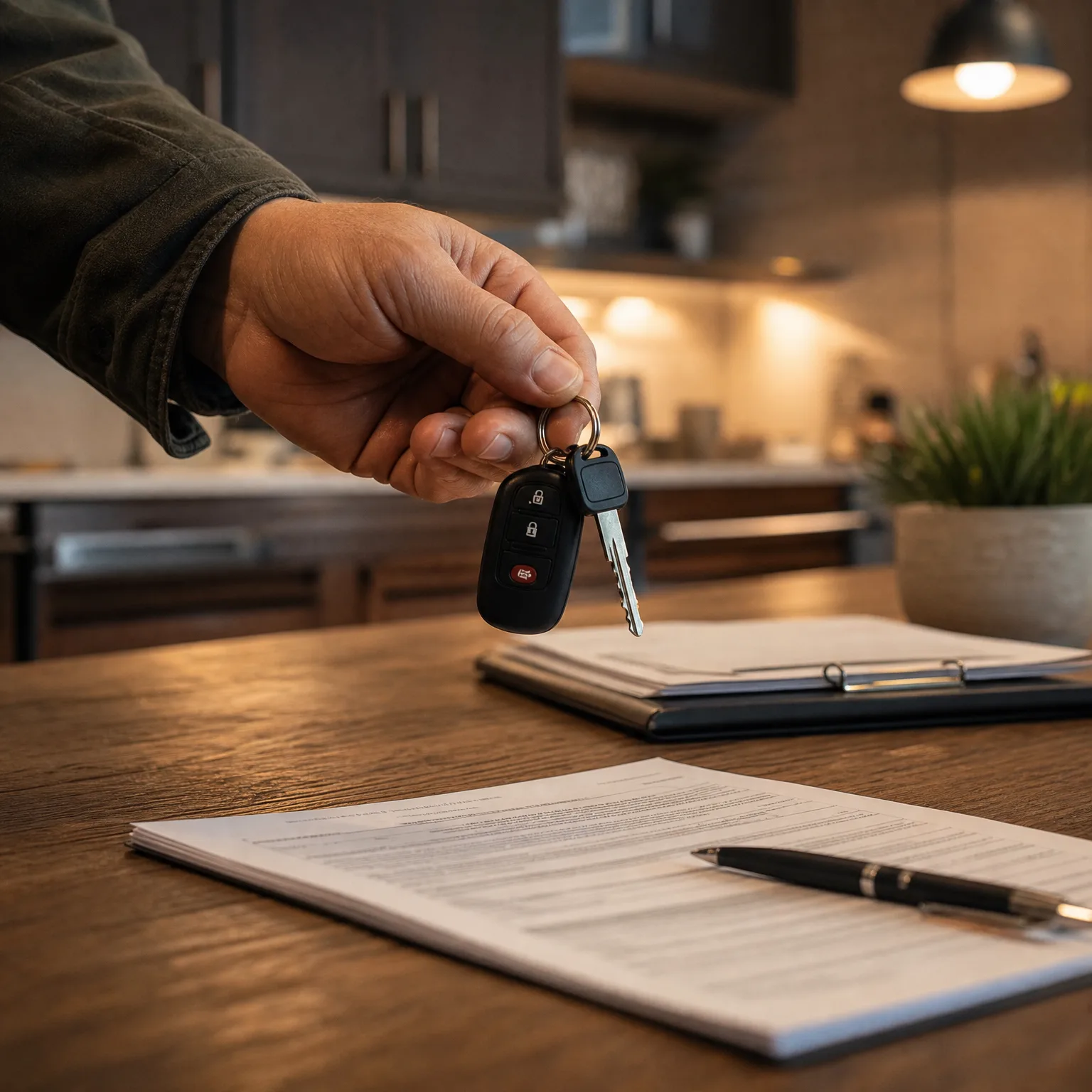
Non-Owner SR-22 Keeps You Compliant Without Owning a Car
Non-owner SR-22 policies exist specifically for this situation. They provide liability coverage when you drive a car you don't own — a rental, a borrowed vehicle, a friend's car — and maintain the SR-22 filing with the DMV so your license stays valid.
Non-owner policies cost significantly less than standard auto insurance because they don't cover a specific vehicle for collision or comprehensive damage. Expect monthly premiums between $30 and $80 depending on your violation history and state. Carriers writing non-owner SR-22 include Progressive, The General, and National General in most states.
If you sell your car mid-filing and don't plan to buy another immediately, switching to a non-owner policy the same day your standard policy cancels prevents any lapse. Most carriers can bind non-owner coverage within 24 hours and file the SR-22 electronically.

How to Transfer Your SR-22 Filing Without a Coverage Gap
Do not cancel your current policy before your replacement coverage is active. Even a one-day gap triggers a lapse notification. Contact a carrier that writes non-owner SR-22 in your state at least three business days before you plan to sell your car.
Provide the effective date you need — typically the day after your current policy cancels. The new carrier will file an SR-22 with the DMV on the effective date. Once the new filing is on record, you can safely cancel your original policy. Most DMVs process electronic SR-22 filings within 24 to 48 hours, but do not rely on same-day processing.
If you're financing your car, your lender requires comprehensive and collision coverage until the loan is paid off. Selling a financed car releases that requirement, making non-owner coverage an option immediately.

Get Your SR-22 Even Without a Car
Get SR-22 Quotes NowWhat Happens If Your SR-22 Lapses During the Sale
Your insurer is legally required to notify the DMV within 24 hours of policy cancellation. The DMV will suspend your license, typically within 10 to 15 days of receiving the lapse notice. You'll receive a suspension notice by mail, but by the time it arrives, your license is often already invalid.
Reinstating after a lapse requires purchasing new SR-22 insurance, paying a reinstatement fee (commonly $50 to $200), and in many states, restarting your entire SR-22 filing period from scratch. A lapse also adds another suspension to your driving record, which increases your insurance rates further.
Some states allow a brief grace period — typically 10 to 30 days — before the suspension becomes final, but not all do. Relying on a grace period is a risk. The safest path is overlap: have your new non-owner policy active before your old policy ends.

Buying Another Car Later During Your SR-22 Period
If you buy a car while you're on a non-owner SR-22 policy, you must switch to a standard auto policy that covers the new vehicle. Contact your insurer as soon as you take possession. Most carriers can add the vehicle and update your SR-22 filing the same day.
Your SR-22 filing transfers to the new policy automatically as long as there's no gap in coverage. The filing period clock continues from where it was — you don't start over unless you let coverage lapse. If you're switching carriers, request that the new carrier file an SR-22 before you cancel the old non-owner policy.
Some drivers maintain both a non-owner policy and a standard auto policy briefly during the transition to avoid any filing gap. This costs more for a few days but eliminates suspension risk.
Frequently Asked Questions
Can I cancel my car insurance if I sell my car while on SR-22?
You can cancel the policy, but you must have replacement SR-22 coverage active first. A gap of even one day triggers a lapse notice to the DMV, which suspends your license and often resets your entire filing period. Switch to a non-owner SR-22 policy before canceling your current coverage.
Does selling my car end my SR-22 requirement early?
No. SR-22 is tied to your driver's license, not the vehicle you own. The state requires you to maintain SR-22 for the full court-ordered or DMV-ordered period regardless of whether you own a car.
How much does non-owner SR-22 insurance cost?
Non-owner SR-22 policies typically cost $30 to $80 per month depending on your violation history and state. This is significantly cheaper than standard auto insurance because it only provides liability coverage when you drive a car you don't own.
What happens if my SR-22 lapses when I sell my car?
Your insurer notifies the DMV within 24 hours of cancellation. The DMV suspends your license, usually within 10 to 15 days. Reinstating requires new SR-22 insurance, a reinstatement fee, and in most states, restarting your entire filing period from zero.
Can I drive without insurance after selling my car if I have SR-22?
No. You must maintain continuous SR-22 coverage for the entire filing period even if you don't own a car. If you don't own a vehicle, a non-owner SR-22 policy keeps your filing active and your license valid.
Related Articles
How to Switch Owner SR-22 to Non-Owner When You Sell
5/18/2026

SR-22 During Incarceration: Filing Requirements Explained
5/18/2026

SR-22 Cost When You Remove a Vehicle Mid-Filing
5/18/2026

SR-22 When Your Only Car Is Totaled: What to Do Now
5/18/2026
Non-Owner SR-22 Without a Car: How It Works
5/18/2026

Can I Get SR-22 With No License? Non-Owner Filing
5/18/2026