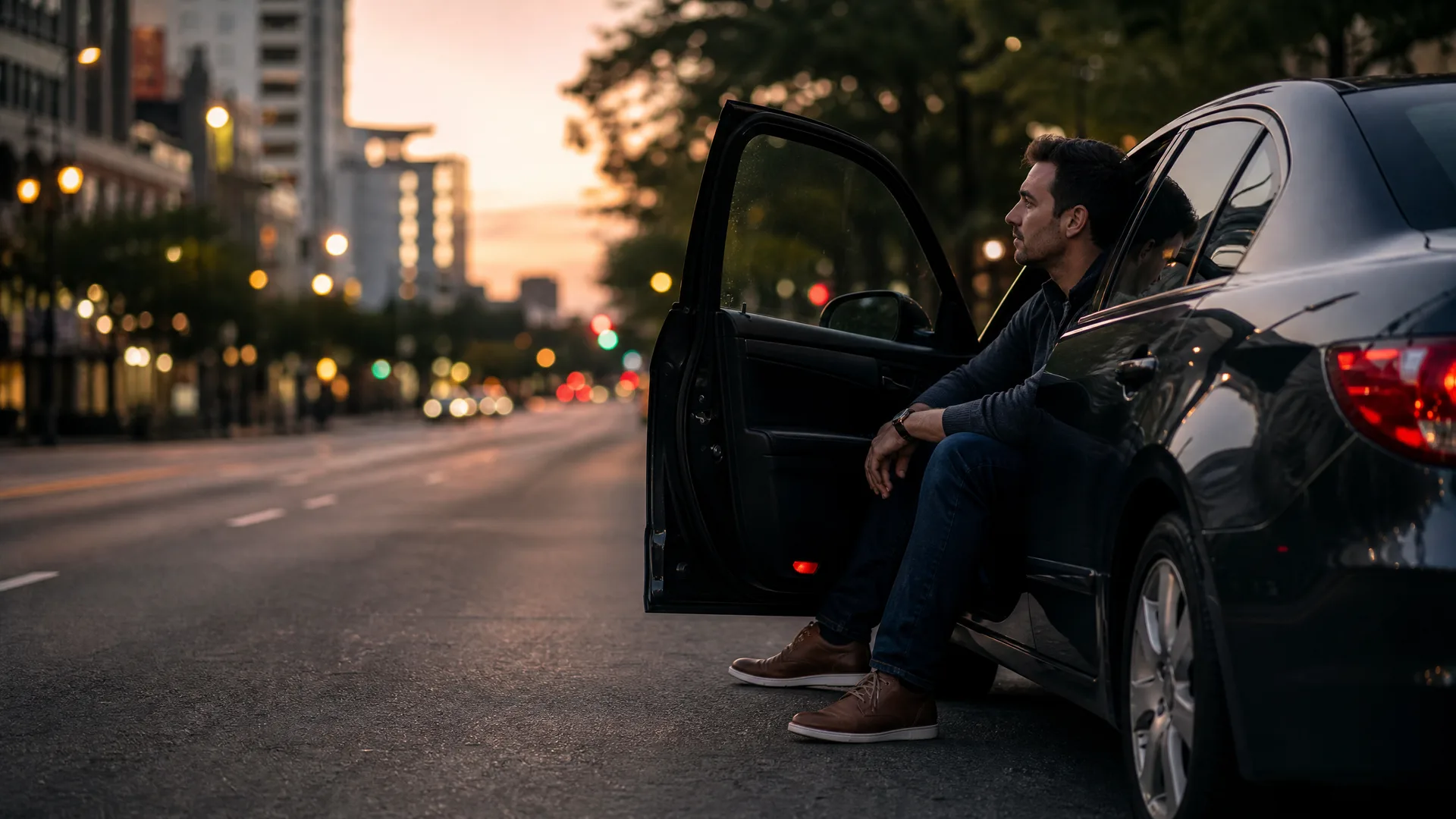
How to Get Non-Owner SR-22 Without Owning a Vehicle
Get SR-22 Quotes NowWhat Non-Owner SR-22 Insurance Actually Covers
Non-owner SR-22 is a liability-only policy that maintains your state-mandated SR-22 filing without requiring you to own or register a vehicle. It covers bodily injury and property damage you cause while driving someone else's car, a rental, or a borrowed vehicle.
The policy meets your state's minimum liability limits — typically $25,000/$50,000/$25,000 in most states — and your insurer electronically files the SR-22 certificate with your DMV within 24 to 72 hours of policy activation. Your filing period clock starts the day your state receives that certificate, not the day you purchase the policy.
Non-owner SR-22 does not cover damage to the vehicle you're driving. That coverage comes from the vehicle owner's collision and comprehensive policy. If you borrow a car regularly, verify the owner carries adequate collision coverage before assuming you're protected.

Why Non-Owner SR-22 Costs 40–60% Less Than Standard SR-22
Standard SR-22 policies include liability, collision, and comprehensive coverage on a registered vehicle you own. Non-owner SR-22 strips out collision and comprehensive, leaving only the liability layer required to maintain your filing.
Typical monthly premiums for non-owner SR-22 range from $45 to $95 per month for drivers with one DUI and no other violations. Standard SR-22 on an owned vehicle with full coverage typically runs $150 to $280 per month for the same driver profile. The difference is collision and comprehensive premium — you're not insuring a specific vehicle against physical damage.
Carriers also view non-owner policies as lower risk. You're not driving daily, you're not commuting, and the vehicle you occasionally borrow already carries its own physical damage coverage. That reduced exposure translates to lower liability premium.
How to Set Up Non-Owner SR-22 in Four Steps
Call a carrier that writes non-owner SR-22 policies in your state and request a non-owner liability quote with SR-22 filing. Not all carriers write non-owner policies — Progressive, The General, and National General actively write this product in most states, while State Farm and GEICO route non-owner business to specialty subsidiaries or decline it entirely.
Provide your driver's license number, SR-22 filing requirement documentation from your DMV, and the specific violation that triggered your filing requirement. The carrier prices your policy based on your violation type, filing duration, and state minimum liability limits. Request a quote at your state minimum and at 50/100/50 limits to see the cost difference — the higher limit typically adds $8 to $15 per month and protects you from at-fault liability claims that exceed your state's minimum.
Pay your first month's premium and any carrier filing fee — typically $15 to $50 depending on state and carrier. Your policy activates immediately, and the carrier files your SR-22 certificate electronically with your DMV within 24 to 72 hours. Request a copy of the filed SR-22 for your records — if your DMV disputes receiving the filing, your copy serves as proof of transmission.
Maintain continuous coverage for your full filing period without any lapses. A single missed payment triggers an SR-22 lapse notice to your DMV, which typically resets your filing clock to zero and adds a suspension extension. Set up automatic payment if your carrier offers it.
Get Your SR-22 Even Without a Car
Get SR-22 Quotes NowWhen Non-Owner SR-22 Doesn't Work
Non-owner SR-22 does not satisfy your filing requirement if you own a registered vehicle in your name. Most states require you to carry SR-22 on every vehicle you own, and your DMV will reject a non-owner SR-22 filing if their records show an active vehicle registration under your name.
If you live with a family member who owns a car and you drive it regularly — more than 12 times per year in most states — you need to be listed as a rated driver on that vehicle's policy with SR-22 endorsement. Non-owner policies explicitly exclude regular use of a household vehicle. Carriers discover this during claims investigation, and coverage is denied if you misrepresented your access to a household car.
Non-owner SR-22 also fails if your state requires an ignition interlock device as part of your DUI reinstatement. You cannot install an interlock on a vehicle you don't own. States requiring interlock — typically for second DUIs or BAC over 0.15 — mandate that you own or lease a vehicle, install the device, and carry SR-22 on that specific vehicle for the duration of your interlock period.
How Your Filing Period Works Without Owning a Vehicle
Your SR-22 filing period runs from the date your DMV receives your carrier's electronic filing, not the date you purchase your policy. Most states require 3 years of continuous SR-22 filing after a DUI conviction, measured from conviction date or reinstatement date depending on your state's statute.
If you let your non-owner SR-22 policy lapse even one day, your carrier sends an SR-26 cancellation notice to your DMV within 10 days. Your state typically suspends your license again within 30 days of receiving that SR-26, and your 3-year filing clock resets to zero in most states. You must pay a new reinstatement fee — $150 to $650 depending on state — and restart your filing period from the date of your new SR-22 submission.
Some states allow hardship or restricted licenses during your SR-22 period. Non-owner SR-22 satisfies the insurance filing requirement for a restricted license, but you still must meet your state's hardship eligibility criteria — typically proof of employment, medical appointments, or court-ordered obligations that require driving. Your non-owner policy does not automatically grant you driving privileges beyond what your DMV approves.

Switching from Non-Owner SR-22 to Standard SR-22 When You Buy a Vehicle
When you purchase or register a vehicle during your SR-22 filing period, notify your non-owner carrier immediately. You cannot maintain a non-owner SR-22 once you own a registered vehicle — your state will reject the filing or suspend your registration until you move your SR-22 to a standard policy on your owned vehicle.
Your carrier can convert your non-owner policy to a standard policy on your new vehicle without breaking SR-22 continuity. The conversion happens the same day if you provide your VIN, purchase date, and vehicle details during the call. Your SR-22 filing transfers to the new policy, your filing period clock continues without interruption, and no new filing fee applies in most cases.
If you switch carriers when you buy a vehicle, coordinate the timing carefully. Your new carrier must file your SR-22 on the same day your old non-owner policy cancels — a gap of even 24 hours triggers a lapse notice. Request that your new carrier file the SR-22 one business day before your non-owner policy end date, then cancel your non-owner policy the day after you confirm your new SR-22 was received by your DMV.
Frequently Asked Questions
Can I get non-owner SR-22 if I never owned a car?
Yes. Non-owner SR-22 is designed for drivers who don't own a registered vehicle but still need to maintain an SR-22 filing to satisfy a court order, DMV suspension, or license reinstatement requirement. Your carrier files the SR-22 certificate with your state regardless of whether you previously owned a car.
How much does non-owner SR-22 cost per month?
Non-owner SR-22 typically costs $45 to $95 per month for a driver with one DUI and no other violations, depending on state and carrier. Drivers with multiple violations or a DUI plus an at-fault accident may pay $85 to $140 per month. Add $15 to $50 for the one-time carrier SR-22 filing fee.
What happens if I buy a car while on non-owner SR-22?
You must switch to a standard SR-22 policy on your newly registered vehicle. Non-owner SR-22 does not cover vehicles you own. Contact your carrier the day you register the vehicle to convert your policy without breaking SR-22 filing continuity — a lapse resets your filing period and triggers a license suspension in most states.
Does non-owner SR-22 cover rental cars?
Yes. Non-owner SR-22 provides liability coverage when you drive a rental car, a borrowed car, or any vehicle you don't own. It does not cover physical damage to the rental — you need the rental company's collision damage waiver or a separate rental coverage endorsement for that.
Can I cancel non-owner SR-22 before my filing period ends?
No. Canceling your non-owner SR-22 policy before your state-mandated filing period ends triggers an SR-26 lapse notice to your DMV, which suspends your license and resets your filing clock to zero in most states. You must maintain continuous coverage for your full filing period — typically 3 years after a DUI.
Related Articles
Non-Owner SR-22 Cost Without a Car
6/8/2026
Non-Owner SR-22 Without a Car: How It Works
5/18/2026

Lowest Non-Owner SR-22 Monthly Cost With Minimum Limits
6/8/2026
Owner vs Non-Owner SR-22: Cost & Coverage Differences
5/18/2026

Non-Owner SR-22 Cost Per Month in California
6/8/2026
Do I Need SR-22 If I Don't Own a Car? Non-Owner Filing
5/18/2026