
Minimum vs Higher Limits for Non-Owner SR-22 Insurance
Get SR-22 Quotes NowWhy Minimum Limits Create Expensive Problems for High-Risk Non-Owner Filers
Non-owner SR-22 policies exist solely to provide liability coverage when you drive a vehicle you don't own — a rental, borrowed car, or employer vehicle. Because there's no physical asset to insure, premiums run lower than standard auto policies, and most drivers default to state minimum liability limits to keep costs down. For someone already carrying a DUI or multiple violations, that choice feels rational: file the SR-22, meet the legal requirement, pay the lowest possible premium.
The problem emerges after your next at-fault accident. State minimum liability limits in most states run $25,000 per person for bodily injury and $25,000 per incident for property damage — enough to cover a fender-bender, but nowhere near sufficient if you injure another driver or total a newer vehicle. When your liability claim exceeds your policy limit, you become personally responsible for the difference. A $40,000 injury claim with $25,000 coverage leaves you liable for $15,000 out of pocket, and that judgment follows you for years.
Carriers also treat low-limit claims differently for high-risk drivers. If you already have a DUI or at-fault accident on record and file another claim — even a small one — non-standard insurers view you as a repeat risk. The rate increase triggered by that second incident is typically 40–60% higher for drivers with existing violations than it would be for someone with a clean record. You're penalized twice: once for the claim itself, and again because your profile already marked you as high-risk.

What Higher Limits Actually Cost on a Non-Owner SR-22 Policy
The monthly premium difference between state minimum liability and higher limits on a non-owner SR-22 policy is smaller than most drivers expect. State minimum coverage for a DUI filer typically runs $50–80/month with non-standard carriers. Increasing liability limits to $100,000 per person / $300,000 per incident for bodily injury and $100,000 for property damage adds roughly $8–15/month to that base premium. Over a three-year SR-22 filing period, that's $288–540 in additional cost.
Compare that to the financial exposure of a single at-fault accident. The average bodily injury claim in the U.S. runs approximately $20,000, according to the Insurance Information Institute, but serious injury claims routinely exceed $50,000. Property damage claims for newer vehicles can hit $30,000 or more. If you cause an accident with $60,000 in combined injury and property damage and carry only $25,000 in coverage, you're personally liable for $35,000 — more than 60 times the annual cost of higher limits.
Most non-standard carriers writing SR-22 policies offer incremental limit increases without requiring additional underwriting or proof of financial responsibility. You're already classified as high-risk, so the carrier has priced in your violation history. The marginal cost of higher limits reflects the statistical probability of a large claim, not a reassessment of your driving record.

How Carriers Treat Claims from Drivers with Violations Already on Record
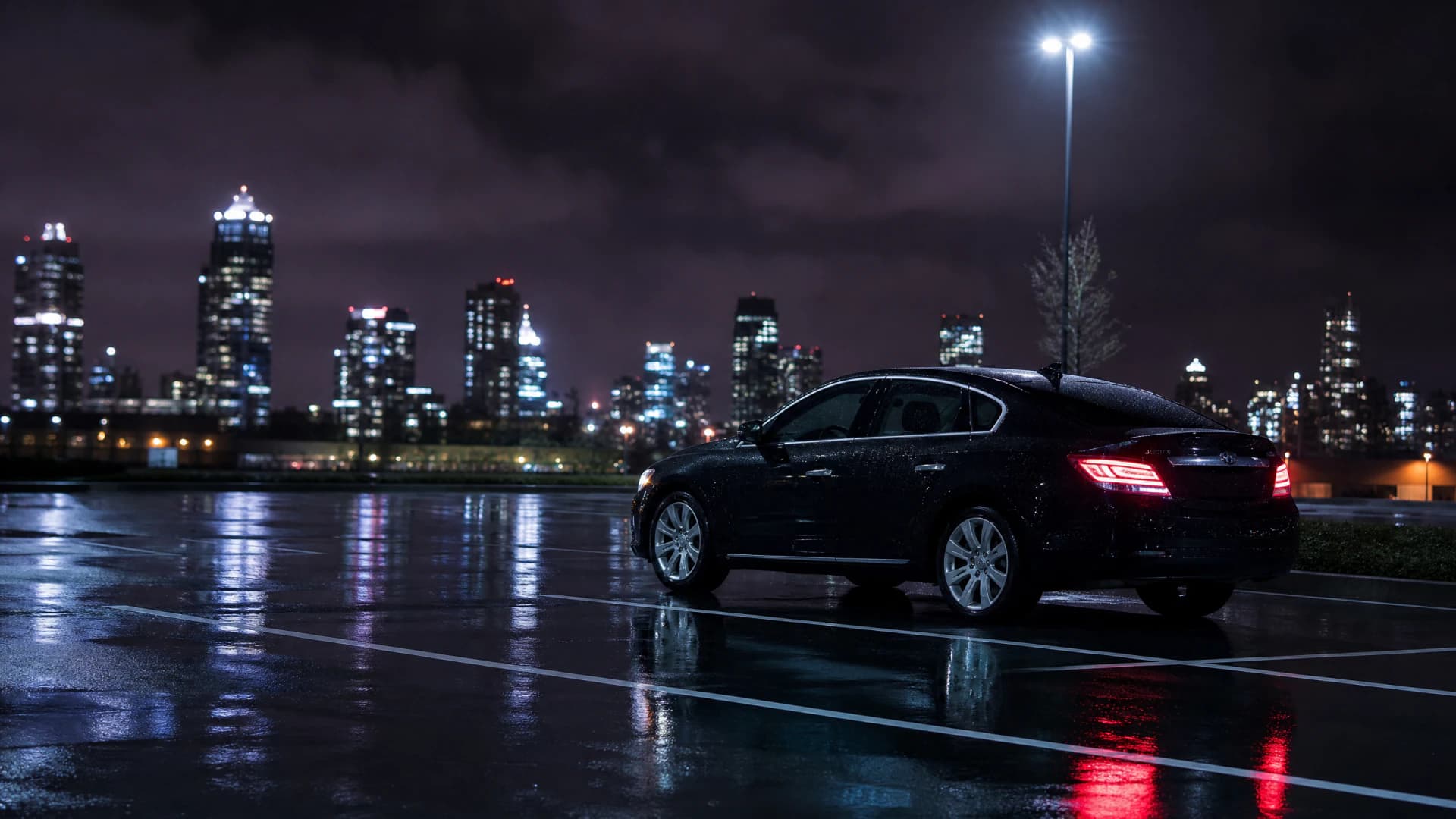
When a driver with a clean record files a first-time at-fault claim, carriers typically apply a rate increase of 20–40% at renewal. When a driver with a DUI or multiple violations files a claim — even a minor one — that increase jumps to 50–80% or more. Non-standard insurers assign higher penalties to repeat incidents because their actuarial models show that drivers with existing violations are statistically more likely to file additional claims within the next 36 months.
Low-limit claims amplify this problem. If you carry minimum coverage and cause an accident that results in a $30,000 injury claim, your insurer pays the $25,000 policy maximum, and the injured party pursues you personally for the remaining $5,000. That unpaid balance can lead to a lawsuit, wage garnishment, or liens against future assets. Even if you avoid legal action, the claim stays on your record, and the carrier treats it as a full at-fault incident when calculating your next premium.
Higher limits reduce the likelihood that a single accident results in both a rate increase and personal financial liability. If you carry $100,000 in bodily injury coverage, that same $30,000 claim is fully covered by your policy, the injured party has no reason to pursue you personally, and the carrier processes it as a standard claim. Your rate still increases — you're still responsible for the accident — but you avoid the compounding damage of an out-of-pocket settlement and potential legal judgment.

Get Your SR-22 Even Without a Car
Get SR-22 Quotes NowWhen Minimum Coverage Makes Sense and When It Doesn't
Minimum liability limits are defensible in narrow circumstances: you have no assets to protect, you drive infrequently, you're filing SR-22 solely to reinstate a suspended license and don't plan to drive regularly, or you genuinely cannot afford the incremental $10–15/month for higher coverage. If your immediate goal is reinstatement and you'll be off the road within weeks, paying for higher limits offers little practical benefit.
But if you're driving regularly — commuting to work, using rental cars for business, borrowing vehicles from family — the risk profile changes. Non-owner SR-22 policies activate every time you drive a vehicle you don't own, which means every trip to the grocery store, every borrowed car for a weekend errand, and every rental during a work trip puts you at risk of liability exposure. One at-fault accident with injuries can eliminate years of premium savings from choosing minimum coverage.
Drivers with prior violations also face shorter timelines to rate normalization. If you're three years into a five-year DUI lookback period and file a new at-fault claim, that claim resets part of your risk profile. Carriers view you as someone who continues to generate incidents, not someone whose past violation is aging out. Higher limits don't prevent accidents, but they prevent accidents from becoming financial catastrophes that further entrench you in the non-standard market.

How to Compare Non-Owner SR-22 Quotes with Different Liability Limits
When requesting non-owner SR-22 quotes, ask for at least two liability limit structures: state minimum and $100,000/$300,000/$100,000. Most non-standard carriers provide both options without additional underwriting. Compare the monthly premium difference and calculate the total additional cost over your required SR-22 filing period — typically three years for DUI filers and one to three years for other violations.
Look beyond the base premium. Some carriers offer higher limits at minimal additional cost because their actuarial models show that drivers who select higher coverage file fewer frivolous claims and settle disputes more efficiently. Other carriers price higher limits aggressively because they assume high-risk drivers won't pay for them. If the monthly difference exceeds $20, request quotes from additional non-standard insurers — the pricing spread can vary significantly.
Verify that the higher-limit policy includes the same SR-22 filing at no additional fee. Most carriers bundle the SR-22 certificate filing into the policy at a one-time cost of $15–50, but a few assess separate filing fees for each coverage tier. If you're paying $25 to file state minimum SR-22 and another $25 to file higher-limit SR-22, the incremental cost calculation changes. Confirm all fees upfront before binding coverage.
What Happens After an At-Fault Accident with Minimum Non-Owner Coverage
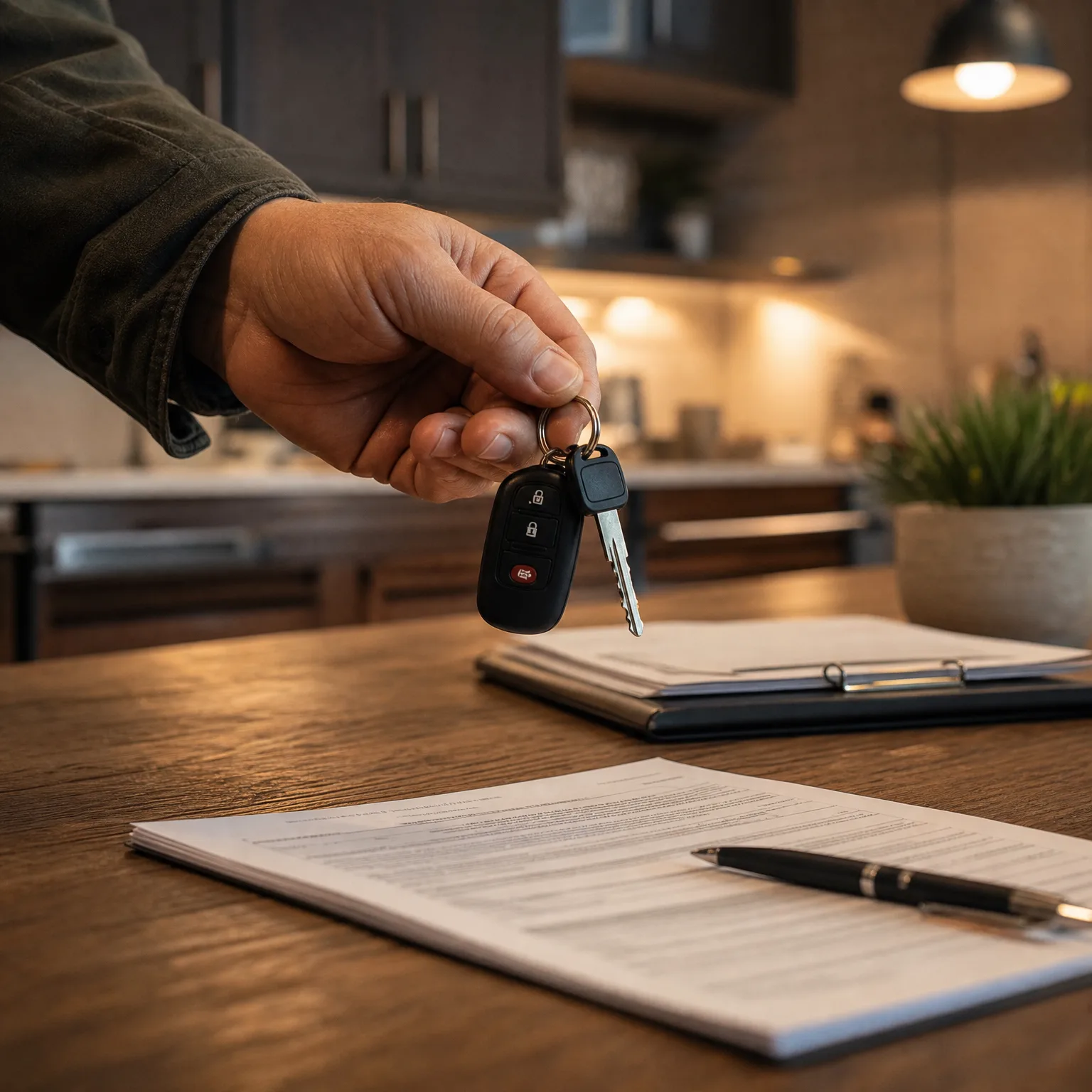
If you cause an at-fault accident while driving a borrowed or rental vehicle and your non-owner SR-22 policy carries only state minimum limits, your insurer pays up to the policy maximum for bodily injury and property damage. Any costs beyond that become your personal responsibility. The injured party can sue you directly, seek a judgment, and pursue wage garnishment or asset liens to collect the unpaid balance.
That judgment also appears on your driving record and credit report, compounding the damage. Non-standard carriers reviewing your file for renewal see both the at-fault accident and the unsatisfied judgment, which signals inability to cover liabilities. Some carriers non-renew policies after low-limit claims that result in lawsuits, forcing you into even higher-cost assigned risk plans or state-backed insurer pools.
Even if the accident doesn't result in a lawsuit, the claim itself triggers a rate increase at your next renewal. For a driver with a DUI already on record, expect a 50–80% premium increase after a second at-fault incident. If your current non-owner SR-22 policy costs $60/month, that jumps to $90–108/month — an additional $360–576 per year. Over the remaining duration of your SR-22 filing period, that increase easily exceeds the cost of having carried higher limits from the start.
Frequently Asked Questions
Can I increase my non-owner SR-22 liability limits after I already bought the policy?
Yes, most non-standard carriers allow mid-term endorsements to increase liability limits on an active non-owner SR-22 policy. The carrier will calculate a prorated premium adjustment and issue an updated SR-22 certificate to your state DMV if required. Contact your insurer directly to request the change — some process it within 24–48 hours.
Do higher liability limits on a non-owner SR-22 policy help my rate go down faster?
Not directly, but they can prevent rate increases from future at-fault claims. Your base premium is determined by your violation history and SR-22 requirement, not your coverage limits. However, if you cause an accident with higher limits in place, you're less likely to face out-of-pocket liability or lawsuits that could trigger non-renewal or force you into assigned risk pools with even higher premiums.
Will a rental car company's insurance cover me if I have non-owner SR-22 with minimum limits?
Rental car damage waivers typically cover the vehicle itself, but liability coverage for injuries and property damage you cause to others falls on your non-owner SR-22 policy. If your policy carries only state minimum limits and you cause a serious accident in a rental, you're personally liable for any damages that exceed your coverage. Higher limits on your non-owner policy protect you in this scenario.
What liability limits should I carry if I'm borrowing a friend's car regularly with a non-owner SR-22?
Carry at least $100,000/$300,000/$100,000 if you're driving regularly, especially if the vehicle owner has their own auto policy with higher limits. If you cause an at-fault accident, your non-owner policy pays first, and the vehicle owner's policy becomes secondary. If your limits are too low, the claim could exhaust both policies and leave both you and the vehicle owner liable for unpaid damages.
Does my non-owner SR-22 rate go up more if I have a DUI and then file a claim with minimum coverage?
Yes, carriers apply steeper rate increases to drivers with existing violations who file new claims, especially if those claims involve low coverage limits and personal liability exposure. A driver with a DUI who files a low-limit claim can see rate increases of 50–80% or more at renewal, compared to 20–40% for a clean-record driver filing a first claim. Higher limits reduce the likelihood that a claim results in lawsuits or unpaid judgments that further worsen your risk profile.
Related Articles
SR-22 for Snowbirds: Filing Between Two States
5/18/2026

SR-22 for Motorcycle-Only Owners: Non-Owner Filing Guide
5/18/2026

Route Restricted License + SR-22 in South Carolina
5/18/2026

SR-22 and Florida FAJUA: What Replaced the State Pool
5/18/2026
Out-of-State DUI: Which State Files Your SR-22?
5/18/2026

SR-22 vs FR-44 in Virginia: Bodily Injury Minimum Gap
5/18/2026