
Non-Owner FR-44 in Florida: When You Need It Without a Car
Get SR-22 Quotes NowWhat Non-Owner FR-44 Insurance Covers in Florida
Non-owner FR-44 is liability-only coverage for drivers who don't own a vehicle but must prove financial responsibility to the Florida DMV after a DUI or refusal. The policy covers bodily injury and property damage you cause while driving a borrowed or rental vehicle, and it includes the FR-44 certificate filing that the state monitors for compliance.
Florida mandates 100/300/50 minimum liability limits for FR-44 filers — $100,000 per person injured, $300,000 per accident, and $50,000 property damage. Standard SR-22 states typically require only 25/50/25, which is why FR-44 premiums run significantly higher even for the same driver profile.
The policy does not cover vehicles you own, vehicles registered in your name, or vehicles you drive regularly with the owner's permission (those require an owner policy with FR-44 endorsement). If you purchase a car while the non-owner policy is active, you must notify your carrier immediately and convert to an owner policy — keeping the same FR-44 filing active.

When Florida Requires FR-44 Filing Without Vehicle Ownership
Florida's DMV issues an FR-44 requirement after any DUI conviction, refusal to submit to testing, or DUI with serious bodily injury — regardless of whether you own a car. The filing requirement begins on your reinstatement eligibility date, not your conviction date, and runs for 3 years of continuous coverage without lapses.
If your license is suspended for 6 months and you're eligible for hardship reinstatement after 30 days, your FR-44 clock starts the day you file for hardship reinstatement — not when your full license is restored. Most drivers assume the 3-year period begins at full reinstatement and end up filing 6–12 months longer than required.
You cannot legally drive in Florida during a hard suspension period even with non-owner FR-44 active. The policy and filing are required to apply for reinstatement, but they don't grant driving privileges. Once the DMV approves your hardship or full reinstatement and issues a valid license, the FR-44 filing becomes enforceable and any lapse resets your 3-year clock to day one.


What Non-Owner FR-44 Costs in Florida After a DUI
Non-owner FR-44 policies in Florida typically cost $800–$1,400 per year after a first DUI, depending on age, county, and how recently the conviction occurred. Drivers under 25 or with multiple violations can expect $1,600–$2,200 annually. The higher liability limits required by FR-44 add roughly $300–$500 per year compared to equivalent non-owner SR-22 policies in other states.
The FR-44 certificate filing itself costs $15–$25 through your insurance carrier, paid once at policy inception and again if you switch carriers. Florida charges separate DMV reinstatement fees — $475 for DUI administrative suspension and $500 for DUI conviction suspension — which are not included in your insurance premium.
Monthly payment plans are standard but typically add 10–15% annually in installment fees. If you pay in full upfront, most non-standard carriers offer a 5–8% paid-in-full discount. Rates drop gradually as the conviction ages: expect a 20–30% decrease at the 3-year mark and another 15–20% reduction once the DUI falls off your record after 5–7 years, depending on the carrier.

Get Your SR-22 Even Without a Car
Get SR-22 Quotes NowWhich Carriers Write Non-Owner FR-44 in Florida
Most standard carriers (GEICO, Progressive, State Farm) will not write non-owner FR-44 policies in Florida. The non-standard market is limited to roughly a dozen carriers actively writing this coverage, including The General, Acceptance, Alliance, and National General. Regional carriers like Direct Auto and SafeAuto also write non-owner FR-44 but availability varies by county.
Not all non-standard carriers that write owner FR-44 policies will write non-owner versions. Progressive will write owner FR-44 in Florida but refers non-owner FR-44 applicants to their non-standard affiliate or declines coverage entirely. This is because non-owner policies produce lower premiums and higher administrative costs relative to risk exposure.
Carrier appetite changes quarterly based on loss ratios and state filing volume. If the first carrier you contact declines or quotes above $2,000 annually, request quotes from at least three additional non-standard carriers. Rate spreads between the lowest and highest quote for the same driver profile routinely exceed $600 per year in Florida's FR-44 market.

How to Maintain Continuous FR-44 Filing for 3 Years
Your insurance carrier electronically files your FR-44 certificate with the Florida DMV within 24–48 hours of policy inception. The state monitors your coverage continuously — any lapse, cancellation, or non-renewal triggers an automatic license suspension and resets your 3-year filing requirement to day one.
If you switch carriers during your 3-year filing period, the new carrier must file an FR-44 certificate before your existing policy cancels. Florida requires continuous coverage with zero-day gaps. A single day without active FR-44 on file is treated as a lapse, even if you maintain coverage without the FR-44 endorsement. Most carriers will not backdate coverage to close a gap.
Set a calendar reminder 45 days before each renewal. If your carrier non-renews you or raises rates significantly, start shopping immediately. Non-standard carriers frequently non-renew FR-44 policies after the first term if the driver files any claim or receives another citation. Have a backup carrier identified before your renewal date — waiting until the week of expiration leaves you vulnerable to lapses if replacement coverage takes longer than expected.
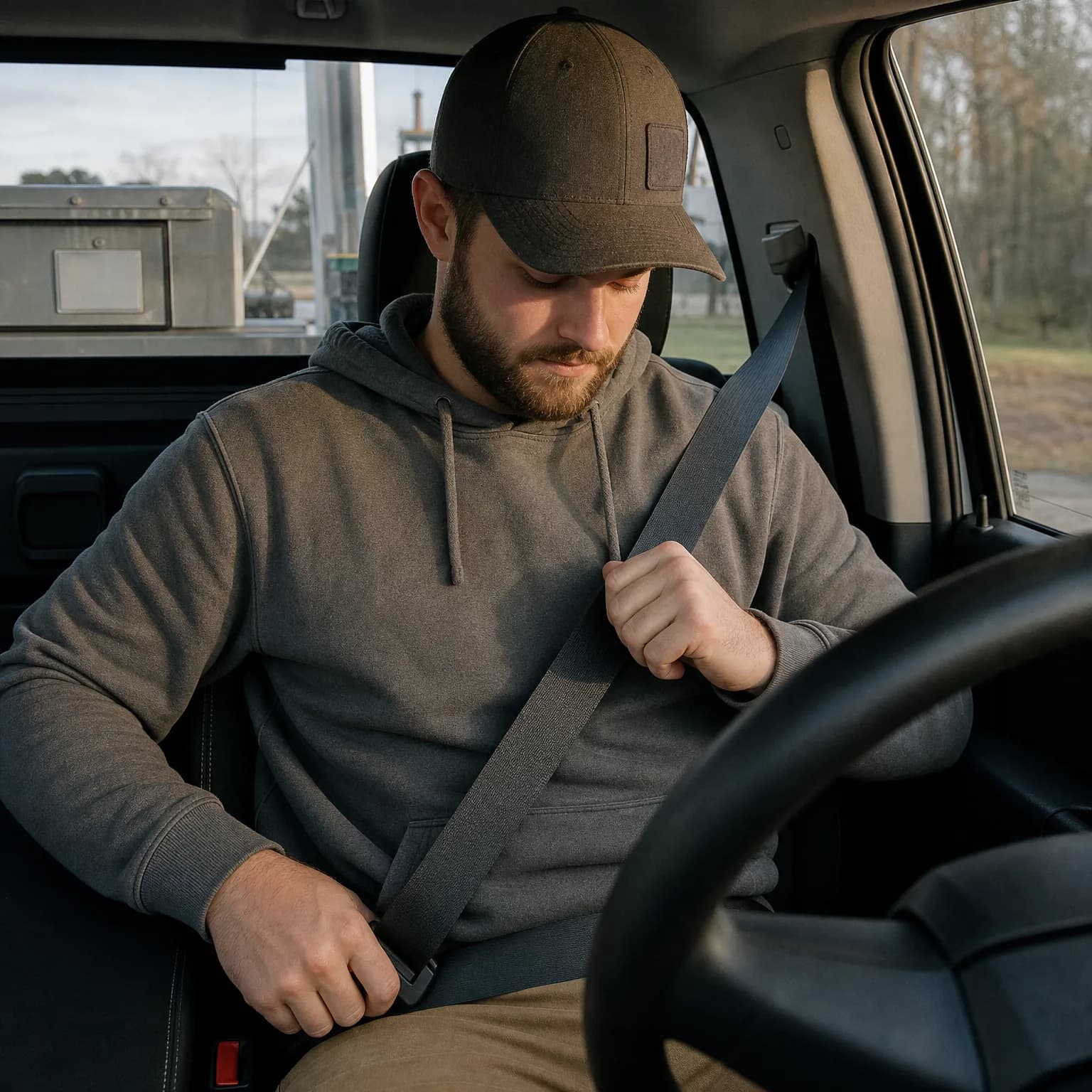
Converting to Owner FR-44 When You Buy a Vehicle
The moment you purchase a vehicle or register a car in your name, your non-owner FR-44 policy becomes invalid for that vehicle. You must notify your carrier within 30 days and convert to an owner policy with FR-44 endorsement. The FR-44 filing transfers to the new policy seamlessly if processed correctly — the 3-year clock does not reset.
Most carriers will allow you to add the vehicle to your existing non-owner policy and convert it mid-term, prorating the premium difference. If your current carrier does not write owner FR-44 policies or declines to add the vehicle, you'll need to switch carriers. In that case, coordinate the new policy effective date to match your non-owner cancellation date exactly to avoid a filing gap.
Do not drive the newly purchased vehicle under the assumption your non-owner policy covers it temporarily. Non-owner policies explicitly exclude vehicles owned by the policyholder or registered household members. If you're in an at-fault accident during this period, you have no liability coverage and the Florida DMV will suspend your license for failure to maintain FR-44 — restarting your 3-year requirement.
Frequently Asked Questions
Can I get non-owner FR-44 insurance while my license is still suspended in Florida?
Yes, you can purchase a non-owner FR-44 policy during a hard suspension period — in fact, you must have it active before applying for hardship or full reinstatement. The policy and filing don't grant driving privileges, but the DMV requires proof of FR-44 coverage as part of the reinstatement application process.
What happens if my non-owner FR-44 policy lapses in Florida?
Any lapse in FR-44 coverage triggers automatic license suspension and resets your entire 3-year filing requirement to day one. Florida monitors FR-44 status electronically and reports lapses within 24 hours. You'll need to reinstate your license again, pay new reinstatement fees, and restart the 3-year continuous filing clock.
Does non-owner FR-44 cover rental cars in Florida?
Yes, non-owner FR-44 policies provide liability coverage when you drive a rental car, as long as the rental is not used for business purposes. The policy covers bodily injury and property damage you cause while driving the rental, but it does not cover damage to the rental vehicle itself — rental agencies typically offer separate collision damage waivers for that.
How much does it cost to file FR-44 with the Florida DMV?
The FR-44 certificate filing itself costs $15–$25 and is processed by your insurance carrier, not the DMV. Separate from this, Florida charges $475 for DUI administrative suspension reinstatement and $500 for DUI conviction suspension reinstatement. These DMV fees are paid directly to the state and are not included in your insurance premium.
Can I use a non-owner FR-44 policy if I live with someone who owns a car?
Yes, but only if you are explicitly excluded as a driver on the vehicle owner's policy or if the owner's policy lists you as an occasional permissive driver. If you drive the household vehicle regularly, most carriers will require you to be added as a rated driver on the owner's policy rather than maintaining separate non-owner coverage.
Related Articles

SR-22 for Snowbirds: Filing Between Two States
5/18/2026

SR-22 for Motorcycle-Only Owners: Non-Owner Filing Guide
5/18/2026

Route Restricted License + SR-22 in South Carolina
5/18/2026
SR-22 and Florida FAJUA: What Replaced the State Pool
5/18/2026
Out-of-State DUI: Which State Files Your SR-22?
5/18/2026

SR-22 vs FR-44 in Virginia: Bodily Injury Minimum Gap
5/18/2026