
Non-Owner SR-22 Application: Every Document You Need to Qualify
Get SR-22 Quotes NowWhy Non-Owner Applications Ask Different Questions Than Standard Policies
Non-owner SR-22 policies insure a driver, not a vehicle. That reversal changes what carriers need to verify before issuing coverage. Where a standard auto application confirms vehicle identification numbers, garaging addresses, and titled ownership, a non-owner application requires proof that you do not own a car, do not have regular access to one registered to a household member, and will not be driving for work purposes that require commercial coverage.
Carriers writing non-owner policies assume higher baseline risk. You're filing SR-22, which means a DUI, multiple violations, or a license suspension already appears on your motor vehicle record. The application exists to determine whether you're using non-owner coverage correctly — as liability protection for occasional borrowed-vehicle use — or incorrectly, as a workaround to insure a vehicle you actually own or use daily without disclosing it. Misrepresentation on a non-owner application voids the policy retroactively, which means your SR-22 filing becomes invalid and your suspension period restarts.
Most non-standard carriers process non-owner applications manually, not through automated quote engines. Expect a phone interview, document submission by email or fax, and a 24- to 72-hour underwriting review before approval. That timeline matters if your SR-22 filing deadline is within days of your application.
Personal Information and Driver Profile Data You'll Submit
Every non-owner SR-22 application starts with the same core personal data: full legal name matching your driver's license, date of birth, Social Security number, current residential address, and driver's license number and state of issuance. If your license is currently suspended, you'll provide the suspension order number and reinstatement eligibility date. Carriers verify this information against state DMV records in real time during underwriting.
You'll declare all driving violations, DUIs, at-fault accidents, and license actions from the past three to five years, depending on the carrier's lookback period. Do not omit anything. Carriers pull your motor vehicle record directly from the state, and any discrepancy between what you report and what appears on your MVR triggers an automatic decline or cancellation after issuance. A DUI from 18 months ago that you "forgot" to list will surface during the MVR pull, and the carrier will assume intentional fraud.
Most applications ask whether you've had a coverage lapse in the past 30, 60, or 90 days. A lapse of 30 days or more often triggers a surcharge of 15% to 40% on your premium, even if you weren't driving during that period. If you had prior non-owner coverage that lapsed, provide the prior carrier name, policy number, and lapse reason. If you were incarcerated and had no coverage during that time, disclose it — carriers differentiate between an intentional lapse and inability to maintain coverage while serving a sentence.
Proof You Don't Own or Regularly Use a Vehicle
This is the documentation requirement unique to non-owner policies. Carriers need confirmation that you do not own a vehicle titled in your name, do not co-own a vehicle with a spouse or household member, and do not have regular access to a vehicle garaged at your address. The most common proof methods: a signed affidavit stating you do not own a vehicle, a copy of your most recent vehicle registration surrender receipt if you recently sold or totaled your car, or a letter from your state DMV showing no active vehicle registrations in your name.
If you live with someone who owns a car, expect additional questions. Carriers want to know whether you're listed as a rated driver on that person's auto policy, whether you have permission to drive their vehicle regularly, and whether you share that vehicle for commuting or daily errands. If the answer to any of those is yes, most carriers will decline your non-owner application and require you to be added as a rated driver on the vehicle owner's policy instead. Non-owner coverage is not designed to replace being properly rated on a household vehicle.
Some carriers accept a simple checkbox attestation that you don't own a vehicle. Others require a notarized affidavit, especially if you've recently canceled an owned-vehicle policy within the past 90 days. If you're applying within 30 days of selling or surrendering a vehicle, bring the bill of sale, title transfer documentation, or total-loss settlement letter from your prior insurer. That prevents the carrier from assuming you still own the vehicle and simply failed to disclose it.
Employment and Vehicle Use Frequency Details
Non-owner applications ask how often you drive and for what purpose. The standard options: less than once per week, one to three times per week, or daily. If you select daily use, underwriters will question whether non-owner coverage is appropriate. Daily drivers typically need an owned vehicle or should be rated on a household policy, and carriers assume you're either misrepresenting your access to a vehicle or plan to drive borrowed vehicles more than the policy is designed to cover.
If your job requires driving — delivery, rideshare, transportation services, or any role where you operate a vehicle as part of your work duties — non-owner policies will not cover you. You'll need commercial non-owner coverage or to be listed on your employer's commercial auto policy. Personal non-owner SR-22 policies exclude business use, and filing a claim while driving for work purposes will result in a denial and possible policy rescission.
Employment verification sometimes appears on applications if you've disclosed unemployment or irregular income. Carriers use employment status as a proxy for financial stability and claim likelihood. If you're unemployed but maintaining non-owner SR-22 for license reinstatement purposes, expect slightly higher rates — typically 10% to 20% above employed applicants with identical driving records. Some carriers waive this surcharge if you provide proof of regular unemployment benefits or disability income.

Get Your SR-22 Even Without a Car
Get SR-22 Quotes Now
SR-22 Filing Details and State-Specific Requirements
Your application must specify the state requiring SR-22, the filing reason (DUI, multiple violations, at-fault uninsured accident, license reinstatement after suspension), and the filing duration if it was stated in your court order or DMV notice. If you don't know your required filing period, the carrier will use the state's default: three years in most states, five years in California for DUI-related filings, and two years in some states for non-DUI violations.
You'll provide the name and contact information for the state agency or court that ordered your SR-22. The carrier files electronically with that agency within 24 hours of policy issuance in most states. If your state still uses paper SR-22 certificates — rare but not eliminated — expect a three- to seven-day processing window before the filing reaches the DMV. That delay can extend your suspension if you're filing close to a reinstatement deadline.
Some states require higher liability limits for SR-22 filers than for standard drivers. If your violation involved an at-fault accident with injuries, your state may mandate 50/100/50 or 100/300/100 limits instead of the statutory minimum. Your application will either auto-populate those limits based on your filing reason, or the underwriter will adjust them manually after reviewing your order. Do not assume state minimum limits will satisfy your SR-22 requirement — verify the mandated limits in your suspension notice before submitting your application.
Payment Information and Policy Start Date Selection
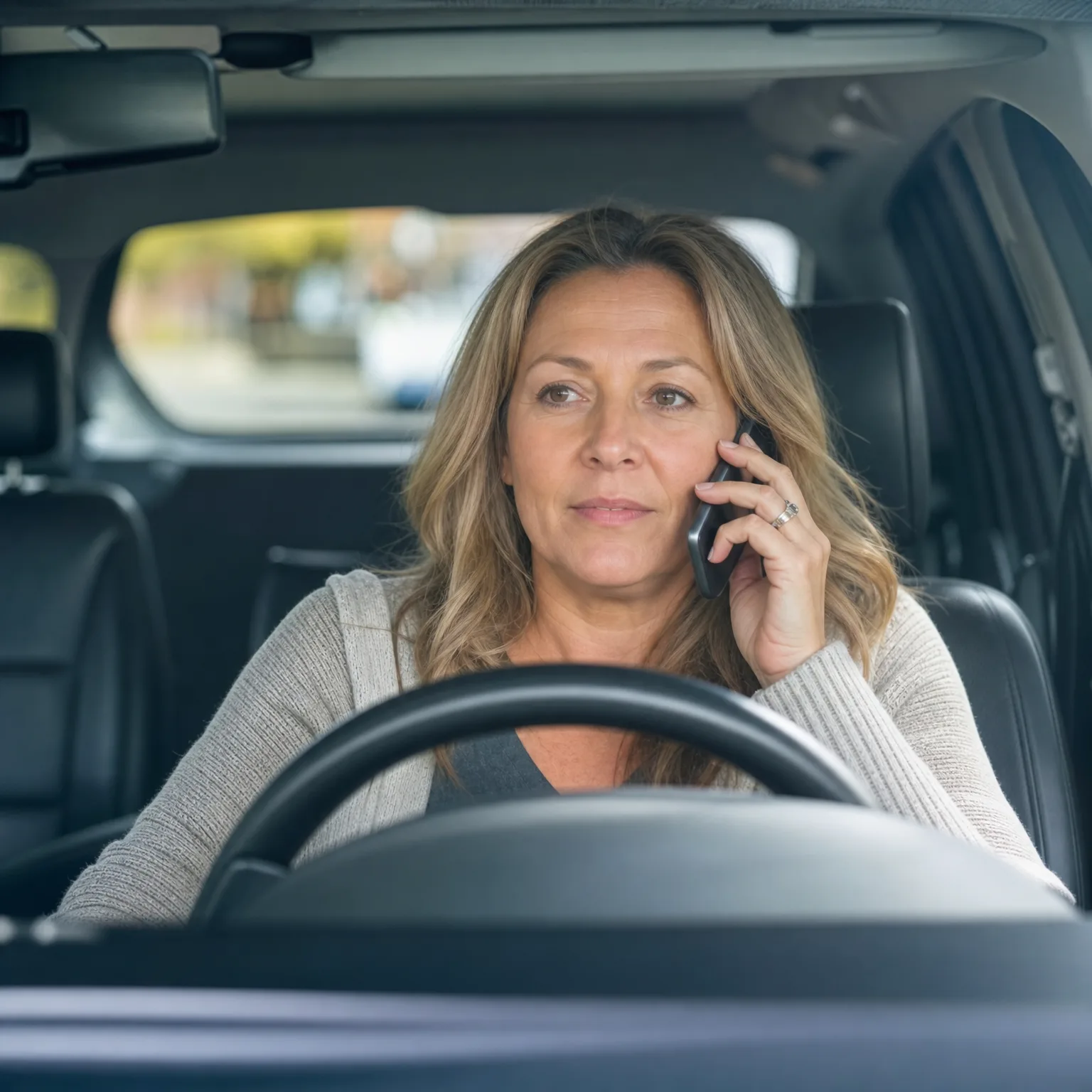
Non-owner SR-22 policies require payment in full or a down payment of 20% to 50% of the six-month premium before the policy activates. Monthly payment plans are available through most non-standard carriers, but they add installment fees of $5 to $10 per month and sometimes increase your overall premium by 5% to 10% compared to paying in full.
You'll select a policy effective date during the application. If you need SR-22 filed immediately to meet a court or DMV deadline, choose today's date and provide payment the same day. If your suspension lifts in two weeks and you want coverage to start then, you can future-date the policy, but the SR-22 filing will not be submitted to the state until the effective date. That means if you're trying to get ahead of a deadline, the policy must be active — not just applied for — before the state processes your filing.
Carriers offering non-owner SR-22 include The General, Dairyland, Bristol West, National General, and Progressive in most states. Not all write non-owner policies in every state, and some exclude applicants with DUIs from the past 12 months or multiple DUIs from the past five years. If one carrier declines you, apply with another — declination criteria vary significantly across non-standard insurers, and a DUI that disqualifies you at one carrier may be acceptable at another with a higher premium.
What Happens After You Submit Your Application
Once submitted, your application enters manual underwriting review. The carrier pulls your motor vehicle record, verifies your license status with the state DMV, and cross-references your declared violations against what appears on your MVR. If everything matches and you meet eligibility criteria, you'll receive a policy quote — typically within 24 to 48 hours for non-owner SR-22 applications.
If discrepancies appear between your application and your MVR, the underwriter will contact you for clarification. A violation you reported as reckless driving but that appears on your MVR as a DUI will halt the process until you provide court documentation showing the final disposition. If you cannot provide that documentation, the carrier uses the MVR version, which often results in a higher premium or outright decline.
After approval and payment, the carrier files your SR-22 electronically with your state. You'll receive a policy declarations page and a copy of the SR-22 certificate — keep both. Your state DMV processes the filing within one to five business days in most states, at which point your license becomes eligible for reinstatement if you've completed all other requirements. If your SR-22 filing is rejected by the state due to incorrect information, the carrier refiles at no additional cost, but the processing clock restarts.
Frequently Asked Questions
Can I apply for non-owner SR-22 if I'm still suspended?
Yes. Most carriers allow you to apply and purchase a non-owner SR-22 policy while your license is suspended, and they'll file the SR-22 with your state immediately. The SR-22 filing is one of the requirements for reinstatement, but you'll still need to complete any other court-ordered penalties, pay reinstatement fees, and wait out your suspension period before your license is restored.
What if I don't have proof I sold my car?
If you sold a vehicle privately and don't have a bill of sale, request a vehicle registration history from your state DMV showing the vehicle is no longer registered in your name. If you totaled your car, your insurer's total-loss settlement letter serves as proof. If you surrendered plates after a suspension, the DMV receipt confirming plate return is usually sufficient for non-owner applications.
Do I need a notarized affidavit for every non-owner application?
Not always. Some carriers accept a signed checkbox attestation that you don't own a vehicle. Others require a notarized affidavit, especially if you canceled an owned-vehicle policy within the past 90 days or live with someone who owns a car. Ask the carrier during your application what documentation format they accept before scheduling a notary appointment.
Can I start my non-owner policy before my suspension ends?
Yes, and it's often recommended. Starting your policy and SR-22 filing two to four weeks before your suspension lifts ensures the state processes your filing before your reinstatement date. If you wait until the last day of your suspension to apply, processing delays can extend the time before you're legally allowed to drive.
What happens if I get a vehicle after my non-owner policy starts?
You must notify your carrier immediately and switch to a standard auto policy that covers the vehicle you now own. Continuing to carry non-owner coverage while owning a vehicle is misrepresentation, which voids your policy and cancels your SR-22 filing. Your carrier will help you transition to an owned-vehicle policy and transfer your SR-22 to the new policy without a lapse.
Related Articles

SR-22 for Snowbirds: Filing Between Two States
5/18/2026
SR-22 for Motorcycle-Only Owners: Non-Owner Filing Guide
5/18/2026
Route Restricted License + SR-22 in South Carolina
5/18/2026

SR-22 and Florida FAJUA: What Replaced the State Pool
5/18/2026
Out-of-State DUI: Which State Files Your SR-22?
5/18/2026

SR-22 vs FR-44 in Virginia: Bodily Injury Minimum Gap
5/18/2026