
Non-Owner Insurance as a Coverage Gap Solution Between Vehicles
Get SR-22 Quotes NowWhy Coverage Gaps Punish High-Risk Drivers Harder Than Clean-Record Drivers
A 30-day coverage lapse costs a clean-record driver roughly 8–12% in premium increases when they reinstate. For a driver with an SR-22 requirement, that same lapse typically triggers a 20–40% surcharge on top of already-elevated rates, plus potential license re-suspension and a restart of the SR-22 filing clock in states like Florida and California.
The gap appears most often in three scenarios: selling a vehicle before buying another, moving between states and waiting to register a car, or sharing a household vehicle where you're listed as an excluded driver but still need proof of financial responsibility. In each case, the DMV doesn't distinguish between "I don't own a car right now" and "I'm driving uninsured." The SR-22 filing lapses, your license suspends again, and reinstatement fees stack on top of the original penalties.
Non-owner policies exist specifically to solve this. They provide the liability coverage your state requires, attach the SR-22 filing to keep your license valid, and cost roughly 40–60% less than insuring a vehicle you own because the carrier assumes lower exposure—you're borrowing or renting occasionally, not commuting daily in a car titled in your name.
How Non-Owner Policies Maintain SR-22 Filing Without a Titled Vehicle
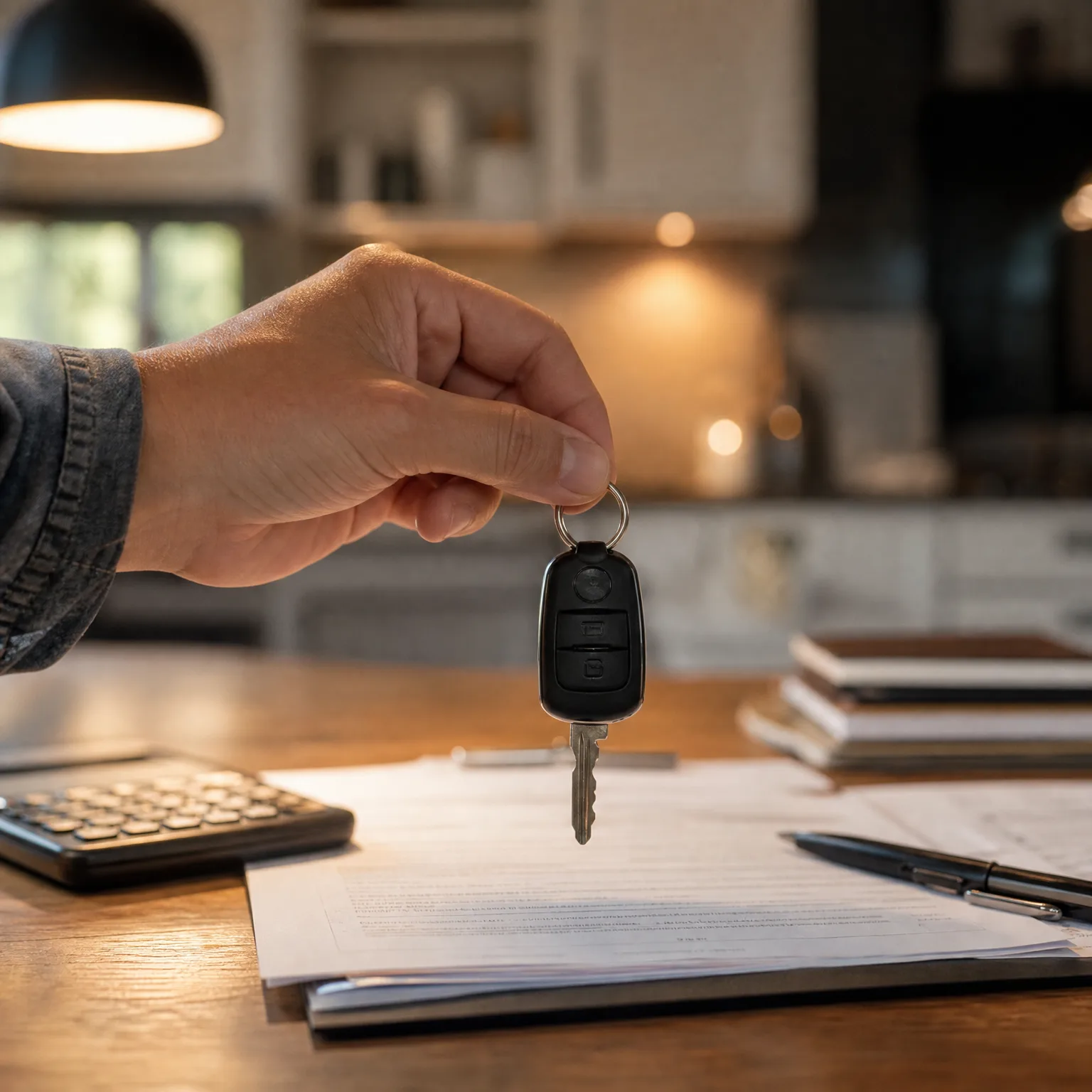
A non-owner policy is a liability-only policy that follows you, not a specific vehicle. It covers bodily injury and property damage you cause while driving a car you don't own—whether that's a rental, a friend's vehicle, or a car you borrow from family. The SR-22 certificate attaches to this policy exactly as it would to a standard auto policy, and the insurer files it with your state DMV on your behalf.
Most states require non-owner policies to meet the same minimum liability limits as standard auto policies. In California, that's 15/30/5 ($15,000 bodily injury per person, $30,000 per accident, $5,000 property damage). In Ohio, it's 25/50/25. If your SR-22 filing specifies higher limits—common after an at-fault accident with significant damages—the non-owner policy must match those limits or the filing won't satisfy the court order.
The policy remains active as long as you pay the premium, typically $25–$60 per month for minimum state limits if you have a DUI or reckless driving conviction. It does not cover a vehicle you own, a vehicle registered in your name, or a vehicle you use regularly (defined as more than 12–15 times per month by most carriers). If you buy a car during the policy period, you must notify the insurer within 30 days and convert to a standard auto policy or the non-owner coverage terminates and the SR-22 filing cancels.

When Non-Owner Insurance Makes Financial Sense for SR-22 Filers
Non-owner coverage pays off in three specific situations. First, you sold your vehicle intentionally—to lower expenses after a DUI, to avoid paying high-risk premiums on a car you rarely use, or because your license was suspended and you couldn't legally drive anyway. You still need the SR-22 filing to reinstate or maintain your license, but you're not driving daily. A non-owner policy keeps the filing active for $300–$720 per year instead of $1,800–$3,600 for insuring a titled vehicle.
Second, you're between vehicles for 60–90 days or longer. You totaled your car, you're relocating and shipping a vehicle later, or you're waiting for a lease to start. Canceling your existing policy and restarting it later triggers a lapse in SR-22 filing, which in most states means automatic license suspension and a reinstatement fee of $50–$150. Switching to a non-owner policy during the gap costs less than one month of standard coverage and prevents the administrative cascade.
Third, you live in a household with other drivers and use a shared vehicle occasionally, but the primary policyholder has excluded you to keep their own rates down. You still need an SR-22 on file. A non-owner policy provides your required filing without forcing the household to insure you on the titled vehicle, where your DUI or violation history would increase premiums by 70–130% on that policy.
Coverage Limits, Exclusions, and What Non-Owner Policies Don't Cover
Non-owner policies cover liability only—bodily injury and property damage you cause to others. They do not include collision, comprehensive, medical payments, or uninsured motorist coverage in most states. If you wreck a borrowed car, the vehicle owner's collision coverage pays for the vehicle damage (subject to their deductible), and your non-owner liability covers injuries or property damage to third parties above the limits of the owner's policy.
Most carriers exclude vehicles you own, vehicles registered to anyone in your household, vehicles you use for business purposes, and vehicles you drive more than 12 times per month. If you Uber or deliver food, a non-owner policy will not cover those trips—you need commercial non-owner coverage, which is harder to find and costs roughly double. If you borrow the same car every day to commute, the insurer will deny claims on the basis of regular use and may cancel the policy retroactively, which cancels your SR-22 filing and suspends your license.
Some states allow or require uninsured motorist (UM) coverage on non-owner policies. In Illinois, UM is mandatory unless you reject it in writing. In Virginia, it's optional but recommended because you're covered only when driving someone else's vehicle, and you have no control over whether that vehicle carries adequate UM limits. Adding UM typically increases the monthly premium by $8–$15, but it's the only way to cover your own medical bills if you're hit by an uninsured driver while borrowing a car.

Get Your SR-22 Even Without a Car
Get SR-22 Quotes Now
How to Transition from Non-Owner to Standard Auto Insurance Without Losing SR-22 Filing
When you buy or lease a vehicle, you have a narrow window to notify your non-owner insurer and convert the policy—typically 14–30 days depending on the carrier and state. Missing this window cancels the non-owner policy, terminates the SR-22 filing, and triggers a license suspension notice from the DMV, even if you secured new insurance on the vehicle.
The cleanest transition is to contact your non-owner insurer before you title the vehicle. Provide the VIN, purchase date, and title information, and ask them to quote you for a standard auto policy with the same SR-22 filing attached. If the rate is acceptable, they convert the policy effective the date you took possession, and the SR-22 filing continues without interruption. If the rate is unaffordable, shop for a new carrier, bind the new policy with an SR-22 endorsement, and cancel the non-owner policy only after the new SR-22 filing has been received and processed by the DMV—confirm this with a license status check, not just the insurer's word.
Some states require a zero-day gap between SR-22 filings. California and Florida will suspend your license if there's even one day where no active SR-22 is on file, regardless of whether you had continuous liability coverage. In these states, overlap the policies by 3–5 days: start the new auto policy with SR-22 filing, wait for DMV confirmation that the new filing is active, then cancel the non-owner policy. The redundant premium for a few days is cheaper than a $55 reinstatement fee and a restart of your 3-year SR-22 clock.
Which Carriers Write Non-Owner Policies for High-Risk Drivers and What They Cost
Non-owner policies for SR-22 filers are available primarily through non-standard carriers and a handful of standard carriers that write high-risk business. Progressive, The General, GEICO, and Dairyland write non-owner SR-22 policies in most states, though GEICO's availability depends on the specific violation—they often decline DUI cases in their non-owner program. State Farm and Allstate rarely write non-owner policies for drivers with SR-22 requirements.
Monthly premiums for minimum liability limits with an SR-22 endorsement range from $25–$60 if your violation is a single DUI or reckless driving, $60–$90 if you have multiple violations or an at-fault accident with injuries, and $90–$150 if you have a DUI plus a lapse or refusal. Annual premiums of $300–$720 are common, compared to $1,800–$4,500 for insuring a vehicle you own with the same violation history.
The SR-22 filing fee—charged once at policy inception and again at each renewal—is typically $15–$35 and appears as a separate line item on your declaration page. Some carriers waive it if you pay the full annual premium upfront. Shop at least three quotes, because non-owner pricing varies more than standard auto: one carrier may price primarily on your violation, another on your age and location, and a third on your credit-based insurance score, which means the lowest quote for one DUI driver may be the highest for another with an identical record.
What Happens If You Drive Without Notifying Your Non-Owner Insurer That You Bought a Car
If you buy a vehicle and don't notify your non-owner insurer within the required notification period, the policy typically cancels retroactive to the date you took possession of the vehicle. The SR-22 filing cancels with it, and the insurer sends an SR-26 (notice of policy cancellation) to your state DMV, triggering a license suspension notice within 10–30 days depending on the state.
If you have an accident during this period, the non-owner policy will deny the claim because you were driving a vehicle you own, which is excluded under the policy terms. You'll be personally liable for all damages, and if the accident involved injuries, you may face a judgment that suspends your license until paid in full—separate from the SR-22 suspension.
The safest practice: if you're seriously shopping for a vehicle, contact your non-owner insurer before you sign paperwork and ask for a standard auto quote with the SR-22 transferred. If the quote is unaffordable, you know before you commit to the purchase, and you can either negotiate the car price down, delay the purchase, or shop other insurers with the VIN in hand so you can bind coverage the same day you take delivery.
Frequently Asked Questions
Can I get non-owner insurance if I have a DUI and no car?
Yes. Non-owner insurance is specifically designed for drivers who don't own a vehicle but still need liability coverage and SR-22 filing. Most non-standard carriers write non-owner policies for DUI cases, with monthly premiums typically between $25–$60 for minimum state liability limits.
Does non-owner insurance cover rental cars?
Yes, non-owner insurance covers liability when you drive a rental car, but it does not cover damage to the rental vehicle itself—that requires the rental company's collision damage waiver or a separate rental car policy. Your non-owner policy covers injuries and property damage you cause to others.
What happens to my non-owner SR-22 if I buy a car and forget to tell my insurer?
The non-owner policy cancels retroactively, your SR-22 filing terminates, and the DMV suspends your license. If you have an accident during this period, the insurer denies the claim because vehicles you own are excluded from non-owner coverage.
How long does non-owner SR-22 insurance need to stay active?
As long as your state-mandated SR-22 filing period requires—typically 3 years for a DUI, but some states require 5 years or until the court orders release. Canceling the non-owner policy before the SR-22 period ends suspends your license and may restart the filing clock.
Can I use non-owner insurance to drive my spouse's car every day?
No. Non-owner policies exclude vehicles used regularly (typically defined as more than 12–15 times per month) and vehicles owned by household members. If you drive a household vehicle daily, you must be listed as a rated driver on that vehicle's policy.
Related Articles

SR-22 for Snowbirds: Filing Between Two States
5/18/2026
SR-22 for Motorcycle-Only Owners: Non-Owner Filing Guide
5/18/2026

Route Restricted License + SR-22 in South Carolina
5/18/2026
SR-22 and Florida FAJUA: What Replaced the State Pool
5/18/2026

Out-of-State DUI: Which State Files Your SR-22?
5/18/2026

SR-22 vs FR-44 in Virginia: Bodily Injury Minimum Gap
5/18/2026