Filing a Non-Owner Insurance Claim After a Borrowed Car Accident
Get SR-22 Quotes NowHow Non-Owner Coverage Responds During a Borrowed Car Accident
Non-owner insurance is secondary liability coverage, which means it only pays after the vehicle owner's policy has exhausted its limits or denied the claim. If you borrow a friend's car and cause $75,000 in damage but the owner carries $50,000 in liability coverage, the owner's policy pays the first $50,000 and your non-owner policy covers the remaining $25,000 — assuming your non-owner limits are high enough. If the owner's policy fully covers the claim, your non-owner policy won't be triggered at all.
This secondary status creates a coordination problem during claims. The vehicle owner must file with their own carrier first, and that insurer will investigate whether you should have been listed as a driver on the owner's policy. If the owner's insurer determines you had regular access to the vehicle — typically defined as borrowing it more than 12–15 times per year or having keys in your possession — they may deny coverage entirely. At that point, your non-owner carrier will conduct its own investigation using the same regular access standard. If both policies deny the claim, you're personally liable for all damages.
For drivers carrying non-owner SR-22 policies after a DUI or suspended license reinstatement, this secondary coverage structure is critical to understand. Your SR-22 filing proves financial responsibility to the state, but it doesn't guarantee claim payment. If you're borrowing the same vehicle frequently — a roommate's car, a partner's vehicle, a parent's truck — you're creating an excludable risk that neither policy may cover.
When to File the Claim and With Which Insurer
You must report the accident to both the vehicle owner and your own non-owner carrier within 24–72 hours, depending on policy terms. Most non-owner policies require notice "as soon as practicable," and late reporting — even by 48 hours — can give the carrier grounds to deny coverage. The vehicle owner is responsible for filing the primary claim with their own insurer, but you should independently notify your non-owner carrier to preserve your coverage rights.
The vehicle owner's insurer will open a claim file, assign an adjuster, and begin investigating liability and coverage. This process typically takes 7–14 days for straightforward accidents and 30–60 days if fault is disputed or injuries are involved. During this period, the owner's insurer may contact you directly to give a recorded statement. You are not legally required to provide this statement, and doing so without reviewing your non-owner policy terms can jeopardize your secondary coverage. If the owner's insurer asks about your borrowing frequency, access to keys, or whether you've been denied coverage elsewhere, consult your own carrier or an attorney before responding.
Your non-owner carrier will not assign an adjuster or investigate until the vehicle owner's insurer issues a coverage decision. If the owner's policy pays the full claim, your non-owner file closes without action. If the owner's policy denies coverage or pays only partially, your non-owner carrier opens a formal claim review. This secondary claim process adds 15–45 days to the total settlement timeline, and if your non-owner policy also denies coverage, you'll face personal liability and potential lawsuits from injured parties or property owners.

Regular Access Exclusions and How They Trigger Denials
The "regular access" exclusion appears in nearly every non-owner policy and is the most common reason claims are denied. Insurers define regular access as repeated borrowing of the same vehicle, possession of keys, or an informal driving arrangement that resembles vehicle ownership. The threshold varies by carrier, but most apply a standard of 12 or more uses per year or "more than once per month on average." If you've borrowed the same car twice a week for three months, you've likely crossed into excludable territory.
During the claims investigation, both the vehicle owner's insurer and your non-owner carrier will request your driving history, phone records, text messages, and statements from the vehicle owner about how often you borrowed the car. They may also pull telematics data if the vehicle has GPS or usage tracking. If evidence shows you had regular access, both policies can deny the claim. The vehicle owner's policy excludes you because you should have been listed as a rated driver, and your non-owner policy excludes you because non-owner coverage is designed for occasional, incidental use — not frequent borrowing of the same vehicle.
For drivers with SR-22 requirements, this creates a compliance trap. If both policies deny your claim and you're sued for damages, a judgment or settlement could trigger a license suspension for failure to maintain financial responsibility — even though you carried a valid non-owner SR-22 policy at the time of the accident. Some states allow you to satisfy the judgment through payment plans or hardship waivers, but the SR-22 filing requirement may extend by an additional 1–3 years depending on state law. This is why understanding the regular access threshold before borrowing a vehicle is critical, not after an accident occurs.
Get Your SR-22 Even Without a Car
Get SR-22 Quotes NowWhat Information to Document Immediately After the Accident
You need to secure specific documentation within the first 48 hours to preserve both the vehicle owner's claim and your own non-owner coverage. Photograph the damage to all vehicles, the accident scene from multiple angles, any visible injuries, and the position of the vehicles before they're moved. Obtain the other driver's insurance information, license plate, and driver's license number. If police respond, request the report number and the officer's name — most reports are available online within 5–10 business days.
Document your borrowing arrangement in writing immediately. Send the vehicle owner a text or email confirming the date, time, and reason you borrowed the vehicle, and whether you had permission to drive it. If this is the first time or one of only a few times you've borrowed this specific vehicle, state that explicitly. This creates a timestamped record that can counter a regular access denial later. If you've borrowed the vehicle more than 10–12 times in the past year, do not volunteer this information in writing, but understand that both insurers will likely uncover it during the investigation.
Collect contact information for any witnesses, including passengers in either vehicle. If the other driver admits fault at the scene, document that statement in writing or via text to yourself immediately. If the vehicle owner was not present at the time of the accident, notify them by phone first, then follow up with a written summary within 24 hours. Delayed notification to the vehicle owner can breach their policy's cooperation clause and give their insurer grounds to deny coverage — which would force your non-owner policy to respond as primary coverage, a role it's not designed to fill.
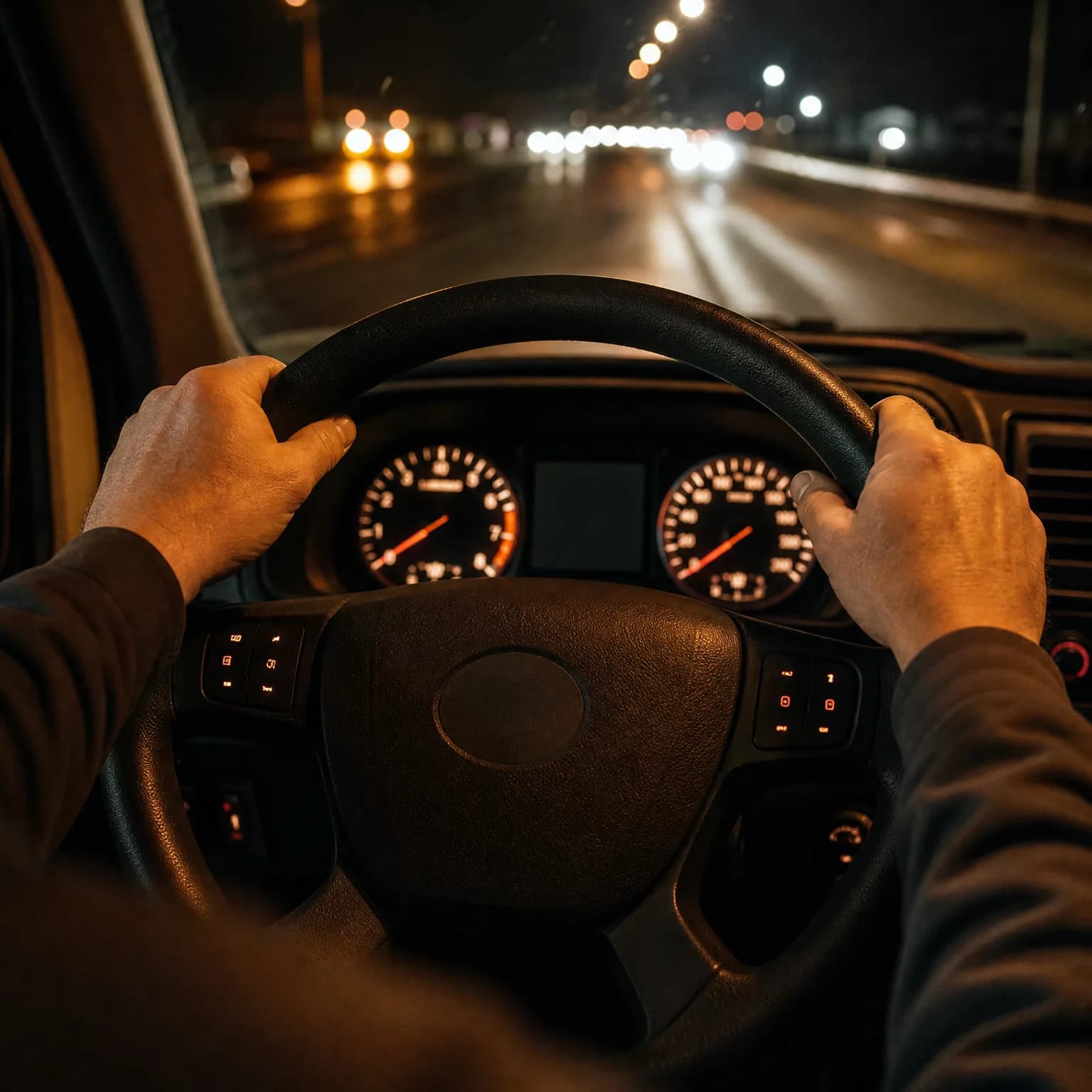
How Your SR-22 Requirement Affects the Claims Process
If you carry a non-owner SR-22 policy, your filing status does not change during the claims process unless your policy is canceled or lapses. However, if your non-owner carrier denies your claim and cancels your policy for misrepresentation — such as failing to disclose regular access to a vehicle — your SR-22 will lapse, and the state will be notified within 10–15 days. This triggers an immediate license suspension in most states, and you'll need to secure a new non-owner SR-22 policy and refile before your driving privileges are restored.
Some high-risk carriers will not renew your non-owner SR-22 policy if you have an open claim or a recent at-fault accident, even if the claim is still under investigation. This forces you into the non-standard or assigned risk market, where non-owner SR-22 premiums typically increase by 40–80% after an at-fault accident. If you're required to maintain SR-22 coverage for 3 years and you're only 8 months into that period, a single denied claim can extend your total time in the high-risk market and increase your cumulative insurance costs by several thousand dollars.
If you're sued for damages that exceed your non-owner policy limits, the judgment does not automatically suspend your license, but it does create a financial responsibility filing requirement in many states. You may need to post a bond or enter a payment plan with the court to avoid suspension. If you fail to satisfy the judgment within the state's deadline — typically 30–60 days — your license will be suspended, and your SR-22 requirement may be extended or converted to an SR-22A filing, which requires higher liability limits and costs 15–25% more per month.
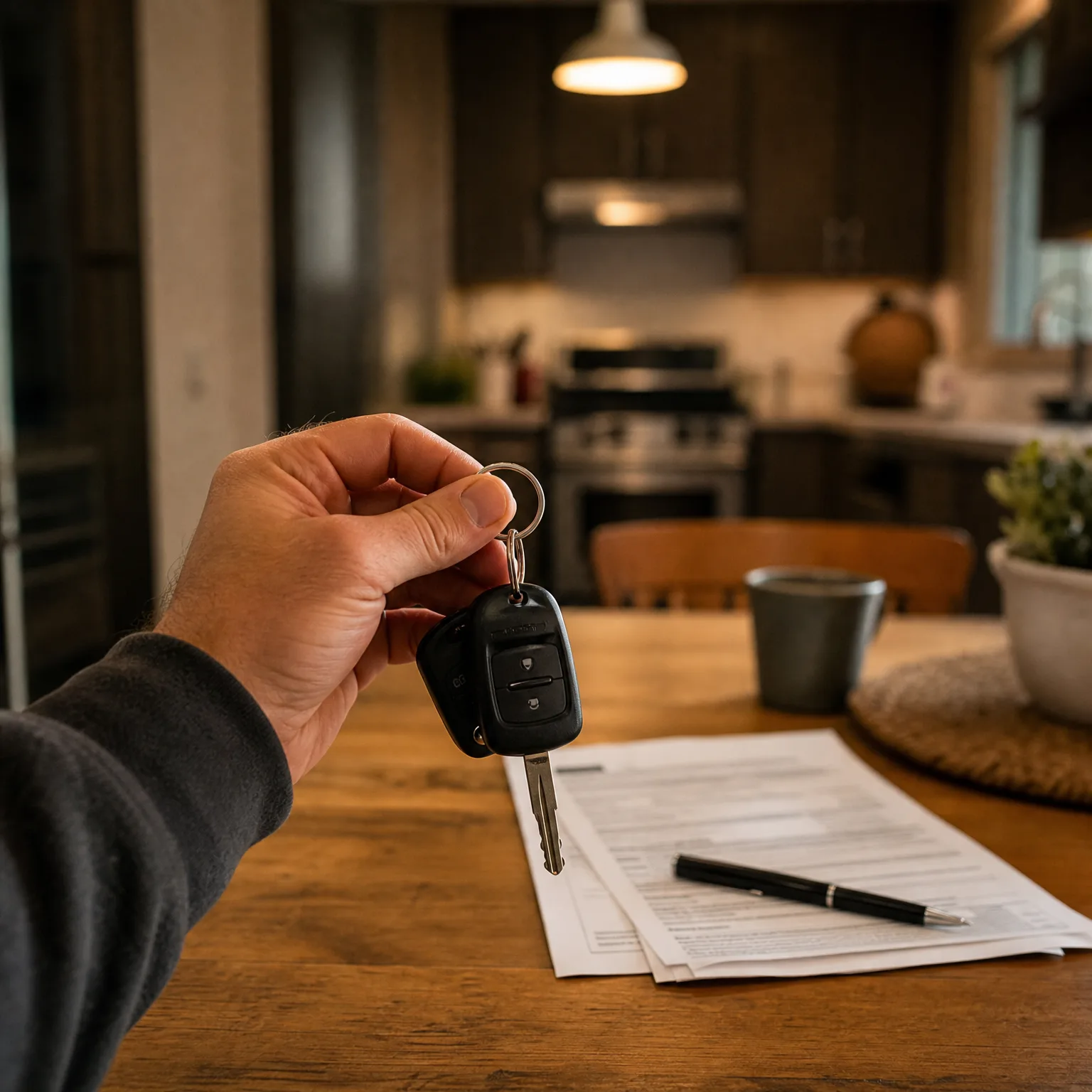
Finding Non-Owner SR-22 Coverage After a Claim or Denial
If your current non-owner carrier cancels your policy mid-term due to a claim or regular access issue, you have 10–30 days depending on state law to secure replacement coverage before your SR-22 lapses. Not all non-standard carriers write non-owner SR-22 policies, and fewer still will accept applicants with recent at-fault accidents or claim denials. Carriers that specialize in high-risk non-owner filings include The General, Direct Auto, and state assigned risk pools, but assigned risk premiums are typically 60–90% higher than voluntary market rates.
If you've been denied by multiple carriers, contact your state's assigned risk plan directly rather than working through a broker. Some states allow you to apply for non-owner coverage through the assigned risk pool even if you haven't exhausted all voluntary market options. Processing time for assigned risk applications is 15–30 days, and coverage is not retroactive — if your SR-22 lapses during the application period, your license suspension will take effect and you'll need to restart the reinstatement process.
Compare quotes from at least three high-risk carriers before committing to a policy. Non-owner SR-22 premiums after an at-fault accident range from $60–$140 per month depending on your state, violation history, and the carrier's underwriting appetite. Some carriers will non-renew you at the end of your policy term even if you've paid on time and had no additional violations, forcing you to re-shop every 6–12 months. Comparing non-owner SR-22 quotes from multiple high-risk carriers ensures you're not overpaying and identifies which insurers are willing to write your specific risk profile long-term.
Frequently Asked Questions
Will my non-owner SR-22 policy cover me if the car owner's insurance denies the claim?
Your non-owner policy will only cover you if the vehicle owner's insurer denies the claim for a reason unrelated to your regular access to the vehicle. If both policies determine you had regular access — typically defined as borrowing the same car more than 12 times per year — both can deny coverage, leaving you personally liable. Your non-owner SR-22 filing does not guarantee claim payment.
What happens to my SR-22 requirement if my non-owner policy is canceled after a claim?
If your non-owner carrier cancels your policy, your SR-22 filing will lapse and the state will be notified within 10–15 days, triggering an immediate license suspension in most states. You must secure a new non-owner SR-22 policy and refile before your driving privileges are restored. Some high-risk carriers will not accept applicants with recent claims or cancellations, forcing you into assigned risk pools with premiums 60–90% higher.
Can I be sued personally if my non-owner insurance doesn't cover the full claim?
Yes. If your non-owner liability limits are lower than the total damages, or if your claim is denied entirely, you can be sued for the remaining balance. A judgment against you can trigger a license suspension for failure to maintain financial responsibility, and your SR-22 requirement may be extended by 1–3 years depending on state law.
How do I prove I didn't have regular access to the borrowed vehicle?
Document your borrowing frequency in writing immediately after the accident — send the vehicle owner a text or email confirming how many times you've borrowed the car in the past year. Insurers will review phone records, text messages, and telematics data, so accurate contemporaneous documentation is critical. If you've borrowed the vehicle more than 12 times in the past year, both the owner's policy and your non-owner policy may exclude coverage.
Do I need to give a recorded statement to the vehicle owner's insurance company?
You are not legally required to provide a recorded statement to the vehicle owner's insurer, and doing so without reviewing your own non-owner policy terms can jeopardize your coverage. If the owner's insurer asks about borrowing frequency or access to keys, consult your own carrier or an attorney before responding. Your cooperation is required under your own policy, but the owner's insurer represents the owner's interests, not yours.
Related Articles
SR-22 for Snowbirds: Filing Between Two States
5/18/2026
SR-22 for Motorcycle-Only Owners: Non-Owner Filing Guide
5/18/2026

Route Restricted License + SR-22 in South Carolina
5/18/2026

SR-22 and Florida FAJUA: What Replaced the State Pool
5/18/2026
Out-of-State DUI: Which State Files Your SR-22?
5/18/2026
SR-22 vs FR-44 in Virginia: Bodily Injury Minimum Gap
5/18/2026