
Non-Owner SR-22 Insurance for Drivers Using Public Transit
Get SR-22 Quotes NowWhy Non-Owner SR-22 Exists for Drivers Who Don't Own Cars
State DMVs require continuous liability insurance coverage during your SR-22 filing period — typically 3 years for DUI convictions, 1–3 years for multiple violations or at-fault accidents without insurance. The mandate doesn't distinguish between car owners and non-owners. If you surrendered your vehicle after a DUI, switched to public transit after a suspension, or simply don't own a car but still hold a driver's license, you're still legally obligated to carry SR-22 coverage for the full duration.
Non-owner SR-22 insurance provides the liability coverage most states require — commonly $25,000 per person/$50,000 per accident for bodily injury and $25,000 for property damage — without insuring a specific vehicle. The policy covers you when you drive a borrowed car, a rental, or a friend's vehicle. It costs substantially less than standard auto insurance because the insurer isn't covering collision, comprehensive, or vehicle damage.
For high-risk drivers, the cost difference is significant. A standard SR-22 policy with a vehicle averages $150–$300 per month depending on violation severity and state. Non-owner SR-22 policies typically run $30–$80 per month, a 60–75% reduction. If you're riding the bus five days a week and borrowing a car twice a month, you're paying for coverage you don't need with a standard policy.
What Non-Owner SR-22 Covers When You Do Drive
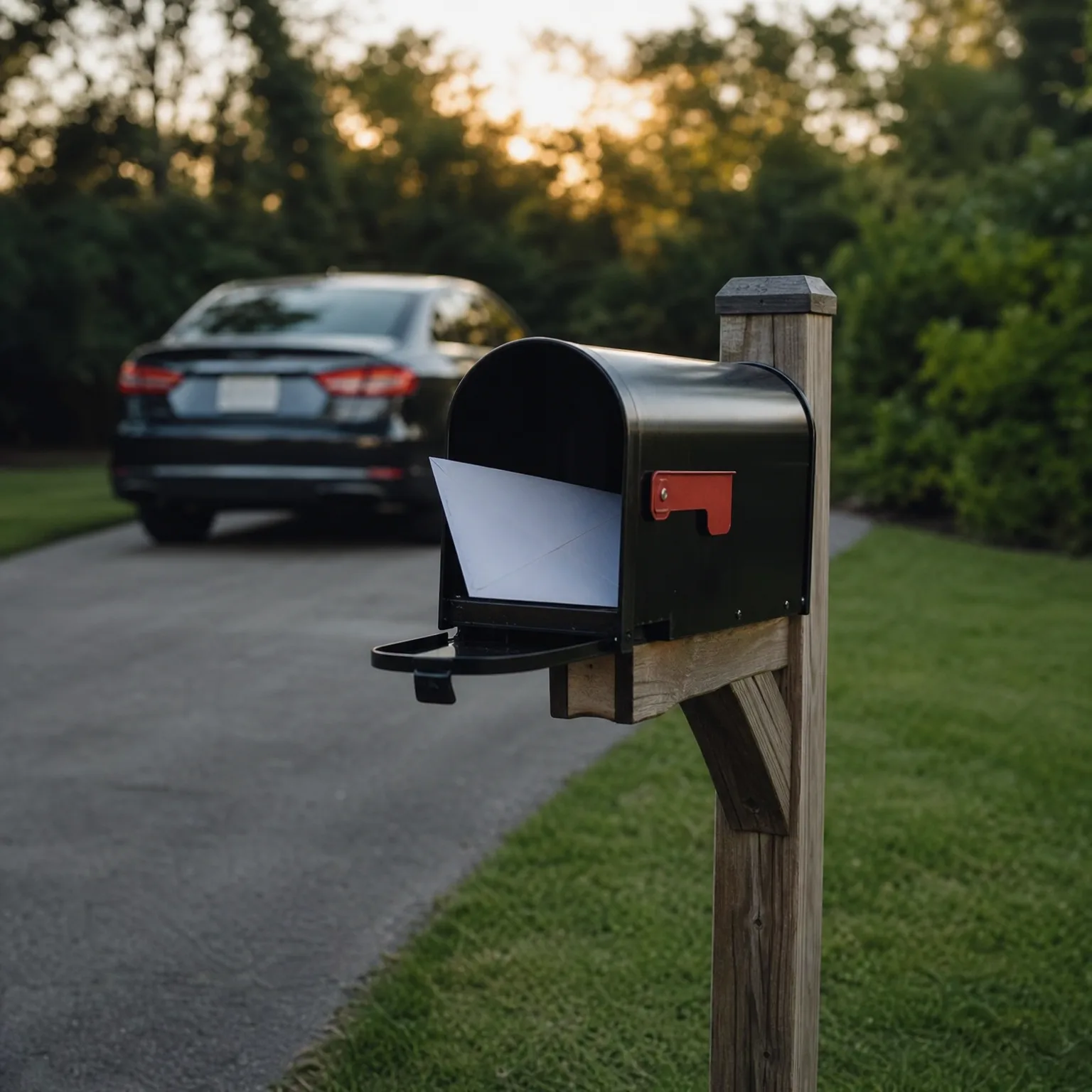
Non-owner policies provide liability protection when you operate a vehicle you don't own. This includes borrowed cars from family or friends, employer vehicles used occasionally, and rental cars in most cases. The coverage applies as secondary insurance — if the car owner has their own policy, that policy pays first, and your non-owner coverage fills remaining liability gaps up to your policy limits.
Most non-owner SR-22 policies exclude regular use of a household vehicle. If you live with someone who owns a car and you drive it more than a few times per month, insurers classify that as regular use and require you to be listed on the owner's policy instead. The threshold varies by carrier, but driving the same vehicle more than 12–15 times per month typically triggers this exclusion. The policy also won't cover vehicles you own, vehicles registered in your name, or vehicles available for your regular use even if titled to someone else.
If you rent a car, non-owner SR-22 coverage usually applies, but confirm this with your insurer before declining the rental agency's liability coverage. Some carriers exclude rental vehicles entirely from non-owner policies, and collision damage to the rental vehicle isn't covered — you'd need the rental agency's collision damage waiver or a separate credit card benefit for that protection.


How Non-Owner SR-22 Prevents Lapses That Reset Your Filing Period
The most expensive mistake transit-dependent drivers make is canceling all auto insurance because they sold their car or stopped driving regularly. When your SR-22 filing lapses — even for a single day — most state DMVs restart your filing period from zero. A DUI conviction requiring 3 years of SR-22 coverage becomes 6 years if you lapse after 3 years, then reinstate. Some states suspend your license immediately upon lapse notification, adding reinstatement fees of $50–$300 depending on jurisdiction.
Insurers notify the DMV electronically within 24–72 hours of policy cancellation or non-renewal. You don't receive advance warning beyond the standard cancellation notice from your insurer. If you're between policies for even 48 hours, the lapse is reported and the consequences begin. Non-owner SR-22 policies prevent this by maintaining continuous coverage during the full required period, even if you're not driving daily.
The financial impact of a lapse extends beyond fees. When you reinstate after a lapse, insurers classify you as a higher-tier risk, often adding 15–30% to your quoted premium compared to continuous coverage. If your original non-owner SR-22 policy cost $50 per month, a post-lapse policy might cost $60–$65 per month for the same coverage, multiplied across the reset filing period.

Get Your SR-22 Even Without a Car
Get SR-22 Quotes NowWhich Carriers Write Non-Owner SR-22 and How to Compare Quotes
Not all insurers offer non-owner policies, and fewer still write SR-22 filings for non-owner coverage. Standard carriers like State Farm, Allstate, and GEICO often decline non-owner SR-22 applications or restrict them to drivers with minimal violation history. Non-standard carriers that specialize in high-risk drivers — including Progressive, The General, Bristol West, and Acceptance Insurance — write the majority of non-owner SR-22 policies.
Rate variation between carriers is substantial for high-risk non-owner SR-22 coverage. The same driver profile with a DUI might receive quotes ranging from $35 per month to $95 per month depending on insurer risk models, state filing requirements, and underwriting appetite. Shopping at least three quotes is standard practice, but transit-dependent drivers with SR-22 requirements should expect to contact 4–6 carriers to find available coverage at competitive rates.
SR-22 filing fees are separate from premium costs. Insurers charge $15–$50 to file the SR-22 certificate with your state DMV, typically as a one-time fee at policy initiation. Some carriers charge annual SR-22 filing fees of $25–$35 if you renew the policy before your SR-22 period ends. When comparing quotes, confirm whether the quoted monthly rate includes the filing fee or if it's billed separately.

When to Switch from Non-Owner to Standard Auto SR-22
If you purchase a vehicle during your SR-22 filing period, you must notify your insurer immediately and convert to a standard auto policy that includes the newly owned vehicle. Failing to do this within 30 days often triggers a coverage exclusion — your non-owner policy won't cover the vehicle you now own, and the SR-22 filing may lapse if the insurer discovers the vehicle registration in your name.
The rate increase from non-owner to standard SR-22 auto insurance is significant but expected. A driver paying $50 per month for non-owner SR-22 coverage who buys a 2015 sedan might see rates jump to $180–$280 per month depending on the vehicle value, required coverage limits, and state minimum requirements. Collision and comprehensive coverage add another $40–$120 per month for high-risk drivers with recent violations.
If you're planning to buy a car within 6–12 months, consider timing the purchase after your SR-22 period ends if possible. Once the required filing period concludes and your license is fully reinstated, you're no longer classified as an SR-22 driver. Rates drop 20–40% on average within the first policy cycle after SR-22 removal, though your violation history still affects pricing until it ages off your record — typically 3–5 years for most violations, 7–10 years for DUIs in some states.

How Rates Decline as Your SR-22 Period Progresses
Non-owner SR-22 premiums decrease gradually as time passes from your conviction or violation date, not from your SR-22 filing date. If you were convicted of a DUI in March 2023 but didn't secure SR-22 coverage until September 2023, insurers price your risk based on the March 2023 conviction date. Your first rate reduction typically occurs at the 12-month policy renewal after conviction, with decreases of 10–15% common if no additional violations occur.
Most high-risk insurers review non-owner SR-22 policies at each renewal — typically every 6 or 12 months. Each clean renewal period without new violations, lapses, or claims signals reduced risk and qualifies you for lower rates. A driver who paid $65 per month at initial SR-22 filing might see rates drop to $55–$60 per month at the first renewal, then $45–$50 per month by the third year, assuming continuous coverage and no new incidents.
Once your SR-22 filing period ends, notify your insurer immediately to remove the SR-22 certificate. Some insurers drop rates by 15–25% within one billing cycle after SR-22 removal, even if your violation is still on record. If you're still transit-dependent and not driving regularly, you can maintain the non-owner policy without the SR-22 filing, further reducing monthly costs to $25–$40 for basic liability coverage.
Frequently Asked Questions
Can I get non-owner SR-22 insurance if I don't have a car but still have a license?
Yes. Non-owner SR-22 insurance is specifically designed for drivers who hold a valid or suspended license but don't own a vehicle. It fulfills state SR-22 filing requirements and provides liability coverage when you drive borrowed or rental cars, typically costing $30–$80 per month depending on your violation and state.
Does non-owner SR-22 insurance cover me if I borrow my roommate's car?
Yes, as long as you don't drive it regularly. Non-owner policies cover occasional use of borrowed vehicles, but most insurers exclude vehicles you drive more than 12–15 times per month. If you're driving your roommate's car multiple times per week, you'll need to be added to their policy instead.
What happens if my non-owner SR-22 policy lapses for one day?
Your insurer notifies the DMV within 24–72 hours, and most states immediately suspend your license and restart your SR-22 filing period from zero. A 3-year SR-22 requirement becomes 6 years if you lapse and reinstate. Reinstatement fees range from $50–$300 depending on your state, and post-lapse premiums increase 15–30% due to the coverage gap.
How much does non-owner SR-22 insurance cost compared to regular SR-22 insurance?
Non-owner SR-22 policies cost 40–60% less than standard SR-22 auto insurance. Expect to pay $30–$80 per month for non-owner coverage versus $150–$300 per month for a standard policy that includes a vehicle, plus a one-time SR-22 filing fee of $15–$50.
Do I need to cancel my non-owner SR-22 policy when I buy a car?
Yes, and you must switch to a standard auto policy immediately. Notify your insurer within 30 days of purchasing a vehicle or your non-owner policy may exclude coverage, and the SR-22 filing could lapse if the insurer discovers the vehicle registration in your name. Your premium will increase significantly when you add a vehicle to the policy.
Related Articles
SR-22 for Snowbirds: Filing Between Two States
5/18/2026

SR-22 for Motorcycle-Only Owners: Non-Owner Filing Guide
5/18/2026

Route Restricted License + SR-22 in South Carolina
5/18/2026

SR-22 and Florida FAJUA: What Replaced the State Pool
5/18/2026
Out-of-State DUI: Which State Files Your SR-22?
5/18/2026

SR-22 vs FR-44 in Virginia: Bodily Injury Minimum Gap
5/18/2026