
Non-Owner Insurance for High-Risk Drivers: Affordable Options
Get SR-22 Quotes NowWhy Non-Owner Policies Cost Less for High-Risk Drivers
Non-owner SR-22 insurance covers liability only — bodily injury and property damage you cause while driving someone else's vehicle. Because there's no collision or comprehensive coverage, and because you're not insuring a specific car, carriers price these policies 40–60% lower than standard auto insurance for the same driver profile. A high-risk driver quoted $2,400/year for owner SR-22 coverage might pay $960–$1,440/year for non-owner SR-22.
This applies even if your violation was severe. A DUI typically increases your rates 70–130% regardless of policy type, but the base premium you're multiplying is far lower with non-owner coverage. If you don't own a car and only drive occasionally — borrowing a friend's vehicle, renting for trips, or using a carpool — non-owner SR-22 fulfills your state filing requirement at the lowest possible cost.
Most states require SR-22 filing for 3 years following a DUI or major violation. During that period, you're required to maintain continuous liability coverage without lapses. Non-owner policies meet this requirement fully, and your filing stays active as long as your premium is paid. The moment you let the policy cancel, your insurer notifies the DMV and your license suspension resumes within 10–30 days depending on your state.

Which Carriers Write Non-Owner SR-22 for High-Risk Drivers
Not all insurers offer non-owner policies, and fewer still write them for drivers with DUIs, multiple violations, or at-fault accidents. The carriers that consistently write high-risk non-owner SR-22 include Progressive, The General, Direct Auto, Dairyland, and Bristol West. Regional availability varies — Progressive writes in all 50 states, while Direct Auto operates primarily in the Southeast and Midwest.
If you've been quoted by a standard carrier like State Farm or Allstate and denied, that's expected. Those companies rarely write non-owner policies for drivers with recent violations. Start your search with non-standard carriers that specialize in high-risk profiles. These insurers price based on your violation type, time since the incident, and required filing duration, not whether you fit their preferred customer model.
Expect to provide your SR-22 requirement details upfront: which state requires the filing, the violation date, and your court-ordered or DMV-mandated filing period. Carriers use this to calculate your premium and determine whether they'll issue the policy. If one insurer declines you, apply to another immediately — non-standard carriers have different underwriting rules, and a decline from Progressive doesn't predict a decline from The General.

What Non-Owner SR-22 Policies Don't Cover
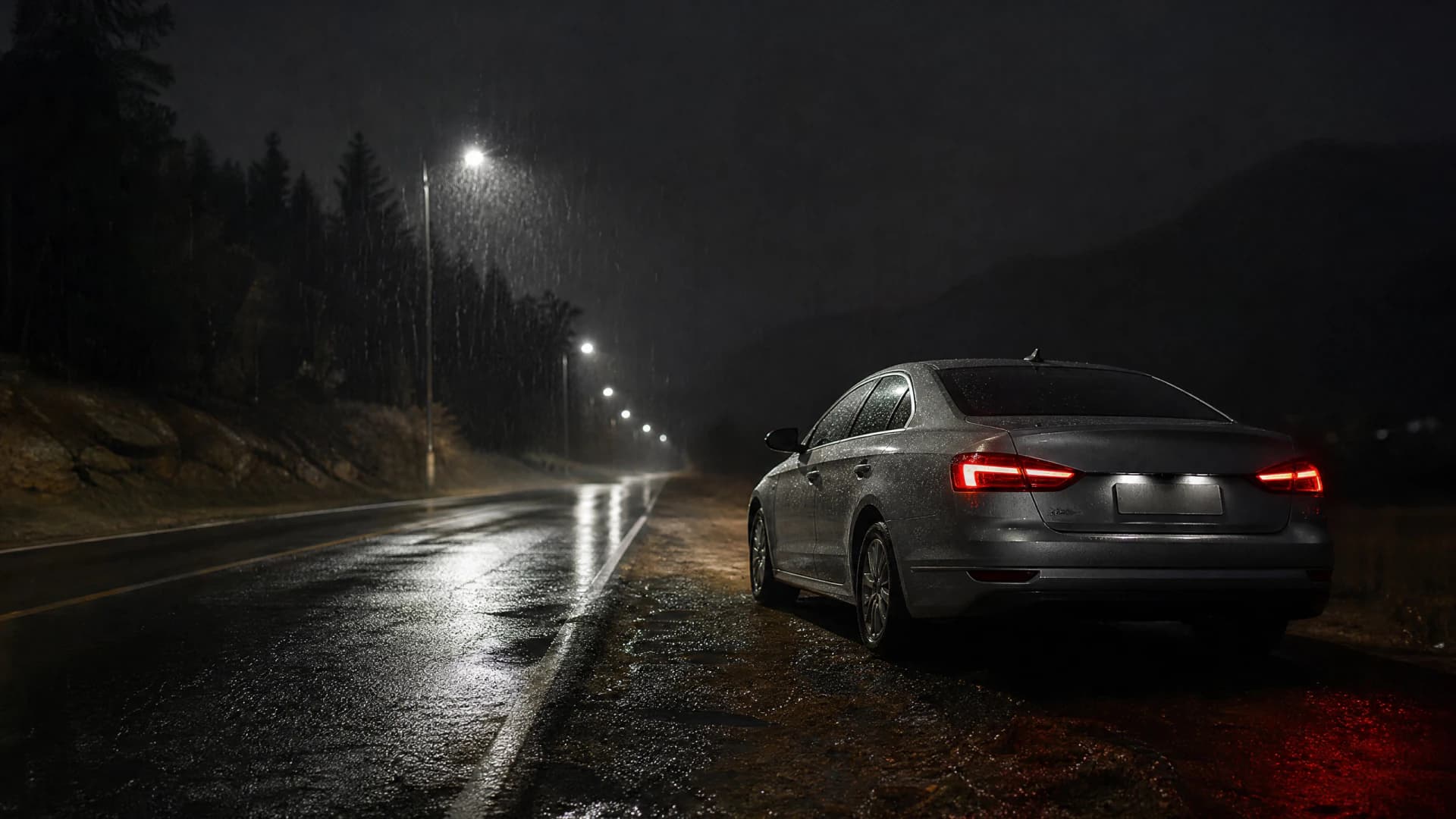
Non-owner insurance provides liability coverage only. If you cause an accident while driving a borrowed car, your policy pays for the other driver's injuries and property damage up to your policy limits. It does not cover damage to the vehicle you were driving, your own injuries, or comprehensive losses like theft or vandalism. That responsibility falls to the vehicle owner's policy or remains uncovered.
This creates a common misconception: drivers assume non-owner policies act as secondary coverage when driving a friend's car. In most states, the vehicle owner's insurance is primary, and your non-owner policy serves as excess liability coverage if the owner's limits are exhausted. If you total a borrowed car, the owner's collision coverage pays for repairs, not yours. If the owner has no insurance or insufficient limits, you're personally liable for the gap — your non-owner policy won't fill it.
Non-owner policies also exclude regular use of a household vehicle. If you live with someone who owns a car and you drive it regularly, insurers consider that vehicle available for your use and will deny a non-owner policy or exclude coverage for that specific car. You'll need to be added as a named driver on the owner's policy instead, which costs more but reflects the actual risk.

Get Your SR-22 Even Without a Car
Get SR-22 Quotes NowHow to Get the Lowest Non-Owner SR-22 Rate
Your rate depends on four variables: your violation type, time since the incident, your state's minimum liability limits, and the filing duration. A DUI from 6 months ago costs more than a DUI from 2.5 years ago, even if both drivers still need SR-22. Insurers apply surcharge schedules that decrease annually as you move further from the violation date. If you're quoted today and quoted again in 12 months with a clean interim record, expect your premium to drop 15–25%.
Choose the minimum liability limits your state allows unless the court or DMV specified higher coverage. Most states require 25/50/25 limits (25,000 per person for bodily injury, 50,000 per accident, 25,000 for property damage), but some mandate higher minimums. California requires 15/30/5, while Alaska requires 50/100/25. Increasing your limits from 25/50/25 to 100/300/100 raises your premium by 30–50%, which defeats the cost advantage of non-owner coverage unless you're required to carry higher limits.
Pay your premium in full if you can. Many non-standard carriers charge installment fees of $5–$10/month, adding $60–$120/year to your total cost. Paying annually also reduces lapse risk — high-risk drivers who miss a monthly payment lose their SR-22 filing immediately, and reinstatement requires a new SR-22 form, a reinstatement fee of $50–$250 depending on state, and sometimes proof of future financial responsibility for an extended period. A single lapse can reset your 3-year filing clock in states like Florida and Virginia.
When to Switch from Non-Owner to Owner Coverage
If you buy a car while your SR-22 requirement is active, you must switch to an owner policy within 10–30 days depending on your state and insurer. Your non-owner policy doesn't cover a vehicle you own or regularly use, and driving your own car under a non-owner policy leaves you uninsured. The DMV considers this a lapse, your SR-22 filing cancels, and your license suspends again.
Contact your insurer the day you purchase or lease a vehicle. Most non-standard carriers that write non-owner SR-22 also write standard auto policies, so you can convert your existing policy rather than shop for a new one. Your SR-22 filing transfers to the new policy without interruption as long as there's no gap in coverage. Expect your premium to increase significantly — you're now paying for liability plus collision and comprehensive on a specific vehicle, and your high-risk status applies to the full coverage cost.
If you're within 6 months of completing your SR-22 requirement, consider delaying your vehicle purchase if possible. Once your filing period ends and your SR-22 is released, your rates drop immediately. A driver paying $1,800/year for owner SR-22 coverage might pay $1,100–$1,300/year for the same coverage without the SR-22 surcharge. Waiting eliminates that penalty and saves you $500–$700 over the first year of ownership.
Filing Your Non-Owner SR-22 and Maintaining Compliance
Your insurer files the SR-22 form electronically with your state DMV, usually within 24–48 hours of policy purchase. You'll receive a copy for your records, but the DMV is notified directly — you don't need to submit anything yourself. The SR-22 filing fee is typically $15–$50 and is charged once at policy inception, then again at each renewal if your requirement extends beyond one year.
Your SR-22 stays active as long as your policy remains in force. If you cancel your policy, switch insurers without overlapping coverage, or miss a payment, your insurer is required by law to notify the DMV within 10 days. Your license suspends immediately in most states, and reinstatement requires a new SR-22 filing, a reinstatement fee, and proof of continuous coverage going forward. Some states restart your 3-year filing period from the lapse date, meaning a single missed payment can add years to your requirement.
Set up automatic payments if your carrier offers them. If you need to switch insurers — for a better rate or because your current carrier non-renewed you — coordinate the effective dates so your new policy starts the same day your old policy ends. Even a one-day gap triggers an SR-22 cancellation notice in most states, and DMVs don't differentiate between intentional cancellations and administrative gaps. Your job is to maintain continuous proof of financial responsibility from the date your SR-22 requirement began until your state releases you, with zero interruptions.
Frequently Asked Questions
Can I get non-owner SR-22 insurance with a suspended license?
Yes. You can purchase a non-owner SR-22 policy while your license is suspended — in fact, that's the most common use case. The SR-22 filing is part of your reinstatement process, and the policy provides the proof of financial responsibility your state requires to lift the suspension. You don't need a valid license to buy the policy, but you do need it to legally drive once your license is reinstated.
How much does non-owner SR-22 insurance cost after a DUI?
Non-owner SR-22 policies for drivers with a DUI typically cost $80–$150/month, or $960–$1,800/year, depending on your state, time since the violation, and required liability limits. This is 40–60% less than owner SR-22 coverage for the same driver profile. Rates decrease annually as you move further from the violation date, with the steepest drops occurring after year two and year three.
What happens if I miss a payment on my non-owner SR-22 policy?
Your insurer notifies your state DMV within 10 days, your SR-22 filing cancels, and your license suspends again. Reinstatement requires paying a reinstatement fee ($50–$250 depending on state), filing a new SR-22, and proving continuous coverage going forward. In some states, a lapse restarts your 3-year filing requirement from the lapse date, adding years to your obligation.
Do I need non-owner insurance if I only drive a family member's car?
If you live with the family member and drive their car regularly, most insurers will deny a non-owner policy or exclude that vehicle from coverage. You need to be added as a named driver on their policy instead. If you live separately and only borrow the car occasionally, a non-owner policy works and costs less than being added to their policy.
Can I cancel my non-owner SR-22 policy once I buy a car?
No — you need to convert it to an owner policy without any gap in coverage. Contact your insurer before or immediately after purchasing the vehicle so they can transfer your SR-22 filing to the new policy. If you cancel the non-owner policy first and buy owner coverage later, even a one-day gap cancels your SR-22 filing and suspends your license.
Related Articles

SR-22 for Snowbirds: Filing Between Two States
5/18/2026
SR-22 for Motorcycle-Only Owners: Non-Owner Filing Guide
5/18/2026
Route Restricted License + SR-22 in South Carolina
5/18/2026
SR-22 and Florida FAJUA: What Replaced the State Pool
5/18/2026
Out-of-State DUI: Which State Files Your SR-22?
5/18/2026

SR-22 vs FR-44 in Virginia: Bodily Injury Minimum Gap
5/18/2026