
Non-Owner SR-22 Insurance for Young Drivers Without a Car
Get SR-22 Quotes NowWhy Non-Owner SR-22 Exists and Who Actually Needs It
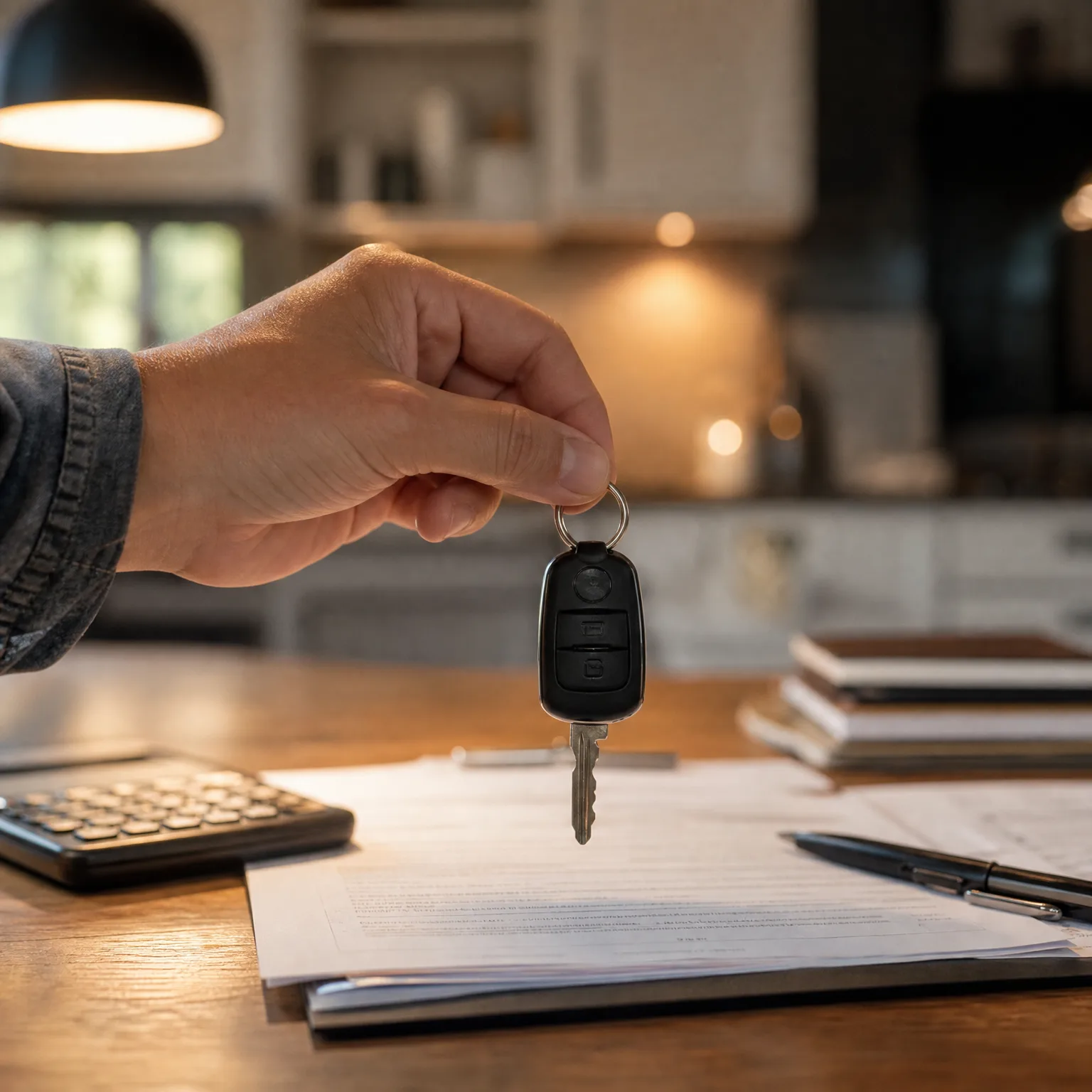
Non-owner SR-22 insurance proves continuous liability coverage when you're required to file SR-22 but don't own a vehicle. The state doesn't care whether you own a car—only that an insurer certifies you carry minimum liability limits. For young drivers, this typically follows a DUI, multiple violations, or a license suspension where reinstatement requires proof of insurance for 1–3 years depending on your state and violation type.
Most young drivers land here in one of three situations: you lost your license before buying your first car, you're using public transit or rideshares while your record clears, or you occasionally borrow vehicles but aren't listed on anyone's policy. Standard policies assume you have a vehicle to insure. Non-owner policies eliminate that assumption and the premium attached to it.
The cost difference is substantial. A standard SR-22 policy for a 22-year-old with a DUI averages $2,400–$3,600 annually when a vehicle is included. A non-owner SR-22 policy for the same driver typically runs $900–$1,800 per year, depending on state minimums and violation severity. You're paying only for liability coverage and the SR-22 filing—not collision, comprehensive, or the vehicle-based risk calculation.
Carrier Availability Drops Sharply for Drivers Under 25
Not every insurer writes non-owner policies, and fewer still accept young drivers with SR-22 requirements. National carriers like GEICO, Progressive, and The General offer non-owner SR-22 in most states, but underwriting rules for drivers under 25 are significantly tighter. Many impose minimum age thresholds—typically 21 or 23—or decline SR-22 filings for drivers with DUIs under age 25 entirely.
Regional and non-standard carriers fill the gap but often at higher rates. If you're under 21 with a DUI or multiple violations, expect to contact 4–6 insurers before finding one that will quote you. Acceptance rates improve after age 23, and again after age 25, when you exit the highest-risk age band. The SR-22 filing fee itself is consistent—usually $25–$50—but the underlying premium varies widely based on your age, violation type, and how long ago the incident occurred.
Some states require specific liability limits for SR-22 filings that exceed standard minimums. California mandates 15/30/5, Florida requires 10/20/10, and Texas uses 30/60/25. If your SR-22 order specifies higher limits, your non-owner premium increases accordingly. Verify your state's SR-22 minimum liability requirements before requesting quotes—underinsuring the filing can delay reinstatement by weeks.

How Non-Owner SR-22 Works When You Borrow Vehicles
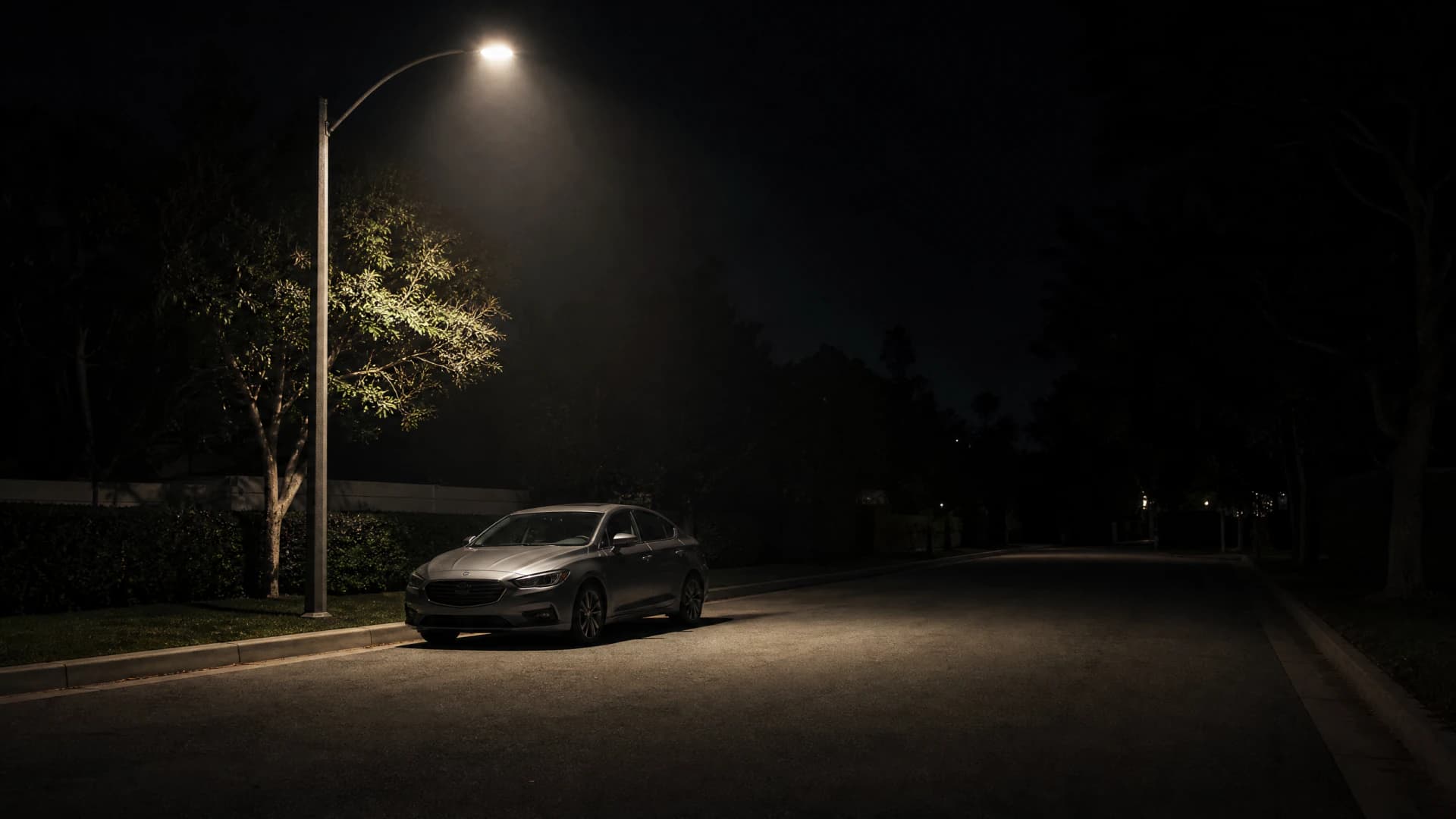
Non-owner policies provide secondary liability coverage when you drive a vehicle you don't own and aren't listed on. The car owner's insurance pays first if you cause an accident. Your non-owner policy covers the gap if their limits are exhausted or if they're uninsured. This is not permission to drive any car freely—you still need the owner's consent, and frequent use of the same vehicle can trigger an exclusion or require you to be added to their policy.
If you live with parents or roommates who own vehicles, insurers may require you to be listed as a driver on their policy instead of issuing a non-owner policy. This is called a "household exclusion" rule, and it exists to prevent rate arbitrage. If you have regular access to a household vehicle, the insurer assumes you're driving it and prices accordingly. Some carriers allow a named driver exclusion—you're explicitly barred from driving household vehicles—but this must be filed in writing and is not available in all states.
Young drivers often assume non-owner SR-22 lets them drive rideshare or delivery vehicles for work. It does not. Non-owner policies exclude commercial use, and rideshare platforms require commercial coverage or a rideshare endorsement. If you're planning to drive for Uber, DoorDash, or similar platforms, you need to disclose this when quoting—most non-owner insurers will decline, and you'll need a commercial or for-hire policy instead.

Get Your SR-22 Even Without a Car
Get SR-22 Quotes NowFiling Process and Reinstatement Timeline
Once you purchase a non-owner SR-22 policy, the insurer files the SR-22 certificate electronically with your state DMV within 24–72 hours. Some states process filings in 3–5 business days; others take up to 10 days. Your license remains suspended until the DMV confirms receipt and processes any outstanding reinstatement fees, which range from $50 to $275 depending on your state and violation.
The SR-22 filing period starts the day the DMV receives the certificate, not the day you bought the policy. If your state requires 3 years of SR-22 and you delay filing by 6 months, you've added 6 months to your total cost. Every month of delay is another month of premiums. For young drivers already facing elevated rates, this compounds quickly.
Your insurer must maintain the SR-22 filing for the entire required period. If you cancel your policy, let it lapse, or switch insurers without overlapping coverage, the insurer is legally required to notify the DMV within 10–15 days. This triggers an automatic suspension in most states, and reinstatement requires starting the SR-22 clock over. Set up autopay and calendar reminders 30 days before renewal. A single missed payment can reset years of compliance.

What Happens When You Buy a Car During Your SR-22 Period
If you purchase a vehicle while your non-owner SR-22 policy is active, you must immediately notify your insurer and convert to a standard auto policy. Non-owner policies explicitly exclude vehicles you own, lease, or have regular access to. Driving your own car under a non-owner policy leaves you uninsured, and any accident will result in out-of-pocket liability plus a policy cancellation that triggers DMV notification.
The SR-22 filing transfers to your new standard policy without restarting the clock, but your premium will increase significantly. You're now paying for full coverage on a vehicle plus the SR-22 surcharge. For a 23-year-old with a DUI, expect the transition to add $1,200–$2,400 annually depending on the vehicle type and your state. The insurer cancels your non-owner policy and issues a new SR-22 certificate under the standard policy, usually within 24 hours. Confirm the DMV received the updated filing to avoid a suspension gap.
Some young drivers attempt to delay reporting a vehicle purchase to preserve the lower non-owner rate. This is insurance fraud and will void your coverage retroactively if discovered. Insurers cross-reference DMV registration databases, and most catch unreported vehicles within 30–90 days. The penalty is policy cancellation, SR-22 termination, and potential denial from future insurers for misrepresentation.

Rate Reduction Timeline and Long-Term Cost Planning
Non-owner SR-22 premiums decrease as your violation ages, but the timeline varies by violation type and state. DUI surcharges typically persist at full strength for 3–5 years, then decrease 20–30% annually until the incident falls outside the insurer's lookback period—usually 7–10 years. At-fault accidents and multiple violations follow a similar pattern but with shorter full-impact windows of 3–5 years.
Young drivers see compounding rate relief as they age out of high-risk bands. A 21-year-old with a DUI pays roughly 40–60% more than a 26-year-old with the same violation and SR-22 requirement. If you're currently under 23, expect your rates to drop 15–25% at age 25 even if your SR-22 filing is still active. This is separate from the violation aging effect and happens automatically at renewal.
Once your SR-22 period ends and your violation reaches the 5-year mark, shop aggressively. You're no longer locked into non-standard carriers, and standard insurers will begin quoting you again. The rate difference between non-standard and standard markets for a clean 3-year driving period post-violation is typically 30–50%. Mark your SR-22 end date on your calendar and request quotes from at least three standard carriers 60 days before it expires.
Frequently Asked Questions
Can I get non-owner SR-22 insurance if I'm under 21?
Yes, but carrier availability is extremely limited. Most non-standard insurers set minimum ages of 21 or 23 for SR-22 filings, and some decline DUI cases entirely for drivers under 21. Expect to contact 5–8 insurers, and premiums will be 40–70% higher than for drivers over 25 with identical violations.
Does non-owner SR-22 cover me if I borrow my parents' car?
It provides secondary coverage only—your parents' policy pays first. If you live with them and have regular access to their vehicle, most insurers will require you to be listed on their policy instead of issuing a non-owner policy. Some allow a named driver exclusion that bars you from driving household vehicles, but this must be filed in writing.
What happens if I let my non-owner SR-22 policy lapse?
Your insurer notifies the DMV within 10–15 days, triggering an automatic license suspension in most states. Reinstatement requires purchasing a new policy, filing a new SR-22 certificate, paying reinstatement fees, and in many states, restarting your SR-22 clock from zero. A single lapse can add 1–3 years to your total requirement.
How much does non-owner SR-22 cost for a young driver with a DUI?
Expect $900–$1,800 annually for drivers ages 21–24, and $700–$1,400 for drivers 25 and older, depending on state minimum liability limits and how recently the DUI occurred. This is 40–60% less than a standard SR-22 policy that includes a vehicle, but still 70–130% higher than non-owner coverage for a driver with a clean record.
Can I switch from non-owner SR-22 to a standard policy without restarting my filing period?
Yes. If you buy a vehicle, your SR-22 transfers to the new standard policy without resetting the clock, as long as there's no coverage gap. Notify your insurer immediately when you purchase or lease a vehicle—driving your own car under a non-owner policy voids your coverage and can trigger SR-22 cancellation.
Related Articles

SR-22 for Snowbirds: Filing Between Two States
5/18/2026
SR-22 for Motorcycle-Only Owners: Non-Owner Filing Guide
5/18/2026

Route Restricted License + SR-22 in South Carolina
5/18/2026

SR-22 and Florida FAJUA: What Replaced the State Pool
5/18/2026

Out-of-State DUI: Which State Files Your SR-22?
5/18/2026

SR-22 vs FR-44 in Virginia: Bodily Injury Minimum Gap
5/18/2026