
Non-Owner SR-22 Insurance in Colorado: Coverage Without a Car
Get SR-22 Quotes NowWhen Colorado Requires Non-Owner SR-22 Filing
Colorado's Division of Motor Vehicles mandates SR-22 filing after specific violations: DUI, DWAI, driving without insurance, at-fault accidents without coverage, excessive points (12+ in 12 months or 18+ in 24 months), and habitual traffic offender designation. If you don't own a vehicle but need to reinstate your license, non-owner SR-22 coverage provides the state-required proof of financial responsibility without insuring a car you don't drive.
The filing period in Colorado is typically three years from the date of conviction or reinstatement, though the Division of Motor Vehicles sets the exact duration based on your violation type and driving history. A first-offense DUI generally requires three years of SR-22 filing, while habitual offender status can extend the requirement to five years or longer. Check your reinstatement letter for the specific end date — many drivers file longer than legally required because they assume a standard three-year period without verifying their actual mandate.
Non-owner SR-22 is specifically designed for drivers who need to maintain continuous liability coverage but do not own or regularly operate a vehicle. This includes drivers who use public transportation, ride-sharing, rental cars occasionally, or borrow vehicles infrequently. Colorado accepts non-owner SR-22 filings for all violation types that trigger SR-22 requirements — there is no restriction limiting non-owner policies to certain offenses.
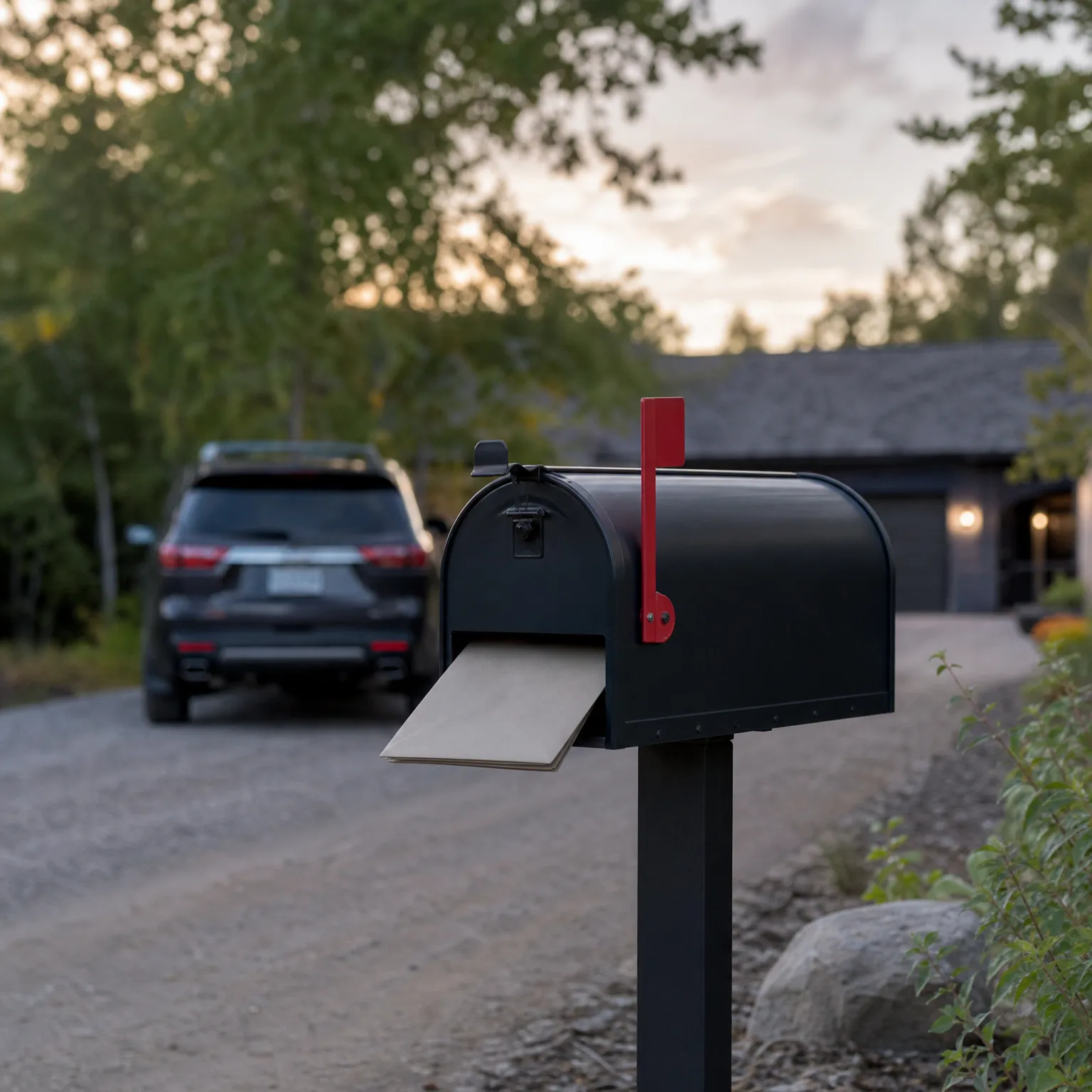
Non-Owner SR-22 Cost in Colorado After Violations
Non-owner SR-22 policies in Colorado typically cost $25–$50 per month for liability-only coverage, compared to $150–$300+ per month for standard SR-22 auto insurance after a DUI or major violation. The SR-22 filing fee itself is $15–$25, paid once when your insurer submits the certificate to the Colorado Division of Motor Vehicles. Total annual cost for non-owner SR-22 coverage generally ranges from $300–$600, depending on your violation severity, age, and coverage limits.
A DUI triggers the highest rate increases — drivers with a DUI on record pay approximately 80–120% more for non-owner SR-22 coverage than those with clean records. Driving without insurance or accumulating excessive points results in 40–70% rate increases. Multiple violations or a habitual offender designation can push non-owner SR-22 premiums to $60–$80 per month. Your rate depends on how many violations appear within the lookback period (typically three to five years) and whether you had a lapse in coverage before filing.
Carriers writing non-owner SR-22 in Colorado include Progressive, GEICO, The General, National General, and Dairyland. Not all major carriers offer non-owner policies — State Farm and Allstate typically do not write non-owner coverage in Colorado. Availability also varies by ZIP code and violation type, so comparing multiple quotes is necessary to find coverage after high-risk events.

How to File Non-Owner SR-22 in Colorado
Contact an insurer licensed to write non-owner SR-22 policies in Colorado and request a non-owner liability policy meeting state minimum coverage requirements: $25,000 bodily injury per person, $50,000 bodily injury per accident, and $15,000 property damage. The insurer files the SR-22 certificate electronically with the Division of Motor Vehicles, typically within 24–48 hours of policy purchase. You receive a copy of the SR-22 form, but the DMV confirmation is what triggers reinstatement eligibility.
Once the DMV receives your SR-22 filing, you must pay all reinstatement fees and complete any court-ordered requirements (alcohol evaluation, community service, treatment programs) before your license is reinstated. Colorado reinstatement fees vary by violation: $95 for a standard SR-22 requirement, $250 for habitual offender restoration, and additional fees for DUI-related offenses. The DMV processes reinstatement within 5–10 business days after receiving all required documents and payments.
Maintain continuous coverage for the entire SR-22 filing period — any lapse triggers automatic license suspension and restarts your filing period from the date of reinstatement. If your insurer cancels your policy or you allow coverage to lapse, the carrier files an SR-26 (notice of cancellation) with the DMV, and your license is suspended within 10 days. Reinstating after a lapse requires purchasing new coverage, filing a new SR-22, and paying reinstatement fees again.
What Non-Owner SR-22 Covers and Doesn't Cover
Non-owner SR-22 provides liability coverage when you drive a vehicle you do not own — this includes borrowed cars, rental vehicles, and employer-owned vehicles used for personal errands. Coverage applies if you cause an accident: the policy pays for injuries and property damage to other parties, up to your policy limits. Colorado's minimum limits ($25,000/$50,000/$15,000) are often insufficient after serious accidents, so many high-risk drivers carry higher limits ($50,000/$100,000/$25,000 or $100,000/$300,000/$50,000) to avoid out-of-pocket liability.
Non-owner policies do not cover damage to the vehicle you are driving — there is no collision or comprehensive coverage available on non-owner policies. If you borrow a friend's car and cause an accident, your non-owner SR-22 policy covers the other driver's injuries and vehicle damage, but your friend's car is covered only by their own collision coverage (if they have it). Non-owner policies also exclude vehicles you own, vehicles registered in your household, and vehicles you use regularly for business purposes.
If you purchase or lease a vehicle during your SR-22 filing period, you must immediately switch from non-owner to standard auto insurance with SR-22 endorsement. Notify your insurer within 30 days of vehicle acquisition — failure to do so can result in a coverage gap and license suspension. The insurer files an SR-26 canceling your non-owner policy and a new SR-22 for your standard auto policy, maintaining continuous proof of financial responsibility.

Get Your SR-22 Even Without a Car
Get SR-22 Quotes Now
Non-Owner SR-22 vs. Standard SR-22 in Colorado
The Colorado Division of Motor Vehicles treats non-owner SR-22 and standard owner SR-22 filings identically — both satisfy the state's proof of financial responsibility requirement for license reinstatement. The difference lies in what you're insuring: non-owner policies cover your liability when driving vehicles you don't own, while standard SR-22 policies cover specific vehicles you own or lease. There is no legal distinction in filing validity or reinstatement eligibility.
Cost difference is substantial: non-owner SR-22 premiums average 60–80% lower than standard SR-22 auto insurance because the insurer assumes lower risk — you're not driving daily, you don't have collision or comprehensive exposure, and you're less likely to file a claim. A driver with a DUI might pay $250/month for standard SR-22 coverage on a personal vehicle, but only $40/month for non-owner SR-22 if they don't own a car.
Switching between non-owner and standard SR-22 is common during the filing period. If you sell your vehicle mid-filing, you can switch to non-owner coverage to reduce costs while maintaining continuous SR-22 compliance. If you later buy a car, you switch back to standard coverage. The key requirement is zero lapse — the new policy must be effective the same day or before the old policy cancels, and your insurer must file the new SR-22 before the SR-26 cancellation reaches the DMV.

Reducing Non-Owner SR-22 Costs Over Time
Your non-owner SR-22 rate decreases as time passes without new violations. Most carriers re-evaluate risk annually: each year without incidents, accidents, or lapses typically reduces your premium by 10–20%. After your SR-22 filing period ends (usually three years), your rate drops significantly — removing the SR-22 requirement alone can reduce premiums by 15–25%, and the aging violation has less rating impact each year.
Colorado uses a three-year lookback for most violations and a five-year lookback for DUI offenses. A DUI conviction affects your rates most severely in years one and two, with impact decreasing in years three through five. Once the violation falls outside the lookback period, it no longer affects your premium — though insurers can still see it on your Motor Vehicle Report and may apply a surcharge if combined with other violations.
Maintaining continuous coverage without lapses is the most critical factor in lowering future rates. Insurers penalize lapses more heavily than violations — a single coverage gap can increase your premium by 30–50% even after reinstatement. Pay premiums on time, set up automatic payments to avoid missed due dates, and notify your insurer immediately if financial hardship threatens cancellation. Some carriers offer payment plans or temporary hardship extensions rather than canceling coverage outright.
Finding Non-Owner SR-22 Coverage in Colorado After High-Risk Events
Not all insurers write non-owner SR-22 policies, and those that do vary widely in availability after DUIs, multiple violations, or habitual offender designation. Progressive and GEICO write non-owner SR-22 in Colorado for most violation types, though approval is not guaranteed for drivers with multiple DUIs or recent at-fault accidents. The General, National General, and Dairyland specialize in high-risk coverage and typically accept drivers with complex violation histories.
Compare quotes from at least three carriers — non-owner SR-22 rates can vary by 50–100% between insurers for the same driver profile. One carrier may quote $30/month while another quotes $60/month for identical coverage and violation history. Avoid settling for the first quote, especially if it seems high relative to typical non-owner SR-22 costs.
If you're turned down by standard carriers, contact an independent agent specializing in high-risk or non-standard insurance. These agents have access to surplus lines carriers and state assigned-risk pools that accept drivers rejected by traditional insurers. Colorado does not operate a formal assigned-risk pool, but the Colorado Automobile Insurance Plan (CAIP) provides coverage for drivers unable to obtain insurance in the voluntary market. CAIP policies are more expensive than voluntary market coverage — expect to pay 30–60% more — but they satisfy SR-22 filing requirements and prevent license suspension while you shop for better rates.
Frequently Asked Questions
Can I get non-owner SR-22 in Colorado if I have a DUI?
Yes, multiple carriers write non-owner SR-22 policies in Colorado after DUI convictions, including Progressive, The General, and Dairyland. Expect to pay $35–$60 per month depending on how recent the DUI is and whether you have additional violations. The SR-22 filing itself satisfies Colorado's proof of financial responsibility requirement regardless of violation type.
What happens if my non-owner SR-22 policy lapses in Colorado?
Your insurer files an SR-26 cancellation notice with the Division of Motor Vehicles, and your license is suspended within 10 days. You must purchase new non-owner SR-22 coverage, pay reinstatement fees (typically $95+), and your SR-22 filing period restarts from the date of reinstatement. Avoid lapses by setting up automatic payments and notifying your insurer immediately if you face financial hardship.
How long do I need non-owner SR-22 in Colorado?
Colorado typically requires SR-22 filing for three years after DUI, driving without insurance, or excessive points, though the Division of Motor Vehicles sets the exact duration based on your violation and driving history. Check your reinstatement letter for your specific end date — some drivers file longer than legally required by assuming a standard three-year period without verifying their actual mandate.
Do I need non-owner SR-22 if I never drive in Colorado?
If you don't drive at all and don't plan to reinstate your license, you are not required to carry non-owner SR-22. However, if you want to reinstate your Colorado driver's license — even if you don't currently drive — the state requires proof of financial responsibility via SR-22 filing. Non-owner coverage allows you to meet this requirement without owning a vehicle.
Can I use non-owner SR-22 to drive my spouse's car in Colorado?
Non-owner SR-22 covers you when driving vehicles you do not own, including your spouse's car, as long as you are not listed as a regular driver on their policy and the vehicle is not registered in your name. If you live in the same household and drive the vehicle regularly, most insurers require you to be added to your spouse's standard auto policy with SR-22 endorsement instead.
Related Articles

SR-22 for Snowbirds: Filing Between Two States
5/18/2026

SR-22 for Motorcycle-Only Owners: Non-Owner Filing Guide
5/18/2026
Route Restricted License + SR-22 in South Carolina
5/18/2026

SR-22 and Florida FAJUA: What Replaced the State Pool
5/18/2026

Out-of-State DUI: Which State Files Your SR-22?
5/18/2026
SR-22 vs FR-44 in Virginia: Bodily Injury Minimum Gap
5/18/2026