
Non-Owner SR-22 Insurance in Indiana: Coverage Without a Car
Get SR-22 Quotes NowWhen Indiana Requires SR-22 Filing Without Vehicle Ownership
Indiana's Bureau of Motor Vehicles suspends your license after certain violations — DUI, multiple moving violations within 12 months, driving without insurance, or refusal to submit to chemical testing. Reinstatement requires continuous SR-22 filing for 3 years in most DUI cases, 5 years for repeat offenses, and sometimes 10 years for habitual violator designations. The filing requirement exists whether or not you own a vehicle.
If you sold your car after a suspension, use public transit, or rely on others for transportation, you still face the same SR-22 mandate. The BMV does not pause the clock during non-ownership periods. A single day without active SR-22 on file resets your entire compliance timeline, adding months to your total restricted period.
Non-owner insurance solves this gap. It provides the liability coverage Indiana requires — typically $25,000 per person and $50,000 per accident for bodily injury, plus $25,000 for property damage — and your insurer files the SR-22 certificate directly with the BMV. You maintain legal driving status without insuring a vehicle you don't own.
What Non-Owner SR-22 Insurance Covers in Indiana
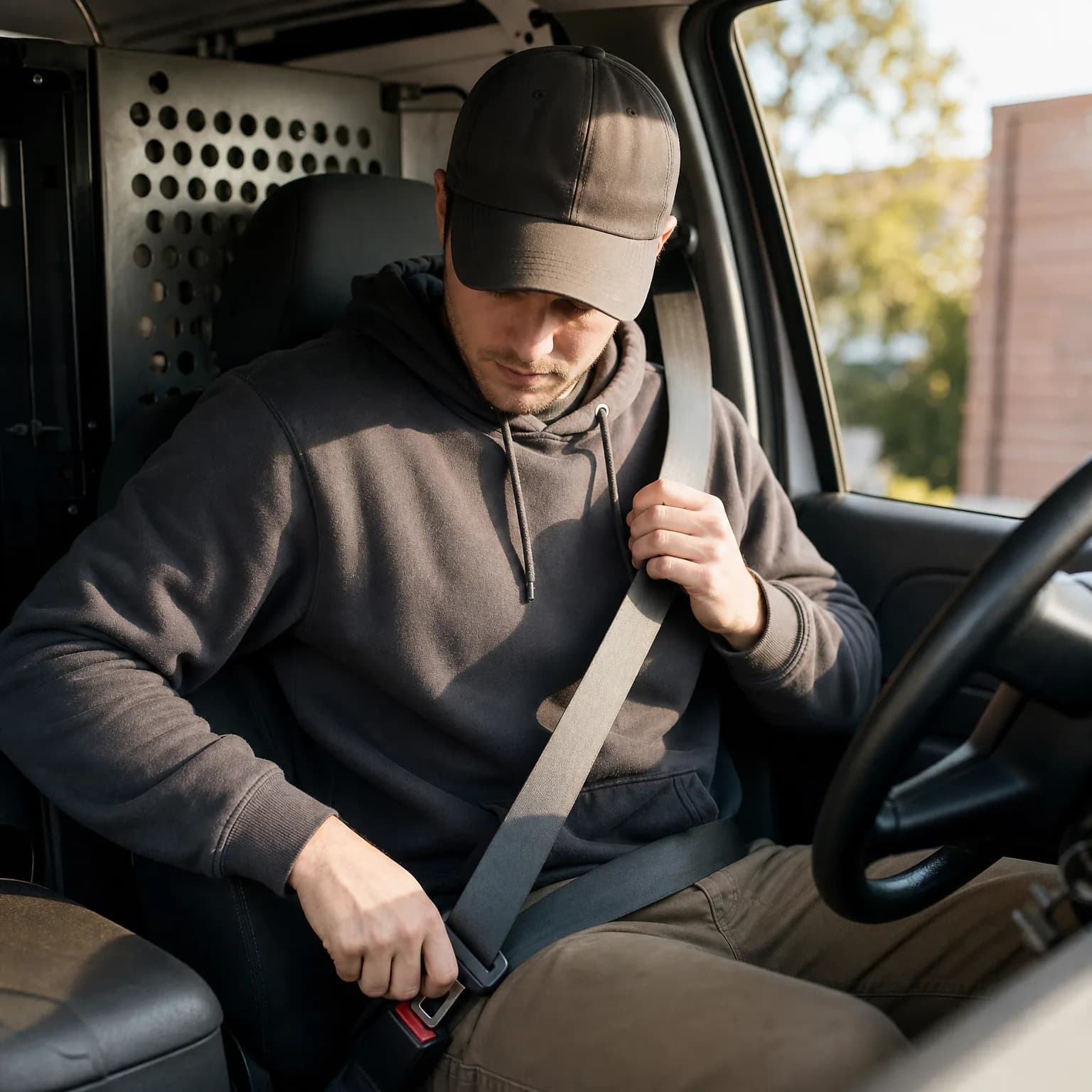
A non-owner policy provides liability coverage when you drive a vehicle you don't own: borrowed cars, rental vehicles, or employer-owned cars used occasionally. It does not cover damage to the vehicle you're driving — that falls under the owner's collision and comprehensive coverage. It covers injuries and property damage you cause to others.
Most non-owner policies in Indiana start at $300 to $600 annually for drivers with clean records. For high-risk drivers requiring SR-22, expect $600 to $1,500 per year depending on your violation type. A DUI typically costs 80–120% more than a lapsed insurance suspension. Multiple violations or an at-fault accident combined with SR-22 can push annual premiums above $1,800.
The policy does not include coverage for vehicles you own, lease, or use regularly. If you later purchase a car, you must convert to a standard auto policy and transfer the SR-22 filing. Driving a household member's car regularly also disqualifies non-owner coverage — insurers classify that as regular use, requiring you to be added to the owner's policy instead.

How to Get Non-Owner SR-22 Filed With Indiana's BMV
Not all carriers write non-owner policies, and fewer still accept SR-22 filings for high-risk drivers. Progressive, The General, and National General commonly write non-owner SR-22 in Indiana. State Farm and Geico offer non-owner coverage but often decline SR-22 requests tied to DUI or multiple violations. Expect 40–60% of standard carriers to decline your application outright if your SR-22 stems from a major violation.
Once you purchase a policy, the insurer files the SR-22 certificate electronically with the Indiana BMV within 24–72 hours. You receive a confirmation letter showing your filing date. The BMV processes the filing within 5–7 business days. Until the BMV updates your record, your license remains suspended — you cannot legally drive during this processing window even if you've paid for coverage.
If you cancel the policy or miss a payment, your insurer notifies the BMV immediately. Indiana imposes a new suspension effective 10 days after the lapse notice. Reinstatement after a lapse requires paying a $250 reinstatement fee, re-filing SR-22, and restarting your compliance period from day one. A lapse 2 years into a 3-year requirement means you now face 3 more years, not 1.
Cost Comparison: Non-Owner vs. Standard SR-22 Coverage
Non-owner SR-22 policies cost 50–70% less than standard SR-22 auto insurance because they exclude collision, comprehensive, and coverage for a specific vehicle. A driver with a DUI paying $2,400 annually for standard SR-22 coverage might pay $900–$1,200 for non-owner SR-22 with identical liability limits.
The SR-22 filing fee itself ranges from $15 to $50 depending on the carrier — it's a one-time administrative charge, not an annual cost. Some insurers build it into the first premium payment; others bill it separately. Indiana does not charge a separate state filing fee beyond the insurer's processing charge.
If you purchase a vehicle before your SR-22 period ends, you'll pay the gap between non-owner and standard rates. Switching mid-term typically doesn't trigger a new filing fee, but expect your annual premium to increase by $1,200 to $2,500 depending on the vehicle and your violation history. Most carriers allow you to transfer the SR-22 filing to the new policy without restarting your compliance clock, but you must notify your insurer within 30 days of acquiring the vehicle to avoid a coverage gap.

Get Your SR-22 Even Without a Car
Get SR-22 Quotes Now
Common Non-Owner SR-22 Scenarios Indiana Drivers Face
You lost your license after a DUI, sold your car to pay legal fees, and now use rideshare or public transit. You still need SR-22 on file to regain driving privileges and prevent additional penalties. Non-owner coverage maintains compliance while you rebuild financial stability without the cost of insuring a vehicle.
You share a household with a spouse or partner who owns the family car. You're listed as an excluded driver on their policy due to your SR-22 requirement, which would otherwise increase their rates by 60–100%. Non-owner insurance covers you when you occasionally borrow the car or drive a rental, and keeps your SR-22 active without affecting their premium.
You drive for work occasionally — a company vehicle, a client's car, or rentals during business travel — but don't own a personal vehicle. Your employer's commercial policy may not cover you fully, or may exclude drivers with SR-22 requirements. A non-owner policy fills the liability gap and satisfies Indiana's continuous filing mandate without requiring you to maintain coverage on a car you don't use daily.

How Long You'll Maintain Non-Owner SR-22 in Indiana
Indiana's typical SR-22 filing periods are 3 years for first-offense DUI, 5 years for refusal to submit to testing or second DUI, and up to 10 years for habitual traffic violator (HTV) designation. Your specific requirement appears on your suspension notice or reinstatement order from the BMV — this is the binding document, not general guidelines.
The clock starts the day the BMV receives your SR-22 filing and processes your reinstatement, not the day you purchase the policy. If you delay filing by 6 months after your suspension, your 3-year requirement doesn't end until 3 years and 6 months after the violation date. Every day without active SR-22 on file extends your total restricted period.
After your filing period ends, your insurer does not automatically notify the BMV. You must contact your carrier and request SR-22 termination, or simply allow the policy to lapse. If you maintain the non-owner policy beyond the required period, you continue paying for coverage you may not need — but letting it lapse early triggers a violation notice. Verify your end date with the BMV before canceling coverage to avoid accidental non-compliance.
Finding Non-Owner SR-22 Coverage After Indiana Denials
If two or more standard carriers decline your non-owner SR-22 application, you're likely classified as high-risk due to violation type, violation frequency, or recent lapse history. DUI combined with a lapsed insurance suspension, or three moving violations within 24 months, pushes most applicants into non-standard markets.
Non-standard carriers specialize in high-risk profiles and accept SR-22 filings standard insurers won't touch. Expect premiums 30–50% higher than standard non-owner rates — typically $1,200 to $2,000 annually for DUI-related SR-22. The tradeoff is eligibility: non-standard insurers rarely decline applications outright, though they may require full payment upfront or limit you to six-month policy terms instead of annual coverage.
Comparing quotes from multiple non-standard carriers often reveals rate spreads of $400 to $800 annually for identical coverage and SR-22 filing. One declination does not mean universal unavailability — it means you're shopping in the wrong market tier. High-risk comparison tools filter for carriers that actively write non-owner SR-22 in Indiana, reducing declinations and identifying the lowest available rate for your specific violation profile.
Frequently Asked Questions
Can I get non-owner SR-22 insurance in Indiana if I live with someone who owns a car?
Yes, but only if you're listed as an excluded driver on the vehicle owner's policy or you drive their car infrequently. If you're a regular operator of a household vehicle, insurers require you to be added to the owner's standard policy instead of purchasing separate non-owner coverage. Misrepresenting regular use can void your policy and trigger an SR-22 lapse.
What happens if I buy a car while holding non-owner SR-22 insurance in Indiana?
You must notify your insurer within 30 days and convert to a standard auto policy. Your SR-22 filing transfers to the new policy without restarting your compliance period, but your premium will increase significantly — typically $1,200 to $2,500 more annually depending on the vehicle and your violation history. Failing to notify your insurer creates a coverage gap that the BMV treats as an SR-22 lapse.
How much does non-owner SR-22 insurance cost in Indiana after a DUI?
Most drivers with a DUI pay $600 to $1,500 annually for non-owner SR-22 coverage in Indiana, depending on other factors like age, violation history, and the time since the offense. This is 50–70% less than standard SR-22 auto insurance because non-owner policies exclude collision and comprehensive coverage. Rates drop 15–25% annually as you maintain a clean record during your filing period.
Does non-owner insurance cover me when I rent a car in Indiana?
Yes, non-owner liability insurance covers you when driving a rental vehicle, up to your policy limits. It does not cover damage to the rental car itself — you'd need the rental company's collision damage waiver or a separate rental reimbursement endorsement for that. Your SR-22 filing remains active regardless of whether you're driving a borrowed, rented, or owned vehicle.
What happens if my non-owner SR-22 policy lapses in Indiana?
Your insurer notifies the Indiana BMV immediately, and the BMV suspends your license 10 days after receiving the lapse notice. Reinstatement requires a $250 fee, re-filing SR-22, and restarting your entire compliance period from day one — a lapse 2 years into a 3-year requirement means you face 3 more years, not 1. Avoiding even a single-day gap is critical.
Related Articles

SR-22 for Snowbirds: Filing Between Two States
5/18/2026

SR-22 for Motorcycle-Only Owners: Non-Owner Filing Guide
5/18/2026

Route Restricted License + SR-22 in South Carolina
5/18/2026

SR-22 and Florida FAJUA: What Replaced the State Pool
5/18/2026

Out-of-State DUI: Which State Files Your SR-22?
5/18/2026

SR-22 vs FR-44 in Virginia: Bodily Injury Minimum Gap
5/18/2026