Non-Owner SR-22 in Kansas: Cost, Filing & When You Need It
Get SR-22 Quotes NowWhat Non-Owner SR-22 Insurance Actually Covers in Kansas
Non-owner SR-22 insurance is a liability-only policy that covers damage you cause while driving a vehicle you don't own. In Kansas, the minimum required liability limits are 25/50/25: $25,000 bodily injury per person, $50,000 per accident, and $25,000 property damage. The SR-22 itself is not insurance — it's a certificate your insurer files electronically with the Kansas Department of Revenue proving you carry continuous coverage.
This policy kicks in when you drive a borrowed car, rental vehicle, or use a car-sharing service. It does not cover vehicles you own, vehicles furnished for your regular use, or damage to the car you're driving. If you live with someone who owns a car and you drive it regularly, non-owner SR-22 won't cover you — you'd need to be listed on their standard policy with SR-22 endorsement.
Kansas accepts non-owner SR-22 filings for license reinstatement after DUI convictions, multiple moving violations, at-fault accidents without insurance, or driving uninsured citations. The state does not require you to own a vehicle to satisfy SR-22 requirements, which makes non-owner policies the most affordable path for drivers who sold their car, rely on public transit, or simply don't drive often enough to justify owning.

How Much Non-Owner SR-22 Costs in Kansas After a Violation
Non-owner SR-22 policies in Kansas typically cost $25 to $75 per month for state minimum liability coverage, depending on your violation type and driving history. The SR-22 filing fee itself ranges from $15 to $50 as a one-time charge, though some insurers build it into your first premium payment. A DUI conviction generally places you in the higher end of that range, while a lapse in coverage or single at-fault accident without insurance trends toward the lower end.
For context, a standard auto policy with SR-22 after a DUI in Kansas averages $180 to $320 per month. Non-owner coverage costs 70–85% less because you're not insuring a vehicle for collision or comprehensive damage. If you're facing a 3-year SR-22 requirement, the difference between non-owner and standard coverage can exceed $6,000 over the filing period.
Carriers that write non-owner SR-22 in Kansas include The General, Direct Auto, Acceptance Insurance, and Progressive. Not all insurers offer non-owner policies — many national carriers like State Farm and Geico either don't write them or restrict availability to drivers without recent major violations. Expect to work with non-standard or high-risk carriers, which specialize in post-violation coverage and understand the SR-22 filing process.
When Kansas Requires SR-22 and How Long You'll File
Kansas mandates SR-22 filing after specific violations: DUI or DWI convictions, driving without insurance citations, multiple moving violations within a 12-month period, at-fault accidents without proof of insurance, and license suspensions related to failure to pay judgments. The Kansas Department of Revenue notifies you by mail if SR-22 is required, and the notice includes your required filing duration — typically 1 to 5 years depending on the violation.
DUI convictions in Kansas trigger a 3-year SR-22 requirement in most cases, though second or subsequent DUIs can extend the period to 5 years. Driving without insurance typically requires 1 to 2 years of SR-22 filing. The filing period begins the day your insurer submits the SR-22 certificate to the state, not the day you purchase the policy — so any delay in filing extends your overall timeline.
If your SR-22 policy lapses or cancels for any reason during the required period, your insurer must file an SR-26 form with the state within 15 days. Kansas then suspends your license immediately, and you'll need to refile SR-22, pay a reinstatement fee of $100, and restart your filing clock from day one. This means a single missed payment 2 years into a 3-year requirement resets you back to a full 3-year obligation.
Get Your SR-22 Even Without a Car
Get SR-22 Quotes NowHow to File Non-Owner SR-22 in Kansas Without Resetting Your Clock
Contact a carrier that writes non-owner SR-22 policies in Kansas and request a quote for state minimum liability with SR-22 endorsement. Provide your driver's license number, the violation details from your Kansas Department of Revenue notice, and confirmation that you do not own a vehicle. The insurer will issue the policy and file the SR-22 electronically with the state within 24 to 72 hours.
Once filed, the Kansas Department of Revenue typically processes SR-22 certificates within 3 to 5 business days. You can verify filing status by calling the Driver Control Bureau at 785-296-3671 or checking your online driver record. Do not assume filing is complete until you receive confirmation — if the state doesn't have your SR-22 on file, your reinstatement or compliance period does not begin.
Set up automatic payments to avoid lapses. Missing a single monthly premium triggers an SR-26 cancellation notice, which suspends your license and restarts your entire SR-22 requirement. If you need to switch carriers during your filing period, purchase the new policy and confirm the new SR-22 is filed before canceling your old policy. A gap of even one day between filings counts as a lapse and resets the clock.
Coverage Limits You Actually Need Versus What Carriers Sell You
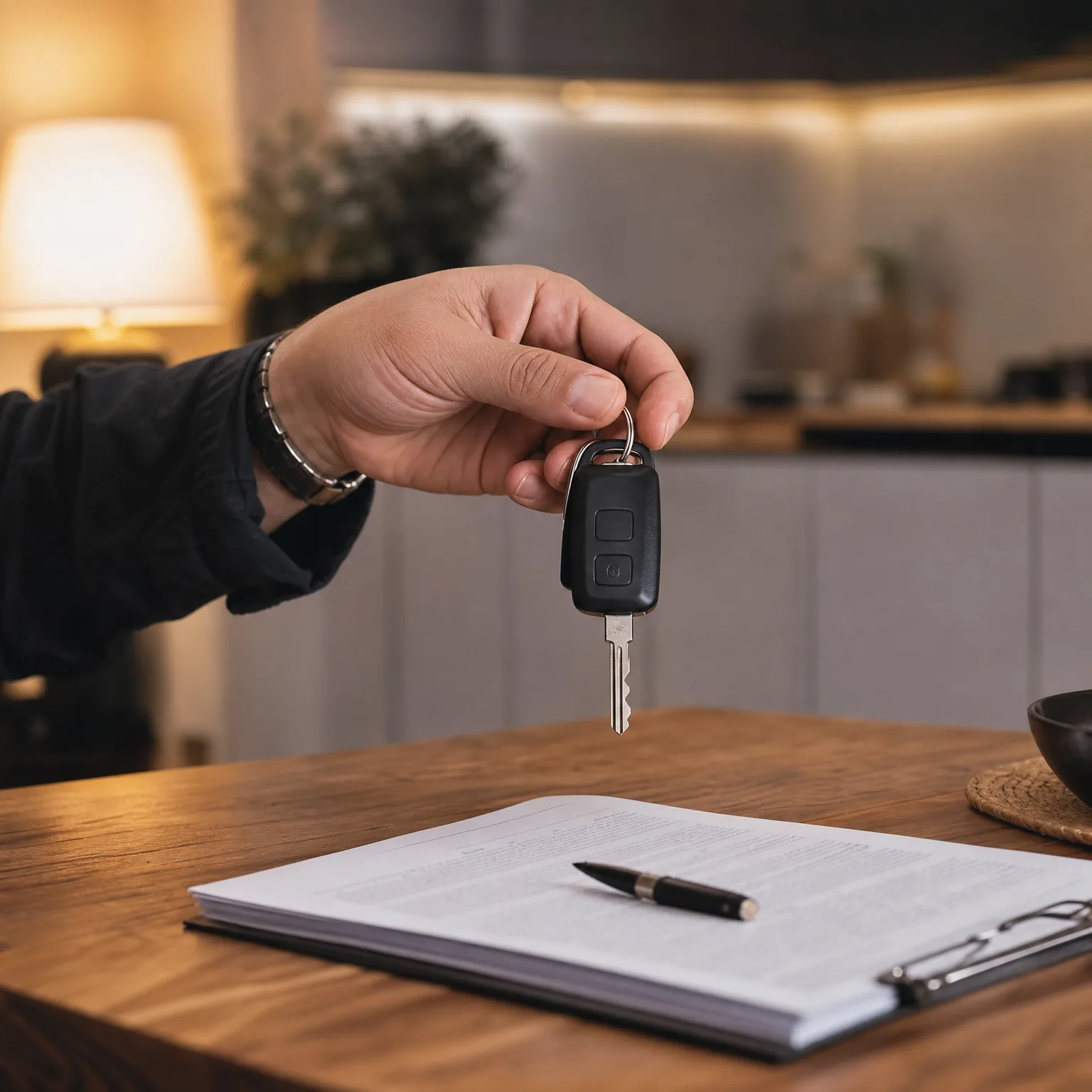
Kansas requires 25/50/25 liability minimums for SR-22 compliance, and that's the only coverage tier you legally need on a non-owner policy. Many carriers push 50/100/50 or 100/300/100 limits, citing "better protection" or "peace of mind." While higher limits do reduce personal financial exposure if you cause a serious accident, they also increase your monthly premium by 40–80% — and most drivers on non-owner policies drive infrequently.
If you drive less than twice per week, borrow cars only occasionally, or rely primarily on rideshare and public transit, state minimums keep your SR-22 obligation affordable. If you drive daily or frequently borrow high-value vehicles, consider 50/100/50 limits as a middle ground. The key is matching coverage to actual risk, not what a sales script recommends.
Do not add uninsured motorist coverage, medical payments, or rental reimbursement to a non-owner policy unless you have a specific reason. These coverages increase premiums without adding value for drivers who don't own a car. The only endorsement you need beyond state minimum liability is the SR-22 certificate itself.
What Happens When Your Kansas SR-22 Period Ends
Once you complete your required SR-22 filing period in Kansas without lapses, your insurer is not required to notify the state — SR-22 simply expires. You can verify completion by requesting a driver record from the Kansas Department of Revenue or checking your online account. No reinstatement fee or additional filing is required at the end of the period.
At that point, you can cancel your non-owner policy if you still don't own a vehicle, switch to a standard policy if you've purchased a car, or maintain the non-owner coverage if you continue driving occasionally. Rates typically drop 15–30% once SR-22 is no longer required, though your violation will still affect pricing until it falls off your driving record — 3 years for most moving violations, 5 years for DUI convictions in Kansas.
If you plan to purchase a vehicle immediately after your SR-22 period ends, shop for quotes 30 to 45 days before completion. Your rates will still reflect your violation history, but removing the SR-22 requirement opens access to more carriers and better pricing tiers. Drivers who maintain continuous coverage throughout their SR-22 period also avoid lapse surcharges, which can add 20–40% to future premiums.
Frequently Asked Questions
Can I get non-owner SR-22 in Kansas if I live with someone who owns a car?
Yes, but the policy won't cover you when driving that household vehicle. Kansas insurers consider cars owned by household members as "furnished for your regular use," which non-owner policies exclude. If you drive the household car, you need to be added to the owner's standard policy with SR-22 endorsement instead.
What happens if I buy a car while my Kansas non-owner SR-22 is active?
You must switch to a standard auto policy with SR-22 endorsement within 30 days of purchasing the vehicle. Non-owner policies don't cover vehicles you own, so continuing that coverage leaves you uninsured and violates your SR-22 requirement. Contact your insurer immediately after buying the car to convert your policy and refile SR-22.
Does non-owner SR-22 in Kansas cover rental cars?
Yes, non-owner SR-22 provides liability coverage when you drive rental cars, though it doesn't cover damage to the rental vehicle itself. You'll still need to decide whether to purchase the rental company's collision damage waiver. Your non-owner policy only pays for damage you cause to other people and their property.
Will my Kansas SR-22 requirement follow me if I move to another state?
Yes. If you move before completing your Kansas SR-22 period, you must maintain continuous SR-22 filing in your new state or Kansas will suspend your driving privilege. Contact a carrier in your new state, have them file SR-22 there, then cancel your Kansas policy only after confirming the new filing is active.
Can I cancel non-owner SR-22 insurance in Kansas once I stop driving?
Not during your required filing period. Kansas mandates continuous SR-22 coverage for the full duration specified in your reinstatement notice, regardless of whether you're actively driving. Canceling the policy triggers an SR-26 filing, immediate license suspension, and a restart of your entire SR-22 requirement.
Related Articles
SR-22 for Snowbirds: Filing Between Two States
5/18/2026

SR-22 for Motorcycle-Only Owners: Non-Owner Filing Guide
5/18/2026
Route Restricted License + SR-22 in South Carolina
5/18/2026
SR-22 and Florida FAJUA: What Replaced the State Pool
5/18/2026
Out-of-State DUI: Which State Files Your SR-22?
5/18/2026
SR-22 vs FR-44 in Virginia: Bodily Injury Minimum Gap
5/18/2026