
Non-Owner SR-22 Insurance in Vermont: Filing Without a Car
Get SR-22 Quotes NowWhen Vermont Requires Non-Owner SR-22 (And When It Doesn't)
Vermont's DMV mandates SR-22 filing primarily after DUI convictions, driving with a suspended license, multiple serious violations within 24 months, or at-fault accidents without insurance. If you don't own a vehicle but need to reinstate your license, non-owner SR-22 satisfies Vermont's filing requirement — the state does not require you to own or insure a specific car to file.
Non-owner SR-22 makes sense in three specific situations: you sold your car after a violation but need a valid license for work or family obligations, you borrow or rent vehicles occasionally but don't own one, or you're required to maintain continuous coverage to avoid a lapse penalty but currently have no car. If you own a registered vehicle in your name, Vermont requires standard owner SR-22 coverage on that vehicle — non-owner policies won't satisfy the filing requirement.
Vermont typically requires SR-22 filing for three years from the date of reinstatement, though court orders or DMV actions can extend or shorten that period. The filing period begins only after you've served any suspension, paid reinstatement fees (usually $136 for DUI-related suspensions), and submitted proof of insurance — it does not count time served while suspended.
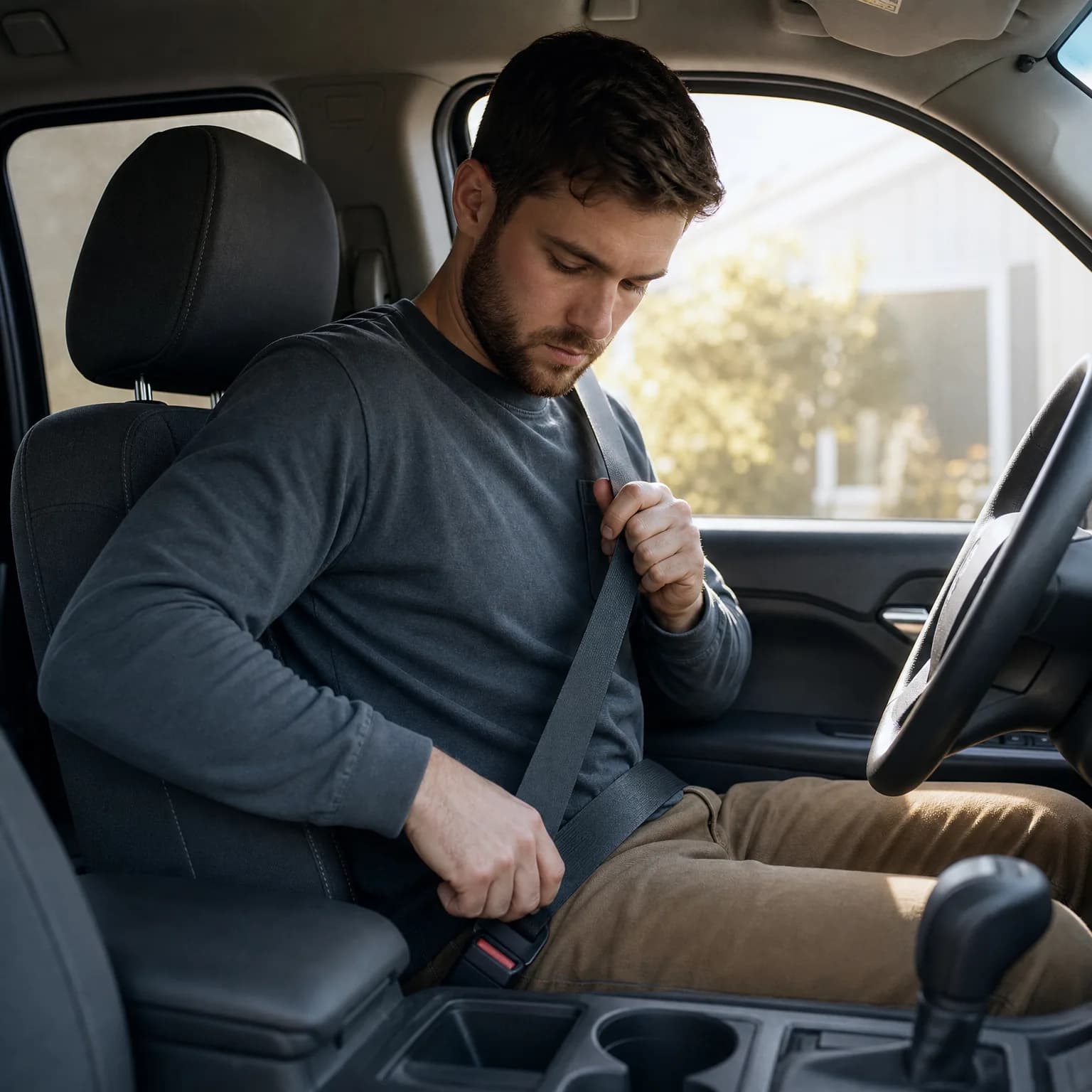
What Non-Owner SR-22 Covers in Vermont
Non-owner SR-22 policies provide liability coverage when you drive a car you don't own — either borrowed from a friend, rented, or provided by an employer. Vermont's minimum liability limits are 25/50/10: $25,000 per person for bodily injury, $50,000 per accident, and $10,000 for property damage. The policy does not cover damage to the vehicle you're driving or your own injuries — only your legal liability to others.
Most carriers writing non-owner SR-22 in Vermont offer only state minimum limits, though some allow you to purchase higher coverage (50/100/25 or 100/300/50). Higher limits cost 15–30% more but protect you if you cause a serious accident — Vermont allows injured parties to sue for damages beyond your policy limits, and a single hospitalization can exceed $50,000.
Non-owner policies specifically exclude vehicles you own, vehicles registered to household members, and vehicles you use regularly (defined as more than 12 times per year by most carriers). If you live with someone who owns a car and you drive it frequently, you need to be added as a rated driver on their policy — a non-owner SR-22 won't respond to a claim in that scenario.


What Non-Owner SR-22 Costs After a Vermont Violation
Non-owner SR-22 policies in Vermont typically cost $25–$50 per month ($300–$600 annually) for state minimum coverage, compared to $100–$200 per month ($1,200–$2,400 annually) for standard SR-22 on an owned vehicle. The SR-22 filing fee itself is usually $15–$50, paid once at the start of your policy — your carrier submits the form electronically to Vermont DMV within 24 hours of binding coverage.
Your actual rate depends primarily on what triggered the SR-22 requirement. A first-offense DUI typically increases non-owner premiums by 70–110% over a clean-record non-owner policy. Driving with a suspended license adds 50–80%. Multiple at-fault accidents within 24 months can double base rates. If you have a DUI plus other violations, expect to land in the high end of the range — carriers view layered risk as exponentially higher, not additively higher.
Vermont-licensed carriers writing non-owner SR-22 for high-risk profiles include The General, Direct Auto, Acceptance Insurance, and Progressive. National General and Dairyland also write non-owner SR-22 but may decline drivers with DUIs less than 36 months old or multiple suspensions. Shopping across at least three carriers is essential — rate spreads of 40–60% for the same coverage are common in the non-standard market.

Get Your SR-22 Even Without a Car
Get SR-22 Quotes NowHow to File Non-Owner SR-22 in Vermont
Contact a carrier licensed to write non-owner SR-22 in Vermont and request a quote specifying your violation type, conviction date, and required filing period. Most non-standard carriers can bind coverage and file SR-22 electronically the same day — Vermont DMV typically processes filings within 2–5 business days, though reinstatement can take up to 10 days if your suspension involved a DUI or multiple offenses.
Once your carrier files the SR-22, Vermont DMV will mail a reinstatement notice confirming your license is eligible for restoration. You'll need to pay the reinstatement fee online or at a DMV office before your license is active — the SR-22 filing alone does not reinstate your license, and driving before paying the fee extends your suspension and can trigger new charges.
Your carrier must maintain continuous SR-22 filing for the entire required period. If your policy lapses or cancels for non-payment, the carrier is legally required to notify Vermont DMV within 10 days — your license suspends immediately, and you'll need to restart the filing period from zero. Set up automatic payments and monitor your policy closely, especially around renewal dates when coverage gaps are most common.
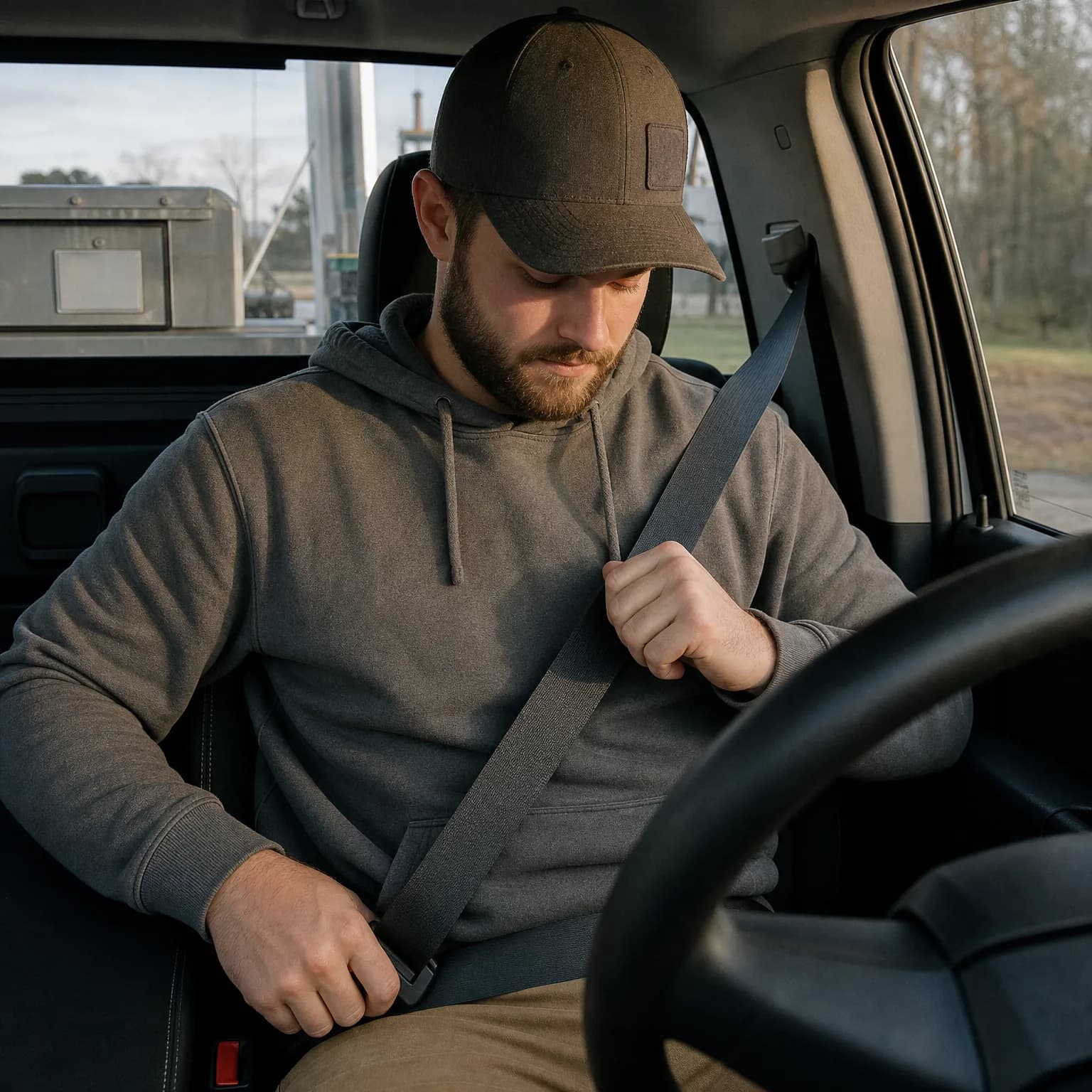
What Happens If You Buy a Car While Filing Non-Owner SR-22
If you purchase or register a vehicle in your name while holding a non-owner SR-22 policy, you must immediately convert to a standard SR-22 policy covering that vehicle. Vermont law requires all registered vehicles to carry continuous liability coverage — the non-owner policy does not satisfy this requirement because it excludes owned vehicles.
Contact your carrier within 24 hours of registering the vehicle and request a policy conversion. Most carriers can transfer your SR-22 filing to the new policy without restarting your filing period, but expect your premium to increase significantly — standard SR-22 policies cost 2–4 times more than non-owner policies because they cover collision risk, comprehensive risk, and higher liability exposure.
If you fail to notify your carrier and continue driving the owned vehicle under a non-owner policy, any accident will result in a denied claim — and Vermont DMV will suspend your license for driving an uninsured vehicle, adding another violation to your record and extending your SR-22 filing requirement by an additional 3 years.

How to Reduce Non-Owner SR-22 Costs Over Time
Your non-owner SR-22 rate will drop as violations age off your record. Most carriers re-rate policies at each renewal based on your current driving record — a DUI loses significant rating weight after 36 months and typically falls off entirely after 5–7 years, depending on the carrier. A suspended license charge or at-fault accident usually impacts rates for 3–5 years.
Maintaining continuous coverage without lapses is critical. Even a single day without active SR-22 filing resets your required filing period to zero in Vermont and signals high risk to future carriers — drivers with coverage gaps pay 25–40% more than drivers with unbroken histories, even for the same violations.
Re-shop your policy every 12 months, especially as you approach the 3-year mark from your original violation. Carriers that declined you initially may accept you once the conviction ages past 36 months, and rate spreads between high-risk carriers shift significantly year over year — a carrier offering the lowest rate at month 12 may be 30% higher than competitors at month 24.
Frequently Asked Questions
Can I get non-owner SR-22 in Vermont if I live with someone who owns a car?
Yes, but only if you do not drive their vehicle regularly. If you use a household member's car more than occasionally (most carriers define this as more than 12 times per year), you must be added as a rated driver on their policy — a non-owner SR-22 won't cover you in that scenario and will deny any claim.
Does Vermont accept out-of-state non-owner SR-22 policies?
Yes, as long as the carrier is licensed to file SR-22 in Vermont and the policy meets Vermont's minimum liability limits (25/50/10). The carrier must file the SR-22 certificate directly with Vermont DMV — you cannot file it yourself or use a policy that doesn't explicitly include SR-22 endorsement.
What happens if I move out of Vermont while filing non-owner SR-22?
You must notify your carrier immediately and convert to a policy that satisfies your new state's SR-22 or FR-44 requirements. Some states do not accept non-owner SR-22 filings, and your Vermont filing period does not transfer — you'll need to meet the new state's duration requirement, which may be longer or shorter than Vermont's 3-year standard.
Can I cancel my non-owner SR-22 policy before the 3-year period ends?
Only if Vermont DMV has released you from the SR-22 requirement or you've switched to another SR-22 policy without a coverage gap. Canceling voluntarily before the required period ends suspends your license immediately and restarts the filing clock at zero — you lose all time already served.
Will non-owner SR-22 cover me if I rent a car in Vermont?
Yes, non-owner SR-22 provides liability coverage when you drive a rental car, but it does not cover damage to the rental vehicle itself. Most rental companies require you to purchase their collision damage waiver or provide proof of comprehensive and collision coverage from another source — your non-owner policy satisfies Vermont's legal requirement but not the rental company's contract terms.
Related Articles

SR-22 for Snowbirds: Filing Between Two States
5/18/2026

SR-22 for Motorcycle-Only Owners: Non-Owner Filing Guide
5/18/2026
Route Restricted License + SR-22 in South Carolina
5/18/2026

SR-22 and Florida FAJUA: What Replaced the State Pool
5/18/2026
Out-of-State DUI: Which State Files Your SR-22?
5/18/2026
SR-22 vs FR-44 in Virginia: Bodily Injury Minimum Gap
5/18/2026