Non-Owner SR-22 and Rideshare: Does It Cover Uber or Lyft?
Get SR-22 Quotes NowWhy Non-Owner SR-22 Fails for Rideshare Drivers
Non-owner SR-22 policies are designed to cover liability when you borrow a vehicle occasionally — not when you have regular access to a specific car, and rideshare platforms require you to register a vehicle you drive consistently. The moment you're approved as an Uber or Lyft driver and link a vehicle to your account, you have regular access to that car under most policy definitions, which triggers the regular-use exclusion in your non-owner policy.
This creates three coverage gaps rideshare drivers with SR-22 requirements face. First, your non-owner policy won't cover you during personal use of the rideshare vehicle — the period before you toggle the app on or after you toggle it off. Second, Uber and Lyft liability coverage only applies when the app is on and you're en route to a pickup or have a passenger — not when you're driving to the grocery store in the same car. Third, your SR-22 filing requires continuous proof of coverage, and a lapse during personal-use periods can reset your filing clock to zero in most states.
Carriers won't tell you this upfront because non-owner policies are profitable — low claims, predictable risk. But the regular-use exclusion is buried in every non-owner policy contract, and it applies the moment you start using one vehicle consistently, whether you own it or not.
What Rideshare Platform Coverage Actually Covers
Uber and Lyft provide three tiers of liability coverage, and none of them apply during personal use of your vehicle. Period 1 coverage — when the app is on but you haven't accepted a ride — provides $50,000 per person, $100,000 per accident, and $25,000 property damage in most states. Period 2 and 3 coverage — en route to pickup or with a passenger — provides $1 million in liability coverage. All three periods require the app to be active.
The gap is everything outside those periods. If you're driving the car you use for rideshare to pick up your kids, run errands, or commute to a second job, neither your non-owner SR-22 policy nor the rideshare platform covers you. You're uninsured during those trips, and if you're stopped during a personal-use trip in a state that requires SR-22, you'll be cited for driving without proof of financial responsibility — which typically triggers license suspension and restarts your SR-22 filing period from day one.
Some rideshare drivers assume the platform's insurance is enough, but it's not. SR-22 filing requires continuous personal auto liability coverage, and platform coverage doesn't satisfy state SR-22 requirements because it's contingent coverage — it only applies when specific conditions are met, not continuously.

The Only Coverage Structure That Works for SR-22 Rideshare Drivers
If you need SR-22 and plan to drive for Uber or Lyft, you need a standard or non-standard auto policy on the vehicle you drive, with an SR-22 endorsement attached to that policy. That policy covers personal use, and the rideshare platform's coverage layers on top during active periods. This is the only structure that closes the coverage gap and maintains continuous SR-22 compliance.
If you own the vehicle, you'll add rideshare endorsement coverage to your policy — typically $10–$30 per month depending on the carrier and your violation history. If you don't own the car but use it regularly for rideshare, you need to be listed as a rated driver on the owner's policy with SR-22 attached, or you need a named non-owner policy that explicitly covers rideshare use — and fewer than a dozen carriers in the U.S. write that product as of current state requirements.
Carriers that write high-risk rideshare coverage include The General, Dairyland, Bristol West, and National General. Expect monthly premiums between $180 and $320 per month for liability-only coverage with SR-22 after a DUI, and $140–$240 per month for SR-22 after multiple violations or an at-fault accident. Rates vary by state, filing duration, and whether you've had a lapse.
Get Your SR-22 Even Without a Car
Get SR-22 Quotes NowWhat Happens If You Drive Rideshare on Non-Owner SR-22 Anyway
If you file a claim during personal use of your rideshare vehicle while holding a non-owner SR-22 policy, your carrier will deny the claim based on the regular-use exclusion. You'll be personally liable for all damages, and your carrier will likely cancel your policy for misrepresentation — which means your SR-22 filing lapses the day the cancellation takes effect.
In most states, your DMV receives electronic notice of SR-22 lapses within 24 hours. Your license will be suspended immediately, and you'll need to refile SR-22, pay reinstatement fees (typically $50–$250 depending on the state), and restart your required filing period from the lapse date. If your original SR-22 requirement was 3 years and you lapse after 2 years, you don't owe 1 year — you owe another full 3 years in states like California, Florida, and Illinois.
If you're stopped during personal use and can't provide proof of coverage, you'll be cited for driving without insurance — a violation that typically adds 6–12 months to your SR-22 filing requirement and triggers another rate increase of 20–40% on top of your existing high-risk premium.
Can You Use Someone Else's Car and Keep Non-Owner SR-22?
Non-owner SR-22 works if you occasionally borrow a car you don't have regular access to — a friend's car once a week, a rental for a weekend trip, a coworker's vehicle in an emergency. The policy kicks in as secondary coverage after the vehicle owner's policy pays out, and it satisfies your state's SR-22 requirement as long as you're not using one specific vehicle regularly.
But rideshare driving requires you to register a specific vehicle, log consistent hours, and maintain access to that car — which means you no longer qualify for non-owner coverage the moment you're approved to drive. Even if you're borrowing a family member's car and they own the insurance, your regular use of that car for rideshare disqualifies you from non-owner status.
If you want to drive rideshare with SR-22 using someone else's car, you need to be added as a rated driver on their policy with SR-22 attached to your listing, or you need to secure your own standard policy on that vehicle. Some high-risk carriers allow you to insure a vehicle you don't own if you're the primary driver — Progressive, The General, and Dairyland all write policies under that structure in select states.
How to Get Covered as a Rideshare Driver with SR-22
Start by quoting a standard or non-standard auto policy with SR-22 on the vehicle you'll use for rideshare. If you own the car, add a rideshare endorsement to the policy. If someone else owns it, ask to be listed as a rated driver on their policy with SR-22 attached, or apply for a policy in your name on their vehicle if you're the primary driver.
Call the carrier before binding coverage and confirm that the policy will cover personal use and that the rideshare endorsement layers correctly with Uber or Lyft's platform coverage. Some carriers exclude rideshare entirely for SR-22 drivers, and you need to know that before you pay a deposit.
Once coverage is bound, request SR-22 filing and confirm your state DMV receives the certificate within 10 days. Uber and Lyft require proof of personal auto insurance before approving you to drive — upload your declarations page showing liability limits that meet or exceed your state's minimum requirements and verify SR-22 is attached. Most rideshare platforms require $50,000/$100,000/$25,000 minimum, but some states mandate higher SR-22 liability limits — California requires $15,000/$30,000/$5,000 for SR-22 but rideshare platforms operating in California still require the higher threshold.
Frequently Asked Questions
Can I add rideshare coverage to my non-owner SR-22 policy?
No. Non-owner policies explicitly exclude coverage for vehicles you use regularly, and rideshare driving requires regular access to a registered vehicle, which disqualifies you from non-owner coverage. You need a standard or non-standard auto policy on the rideshare vehicle with SR-22 attached and a rideshare endorsement added.
Does Uber or Lyft insurance satisfy SR-22 filing requirements?
No. Rideshare platform insurance is contingent coverage that only applies when the app is active, and SR-22 filing requires continuous personal auto liability coverage. Platform coverage won't prevent SR-22 lapses and doesn't cover personal use of your vehicle.
What happens if I get in an accident during personal use with non-owner SR-22?
Your non-owner carrier will deny the claim based on the regular-use exclusion, cancel your policy for misrepresentation, and your SR-22 filing will lapse. Your license will be suspended immediately, and you'll restart your required filing period from the lapse date in most states.
How much does SR-22 auto insurance cost for rideshare drivers after a DUI?
Expect $180–$320 per month for liability-only coverage with SR-22 and rideshare endorsement after a DUI, depending on your state and filing duration. Rates drop 15–25% per year as you maintain continuous coverage and your violation ages beyond 3 years.
Can I drive for Uber or Lyft using a family member's car with SR-22?
Yes, but you must be listed as a rated driver on their policy with SR-22 attached to your listing, and their policy must include a rideshare endorsement. Non-owner SR-22 won't cover you because you have regular access to their vehicle for rideshare use.
Related Articles
SR-22 for Snowbirds: Filing Between Two States
5/18/2026
SR-22 for Motorcycle-Only Owners: Non-Owner Filing Guide
5/18/2026
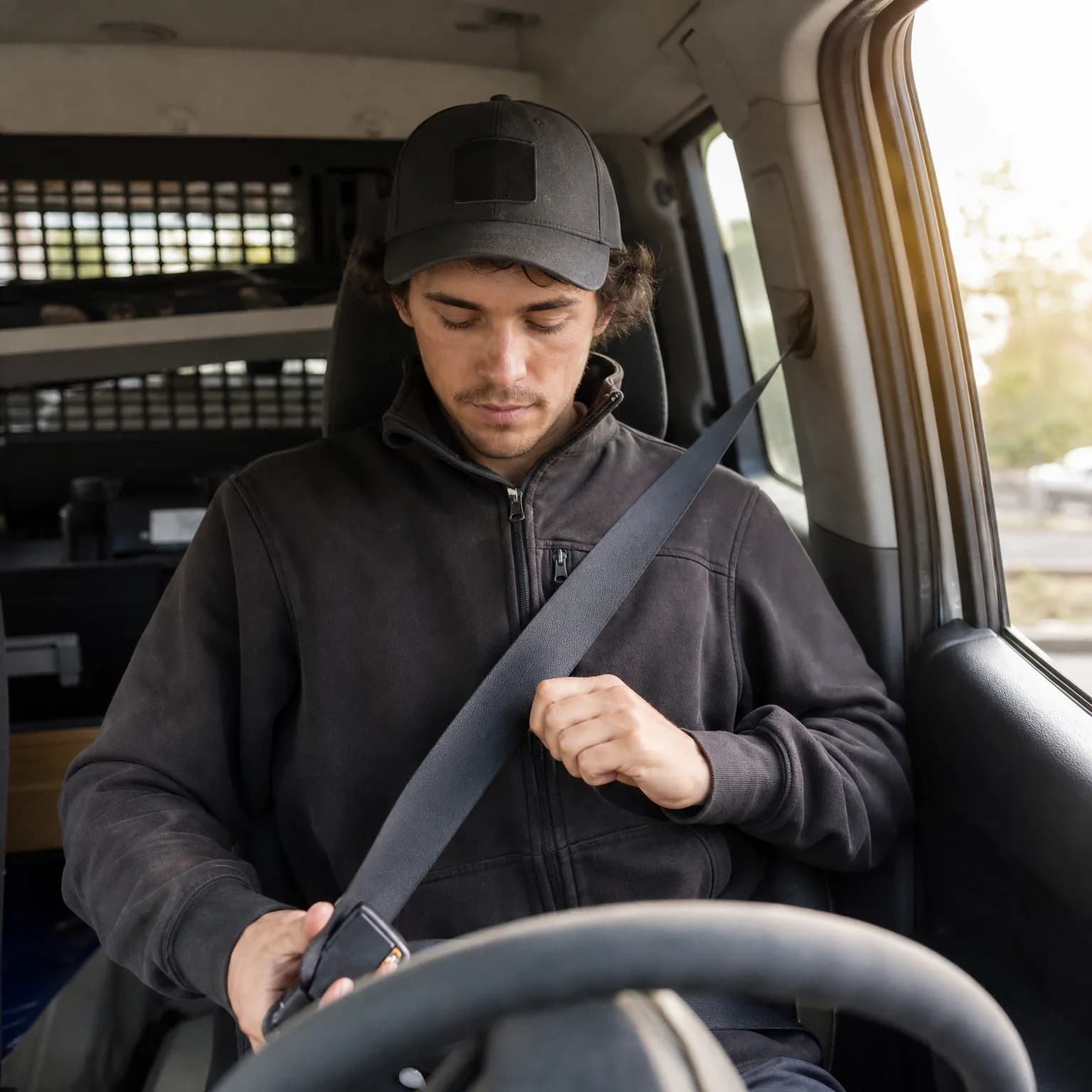
Route Restricted License + SR-22 in South Carolina
5/18/2026
SR-22 and Florida FAJUA: What Replaced the State Pool
5/18/2026

Out-of-State DUI: Which State Files Your SR-22?
5/18/2026

SR-22 vs FR-44 in Virginia: Bodily Injury Minimum Gap
5/18/2026