Non-Owner SR-22 After Child Support License Suspension
Get SR-22 Quotes NowWhy Child Support Suspensions Trigger SR-22 Requirements
Unlike DUI or violation-based suspensions, child support license suspensions are administrative actions initiated by state child support enforcement agencies, not the DMV. When your license is suspended for failure to pay child support, 32 states require SR-22 filing as a condition of reinstatement even though the suspension is unrelated to driving behavior. The SR-22 serves as proof of future financial responsibility, not proof of insurance at the time of violation.
The filing requirement typically appears in your reinstatement notice from the DMV, usually labeled as "proof of financial responsibility" or "SR-22 certificate." In states like California, Ohio, and Florida, this requirement is automatic for any child support-related suspension lasting more than 90 days. You cannot schedule a reinstatement hearing or pay reinstatement fees until the SR-22 is on file with the state.
Non-owner SR-22 policies are specifically designed for this situation: you need SR-22 filing to satisfy the DMV, but you don't own a vehicle or can't legally drive yet. The policy provides state minimum liability coverage if you occasionally borrow or rent a vehicle, and costs substantially less than standard SR-22 policies. Typical non-owner SR-22 premiums range from $25 to $60 per month for drivers with clean records aside from the suspension.
The Reinstatement Sequence: What Must Happen First
Child support suspensions operate on a two-step reinstatement process that most drivers don't understand until they're already paying for coverage they can't use. First, you must resolve the underlying child support obligation and receive a compliance certificate or clearance letter from the child support enforcement agency. Second, you must file SR-22 with the DMV and pay reinstatement fees. Most states will not process your SR-22 filing or schedule reinstatement until the support clearance is received, which can take 10 to 45 days after payment depending on state processing times.
This creates a timing problem: SR-22 policies are typically sold on 6-month terms with immediate effective dates. If you purchase SR-22 coverage before receiving your support clearance, you're paying for 2 to 6 weeks of coverage during a period when the state hasn't started counting your SR-22 filing requirement. Some states like Texas and Michigan do allow pre-filing — your SR-22 goes on record before reinstatement is complete — but most require both the clearance and the SR-22 to be submitted simultaneously.
To avoid paying for unusable coverage, confirm your child support case status before purchasing SR-22. Contact your state child support enforcement office and request a written timeline for clearance issuance after payment. Once you have a clearance date, purchase non-owner SR-22 coverage to begin 3 to 5 business days before that date, allowing time for the insurer to file electronically with the DMV. If you buy too early, you're paying premiums during a suspension period that doesn't reduce your SR-22 filing obligation.
Non-Owner SR-22 Filing Requirements by State
Filing requirements for child support suspensions vary significantly by state, and many drivers are never told the specific duration or conditions by the DMV. In California, child support-related SR-22 filing is required for 3 years from the reinstatement date, identical to DUI SR-22 requirements. Ohio mandates 5 years of continuous SR-22 filing for any financial responsibility suspension, including child support. Florida requires 3 years, but only if the suspension lasted more than 90 days and involved arrears exceeding $2,500.
Several states — including Illinois, Georgia, and North Carolina — impose SR-22 requirements only if the child support suspension is combined with another violation, such as driving while suspended or failure to maintain insurance. If your suspension is solely for child support non-payment, these states may waive SR-22 entirely once you provide proof of current insurance. Always request written confirmation of your SR-22 filing period from the DMV, not just from the child support agency, as the two agencies don't always coordinate requirements.
Non-owner SR-22 policies must meet your state's minimum liability limits to satisfy filing requirements. Most states require 25/50/25 coverage (\$25,000 bodily injury per person, \$50,000 per accident, \$25,000 property damage), though California requires 15/30/5 and Alaska requires 50/100/25. Your insurer files the SR-22 certificate electronically with your state DMV, typically within 24 to 72 hours of policy purchase. Confirm the filing has been received by checking your DMV record online or calling the SR-22 compliance unit directly before paying reinstatement fees.

Get Your SR-22 Even Without a Car
Get SR-22 Quotes NowWhat Non-Owner SR-22 Covers and What It Doesn't
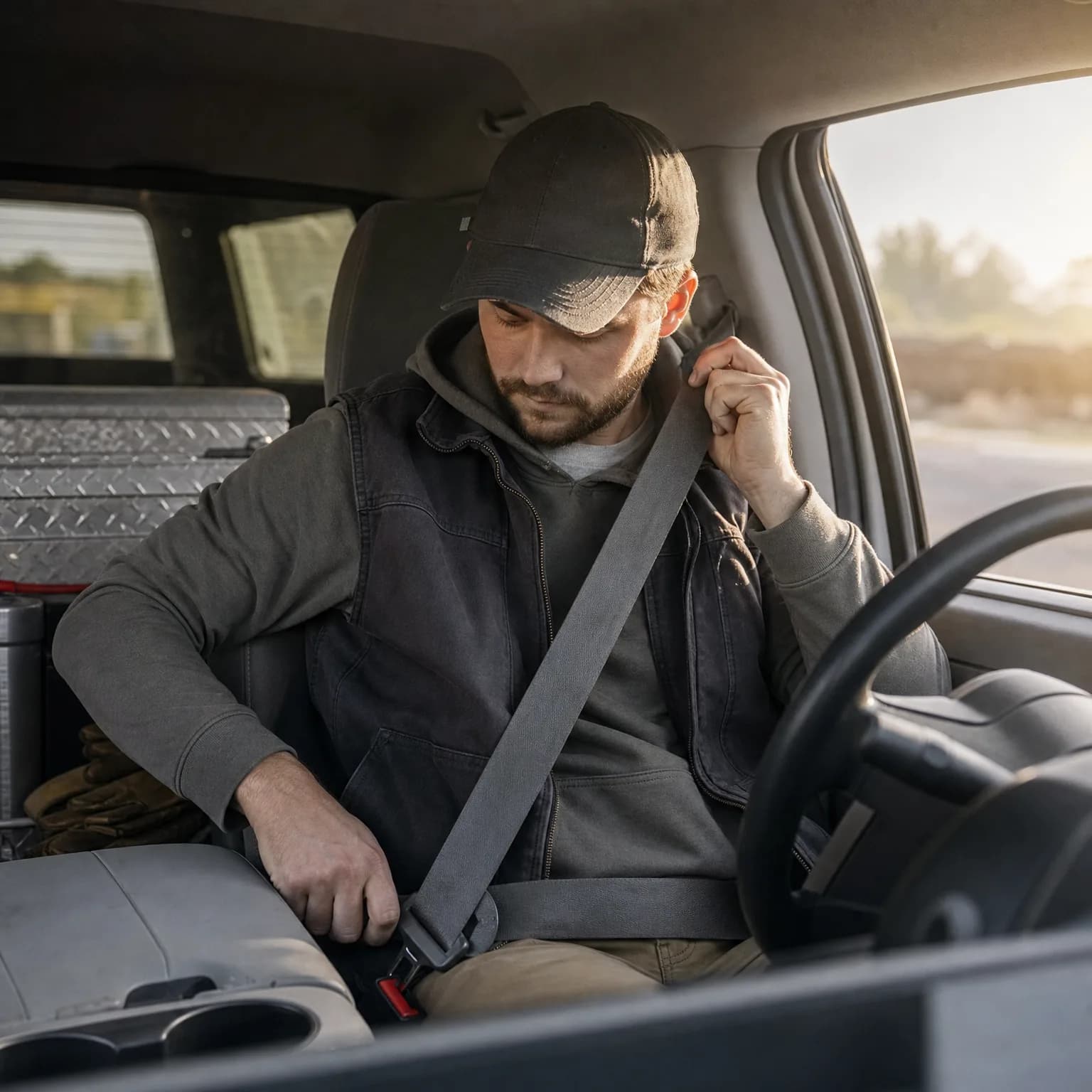
Non-owner SR-22 policies provide liability-only coverage when you drive a vehicle you don't own — typically a borrowed car, rental vehicle, or employer-provided vehicle. The policy does not cover vehicles you own, vehicles registered in your name, or vehicles you use regularly (defined as more than 12 times per month in most policies). If you live with a family member who owns a car and you drive it frequently, you must be added to their policy as a listed driver rather than relying on non-owner coverage.
The coverage follows you, not the vehicle. If you borrow a friend's car and cause an accident, your non-owner policy pays after the car owner's insurance is exhausted. This is secondary coverage, meaning the vehicle owner's liability limits apply first, and your non-owner policy only pays if damages exceed those limits. Non-owner SR-22 does not include collision or comprehensive coverage, so any damage to the vehicle you're driving is not covered by your policy.
Most non-owner SR-22 policies exclude coverage for vehicles available for regular use, vehicles owned by household members, and commercial vehicles over 10,000 pounds. If you regain your license and purchase a vehicle, you must switch from non-owner SR-22 to a standard SR-22 policy within 30 days. Failure to notify your insurer of vehicle ownership can result in claim denial and SR-22 cancellation, which triggers a new suspension and restarts your filing period in most states.
Cost Factors and How to Reduce Premiums
Non-owner SR-22 premiums are determined by your driving record, age, state filing requirements, and the SR-22 duration. For drivers whose only violation is the child support suspension, monthly premiums typically range from $25 to $60. If your record also includes a DUI, at-fault accident, or multiple violations, expect premiums between $75 and $150 per month. The SR-22 filing fee itself — charged by the insurer to submit the certificate to the DMV — ranges from $15 to $50 and is usually a one-time charge, though some carriers charge annually.
Carriers that specialize in non-standard insurance — including The General, Bristol West, Acceptance Insurance, and Gainsco — are most likely to write non-owner SR-22 policies for drivers with child support suspensions. Major carriers like State Farm and Geico offer non-owner policies in some states, but often decline coverage if you have any recent violations beyond the suspension. Always compare quotes from at least three carriers, as premiums can vary by 40% to 80% for identical coverage and filing requirements.
To reduce costs, maintain continuous coverage for the entire SR-22 filing period without lapses. A single lapse — even one day — triggers a DMV notification, reinstates your suspension, and restarts your SR-22 filing clock in most states. Set up automatic payments and request lapse notifications from your insurer. Many carriers offer 5% to 10% discounts for paid-in-full 6-month policies, and some reduce rates after 12 months of claims-free SR-22 coverage. If your income qualifies, ask your insurer about state low-cost auto insurance programs, which are available in California, New Jersey, and Hawaii for drivers meeting income thresholds.
What Happens If You Let Non-Owner SR-22 Lapse
SR-22 lapses are reported to the DMV within 24 to 72 hours of policy cancellation, non-payment, or expiration without renewal. Once the DMV receives the lapse notification, your license is automatically re-suspended in most states, and you receive a notice of suspension by mail. The suspension is immediate — you are not eligible to drive from the moment the DMV processes the lapse, even if you haven't received the notice yet.
Re-suspension for SR-22 lapse restarts your filing period in 38 states, meaning if you lapse 18 months into a 3-year requirement, you owe a new 3-year SR-22 period starting from reinstatement, not 18 additional months. States including California, Florida, and Virginia impose additional reinstatement fees for lapse-related suspensions, typically $100 to $300 on top of the original reinstatement fee. You must also purchase a new SR-22 policy and file a new certificate before reinstatement is processed.
If your non-owner SR-22 policy is cancelled for non-payment, many insurers will not reinstate the same policy — you must purchase new coverage, often at a higher premium due to the lapse on your record. To avoid lapses, set up automatic renewal with your carrier at least 30 days before your policy term ends. If you're switching carriers, ensure the new SR-22 is filed with the DMV before cancelling your old policy, with at least 24 hours of overlap to prevent the DMV from receiving a lapse notification.
Frequently Asked Questions
Can I get non-owner SR-22 if I still owe child support?
Yes, you can purchase non-owner SR-22 coverage while still owing child support, but most states will not process your reinstatement or accept the SR-22 filing until you receive a clearance certificate from the child support enforcement agency. The policy can be active and the SR-22 filed, but your filing period typically doesn't begin until reinstatement is complete.
How long does non-owner SR-22 filing last after a child support suspension?
SR-22 filing periods for child support suspensions range from 3 to 5 years depending on your state, with California and Florida requiring 3 years and Ohio requiring 5. Some states waive SR-22 entirely if the suspension is resolved and you provide proof of standard insurance. Request written confirmation of your specific filing period from your state DMV.
What happens if I buy a car while on non-owner SR-22?
You must notify your insurer within 30 days and convert to a standard SR-22 policy that covers the vehicle you now own. Non-owner SR-22 policies exclude coverage for owned vehicles, so driving your own car under non-owner coverage can result in claim denial and SR-22 cancellation, which triggers a new suspension.
Do I still need SR-22 after my child support case is closed?
Yes, closing your child support case does not terminate your SR-22 filing requirement. You must maintain continuous SR-22 coverage for the full filing period specified by your state DMV, typically 3 to 5 years from reinstatement. Early termination of SR-22 without DMV approval will result in immediate license re-suspension.
Can I drive immediately after buying non-owner SR-22?
No, purchasing non-owner SR-22 does not reinstate your license. You must wait for the child support clearance, submit the SR-22 certificate to the DMV, pay reinstatement fees, and receive confirmation that your driving privileges are restored before operating a vehicle. Driving on a suspended license is a criminal offense in most states, even if SR-22 is on file.
Related Articles
SR-22 for Snowbirds: Filing Between Two States
5/18/2026
SR-22 for Motorcycle-Only Owners: Non-Owner Filing Guide
5/18/2026
Route Restricted License + SR-22 in South Carolina
5/18/2026

SR-22 and Florida FAJUA: What Replaced the State Pool
5/18/2026
Out-of-State DUI: Which State Files Your SR-22?
5/18/2026
SR-22 vs FR-44 in Virginia: Bodily Injury Minimum Gap
5/18/2026