Non-Owner SR-22 for Public Transit Users: What You Actually Need
Get SR-22 Quotes NowWhy Non-Owner SR-22 Exists for Drivers Without Cars
Your state suspended or revoked your license after a DUI, reckless driving charge, lapse in insurance, or too many violations. To get it back, the DMV requires you to file an SR-22 — a certificate proving you carry liability insurance. Most SR-22 guides assume you own a car. If you don't, and you use public transportation, borrow cars occasionally, or rent vehicles, a non-owner SR-22 policy is the only path to reinstatement that doesn't force you to insure a vehicle you don't own.
A non-owner SR-22 policy provides liability-only coverage when you drive a car you don't own — borrowed vehicles, rentals, or occasional use. It satisfies the SR-22 filing requirement without attaching coverage to a specific vehicle. The policy follows you, not a car. States require continuous coverage for the entire SR-22 filing period, typically 3 years for DUI or major violations, so even if you never plan to drive, you must maintain the policy and pay premiums monthly to avoid a new suspension.
This is not optional coverage. If your reinstatement letter says you need an SR-22, and you don't own a car, non-owner SR-22 is the only product that keeps your license valid. Letting the policy lapse triggers an automatic re-suspension in most states, restarting your SR-22 clock from zero and adding reinstatement fees of $50–$200 depending on where you live.
What Non-Owner SR-22 Costs for High-Risk Drivers
Non-owner SR-22 policies cost $25–$75 per month for most drivers with one major violation, significantly less than standard SR-22 auto insurance which averages $150–$300/month. The lower cost reflects the policy's limited scope — you're buying liability coverage only, with no collision, comprehensive, or vehicle-specific risk. The SR-22 filing fee itself is typically $15–$50, paid once at policy inception, then your monthly premium covers the liability insurance the state requires.
Your rate depends on what triggered the SR-22 requirement. A DUI typically raises non-owner SR-22 premiums 80–120% above a clean-record non-owner policy. Multiple violations or an at-fault accident with injury can push monthly costs toward $100–$150. If your suspension came from a lapse in coverage rather than a moving violation, expect rates on the lower end — $30–$50/month in most states — because insurers view administrative violations as lower-risk than DUIs or reckless driving.
Carriers that write non-owner SR-22 include The General, Direct Auto, Acceptance Insurance, and Progressive in select states. Not all insurers offer non-owner policies, and fewer still write them for SR-22 filers. Expect to shop 3–5 carriers minimum to find coverage. Standard and preferred carriers like State Farm or Geico rarely write non-owner SR-22 policies for drivers with DUIs or major violations — you're shopping in the non-standard market where availability varies by state and underwriting appetite changes quarterly. SR-22 insurance

Coverage Limits: Why State Minimum Is Enough for Public Transit Users
Your state's SR-22 filing requires proof of liability insurance at or above the state minimum — typically 25/50/25 or 30/60/25 in most states, meaning $25,000 bodily injury per person, $50,000 per accident, and $25,000 property damage. Many agents will pitch higher limits — 50/100/50 or 100/300/100 — as "responsible" choices. For a public transit user carrying non-owner SR-22 solely to reinstate a license, higher limits are unnecessary and costly.
State-minimum liability satisfies the SR-22 filing requirement and cuts your monthly premium by 30–50% compared to elevated limits. If you don't own a car, rarely drive, and use public transportation as your primary mode, you're not accumulating daily exposure behind the wheel. The risk profile that justifies higher limits — regular commuting, transporting passengers, highway driving — does not apply. You're buying this policy because the state mandates it, not because you're actively driving.
If you occasionally borrow a friend's car or rent a vehicle, understand that non-owner liability is secondary coverage. The vehicle owner's insurance pays first in an accident; your non-owner policy covers the gap only if their limits are exhausted. For most occasional-use scenarios, state-minimum non-owner liability combined with the vehicle owner's primary coverage provides adequate protection. Spending an extra $20–$40/month for higher limits on a policy you rarely trigger makes little financial sense when you're already paying SR-22 premiums to satisfy a legal requirement, not to actively protect driving risk.

Get Your SR-22 Even Without a Car
Get SR-22 Quotes NowHow Long You'll Pay: SR-22 Duration and Lapse Consequences
SR-22 filing periods are set by state law and your violation type. Most states require 3 years of continuous SR-22 coverage for DUI convictions. Suspensions from accumulated violations typically carry 3-year SR-22 terms as well. Administrative suspensions for insurance lapses can require 1–3 years depending on the state and whether it's a first or repeat offense. Your reinstatement notice or court order specifies your exact filing period — check that document, not general guidance, to know your true end date.
The filing period begins the day your SR-22 is submitted to the DMV, not the day of your violation or suspension. If your license was suspended six months ago and you file your SR-22 today, the clock starts today. Every day you delay filing adds a day to the back end of your requirement. Carriers report your SR-22 status to the state electronically; if you cancel your policy, miss a payment, or let coverage lapse for any reason, the insurer must notify the DMV within 24–48 hours, triggering an immediate re-suspension in most states.
A lapse during your SR-22 period restarts the entire filing term from zero in many states. If you're 18 months into a 3-year SR-22 requirement and your policy lapses, you're back to day one of a new 3-year term. You'll also owe new reinstatement fees — typically $50–$200 — and face a second suspension on your record, raising future insurance costs. Continuous coverage is non-negotiable. Set up automatic payments, maintain a buffer in your bank account, and check renewal notices 30 days before your policy expires to avoid accidental lapses.
Finding Non-Owner SR-22 Coverage When You've Been Turned Down
Non-owner SR-22 is a niche product in the non-standard insurance market. If you've been quoted high rates or turned down by one or two carriers, expect to shop more widely. Direct writers like Geico and State Farm rarely write non-owner SR-22 for drivers with DUIs or major violations. You'll find coverage with non-standard specialists: The General, Direct Auto, Acceptance, National General, Bristol West, and Titan in select states. Carrier appetite varies by state — a carrier writing non-owner SR-22 in Ohio may not offer it in Florida.
Brokers and comparison tools that aggregate non-standard carriers are your fastest path to multiple quotes. Shopping 4–6 carriers individually takes time; a broker with access to non-standard markets can return 3–5 quotes in one submission. Rates between carriers for the same profile can vary by $30–$60/month, so comparison is worth the effort. If you're quoted over $100/month for state-minimum non-owner SR-22 with a single DUI and no other violations, you're likely shopping the wrong carrier or a state with expensive SR-22 requirements — get additional quotes before committing.
If you're uninsurable in the voluntary market, state-assigned risk pools provide last-resort coverage in most states. These pools pair high-risk drivers with insurers required to write policies at state-regulated rates. Assigned risk non-owner SR-22 premiums are typically 20–40% higher than voluntary market rates, but availability is guaranteed. Check your state's Department of Insurance website for assigned risk program details if you've been turned down by three or more carriers.
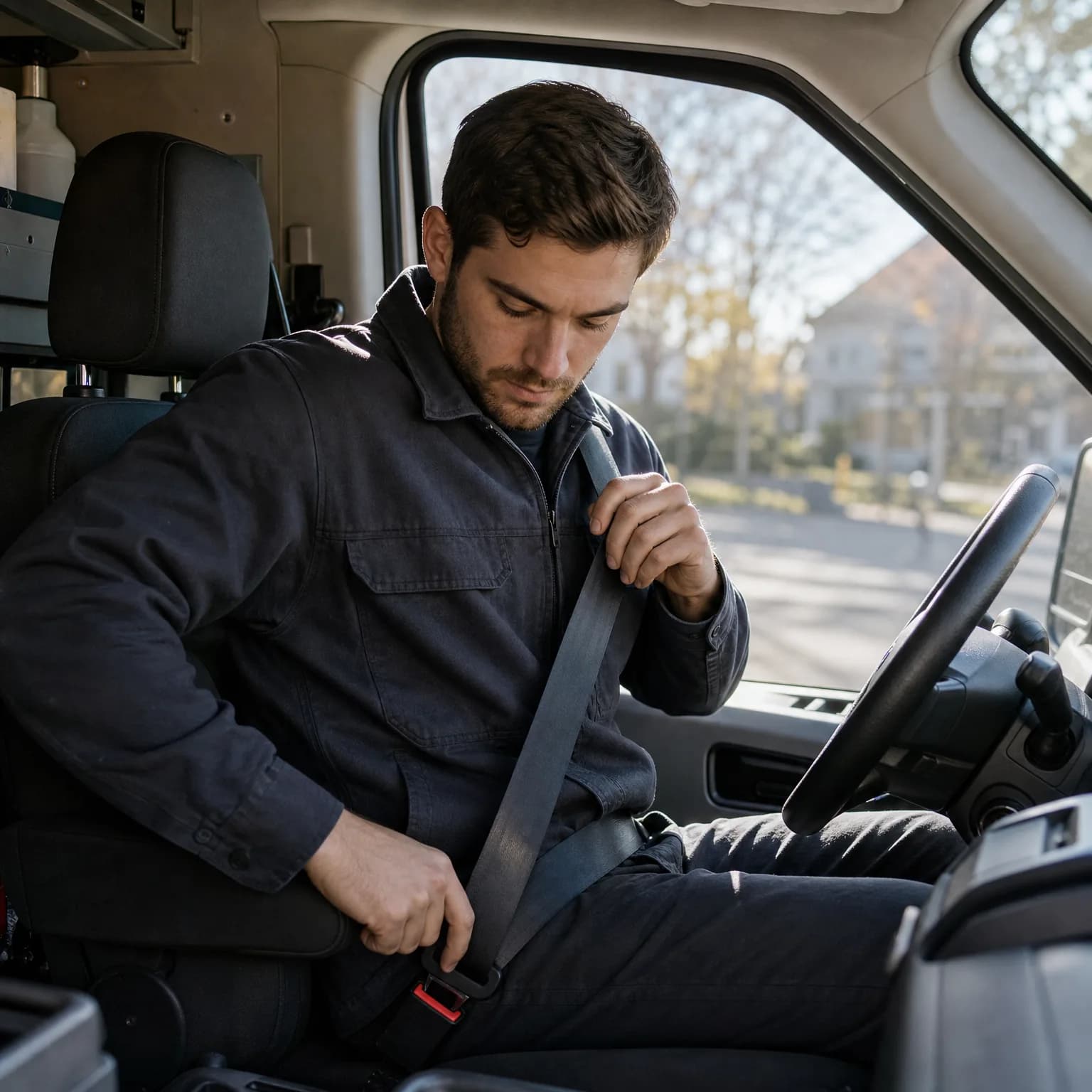
When You Start Driving Again: Switching from Non-Owner to Standard SR-22
If you buy a car while your SR-22 requirement is active, you must cancel your non-owner policy and replace it with a standard SR-22 auto policy covering your new vehicle. Non-owner SR-22 does not cover vehicles you own, and driving your own car under a non-owner policy is uninsured driving in the eyes of the law. Your insurer will cancel your non-owner SR-22 filing with the DMV when you cancel the policy, so timing is critical: your new standard SR-22 policy must be active and filed before you cancel the non-owner coverage to avoid a lapse.
Contact your insurer or broker before purchasing a vehicle. Explain you're switching from non-owner to standard SR-22 and need seamless filing continuity. Most carriers can bind your new policy effective the day you take possession of the car and file the SR-22 the same day, allowing you to cancel your non-owner policy without creating a gap. Expect your premium to increase — standard SR-22 auto insurance covering a vehicle costs 2–4 times more than non-owner SR-22 because you're now insuring collision risk, theft, liability tied to a specific car, and higher exposure from regular driving.
Your SR-22 filing period does not restart when you switch from non-owner to standard coverage. If you're 15 months into a 3-year SR-22 term when you buy a car, you owe 21 more months of SR-22 coverage, not a new 36 months. The DMV tracks continuous filing, not policy type. Maintain proof of the switch — confirmation from your new insurer that your SR-22 was filed and confirmation from your old insurer that your non-owner policy was cancelled after the new filing was active — in case the DMV questions filing continuity during your reinstatement period. compare high-risk quotes
Frequently Asked Questions
Can I get a non-owner SR-22 if I've never owned a car?
Yes. Non-owner SR-22 policies are designed for drivers who don't own vehicles but need to satisfy an SR-22 filing requirement to reinstate a suspended license. Your history of car ownership doesn't matter — only that you need liability insurance on file with the DMV and don't have a vehicle to insure.
What happens if I stop using public transportation and start driving regularly?
If you begin driving regularly or buy a car, you must switch from non-owner SR-22 to a standard SR-22 auto policy that covers the vehicle you own or drive. Non-owner policies don't cover cars you own, so driving your own vehicle under non-owner coverage leaves you uninsured and violates your SR-22 requirement.
Do I still need non-owner SR-22 if I only use rideshares and never drive?
Yes, if your state requires an SR-22 filing to reinstate your license. The SR-22 is a legal filing proving you carry liability insurance, not a reflection of how often you drive. Even if you never get behind the wheel, you must maintain continuous non-owner SR-22 coverage for the full filing period to keep your license valid.
Will my non-owner SR-22 rates go down over time?
Rates typically decrease as your violation ages and you maintain continuous coverage without new incidents. After 3 years, most DUIs and major violations drop off your insurance record, and you can shop for lower rates. Some carriers offer annual safe-driving discounts even on non-owner SR-22 policies if you avoid new violations during your filing period.
Can I use a non-owner SR-22 policy to rent a car?
Yes, non-owner SR-22 provides liability coverage when you rent a vehicle, though it doesn't cover damage to the rental car itself — that's collision/comprehensive coverage, which isn't included in non-owner policies. Most rental companies offer their own collision damage waiver at the counter if you need it.
Related Articles
SR-22 for Snowbirds: Filing Between Two States
5/18/2026
SR-22 for Motorcycle-Only Owners: Non-Owner Filing Guide
5/18/2026

Route Restricted License + SR-22 in South Carolina
5/18/2026

SR-22 and Florida FAJUA: What Replaced the State Pool
5/18/2026

Out-of-State DUI: Which State Files Your SR-22?
5/18/2026
SR-22 vs FR-44 in Virginia: Bodily Injury Minimum Gap
5/18/2026