
Non-Owner SR-22 in Florida: What It Covers and What You'll Pay
Get SR-22 Quotes NowWhat Non-Owner SR-22 Actually Covers in Florida
A non-owner SR-22 policy in Florida provides liability coverage when you drive a vehicle you don't own — a friend's car, a family member's vehicle, or any car you borrow with permission. The policy pays for injury and property damage you cause to others, up to your policy limits, and satisfies Florida's FR-44 or SR-22 filing requirement with the DMV.
Florida requires minimum liability limits of 10/20/10 ($10,000 bodily injury per person, $20,000 per accident, $10,000 property damage) for SR-22 filers. For FR-44 filers — required after DUI convictions — Florida mandates 100/300/50 limits. Non-owner policies meet these minimums but do not cover damage to the vehicle you're driving or your own injuries.
Most Florida carriers writing non-owner SR-22 exclude rental vehicles and employer-owned vehicles from coverage unless you purchase a rental car endorsement or commercial use rider. If you drive a rental without that endorsement and have an accident, your non-owner policy will not respond — and neither will the rental company's liability coverage in most cases. This creates a filing gap that can trigger a license suspension if the DMV discovers uninsured operation.
How Non-Owner SR-22 Costs Compare to Owner SR-22 in Florida
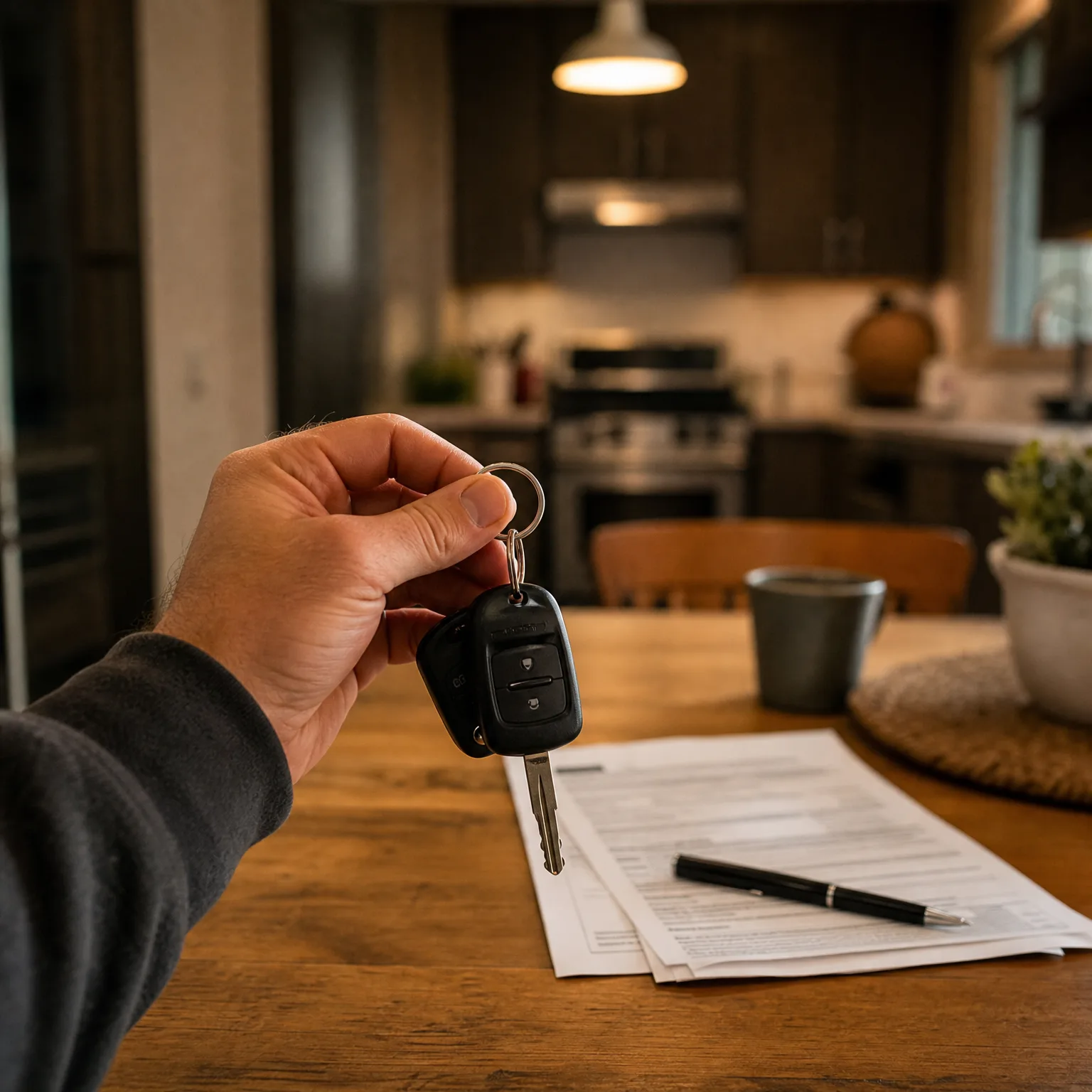
Non-owner SR-22 policies in Florida typically cost $400–$900 per year for drivers with one DUI or major violation, compared to $1,800–$3,500 per year for an owner SR-22 policy covering a vehicle you own. The SR-22 filing fee itself is $25–$50 depending on the carrier, and Florida charges no state filing fee.
The cost difference exists because non-owner policies carry no collision, comprehensive, or vehicle-related coverage — only liability for damage you cause to others. Carriers also rate non-owner policies as lower-frequency exposure since you're not driving daily. If you have multiple DUIs, an at-fault accident, or a suspended license history, expect quotes in the $1,200–$1,800 range even for non-owner coverage.
If you own a vehicle registered in your name, Florida will not accept a non-owner SR-22 filing. The DMV cross-references vehicle registrations and will reject the filing, requiring you to switch to an owner policy. If you later purchase or register a vehicle while holding a non-owner SR-22, you must notify your carrier within 30 days and convert to an owner policy — or your SR-22 will be cancelled and your license suspended for non-compliance.


Which Florida Carriers Write Non-Owner SR-22 Policies
Not all carriers writing standard SR-22 in Florida will write non-owner SR-22. Progressive, The General, and Dairyland write non-owner policies for SR-22 and FR-44 filers statewide. GEICO and State Farm write non-owner coverage but often decline SR-22 or FR-44 risks in Florida depending on violation severity and time since conviction.
Regional non-standard carriers including Acceptance Insurance, Direct Auto, and Freeway Insurance write non-owner SR-22 but availability varies by county — Miami-Dade, Broward, and Hillsborough have the widest carrier access. If you're in a rural Florida county, you may have only one or two carriers willing to write non-owner SR-22, and rates will be higher due to limited competition.
If you're filing FR-44 (Florida's DUI-specific filing requirement), fewer carriers participate. Progressive and The General write FR-44 non-owner policies statewide, but expect 20–40% higher premiums than SR-22 non-owner due to the higher liability limits Florida requires for FR-44 compliance. Some carriers will quote SR-22 but decline FR-44 risk entirely, so clarify your filing type when requesting quotes.

Get Your SR-22 Even Without a Car
Get SR-22 Quotes NowWhen Non-Owner SR-22 Makes Sense vs Owner SR-22
Non-owner SR-22 is the correct filing option in Florida if you do not own a vehicle, do not have a vehicle registered in your name, and do not have regular access to a household vehicle. If you borrow cars occasionally, use rideshare, or rely on public transit, non-owner SR-22 keeps you compliant while costing 60–75% less than insuring a vehicle you don't drive.
If you live with family members who own vehicles and you drive those vehicles more than occasionally, Florida law considers you a household driver — and the vehicle owner's insurance carrier will either add you to their policy or exclude you by name. If you're excluded, your non-owner SR-22 will not cover you when driving that household vehicle, creating a compliance gap. You must either be added as a rated driver on the household policy (with SR-22 attached to that policy) or avoid driving household vehicles entirely.
If you plan to purchase or register a vehicle within your SR-22 filing period, starting with non-owner SR-22 and converting later is valid — but the conversion resets your filing clock in some cases. Florida tracks SR-22 compliance from the date of initial filing, so converting from non-owner to owner mid-period does not restart your 3-year requirement. However, if your non-owner policy lapses before you convert, Florida suspends your license and you must refile from day one.

How Florida Tracks Non-Owner SR-22 Compliance and Lapses
Florida's DMV receives electronic SR-22 filing confirmations from your carrier within 24–48 hours of policy activation. Once filed, your carrier must notify the DMV within 10 days if your policy is cancelled, lapses, or is not renewed. A single day of lapsed coverage triggers an automatic license suspension, and Florida does not offer a grace period.
If your non-owner SR-22 lapses, Florida suspends your license immediately and requires you to pay a $15 reinstatement fee plus refile SR-22 with a new policy. Your 3-year SR-22 period does not restart unless the lapse exceeds 90 days — but many carriers will not write a new non-owner policy if you have a recent SR-22 lapse on record, forcing you into higher-cost assigned risk pools.
Florida does not accept proof of insurance or retroactive SR-22 filings to cure a lapse. If your carrier cancels your policy for non-payment and you reinstate coverage 5 days later, the DMV still records a lapse and suspends your license. The only way to avoid suspension is continuous coverage with no gaps from the day your SR-22 is filed until your requirement period ends.
Frequently Asked Questions
Can I get non-owner SR-22 in Florida if I have a DUI?
Yes, but you'll need FR-44 filing instead of SR-22 — Florida's DUI-specific requirement with higher liability limits (100/300/50). Fewer carriers write non-owner FR-44, and premiums run 20–40% higher than non-owner SR-22. Progressive and The General write FR-44 non-owner policies statewide.
What happens if I buy a car while holding non-owner SR-22 in Florida?
You must notify your carrier within 30 days and convert to an owner SR-22 policy covering the vehicle you now own. If you register a vehicle in your name and keep the non-owner policy, Florida's DMV will reject the filing and suspend your license for non-compliance. The conversion does not restart your 3-year filing period.
Does non-owner SR-22 cover me when I drive a rental car in Florida?
Not unless you add a rental car endorsement to your non-owner policy. Most Florida carriers exclude rental vehicles from non-owner SR-22 coverage by default. If you rent frequently, request the endorsement when purchasing your policy — it typically adds $50–$100 per year.
How long does non-owner SR-22 filing last in Florida?
Florida requires SR-22 filing for 3 years from the date of conviction or DMV suspension order, regardless of whether you hold a non-owner or owner policy. FR-44 filers (DUI convictions) must maintain filing for 3 years as well. Any lapse restarts the clock in some cases, depending on lapse duration.
Can I switch from owner SR-22 to non-owner SR-22 if I sell my car in Florida?
Yes, as long as you do not have another vehicle registered in your name. Notify your carrier immediately when you sell the vehicle, cancel the owner policy, and purchase a non-owner SR-22 policy before the cancellation date. Any gap between policies will trigger a license suspension, so overlap coverage by at least one day.
Related Articles
SR-22 for Snowbirds: Filing Between Two States
5/18/2026
SR-22 for Motorcycle-Only Owners: Non-Owner Filing Guide
5/18/2026

Route Restricted License + SR-22 in South Carolina
5/18/2026
SR-22 and Florida FAJUA: What Replaced the State Pool
5/18/2026

Out-of-State DUI: Which State Files Your SR-22?
5/18/2026

SR-22 vs FR-44 in Virginia: Bodily Injury Minimum Gap
5/18/2026