
Non-Owner SR-22 in Nevada: Get Licensed After DUI Without a Car
Get SR-22 Quotes NowWhy Non-Owner SR-22 Exists in Nevada and Who Uses It
If Nevada DMV revoked your license after a DUI, you need SR-22 proof of insurance for 3 years from your reinstatement date — not from your conviction date. That's the timeline most drivers miss. The SR-22 isn't insurance itself; it's a filing your insurer submits to DMV certifying you carry at least Nevada's minimum liability: 25/50/20 ($25,000 bodily injury per person, $50,000 per accident, $20,000 property damage).
Non-owner SR-22 is designed for drivers who need that filing but don't own a vehicle. You're not insuring a car — you're insuring yourself as a driver. This covers you when you borrow a car, rent a vehicle, or use a rideshare occasionally. It satisfies Nevada's SR-22 requirement at a fraction of what you'd pay adding SR-22 to a standard auto policy, because the insurer isn't covering a specific vehicle with collision or comprehensive risk.
Typically, non-owner SR-22 in Nevada runs $30–$70/mo for drivers with a single DUI and no other major violations. Standard SR-22 on a car you own averages $120–$250/mo after a DUI, depending on your age, ZIP code, and how long ago the offense occurred. If you sold your car post-DUI or moved to Las Vegas and rely on public transit or Uber, non-owner SR-22 is the reinstatement path that doesn't force you to pay for coverage you don't need. Nevada SR-22 requirements
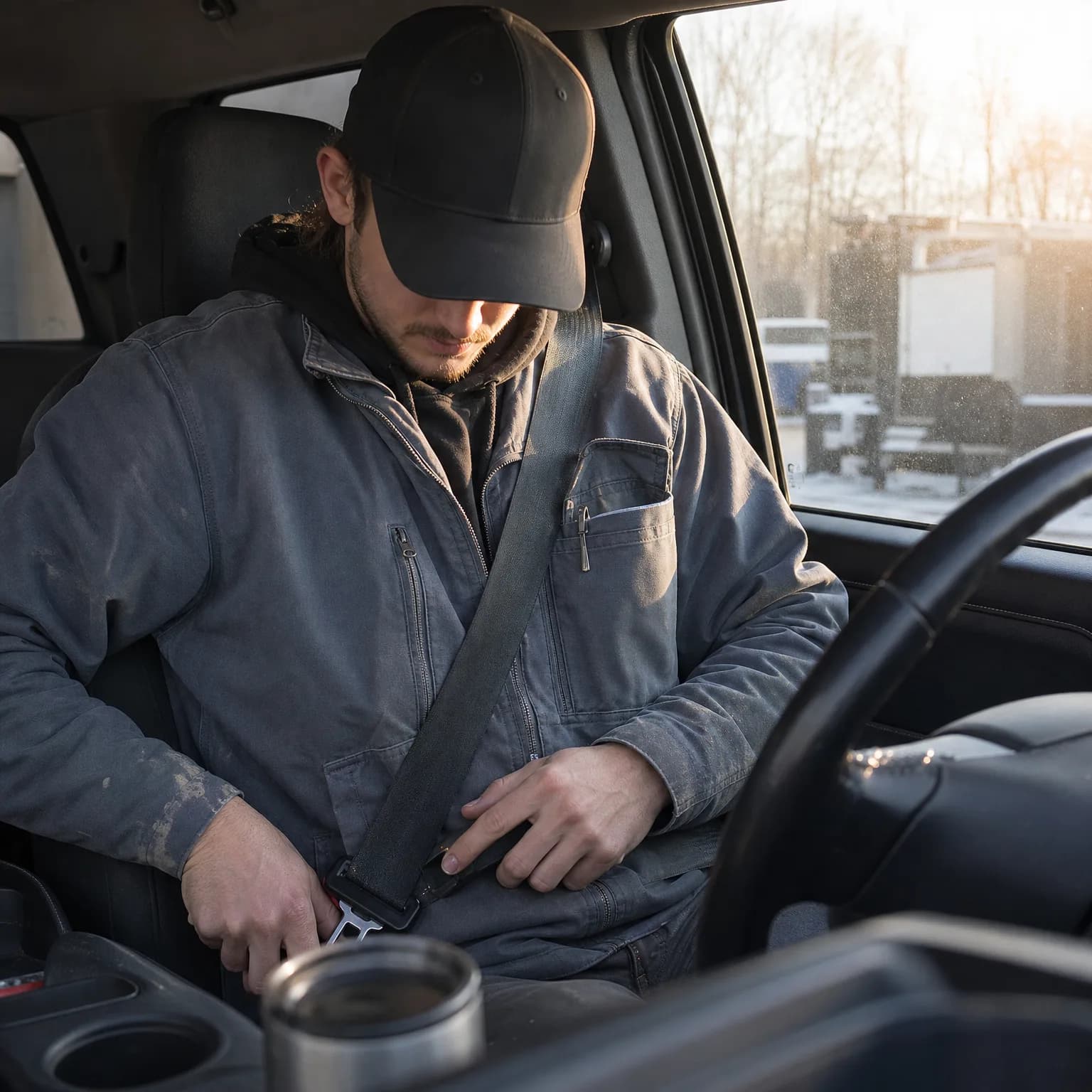
Nevada's 185-Day Waiting Period and the Continuous Filing Requirement
Nevada DMV imposes a 185-day revocation period for a first-offense DUI under NRS 483.460. You cannot drive during this period, even with a restricted license. Once those 185 days pass, you're eligible to apply for reinstatement — but reinstatement isn't automatic. You must complete DUI school, pay reinstatement fees (typically $121 for the license reinstatement application plus $35 for the civil penalty), and file SR-22 proof of insurance.
Here's the part that traps drivers: your 3-year SR-22 requirement begins the day DMV reinstates your license, not the day your revocation period ends. If you wait 6 months after your 185 days to file SR-22 and apply for reinstatement, your 3-year clock hasn't started yet. You're extending your time without a license. The fastest route is to secure non-owner SR-22 coverage on day 185, submit your reinstatement application immediately, and let the SR-22 filing clock start running.
If your SR-22 lapses at any point during those 3 years — even for one day — Nevada DMV suspends your license again, and you start the SR-22 requirement over from scratch. Your insurer is required to notify DMV within 15 days if you cancel your policy or miss a payment. Most high-risk carriers will not give you a grace period. Continuous filing means continuous. Set up autopay, confirm your payment method is current, and treat that policy like your license depends on it — because it does.


What Non-Owner SR-22 Covers and What It Doesn't
Non-owner SR-22 provides liability coverage only. If you cause an accident while driving a borrowed car, your non-owner policy pays for the other driver's injuries and property damage up to your policy limits. It does not cover damage to the car you were driving, your own injuries, or any physical damage to your vehicle — because you don't have a vehicle listed on the policy.
This matters in two situations. First, if you borrow a friend's car regularly, their insurance is primary. Your non-owner SR-22 acts as secondary coverage, filling in gaps if their liability limits are too low or their policy excludes you. Second, if you rent a car, your non-owner policy typically covers liability, but you'll still need to buy the rental agency's collision damage waiver to cover the rental vehicle itself. Non-owner SR-22 will not pay for a wrecked rental car.
Nevada allows you to carry non-owner SR-22 even if you live in a household with vehicles registered to other people, as long as you are not listed as an owner or co-owner on those registrations. If you later buy a car, your non-owner SR-22 does not transfer — you must switch to a standard auto policy with SR-22 and notify DMV of the new filing within 15 days. Most insurers allow you to convert a non-owner policy to a standard policy without breaking your SR-22 continuity, but confirm this in writing before making the switch.
Which Carriers Write Non-Owner SR-22 in Nevada and What to Expect
Not all insurers write non-owner policies, and fewer still will file SR-22 for high-risk drivers. In Nevada, the carriers most likely to offer non-owner SR-22 include The General, Direct Auto, Bristol West, Dairyland, and National General. GEICO and Progressive write non-owner policies but often decline drivers with DUIs less than 3 years old. State Farm and Allstate rarely write non-owner coverage at all.
Your rate depends on how long ago your DUI occurred, your age, and your county. A 28-year-old in Las Vegas with a DUI from 18 months ago might pay $55/mo. A 35-year-old in Reno with a DUI from 4 years ago and no other violations could see $35/mo. Rates drop significantly once you pass the 3-year mark from your conviction date, even if your SR-22 requirement hasn't expired yet. Insurers view the aging of the violation as a proxy for reduced risk.
Applying directly with a single carrier often yields higher quotes than using a broker or comparison tool that checks multiple high-risk insurers at once. Most non-owner SR-22 policies require 6-month or 12-month prepayment or monthly autopay with an installment fee of $5–$10/mo. If your license has been revoked for over a year, some insurers require proof that you completed DUI school before binding coverage. Have your certificate of completion, your DMV reinstatement letter, and your revocation order ready when you request quotes.

Get Your SR-22 Even Without a Car
Get SR-22 Quotes Now
How to File for Reinstatement with Non-Owner SR-22 in Nevada
Once you have a non-owner SR-22 policy in force, your insurer electronically files the SR-22 certificate with Nevada DMV, usually within 24–48 hours. You can verify that DMV received the filing by calling the DMV Compliance Section at 775-684-4368 or checking your online DMV account. Do not assume the filing went through — confirm it before you pay reinstatement fees.
After DMV shows your SR-22 on file, you can apply for reinstatement online via dmvapp.nv.gov or in person at a DMV office. You'll need proof of DUI school completion, payment of all court fines and fees, proof of insurance (your SR-22 satisfies this), and payment of the reinstatement fee. If your DUI involved a BAC of 0.18 or higher or you refused a breath test, you may also need to install an ignition interlock device before reinstatement. Nevada's interlock requirement is separate from SR-22 and typically lasts 12–36 months depending on the offense.
Once DMV processes your reinstatement application, you'll receive a notice confirming your license is active again. From that date, your 3-year SR-22 clock starts. If you don't drive often, you might be tempted to cancel your non-owner policy after a few months — don't. Even one day without active SR-22 on file triggers an automatic suspension, and you'll need to restart the 3-year requirement from zero. Keep the policy active, keep payments current, and check your DMV record every 6 months to confirm your SR-22 status shows no lapses.
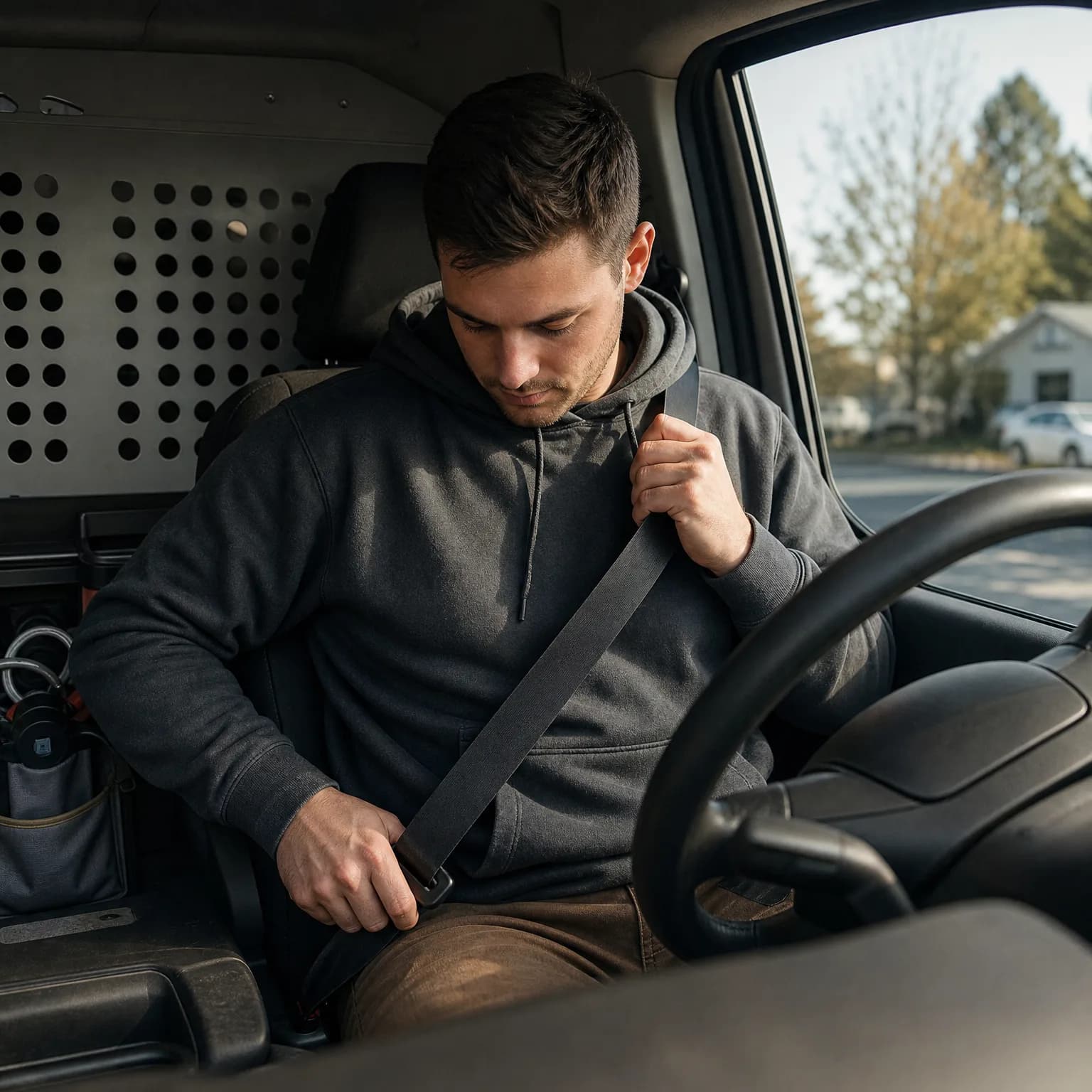
What Happens If You Buy a Car During Your SR-22 Period
If you purchase or register a vehicle while your non-owner SR-22 is active, you must switch to a standard auto insurance policy with SR-22 within 15 days. Your non-owner policy does not cover a car you own. Driving a vehicle registered in your name without proper insurance is a separate violation in Nevada, punishable by license suspension and impoundment of your vehicle.
Contact your insurer as soon as you buy the car and ask them to convert your non-owner SR-22 to a standard policy with SR-22. Most carriers will maintain your SR-22 continuity if you switch within the same company. If your current carrier doesn't write standard auto policies or quotes you a rate that's unaffordable, you'll need to switch carriers. Make sure the new carrier files SR-22 before you cancel your old non-owner policy. The SR-22 must remain on file continuously — a gap of even one day resets your 3-year requirement.
Your rate will increase when you switch from non-owner to standard SR-22, because you're now insuring a physical vehicle with collision and comprehensive risk. Expect to pay $120–$250/mo or more depending on the car's value, your location, and how much coverage you carry beyond state minimums. If you lease or finance the vehicle, you'll be required to carry full coverage, not just liability, which adds significantly to your premium.
How to Keep Costs Down and Complete Your SR-22 Requirement
The best way to reduce your non-owner SR-22 cost over time is to keep your record clean. Every year without a new violation reduces your risk profile in the eyes of insurers. After 3 years from your DUI conviction, many standard carriers will begin quoting you again, and your rate can drop by 40–60%. Until then, shop your rate every 6–12 months — high-risk insurer pricing is volatile, and a carrier that quoted you $70/mo last year may quote $45/mo this year as your DUI ages.
Pay your premium in full if possible. Installment fees add $60–$120/year to your total cost, and missed payments trigger SR-22 lapses that restart your 3-year clock. If monthly payments are your only option, set up autopay and keep a buffer in the linked account. One bounced payment can cost you months of progress.
Once your 3-year SR-22 requirement ends, you'll receive a notice from DMV confirming you're no longer required to maintain the filing. At that point, you can drop the SR-22 and shop for standard insurance — or, if you still don't own a car, simply let your non-owner policy lapse. Your DUI will remain on your Nevada driving record for 7 years, but after the SR-22 requirement ends, your insurance options expand significantly. Compare rates before you cancel anything. Some drivers find that keeping a non-owner policy active, even without the SR-22, is the cheapest way to avoid a coverage gap and maintain continuous insurance history. compare high-risk quotes
Frequently Asked Questions
Can I get non-owner SR-22 in Nevada if I live with someone who owns a car?
Yes, as long as you are not listed as an owner or co-owner on the vehicle registration. Nevada allows non-owner SR-22 for drivers who live in households with cars registered to other people, but some insurers may require a signed exclusion form stating you will not drive that vehicle regularly.
What happens if I let my non-owner SR-22 policy lapse in Nevada?
Nevada DMV will suspend your license immediately, and your 3-year SR-22 requirement restarts from zero. Your insurer is required to notify DMV within 15 days of any lapse, and there is no grace period. You'll need to file a new SR-22, pay reinstatement fees, and restart the clock.
How much does non-owner SR-22 cost in Nevada after a DUI?
Typically $30–$70/mo depending on how long ago your DUI occurred, your age, and your location. Drivers in Las Vegas and Reno with a DUI from 1–2 years ago usually pay $50–$70/mo, while those 3+ years out may see $30–$45/mo from high-risk carriers.
Do I need non-owner SR-22 if I only use Uber and public transit in Las Vegas?
Yes, if Nevada DMV requires SR-22 filing for your license reinstatement. Non-owner SR-22 satisfies the state's proof-of-insurance requirement even if you never drive. You must maintain it for the full 3-year period or your license will be suspended again.
Can I switch from non-owner SR-22 to standard SR-22 in Nevada without restarting my 3 years?
Yes, as long as there is no gap in your SR-22 filing. Contact your insurer before you buy a car and have them convert your policy and file the new SR-22 before canceling your non-owner policy. Most carriers will maintain your SR-22 continuity if you switch within the same company.
Related Articles

SR-22 for Snowbirds: Filing Between Two States
5/18/2026
SR-22 for Motorcycle-Only Owners: Non-Owner Filing Guide
5/18/2026

Route Restricted License + SR-22 in South Carolina
5/18/2026
SR-22 and Florida FAJUA: What Replaced the State Pool
5/18/2026

Out-of-State DUI: Which State Files Your SR-22?
5/18/2026

SR-22 vs FR-44 in Virginia: Bodily Injury Minimum Gap
5/18/2026