
Non-Owner SR-22 in Texas After DUI — Reinstate Without a Car
Get SR-22 Quotes NowWhy Texas Requires SR-22 After a DUI and What Non-Owner Coverage Does
Texas Department of Public Safety suspends your license after a DUI conviction under Transportation Code §521.344, and reinstatement requires continuous SR-22 filing for the period specified in your court order or administrative suspension notice. The SR-22 is not insurance itself — it is a certificate filed electronically by an insurer to DPS confirming you carry at least the state minimum liability coverage of 30/60/25 ($30,000 bodily injury per person, $60,000 per accident, $25,000 property damage).
If you do not own a vehicle, a non-owner SR-22 policy provides the liability coverage and filing without insuring a specific car. This is the standard path for drivers whose license was suspended but who sold their vehicle, rely on public transit, or borrow cars occasionally. Non-owner policies cover you as a driver in any vehicle you operate with permission, excluding vehicles you own or that are registered to household members.
Texas DPS does not automatically notify you when your SR-22 period ends. Your required duration is printed on your suspension notice or court order, typically ranging from two to three years for first-offense DUI, but court orders can mandate longer periods. If you cancel coverage or allow a lapse before the mandated period ends, DPS suspends your license again and restarts the SR-22 clock from zero. SR-22 insurance

What Non-Owner SR-22 Costs in Texas After a DUI
Non-owner SR-22 policies in Texas typically cost $30 to $80 per month for drivers with a DUI, depending on the age of the conviction, county rating territory, and insurer. The SR-22 filing fee itself is usually $15 to $25, paid once at policy inception and again if you switch carriers during your filing period. DPS charges a $125 reinstatement fee separate from insurance costs, plus a $100 annual surcharge for three years under the Driver Responsibility Program if your DUI conviction occurred before September 1, 2019 — surcharges were abolished for offenses after that date per Senate Bill 1839.
Carriers writing non-owner SR-22 in Texas after DUI include Acceptance, Dairyland, National General, Bristol West, and Direct Auto. Not all standard carriers write non-owner policies, and most decline applicants with DUI convictions within the past three years. Expect quotes to vary by 40% to 70% between carriers for identical coverage — high-risk underwriting is carrier-specific, and filing requirements do not standardize pricing.
Rates decrease as the DUI ages. A driver three years post-conviction typically pays 30% to 50% less than at the time of reinstatement, assuming no additional violations. Non-owner policies already exclude collision and comprehensive coverage, so your only cost variables are liability limits, uninsured motorist coverage if added, and the insurer's DUI surcharge applied to your base rate.

How to File Non-Owner SR-22 and Reinstate Your Texas License
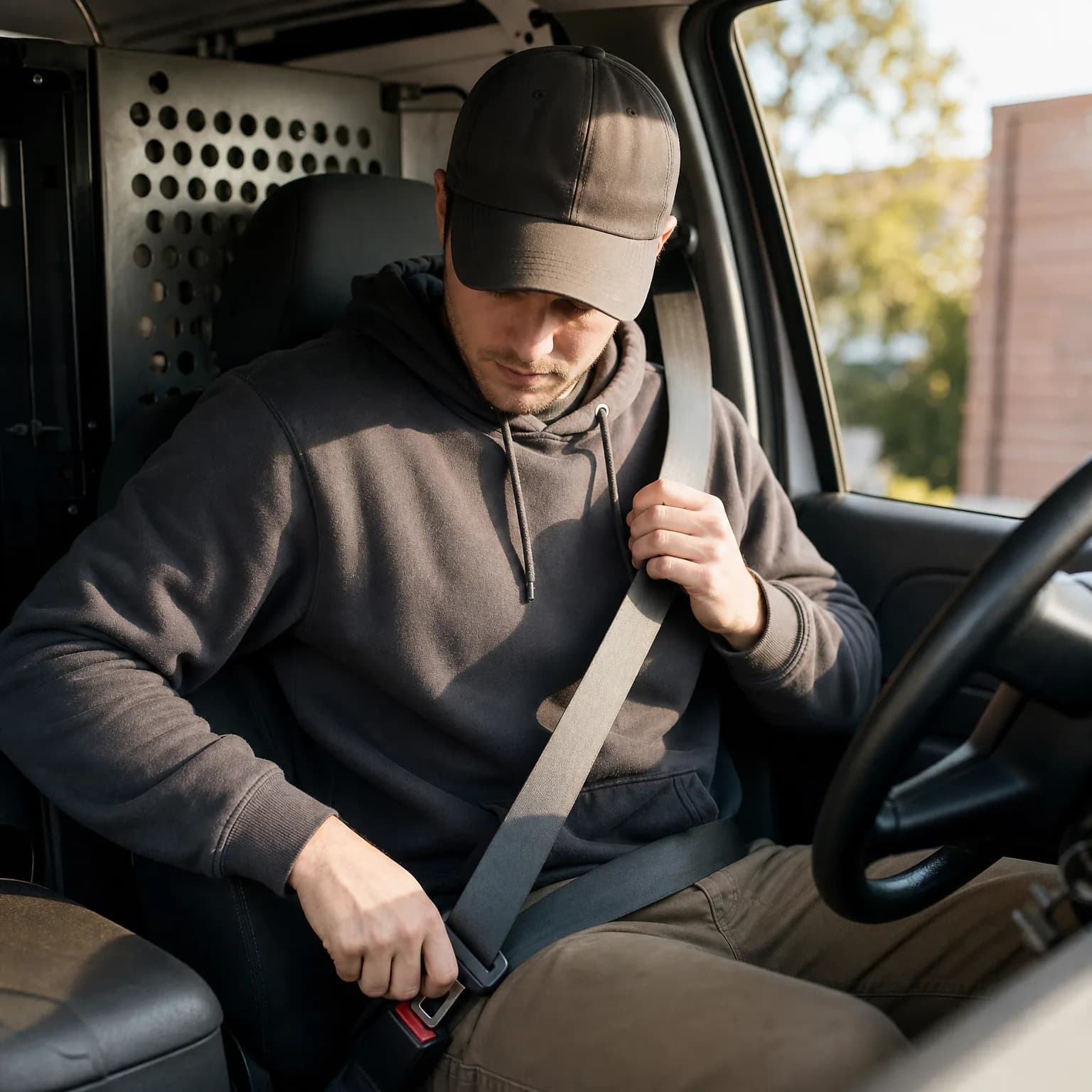
You cannot file SR-22 yourself — an authorized insurer files electronically with Texas DPS on your behalf once you purchase a policy. The process begins by requesting quotes from insurers licensed to write non-owner SR-22 in Texas. When you buy coverage, the insurer submits the SR-22 certificate to DPS within 24 to 48 hours, though DPS processing adds another one to three business days before your filing appears in their system.
Once DPS confirms receipt of your SR-22, you can pay the $125 reinstatement fee online at Texas.gov or in person at a driver license office. You will also need to complete any other conditions on your suspension notice, which may include DWI education (12-hour program), an ignition interlock device if ordered by the court, or payment of outstanding fines. DPS will not reinstate your license until all conditions are satisfied and continuous SR-22 coverage is active.
Your SR-22 must remain on file without lapse for the entire court-ordered period. If you cancel your policy, miss a payment, or switch insurers without maintaining continuous coverage, the original insurer files an SR-26 (cancellation notice) with DPS. This triggers an immediate suspension, and your SR-22 clock resets to day one. Changing insurers is allowed — the new carrier files a new SR-22 and the old carrier files an SR-26 on the same day, maintaining continuity — but gaps of even one day restart your requirement.

Get Your SR-22 Even Without a Car
Get SR-22 Quotes NowVerifying Your SR-22 Period and When You Can Cancel
Your SR-22 filing period is not standardized — it appears on your suspension order from DPS or in your court sentencing documents. Most Texas DUI suspensions require two years of SR-22 filing, but administrative license revocations (ALR) and repeat offenses can extend this to three years or longer. If you do not have a copy of your suspension notice, request a driver record abstract from Texas DPS online or at a driver license office — the abstract lists your suspension start date and duration.
Texas DPS does not send a notification when your SR-22 period expires. You are responsible for tracking the end date and confirming with DPS that no additional filing time remains before canceling coverage. Call DPS at 512-424-2600 or visit a driver license office to verify your SR-22 end date before you cancel — many drivers unknowingly cancel early because they assumed a two-year period when their court order specified three years.
Once your mandated period ends and DPS confirms you have no additional filing requirement, you can cancel your non-owner policy or switch to standard coverage without SR-22. If you plan to buy a vehicle, you will need to transition to a standard owner policy — non-owner coverage does not insure vehicles you own or register. Some carriers allow you to convert your non-owner policy to a standard policy without re-underwriting, preserving your rate class and avoiding a coverage gap.

What Happens If You Drive Without Non-Owner SR-22 Coverage
Operating a vehicle in Texas while your license is suspended for failure to maintain SR-22 is Driving While License Invalid under Transportation Code §521.457, a Class C misdemeanor for a first offense carrying fines up to $500. A second offense within five years escalates to a Class B misdemeanor with fines up to $2,000 and potential jail time up to 180 days. If stopped, law enforcement will impound the vehicle, and you will face additional suspension time added to your existing requirement.
Even if you are not caught driving, allowing your SR-22 to lapse triggers an automatic suspension. DPS receives electronic notification from your insurer within 24 hours of cancellation or non-payment, and your suspension is effective immediately. Reinstating after a lapse requires paying a new reinstatement fee, refiling SR-22, and restarting the full filing period from the beginning — a two-year requirement becomes four years total if you lapse at the one-year mark.
Borrowing a vehicle while suspended does not exempt you from these penalties. The owner's insurance may deny any claim if the driver is unlicensed or suspended, leaving you personally liable for all damages. Non-owner SR-22 policies explicitly require you to hold a valid license or a restricted license allowing legal operation — if your license is suspended for SR-22 lapse, the policy is void and provides no coverage even if premiums are current.
Finding Insurers That Write Non-Owner SR-22 in Texas
Not all insurers write non-owner policies, and among those that do, many decline SR-22 filings for DUI convictions. Carriers actively writing non-owner SR-22 in Texas for DUI reinstatement include Acceptance Insurance, Dairyland, National General, Bristol West, Direct Auto, and Freeway Insurance. Regional and national standard carriers like State Farm, Allstate, and Progressive generally do not write non-owner SR-22 for drivers with DUI convictions, though some agents may quote non-standard subsidiaries.
High-risk insurers require full payment or monthly installments via automatic bank draft or credit card — personal checks are rarely accepted. Some carriers charge installment fees of $5 to $10 per month if you do not pay in full upfront. If you miss a payment, the insurer cancels your policy effective the missed due date, files an SR-26 with DPS, and suspends your license immediately. Grace periods are uncommon in non-standard markets.
Comparing at least three quotes is critical — non-owner SR-22 rates for DUI drivers vary widely because each insurer uses different underwriting models for conviction age, county risk, and credit-based insurance scores where allowed. Texas permits insurers to use credit in underwriting, so improving your credit score can reduce premiums even if your driving record is unchanged. Requesting quotes through a high-risk comparison tool surfaces carriers willing to write your profile without requiring individual calls to each insurer's non-standard division.
Frequently Asked Questions
Can I get non-owner SR-22 in Texas if I have a DUI and no car?
Yes. Non-owner SR-22 policies are specifically designed for drivers who need to file SR-22 with Texas DPS but do not own a vehicle. Carriers like Acceptance, Dairyland, and National General write non-owner SR-22 for DUI reinstatement, with monthly premiums typically ranging from $30 to $80 depending on how recent your conviction is.
How long do I have to keep SR-22 in Texas after a DUI?
Texas does not mandate a uniform SR-22 period — your required duration is specified in your court order or DPS suspension notice, most commonly two to three years for a first-offense DUI. You are responsible for verifying your exact end date with DPS before canceling coverage, as the state does not notify you when your filing period expires.
What happens if I let my non-owner SR-22 lapse in Texas?
Your insurer files an SR-26 cancellation notice with DPS, triggering immediate license suspension. Texas restarts your SR-22 requirement from day one, meaning a lapse at the one-year mark of a two-year requirement extends your total filing period to three years. You must pay a new $125 reinstatement fee and refile SR-22 to restore your license.
Do I need a car to buy non-owner SR-22 insurance in Texas?
No. Non-owner SR-22 policies provide liability coverage without insuring a specific vehicle — you do not need to own or register a car to purchase coverage. The policy covers you as a driver in any vehicle you operate with permission, excluding vehicles you own or that belong to household members.
Can I cancel my non-owner SR-22 once my license is reinstated in Texas?
You can cancel only after your full court-ordered SR-22 period has elapsed and you have confirmed with Texas DPS that no additional filing time remains. Canceling before your mandated period ends triggers suspension and restarts your SR-22 clock, even if your license was already reinstated.
Related Articles
SR-22 for Snowbirds: Filing Between Two States
5/18/2026

SR-22 for Motorcycle-Only Owners: Non-Owner Filing Guide
5/18/2026
Route Restricted License + SR-22 in South Carolina
5/18/2026

SR-22 and Florida FAJUA: What Replaced the State Pool
5/18/2026

Out-of-State DUI: Which State Files Your SR-22?
5/18/2026
SR-22 vs FR-44 in Virginia: Bodily Injury Minimum Gap
5/18/2026