
Non-Owner SR-22 Insurance in Alaska: Cost & Requirements
Get SR-22 Quotes NowWhat Alaska Requires for Non-Owner SR-22 Filing
Alaska's Division of Motor Vehicles mandates SR-22 filings for drivers who need liability coverage proof but don't own a vehicle — typically after a DUI, multiple moving violations within 12 months, driving uninsured in an at-fault accident, or a license suspension for failure to pay child support judgments. The filing itself costs $25–$50 as an insurer processing fee, paid once at policy inception and again at each renewal if your filing period extends beyond one year.
Non-owner policies in Alaska must meet minimum liability limits of 50/100/25 — $50,000 bodily injury per person, $100,000 per accident, $25,000 property damage. These limits apply only when you're driving a vehicle you don't own and that isn't regularly available to you. If you borrow the same car weekly or live with someone who owns a vehicle, Alaska DMV expects you to be listed on that vehicle's standard policy instead.
The Division of Motor Vehicles sends a reinstatement requirements letter specifying your exact filing duration, which ranges from 90 days to 5 years depending on violation severity and whether you have prior alcohol-related offenses. A first-offense DUI with no aggravating factors typically requires 3 years, but a second DUI within 10 years can trigger 5 years. Reckless driving or multiple speeding violations in a non-alcohol context often require 1–2 years, though the DMV reserves discretion to extend this based on your full driving abstract.

Non-Owner SR-22 Insurance Cost in Alaska
Non-owner SR-22 policies in Alaska cost $35–$85 per month for drivers with a single DUI and no other violations, which translates to $420–$1,020 annually. That range widens to $50–$120/month if you have multiple violations, an at-fault accident while uninsured, or a DUI combined with reckless driving. Clean-record non-owner policies without SR-22 requirements run $25–$40/month in Alaska, meaning the SR-22 filing and elevated-risk classification together add roughly 40–110% to your base premium.
Carriers writing non-owner SR-22 policies in Alaska include Progressive, The General, and National General, though availability varies by underwriting tier and whether you're within 6 months of your violation date or further out. Bristol West and Dairyland write Alaska non-owner policies but typically decline new SR-22 business if your DUI occurred within the past 12 months. GEICO and State Farm generally don't offer non-owner policies with SR-22 endorsements in Alaska, which eliminates two of the state's largest auto insurers from your options.
Your rate decreases as time passes from your violation date. A DUI that's 24 months old typically costs 20–30% less to insure than one that's 6 months old, even while you're still within the required SR-22 filing period. At the 3-year mark — when most Alaska DUI SR-22 requirements expire — you can expect rates to drop another 25–40% once the filing is removed and you're reclassified from high-risk to standard-risk underwriting.


How Long You Must Maintain the Filing
Alaska does not publish fixed SR-22 duration tables by violation type. Instead, the Division of Motor Vehicles reviews your driving abstract, the specific offense that triggered the requirement, and any prior suspensions or alcohol-related violations, then issues a reinstatement letter stating your exact filing period. This letter is the only authoritative source for your duration — not what an agent assumes, not what another driver with a similar violation was told, and not generic timelines published on insurance comparison sites.
Most Alaska DUI offenders receive 3-year filing requirements, but second or subsequent DUIs within 10 years trigger 5-year periods. Multiple violations without alcohol involvement — such as three speeding tickets within 12 months or two at-fault accidents — often result in 1–2 year filings. If your suspension involved both a DUI and a refusal to submit to chemical testing, the DMV may impose separate filing periods that run concurrently, though the longer period governs your total obligation.
Your filing period starts the day your insurer electronically transmits the SR-22 certificate to Alaska DMV, not the date of your violation, conviction, or suspension. If you delay purchasing a non-owner policy for six months after receiving your reinstatement letter, your 3-year clock doesn't start until you secure coverage and the SR-22 is filed. Letting your policy lapse even one day during the required period resets the clock to zero in Alaska — the DMV treats a lapse as failure to maintain continuous proof of financial responsibility and requires you to restart the full filing duration from the date you refile.

Get Your SR-22 Even Without a Car
Get SR-22 Quotes NowWhich Carriers Write Non-Owner SR-22 Policies in Alaska
Progressive writes the largest volume of non-owner SR-22 business in Alaska and typically quotes drivers with single DUIs or multiple violations within 48 hours of application. Their non-owner base rates start around $40/month for clean records and scale to $70–$100/month with SR-22 endorsement and DUI surcharge. Progressive accepts online applications for non-owner policies but requires phone underwriting review if your violation occurred within the past 90 days or if you have more than one alcohol-related offense.
The General and National General both write Alaska non-owner SR-22 policies for drivers Progressive declines, including those with DUIs less than 6 months old, license suspensions for failure to pay tickets, or uninsured motorist violations. The General's rates run 10–20% higher than Progressive's for comparable risk profiles, but they're often the only option if you have multiple DUIs or a suspended license that hasn't yet been reinstated. National General requires a down payment equal to two months' premium for new SR-22 business, which can be a barrier if you're facing $160–$200 upfront.
Bristol West and Dairyland write non-owner policies in Alaska but have tightened SR-22 underwriting significantly since 2022. Both now decline applications from drivers whose violations occurred within the past 12 months, and both require proof that you've completed any court-mandated alcohol education or treatment programs before binding coverage. If your reinstatement letter specifies ignition interlock device requirements, neither Bristol West nor Dairyland will write a non-owner policy — they interpret interlock mandates as evidence you have regular access to a specific vehicle, which disqualifies you from non-owner eligibility.
Maintaining Continuous Coverage Without Lapses
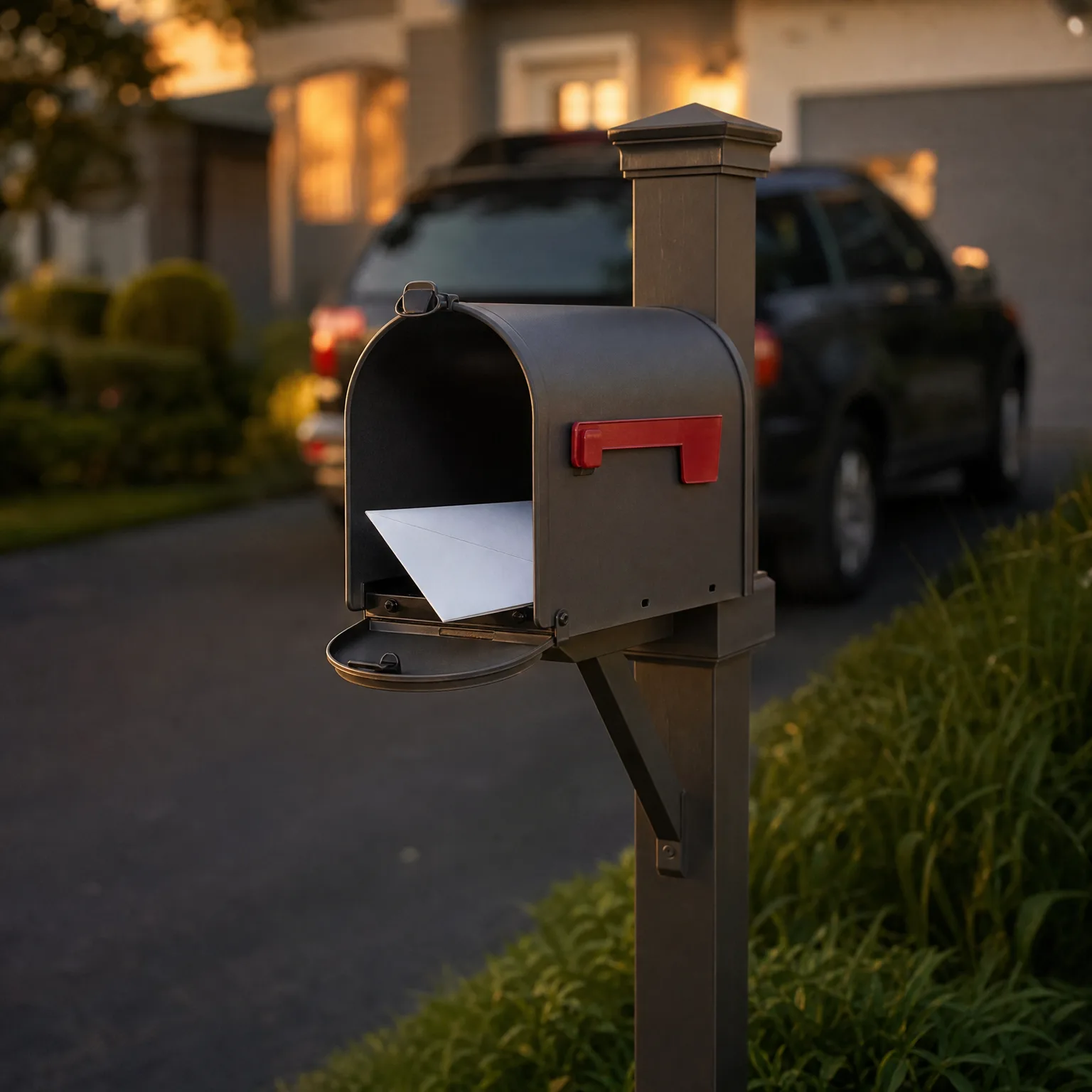
Alaska DMV receives electronic notification within 24 hours if your SR-22 policy cancels for nonpayment, at which point your driver's license is automatically re-suspended until you refile. There is no grace period. If your payment fails on the 15th and your insurer cancels effective the 16th, your license suspension begins the 16th and your SR-22 filing period resets to day zero once you secure new coverage.
Set up automatic payment from a checking account or debit card rather than relying on manual monthly payments. Non-owner policies don't build equity or cash value, so there's no financial penalty for auto-pay beyond the risk of overdraft if your account balance is low. If you know you'll be late on a payment, call your insurer 3–5 days before the due date — most carriers offer a 5–10 day extension once per policy term without triggering cancellation, but you must request it proactively before the payment fails.
Switching carriers mid-filing-period is allowed in Alaska as long as there's no coverage gap. Your new insurer files an SR-22 on the same day your old policy cancels, and Alaska DMV's system treats this as continuous coverage. Use the same effective date for both the cancellation and new policy inception — if your old policy ends March 15 at 11:59 PM, your new policy must start March 16 at 12:01 AM. A gap of even a single day resets your filing clock and re-suspends your license, requiring you to pay a $100 reinstatement fee to Alaska DMV in addition to securing new coverage.

When Non-Owner SR-22 Doesn't Apply
If you own a vehicle registered in your name or you live in a household with a vehicle titled to a family member, Alaska requires you to carry a standard owner SR-22 policy rather than non-owner coverage. DMV defines "household member" as anyone sharing your primary residence, regardless of relationship — roommates, domestic partners, and adult children all count. If your spouse owns a car and you share an address, you must be listed on that vehicle's policy with SR-22 endorsement; a separate non-owner policy won't satisfy your filing requirement.
Non-owner policies also don't cover you if you drive the same vehicle regularly, even if you don't own it. Alaska interprets "regular use" as driving the same car more than twice per week or using it as your primary transportation to work. If you borrow your friend's truck every weekday to commute, DMV expects you to be added to that truck's policy as a listed driver with SR-22 endorsement, and your insurer will charge rates closer to standard owner policies than non-owner premiums.
If you're required to install an ignition interlock device as a condition of license reinstatement, Alaska DMV assumes you have regular access to a specific vehicle and will reject non-owner SR-22 filings. You'll need to secure a standard auto policy on the vehicle where the interlock is installed, with SR-22 endorsement attached to that policy. Once your interlock requirement ends — typically 6–12 months for first-offense DUIs — you can switch to a non-owner policy if you no longer own or regularly drive a vehicle.
Frequently Asked Questions
Can I get non-owner SR-22 insurance in Alaska if I have a DUI less than 6 months old?
Yes, but your carrier options narrow significantly. Progressive typically requires phone underwriting for DUIs under 90 days old, while The General and National General write policies immediately after conviction. Expect rates of $80–$120/month for very recent DUIs.
What happens if I move out of Alaska during my SR-22 filing period?
You must maintain continuous SR-22 coverage in Alaska until your filing period expires, even if you establish residency elsewhere. If your new state also requires SR-22, you'll need dual filings. Canceling your Alaska SR-22 early resets your filing period and triggers a license suspension that follows you across state lines.
How much does it cost to reinstate my Alaska license after an SR-22 lapse?
Alaska DMV charges a $100 reinstatement fee after an SR-22 lapse, plus you must refile a new SR-22 certificate and restart your full filing period from day zero. The total cost including new policy fees and premium typically runs $250–$400 depending on your violation history.
Do I need non-owner SR-22 insurance in Alaska if I only drive occasionally?
Yes, if Alaska DMV issued you a reinstatement letter requiring SR-22 filing. The requirement is triggered by your violation and license status, not by how often you drive. You must maintain continuous coverage for the entire filing period even if you don't drive at all.
Related Articles

SR-22 for Snowbirds: Filing Between Two States
5/18/2026
SR-22 for Motorcycle-Only Owners: Non-Owner Filing Guide
5/18/2026
Route Restricted License + SR-22 in South Carolina
5/18/2026

SR-22 and Florida FAJUA: What Replaced the State Pool
5/18/2026
Out-of-State DUI: Which State Files Your SR-22?
5/18/2026

SR-22 vs FR-44 in Virginia: Bodily Injury Minimum Gap
5/18/2026