Non-Owner SR-22 Insurance in Idaho: What It Costs Without a Car
Get SR-22 Quotes NowWhen Idaho Requires Non-Owner SR-22 Filing
Idaho mandates SR-22 filing after specific violations: DUI conviction, driving without insurance, reckless driving causing injury, accumulating 12–17 points within 12 months, or failing to satisfy a judgment after an at-fault accident. The Idaho Transportation Department issues the filing requirement as part of license reinstatement — you cannot legally drive until your insurer electronically transmits the SR-22 certificate to the state.
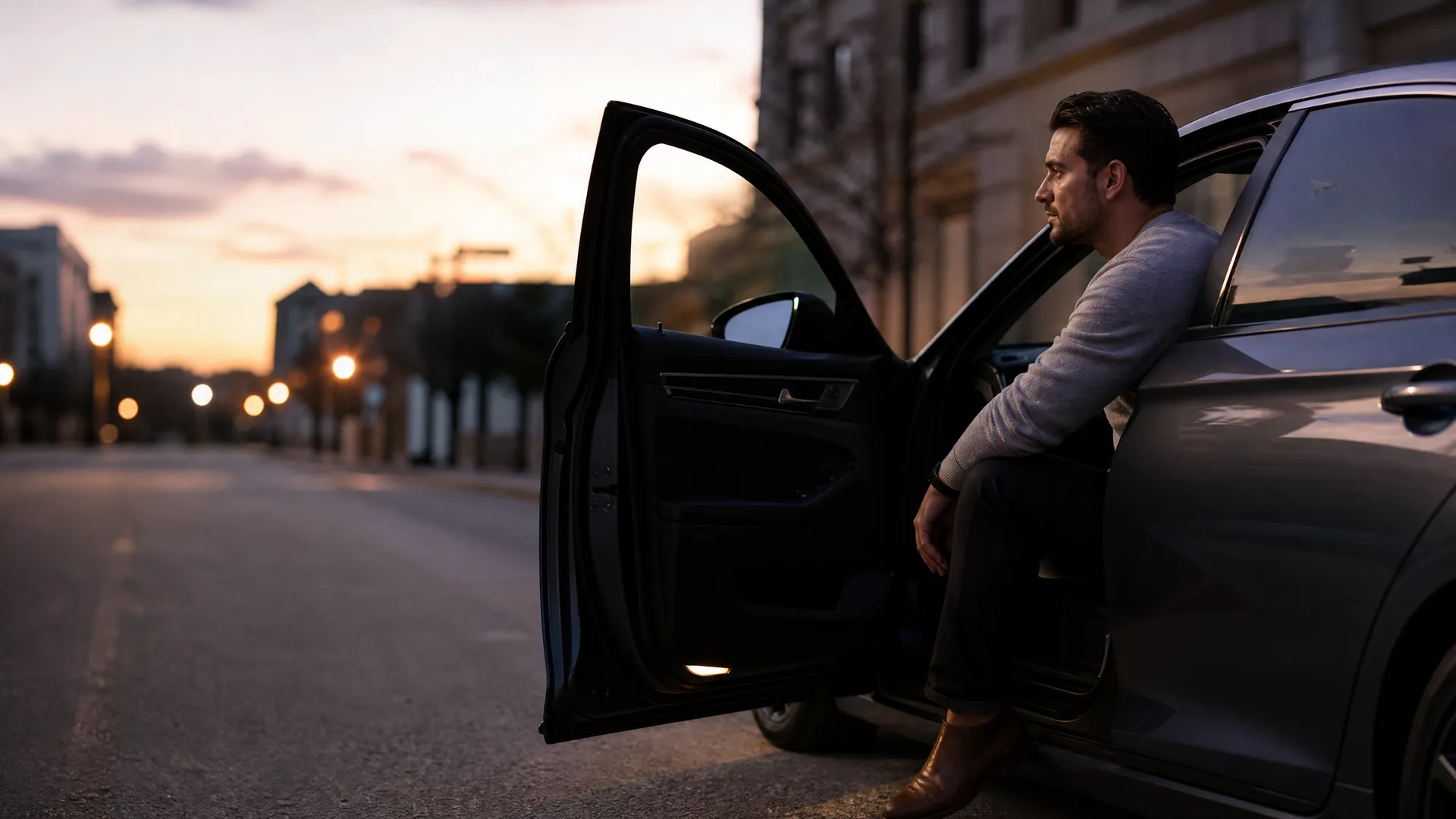
Non-owner SR-22 becomes necessary when you need to satisfy Idaho's proof-of-insurance requirement but don't own a registered vehicle. Common scenarios: you sold your car after a DUI, you're sharing a household vehicle registered to someone else, you rely on public transit but need your license for work, or you're reinstating after a suspension and plan to borrow vehicles occasionally. The state does not distinguish between owner and non-owner filings — both satisfy the legal mandate for continuous coverage.
Idaho sets the filing period at 3 years from the date of conviction or license reinstatement, whichever comes later. A single lapse — even one day without active coverage — resets the entire 3-year clock. The Idaho Transportation Department receives electronic notification within 24 hours if your insurer cancels or non-renews your policy, triggering immediate suspension until you file a new SR-22 and pay a $25 reinstatement fee.

Non-Owner SR-22 Rates in Idaho by Violation Type
Non-owner SR-22 policies in Idaho typically cost $30–$60/month for state minimum liability coverage, compared to $80–$180/month for standard SR-22 auto policies. The savings stem from eliminating collision and comprehensive coverage — non-owner policies provide only liability protection when you drive someone else's vehicle.
Rates vary significantly by violation type. A first-offense DUI with SR-22 filing typically adds $40–$70/month to a non-owner policy base rate. Driving without insurance raises premiums $25–$50/month. Multiple violations compound: a DUI plus a prior at-fault accident can push non-owner SR-22 premiums to $90–$120/month. Idaho's point system also influences pricing — accumulating 12+ points signals repeat risk to underwriters, often triggering surcharges of 30–50% above base non-owner rates.
Idaho requires minimum liability limits of 25/50/15: $25,000 bodily injury per person, $50,000 per accident, $15,000 property damage. Non-owner policies meet these minimums by default. Increasing limits to 50/100/25 adds approximately $10–$15/month but provides broader protection if you cause an accident while driving a borrowed vehicle — particularly relevant given Idaho's relatively high percentage of uninsured motorists (estimated at 7.9% statewide as of 2023).


Which Carriers Write Non-Owner SR-22 in Idaho
Idaho's non-standard insurance market concentrates among a handful of carriers willing to write non-owner SR-22 policies. Progressive, The General, and Dairyland dominate high-risk placements statewide. GAINSCO and National General write selectively in Boise, Idaho Falls, and surrounding counties. Standard carriers like State Farm and Allstate rarely underwrite non-owner SR-22 — their systems flag SR-22 filings as automatic declines or refer applicants to surplus lines brokers.
Carrier availability varies by violation severity. A single DUI with no prior lapses opens access to 4–6 carriers in most Idaho markets. Adding a second DUI within 5 years narrows options to 2–3 specialty insurers, often requiring higher deposits or 6-month prepayment. Drivers with suspended licenses due to failure-to-pay judgments face the tightest market — many carriers decline until the judgment is satisfied and Idaho confirms reinstatement eligibility.
Idaho allows electronic SR-22 filing, which most carriers complete within 24–48 hours of policy binding. Paper filings still occur with smaller regional insurers, extending processing to 5–7 business days. Expect to pay a one-time SR-22 filing fee of $15–$35 depending on carrier — this fee recurs only if you switch insurers mid-filing period or let coverage lapse.

Get Your SR-22 Even Without a Car
Get SR-22 Quotes NowHow Long You'll Carry SR-22 in Idaho and What Happens After
Idaho's 3-year SR-22 filing period begins on your reinstatement date — not your conviction date. If you delay reinstating your license by 6 months after eligibility, you add 6 months to the total time you'll pay SR-22 rates. The clock runs continuously: any lapse in coverage during the 3-year window restarts the entire filing period from day one, plus Idaho imposes a $25 reinstatement fee and potential re-testing requirements if the lapse exceeds 60 days.
Once 3 years pass without lapses, your insurer automatically stops filing SR-22 certificates with Idaho — no action required on your part. Your policy converts to standard non-owner coverage if you remain vehicle-free, or you can shop for owner policies at significantly lower rates if you've acquired a car. Expect premiums to drop 30–50% immediately after SR-22 removal, with continued decreases as the underlying violation ages off your record (typically 5 years for DUIs, 3 years for most moving violations).
Idaho does not offer early SR-22 termination for good behavior — the 3-year period is fixed regardless of clean driving during that window. However, maintaining continuous coverage and avoiding new violations positions you for preferred-tier pricing once the SR-22 requirement ends. Drivers who let coverage lapse during the filing period often remain in non-standard markets for 2–3 additional years beyond SR-22 removal due to the lapse itself triggering underwriting flags.

Getting Non-Owner SR-22 Coverage Fast in Idaho
Idaho issues immediate license suspensions for SR-22 violations — you cannot drive legally until the state receives your SR-22 certificate and confirms active coverage. Most high-risk carriers bind non-owner SR-22 policies the same day you apply if you provide payment and a valid Idaho driver's license number. Electronic filing reaches the Idaho Transportation Department within 24 hours; plan for 48–72 hours total from application to driving privileges restored.
The application process requires your Idaho driver's license number, the specific violation triggering SR-22 (Idaho provides this on your reinstatement notice), desired effective date, and payment method. Carriers ask about household members with vehicles — if you regularly drive a car registered to a spouse or roommate, some insurers require you to purchase a standard SR-22 policy listing that vehicle instead of non-owner coverage. Honest disclosure prevents coverage gaps: non-owner policies exclude vehicles you own or are registered in your name, and driving an excluded vehicle voids your SR-22 filing.
Compare quotes from at least 3 carriers before binding. Non-owner SR-22 rates in Idaho vary by 40–60% between insurers for identical coverage and violation profiles. A DUI driver quoted $85/month by one carrier may find $52/month elsewhere. Use Idaho-specific comparison tools that filter for non-owner SR-22 availability — general quote engines often return standard auto policies that don't apply to your situation and waste time with carriers who'll ultimately decline coverage once they see your record.
Frequently Asked Questions
Can I get non-owner SR-22 in Idaho if I live with someone who owns a car?
Yes, but you must disclose all household members and vehicles during application. Some Idaho carriers require you to be listed as an excluded driver on the household vehicle policy, while others allow non-owner SR-22 as long as you're not a registered owner. Failing to disclose household vehicles can void your SR-22 filing and trigger license re-suspension.
What happens if my non-owner SR-22 policy lapses in Idaho?
Idaho receives electronic notification within 24 hours and immediately suspends your license. You'll restart the entire 3-year SR-22 filing period from the date you reinstate, pay a $25 reinstatement fee, and potentially face higher insurance rates due to the lapse itself appearing on your record. Most carriers add 15–25% surcharges for lapses during an active SR-22 period.
Does non-owner SR-22 cover me if I borrow a friend's car in Idaho?
Non-owner SR-22 provides liability coverage when you drive vehicles you don't own, but it pays only after the vehicle owner's insurance. If your friend has 25/50/15 limits and you cause a $40,000 injury accident, their policy pays first — your non-owner policy covers nothing unless damages exceed their limits. You're also not covered if you regularly use the same vehicle (most carriers define "regular use" as more than 12 times per year).
How much does it cost to file SR-22 in Idaho without a car?
Expect to pay $30–$60/month for the non-owner liability policy itself, plus a one-time $15–$35 SR-22 filing fee. Total first-month cost typically ranges $45–$95 depending on your violation type and chosen carrier. This is 40–60% cheaper than standard SR-22 auto policies in Idaho, which run $80–$180/month when insuring an owned vehicle.
Can I switch insurance companies during my Idaho SR-22 filing period?
Yes, but the transition must be seamless — any gap in coverage restarts your 3-year clock. Bind your new policy with an effective date before canceling the old one, and confirm the new carrier files SR-22 with Idaho before the old policy ends. You'll pay another $15–$35 filing fee with the new carrier, but switching can save $20–$40/month if you find lower rates.
Related Articles

SR-22 for Snowbirds: Filing Between Two States
5/18/2026

SR-22 for Motorcycle-Only Owners: Non-Owner Filing Guide
5/18/2026

Route Restricted License + SR-22 in South Carolina
5/18/2026
SR-22 and Florida FAJUA: What Replaced the State Pool
5/18/2026
Out-of-State DUI: Which State Files Your SR-22?
5/18/2026

SR-22 vs FR-44 in Virginia: Bodily Injury Minimum Gap
5/18/2026