
Non-Owner SR-22 Insurance in Oklahoma: Cost and Filing Rules
Get SR-22 Quotes NowWhen Oklahoma Requires Non-Owner SR-22 Filing
Oklahoma mandates SR-22 filing after DUI convictions, multiple moving violations within a short period, at-fault accidents without insurance, or license reinstatement following a suspension. If you don't own a vehicle but need to reinstate your driving privileges or maintain a valid license, the state still requires proof of financial responsibility — which means filing a non-owner SR-22 with the Oklahoma Department of Public Safety.
The filing itself costs $15-$25 as a one-time processing fee paid to your insurer, who then electronically transmits the SR-22 certificate to the DPS. Oklahoma does not charge a separate state filing fee beyond standard reinstatement costs, which range from $50 for a first DUI suspension to $200 for repeat offenses or multiple violations. Your insurer must maintain continuous SR-22 filing for the duration ordered by the court or DPS — typically 3 years for DUI convictions and 2-3 years for other violations.
Non-owner SR-22 applies when you regularly drive but don't have a titled vehicle in your name. This includes drivers who borrow cars, use rental vehicles frequently, or rely on employer-provided transportation. If you live with a vehicle owner and regularly drive their car, some carriers will require you to be added as a listed driver on their policy instead of purchasing separate non-owner coverage — a critical distinction that affects both cost and coverage structure.
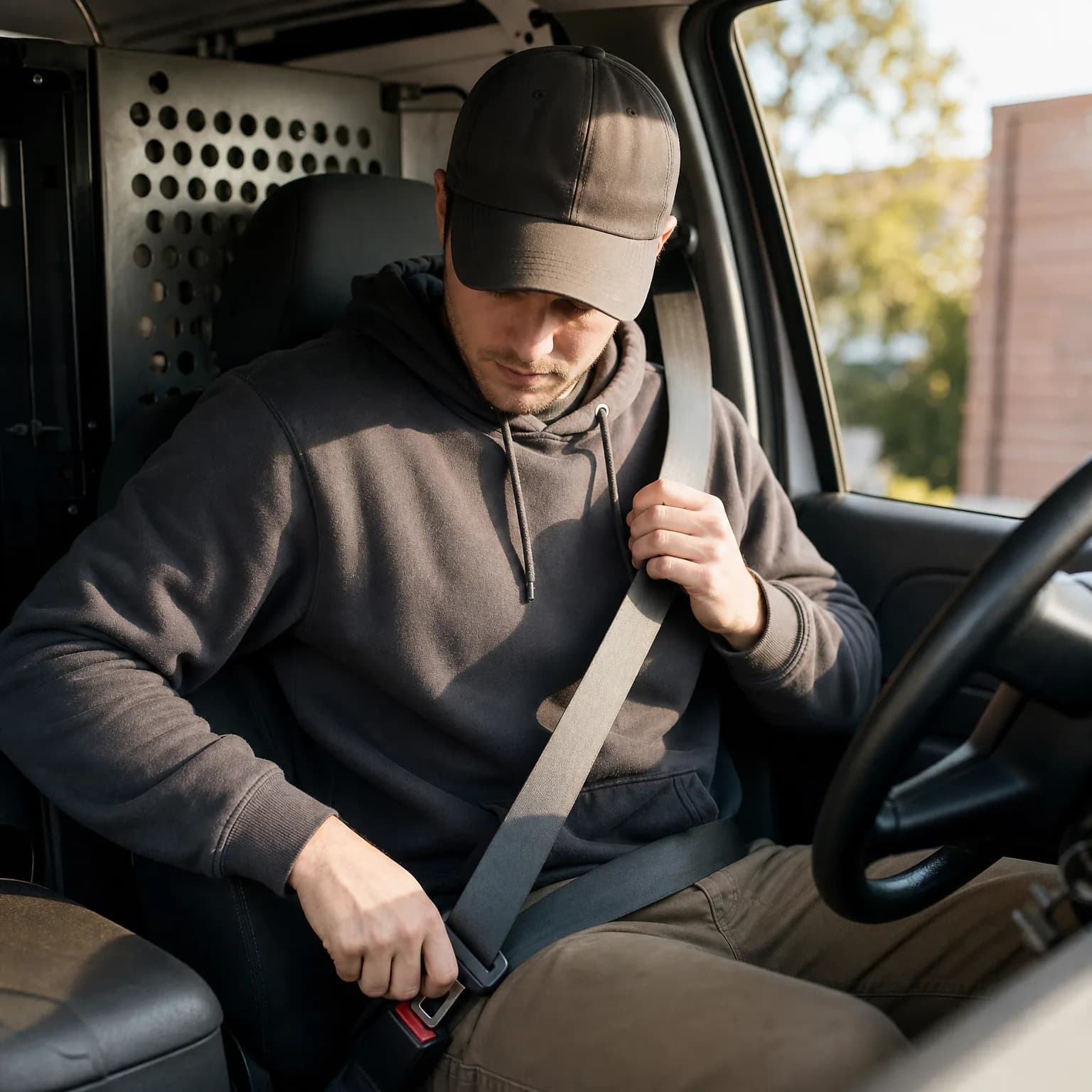
What Non-Owner SR-22 Actually Covers in Oklahoma
Non-owner SR-22 policies provide liability coverage only — bodily injury and property damage protection when you drive a vehicle you don't own. Oklahoma's minimum liability limits are 25/50/25: $25,000 per person for bodily injury, $50,000 per accident, and $25,000 for property damage. Your non-owner policy covers you up to these limits regardless of whose vehicle you're operating, as long as you have the owner's permission and the vehicle isn't regularly available for your use.
This coverage does not include collision, comprehensive, or any physical damage protection for the vehicle itself — that responsibility falls to the vehicle owner's policy. If you cause an accident, your non-owner liability coverage pays for injuries and property damage to others, but the car you were driving is covered only if the owner carries collision coverage. Most drivers misunderstand this gap and assume non-owner SR-22 provides full protection.
Non-owner policies also exclude coverage for vehicles you own, vehicles registered in your household, rental cars beyond minimal liability, and employer-owned vehicles if you're on the clock. If you purchase a car while holding a non-owner policy, you must immediately convert to a standard owner policy with SR-22 endorsement — failure to notify your carrier within 30 days typically voids coverage and triggers an SR-22 lapse, which resets your filing period and adds reinstatement fees.

Non-Owner SR-22 Insurance Cost in Oklahoma
Monthly premiums for non-owner SR-22 policies in Oklahoma range from $35 to $90 per month depending on your violation type, driving history, age, and the carrier's risk pricing model. A DUI conviction typically produces the highest rates — $60-$90/month for minimum liability limits — while multiple moving violations or at-fault accidents without insurance generally fall into the $40-$70/month range. Clean-record drivers adding non-owner SR-22 for license reinstatement after a lapse can sometimes find coverage for $35-$50/month.
These rates reflect liability-only coverage at Oklahoma's minimum required limits. Increasing limits to 50/100/50 or 100/300/100 adds $10-$25/month but provides meaningful protection if you cause a serious accident — minimum limits exhaust quickly in multi-vehicle collisions or injury claims. Non-standard carriers writing high-risk SR-22 policies often price higher limits at a smaller percentage increase than standard carriers, making the upgrade more cost-effective than it appears.
Carrier availability drives cost variation more than any other factor. Oklahoma has roughly a dozen insurers actively writing non-owner SR-22 policies, but only 3-4 specialize in high-risk non-owner coverage and price it separately from standard SR-22. The majority either decline non-owner applications outright or quote rates identical to owner policies — charging you for vehicle coverage you're not receiving. Progressive, The General, and Dairyland consistently appear in non-owner SR-22 quotes, but regional non-standard carriers like Direct Auto and Access often beat national brands by 20-40% in metro markets like Oklahoma City and Tulsa.

Get Your SR-22 Even Without a Car
Get SR-22 Quotes NowFinding Carriers That Actually Write Non-Owner SR-22
Most Oklahoma drivers waste days calling insurers who don't write non-owner SR-22 or who quote it as a standard policy with vehicle coverage removed at the same price. State Farm, Farmers, and Allstate rarely write non-owner policies for high-risk drivers and almost never at competitive rates. GEICO writes them selectively but often declines DUI risks or drivers with multiple violations in the past 3 years.
Non-standard carriers dominate this market because they underwrite non-owner SR-22 as a separate product line with distinct risk models. Progressive's non-owner division writes most violation types but applies strict eligibility rules for DUI convictions less than 2 years old. The General accepts recent DUIs but prices them 30-50% higher than older violations. Dairyland writes nearly all SR-22 risks but availability varies by ZIP code — coverage is easier to find in urban counties than rural areas.
Calling individual carriers sequentially burns time because eligibility and pricing aren't published — you only learn after providing full details. High-risk quote aggregators that pre-screen for non-owner SR-22 availability cut this process from 6-8 hours to 15 minutes by routing your profile only to carriers actively writing your risk class in your county. The difference between the highest and lowest quote for identical coverage regularly exceeds $400 annually, and you won't see that spread without comparing at least 4-5 non-standard carriers.
Filing Process and Maintaining Continuous Coverage
Once you purchase a non-owner SR-22 policy, your insurer electronically files the SR-22 certificate with Oklahoma DPS within 24-48 hours. The state typically processes filings within 3-5 business days, after which your license reinstatement can proceed if all other requirements are satisfied — completion of DUI classes, payment of reinstatement fees, installation of an ignition interlock device if ordered, and proof of insurance. Your SR-22 filing becomes active the moment DPS receives it, not when you receive confirmation, so any gap between policy effective date and filing transmission creates a lapse.
Maintaining continuous coverage means your policy cannot lapse, cancel for non-payment, or terminate for any reason during your required SR-22 period without triggering immediate consequences. Oklahoma law requires insurers to notify DPS within 10 days of any policy cancellation or lapse. DPS then suspends your license within 30 days and adds reinstatement fees — typically $50-$100 depending on violation history — plus you must restart your SR-22 filing period from zero.
Set up automatic payments or calendar reminders 5 days before your due date. Non-standard carriers allow smaller grace periods than standard insurers — often 10 days instead of 30 — and some report lapses the day after a missed payment. If you need to switch carriers mid-filing period, the new policy must be active and the new SR-22 filed before you cancel the old policy. Even a single day without active SR-22 on file with DPS resets your clock and adds fees. Most drivers complete their required period without incident, but 18-22% experience at least one lapse due to payment failures or carrier switches mishandled by 24-48 hours.
Reducing Costs and Exiting Non-Owner SR-22
Non-owner SR-22 premiums decrease as time passes from your violation date, not from your SR-22 filing date. A DUI conviction triggers rate surcharges for 5-7 years with most carriers, but the steepest increases occur in years 1-3. Drivers typically see premium reductions of 15-25% at the 3-year mark and another 10-20% at 5 years, assuming no new violations. Shopping your policy annually during this period captures these reductions — your current carrier may not automatically lower your rate even as your risk profile improves.
Increasing your liability limits or bundling renters insurance with your non-owner policy sometimes unlocks discounts that offset the added coverage cost. Non-standard carriers offer fewer discount categories than standard insurers, but paid-in-full discounts (3-7% off), paperless billing (2-5%), and defensive driving course completion (5-10%) apply to most high-risk policies. The paid-in-full discount is the most accessible — paying your 6-month premium upfront instead of monthly saves $15-$40 over the policy term.
Once your court-ordered or DPS-mandated SR-22 period expires — typically 3 years from the filing date for DUI, 2-3 years for other violations — your insurer can remove the SR-22 endorsement and you can shop standard coverage if your driving record otherwise qualifies. Oklahoma does not require you to maintain SR-22 beyond the ordered period, and DPS does not send notification when your requirement ends. Confirm your end date in writing from DPS or the court, then contact your insurer 30 days before expiration to request SR-22 removal. If you've purchased a vehicle during your filing period, convert to a standard owner policy at this point — non-owner rates don't apply once you own a car.
Frequently Asked Questions
Can I get non-owner SR-22 insurance in Oklahoma if I have a DUI?
Yes, but carrier availability narrows significantly — Progressive, The General, and Dairyland write DUI risks with non-owner SR-22, though rates run $60-$90/month for minimum limits. Expect higher premiums if your DUI conviction is less than 2 years old, and some carriers decline recent DUIs entirely.
What happens if my non-owner SR-22 policy lapses in Oklahoma?
Oklahoma DPS suspends your license within 30 days of receiving lapse notification from your insurer, and you must pay reinstatement fees of $50-$100 plus restart your SR-22 filing period from day one. Even a single day without active SR-22 on file resets your required duration.
Do I need non-owner SR-22 if I live with someone who owns a car?
It depends on how often you drive their vehicle. If you regularly use the car, most insurers require you to be listed on the owner's policy with SR-22 endorsement rather than carrying separate non-owner coverage. Occasional use typically allows non-owner SR-22, but carrier rules vary.
How long do I have to carry non-owner SR-22 in Oklahoma?
Oklahoma typically requires 3 years of SR-22 filing for DUI convictions and 2-3 years for other violations, but your specific duration is set by the court order or DPS action on your license. Confirm your end date in writing from DPS — the state does not notify you when your requirement expires.
Can I switch from non-owner SR-22 to regular car insurance in Oklahoma?
Yes, but you must purchase the new owner policy and have the SR-22 filed before canceling your non-owner policy — any gap resets your filing period. Notify your insurer within 30 days of purchasing a vehicle, as non-owner policies exclude coverage for cars you own.
Related Articles
SR-22 for Snowbirds: Filing Between Two States
5/18/2026
SR-22 for Motorcycle-Only Owners: Non-Owner Filing Guide
5/18/2026
Route Restricted License + SR-22 in South Carolina
5/18/2026
SR-22 and Florida FAJUA: What Replaced the State Pool
5/18/2026
Out-of-State DUI: Which State Files Your SR-22?
5/18/2026

SR-22 vs FR-44 in Virginia: Bodily Injury Minimum Gap
5/18/2026