
Non-Owner SR-22 Insurance in South Carolina After a Violation
Get SR-22 Quotes NowWhen South Carolina Requires SR-22 Filing Without Vehicle Ownership
The South Carolina Department of Motor Vehicles mandates SR-22 filing after specific violations regardless of whether you own a vehicle. DUI convictions, driving under suspension, at-fault accidents without insurance, and accumulating 12 or more points in 12 months all trigger the requirement. The filing period is typically 3 years from your reinstatement date, not your conviction date — meaning the clock doesn't start until you've paid fines, completed any suspension, and filed the SR-22.
If you don't own a vehicle but need to reinstate your license, South Carolina still requires proof of future financial responsibility. You cannot simply promise not to drive. The state views SR-22 as a continuous liability guarantee: if you operate any vehicle during your filing period, you must carry at least the minimum liability coverage South Carolina requires — $25,000 bodily injury per person, $50,000 per accident, and $25,000 property damage.
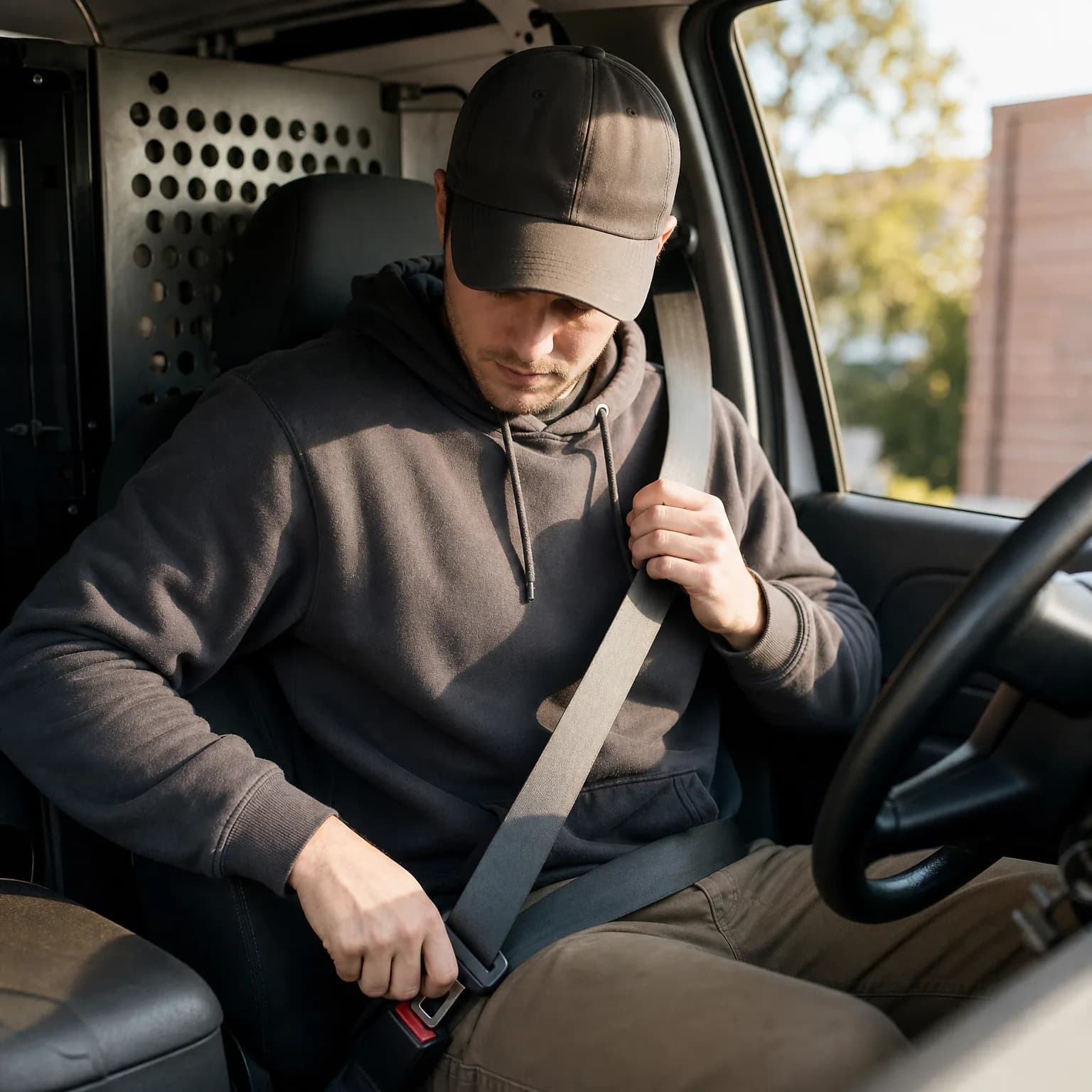
Non-owner SR-22 policies exist specifically for this scenario. They provide the liability coverage South Carolina mandates without insuring a specific vehicle. You're covered when driving a borrowed car, a rental, or a vehicle you don't own but have permission to use. The SR-22 certificate attached to the policy satisfies the DMV's filing requirement exactly as a standard policy would.
What Non-Owner SR-22 Coverage Costs in South Carolina
Non-owner SR-22 policies in South Carolina typically cost $30 to $60 per month for state minimum liability limits, compared to $70 to $150 per month for a standard SR-22 policy attached to an owned vehicle after a DUI or major violation. The difference comes down to risk: insurers aren't covering a specific car you drive daily, only your liability when operating vehicles occasionally.
The SR-22 filing fee itself is usually $25 to $50, paid once at policy inception or renewal. Some carriers bundle this into the first month's premium; others itemize it separately. Your rate depends heavily on your violation type. A DUI conviction generally pushes non-owner SR-22 premiums 80–120% higher than a clean-record non-owner policy. Driving under suspension or multiple at-fault accidents fall into a similar range. A single speeding ticket or minor violation might add only 20–40%.
Rates decrease as your violation ages. Most South Carolina insurers re-tier your risk annually. A DUI from 18 months ago costs more than one from 30 months ago, even if your SR-22 filing period hasn't ended. By year three, assuming no new violations, you might see premiums drop 30–50% from your initial post-violation rate. Once your SR-22 period ends and the filing is released, rates typically fall another 15–25% within the next renewal cycle.


How to Get Non-Owner SR-22 Coverage After a South Carolina Violation
Not every carrier writes non-owner SR-22 policies in South Carolina. Standard insurers like State Farm and Allstate often decline high-risk non-owner applications or don't offer the product at all. You'll have better results with non-standard carriers that specialize in SR-22 filings: The General, Direct Auto, Acceptance Insurance, and Progressive's non-standard division are active in South Carolina and regularly write non-owner SR-22 policies.
The application process requires your driver's license number, violation details, and reinstatement letter or court order specifying your SR-22 filing period. Carriers verify your suspension status directly with the South Carolina DMV. If your license is still suspended, most insurers will issue the policy and file the SR-22 immediately, but your reinstatement won't complete until you've also paid all fines and completed any required programs like the Alcohol and Drug Safety Action Program.
Once the carrier files your SR-22 electronically with the DMV, reinstatement typically processes within 3 to 5 business days. South Carolina does not issue physical SR-22 certificates to drivers anymore — the filing is digital and goes directly from insurer to DMV. You'll receive a policy declarations page showing SR-22 endorsement, which serves as proof of filing if you need documentation before the DMV updates your record.
Never let the policy lapse during your filing period. South Carolina law requires insurers to notify the DMV within 5 days of cancellation, non-renewal, or lapse. The DMV then suspends your license again immediately. Reinstatement after an SR-22 lapse requires starting a new 3-year filing period in many cases, not just resuming where you left off.

Get Your SR-22 Even Without a Car
Get SR-22 Quotes NowWhat Happens If You Buy a Car During Your SR-22 Period
If you purchase a vehicle while carrying a non-owner SR-22 policy, you must convert to a standard auto policy with SR-22 endorsement within 30 days. South Carolina law requires owners to carry liability coverage on titled vehicles. Your non-owner policy explicitly excludes vehicles you own or have regular access to, so it won't cover a car registered in your name.
Most carriers allow you to convert your existing non-owner SR-22 policy to a standard policy without restarting your filing period. The SR-22 endorsement transfers to the new policy, and the insurer notifies the DMV of the policy change. Your filing period clock continues uninterrupted. Expect your premium to increase significantly — standard SR-22 policies on owned vehicles cost 40–80% more than non-owner policies because the insurer is now covering collision risk, comprehensive exposure, and your daily driving pattern.
If you switch carriers instead of converting with your current insurer, the new carrier must file an SR-22 before your old policy cancels. South Carolina does not allow coverage gaps during your filing period. Coordinate the effective dates carefully: your new policy's SR-22 filing must reach the DMV before your old insurer sends a cancellation notice. Even a single-day lapse triggers suspension.

Non-Owner SR-22 vs. Borrowing Someone Else's Insurance
Some drivers assume they can skip non-owner SR-22 coverage and rely on the insurance of whoever owns the car they're driving. This fails on two levels. First, South Carolina's SR-22 requirement is a personal filing mandate tied to your license, not the vehicle. The DMV requires continuous proof that you — specifically — carry liability coverage. Someone else's policy does not satisfy your SR-22 obligation.
Second, if you live with someone who owns a vehicle and you have regular access to it, most insurers require you to be listed as a driver on that policy or explicitly excluded. If you're excluded, you have no coverage when driving that car. If you're listed, the policy premium will increase substantially due to your violation history — often more than a standalone non-owner SR-22 policy would cost.
Non-owner SR-22 policies also protect you when driving rental cars. Rental company damage waivers cover the vehicle but not your liability to other drivers. If you cause an at-fault accident in a rental without your own liability policy, you're personally liable for injuries and property damage. A non-owner policy with South Carolina's minimum limits covers up to $25,000 per person injured and $50,000 per accident, which satisfies both the SR-22 requirement and your rental liability exposure.
How Long You'll Carry Non-Owner SR-22 in South Carolina
South Carolina typically mandates 3 years of SR-22 filing after license reinstatement for DUI convictions, habitual offender declarations, and driving under suspension. The filing period for uninsured at-fault accidents or point suspensions may be shorter — sometimes 2 years — depending on your specific DMV order. Your reinstatement letter will state the exact end date.
The filing period does not start until your license is reinstated. If you're suspended for 6 months, complete the suspension, then file SR-22 and reinstate, your 3-year clock begins on the reinstatement date. Many drivers miscount and drop coverage too early, assuming the period started at conviction. Verify your SR-22 end date directly with the South Carolina DMV or check your reinstatement paperwork before canceling coverage.
Once your filing period ends, contact your insurer to request SR-22 removal. Some carriers automatically file an SR-26 (proof of release) with the DMV; others require you to request it. After the SR-26 is filed, your premium should decrease at the next renewal. If you no longer need non-owner coverage because you still don't own a vehicle and your filing period is complete, you can cancel the policy entirely. If you've purchased a car during the filing period, the SR-22 endorsement will be removed from your standard policy, and your rate will drop accordingly.
Frequently Asked Questions
Can I get non-owner SR-22 insurance in South Carolina if I've never owned a car?
Yes. South Carolina requires SR-22 filing based on your violation, not vehicle ownership. Non-owner SR-22 policies are specifically designed for drivers who don't own a car but need to reinstate their license and maintain liability coverage during the filing period.
What happens if I let my non-owner SR-22 policy lapse in South Carolina?
Your insurer notifies the South Carolina DMV within 5 days of any lapse, cancellation, or non-renewal. The DMV suspends your license immediately. Reinstatement after an SR-22 lapse often requires starting a new 3-year filing period, not just resuming your original timeline.
Do I still need non-owner SR-22 if I only drive someone else's car occasionally?
Yes, if the DMV has ordered SR-22 filing. The requirement is tied to your license status, not how often you drive. Non-owner SR-22 policies cover you when driving borrowed, rented, or employer-owned vehicles and satisfy South Carolina's continuous liability proof mandate.
How much does the SR-22 filing fee cost in South Carolina?
The SR-22 filing fee is typically $25 to $50, paid once when your insurer submits the certificate to the DMV. Some carriers include this in your first month's premium; others bill it separately. This is in addition to your monthly non-owner policy premium.
Will my non-owner SR-22 rates go down before my filing period ends?
Yes. Most South Carolina insurers re-tier your risk annually as your violation ages. By year two or three of a clean record, premiums often drop 30–50% from your initial post-violation rate, even while the SR-22 filing is still active.
Related Articles

SR-22 for Snowbirds: Filing Between Two States
5/18/2026
SR-22 for Motorcycle-Only Owners: Non-Owner Filing Guide
5/18/2026

Route Restricted License + SR-22 in South Carolina
5/18/2026
SR-22 and Florida FAJUA: What Replaced the State Pool
5/18/2026
Out-of-State DUI: Which State Files Your SR-22?
5/18/2026

SR-22 vs FR-44 in Virginia: Bodily Injury Minimum Gap
5/18/2026