
SR-22 After International Relocation: What Actually Transfers
Get SR-22 Quotes NowDoes Your SR-22 Requirement Pause When You Move Abroad?
No. Your SR-22 filing requirement does not pause, suspend, or extend when you relocate internationally. The clock runs continuously from your conviction or violation date regardless of where you physically reside.
Most states treat international relocation the same as moving to another U.S. state: you are still obligated to maintain continuous SR-22 filing with your state DMV for the full required period, typically 3 years. If you let the filing lapse while abroad — even if you owned no vehicle and drove nothing — your state DMV treats it as a standard lapse. Your license suspends, and in most states, the filing clock resets to zero when you reinstate.
The penalty structure does not distinguish between "I was living in another country" and "I forgot to pay my premium." Both trigger the same suspension and restart. If you moved abroad in year two of a three-year SR-22 requirement and maintained no U.S. filing, you returned to a suspended license and a brand-new three-year clock.
What Happens to Your SR-22 Filing If You Own No U.S. Vehicle
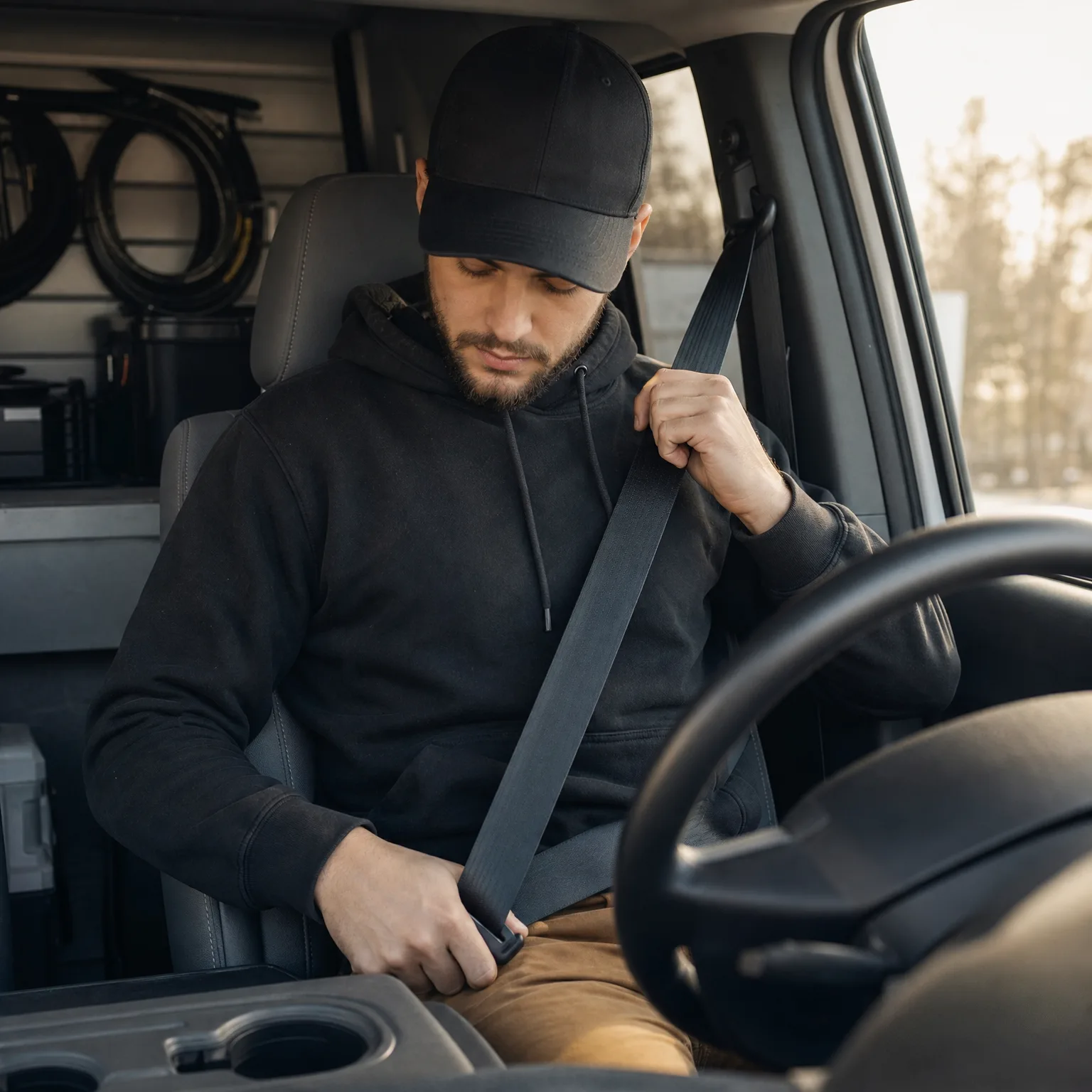
You file a non-owner SR-22. This is a liability-only policy with no vehicle attached. It satisfies your state's financial responsibility requirement while you own no car and drive nothing regularly.
Non-owner SR-22 costs substantially less than standard SR-22 coverage because it carries no collision, comprehensive, or physical damage exposure. Monthly premiums typically range from $25 to $60 depending on your violation history and the state that issued your requirement. The policy covers liability if you borrow or rent a vehicle, but it does not cover a vehicle you own or regularly use.
If you relocated internationally and sold your U.S. vehicle, non-owner SR-22 was the correct filing to maintain. Most drivers returning from abroad did not know this option existed. They assumed no car meant no requirement. That assumption cost them their license and restarted their filing clock.

How State DMVs Track SR-22 Compliance During International Absence
State DMVs receive electronic filing notifications from your insurance carrier. When your policy cancels or lapses, the carrier sends an SR-26 form — a cancellation notice — to your state DMV within 10 to 30 days depending on state law. The DMV then suspends your license and mails a suspension notice to your last address on file.
If you moved internationally and did not update your address with the DMV, that suspension notice went to your old U.S. address. You never received it. Your license suspended anyway. The fact that you were out of the country does not void the suspension or stop the clock reset.
Some states allow you to petition for retroactive hardship relief if you can document that you were abroad, owned no vehicle, and had no access to U.S. mail during the lapse period. Success rates vary. Most states deny these petitions because the law requires continuous filing regardless of physical presence. The safer path is to maintain non-owner SR-22 filing continuously, even if you are certain you will not drive in the U.S. for years.
Which Carriers Write Non-Owner SR-22 for Drivers Living Abroad
Most national carriers do not write non-owner SR-22 for drivers with a foreign residential address. Progressive, GEICO, and State Farm typically require a U.S. residential address at the time of policy issuance. If you list a foreign address, the application is declined or routed to manual underwriting that delays approval beyond your DMV compliance window.
Specialty high-risk carriers are more flexible. The General, Direct Auto, Acceptance Insurance, and regional non-standard carriers often accept U.S. mailing addresses distinct from foreign residential addresses. You maintain a U.S. address — a family member's home, a mail forwarding service, or a registered agent address in the state that issued your SR-22 requirement. The carrier files electronically with your state DMV. Premiums are paid via U.S. bank account or international card.
Some drivers use a registered agent service specifically designed for expatriates maintaining state-specific compliance. These services provide a legal U.S. address, receive and forward DMV mail, and coordinate with carriers that write non-owner SR-22. Costs range from $100 to $300 annually depending on the service and state.

Get Your SR-22 Even Without a Car
Get SR-22 Quotes Now
What to Do Immediately If You Returned and Your SR-22 Lapsed
Check your license status with your state DMV online or by phone. If suspended, request the reinstatement requirements specific to SR-22 lapse. Most states require: payment of a reinstatement fee (typically $50 to $200), proof of new SR-22 filing, and in some states, proof that you have maintained the new filing for 30 to 90 days before reinstatement is granted.
File new SR-22 coverage immediately. If you still own no vehicle, file non-owner SR-22. If you now own a vehicle or plan to, file standard SR-22 on that vehicle. The carrier submits the filing electronically to your state DMV within 24 to 72 hours. Some states process reinstatement within days. Others hold reinstatement until you demonstrate 30 or 60 continuous days of active filing.
Your filing clock restarted the day your original SR-22 lapsed. If you were two years into a three-year requirement and lapsed while abroad, you now owe three full years from today. That restart is automatic in most states and cannot be appealed based on international residence. The only way to preserve your original clock is to maintain continuous filing, even from abroad.
Can You Transfer an SR-22 Requirement Between States After Relocation
SR-22 requirements do not transfer automatically. If you relocate to a new U.S. state after returning from abroad, your SR-22 obligation follows the state that issued the original requirement, not your new state of residence.
Some states allow you to satisfy an out-of-state SR-22 requirement by filing SR-22 in your new state of residence and notifying the original state. Others require that you maintain filing in the state that issued the requirement regardless of where you now live. If your new state does not use SR-22 — for example, Delaware or New Mexico — you may still be required to file in your original state to lift the suspension there.
Call your original state DMV before you move. Ask whether they accept out-of-state SR-22 filings to satisfy your requirement. If yes, file SR-22 in your new state and request that the carrier submit the filing to both states. If no, you will need to maintain a policy in your original state even if you no longer live there. Non-owner SR-22 solves this: it requires no vehicle and no in-state residence.
How Long You Must Maintain SR-22 Filing After Returning
The remainder of your original filing period, plus any restart penalty triggered by lapse. If you maintained continuous non-owner SR-22 while abroad, your original clock continued. If you lapsed, the clock restarted the day you lapsed — not the day you returned or reinstated.
Most states require 3 years of continuous SR-22 filing from the conviction or violation date. Some states use different periods: California requires 3 years from the date of reinstatement after certain violations. Florida requires 3 years from the violation date for DUI but may require longer for repeat offenses. Virginia requires 3 years for most violations but may extend the period if you accumulate additional violations during the filing period.
Your carrier cannot tell you when your filing period ends. That date is set by your state DMV based on your conviction date, lapse history, and reinstatement date. Call your state DMV and request your SR-22 termination date in writing. Do not cancel coverage before that date. If you cancel even one day early, you restart the clock.
Frequently Asked Questions
Can I get SR-22 insurance if I live outside the United States?
Most national carriers require a U.S. residential address to issue SR-22, but specialty high-risk carriers often accept a U.S. mailing address even if you live abroad. You will need a U.S. address on file — a family member's home, mail forwarding service, or registered agent — and a way to pay premiums from a U.S. account or international card.
What happens to my SR-22 requirement if I move to a country that doesn't recognize it?
Your SR-22 requirement does not pause or terminate when you move abroad. The filing clock continues to run, and your state DMV still requires continuous coverage. If you let it lapse, your U.S. license suspends and the filing clock resets, even if you were living in another country at the time.
Do I need SR-22 if I don't own a car and live overseas?
Yes, if your state DMV issued an SR-22 requirement. You file non-owner SR-22, which is liability-only coverage with no vehicle attached. It costs $25 to $60 per month and satisfies your state's financial responsibility requirement while you own no car and live abroad.
How do I reinstate my license if my SR-22 lapsed while I was living abroad?
File new SR-22 coverage immediately, pay your state's reinstatement fee (typically $50 to $200), and wait for your DMV to process reinstatement. Some states require 30 to 90 days of continuous new filing before they lift the suspension. Your filing clock restarted the day your original SR-22 lapsed, so you now owe the full period again from that date.
Can I cancel my SR-22 once I return to the United States?
Not until your full filing period is complete. Your state DMV sets a termination date based on your conviction date and lapse history. If you cancel even one day early, your license suspends and the filing clock resets. Call your DMV and request your SR-22 end date in writing before you cancel coverage.
Related Articles

SR-22 While Traveling Abroad 90+ Days: Keep Filing Active
5/18/2026
SR-22 During Incarceration: Filing Requirements Explained
5/18/2026
Moving States With SR-22: Does Your Filing Transfer?
5/18/2026

Does SR-22 Follow You When You Move States?
5/18/2026

SR-22 After Moving to a No-SR-22 State Mid-Filing
5/18/2026

Do I Need SR-22 If I Never Plan to Drive Again?
5/18/2026