Alabama Hardship License and SR-22: When Filing Starts
Get SR-22 Quotes NowWhen Does Alabama's SR-22 Filing Requirement Start for Hardship License Applicants?
Your SR-22 filing requirement begins the day you submit your hardship license application to the Alabama Law Enforcement Agency, not on your eligibility date or hearing date. Alabama requires continuous SR-22 coverage for the full reinstatement period, and that period starts when you apply for limited driving privileges, even if your hardship license isn't approved immediately.
Most drivers assume they can wait until their hardship hearing or until they receive the restricted license to file SR-22. That assumption creates a gap. If you apply for a hardship license on June 1 but don't file SR-22 until your hearing on June 20, you're already 19 days into a lapse — and Alabama's system treats any gap in SR-22 coverage as a violation that resets your entire filing period to zero.
The Alabama Law Enforcement Agency Driver License Division requires proof of SR-22 filing before processing your hardship application. You cannot be approved for limited driving privileges without active SR-22 on file. This means filing must happen before or on the same day as your application submission, not after.

What Qualifies You for a Hardship License in Alabama After a DUI or Suspension
Alabama hardship licenses are available after 90 days of suspension for DUI first offense, 60 days for certain administrative suspensions, and immediately for some financial responsibility suspensions. Eligibility depends on your specific violation trigger, the length of your suspension, and whether you've completed required alcohol education or ignition interlock installation.
You must demonstrate genuine hardship — employment, medical treatment, educational enrollment, or court-ordered obligations. Alabama does not define hardship as inconvenience. You'll submit documentation proving your need, attend a hearing, and request limited driving privileges for specific routes and times. The hearing officer has discretion to approve, deny, or modify your request.
SR-22 filing is a prerequisite, not a condition that follows approval. If you show up to your hardship hearing without proof of active SR-22, your application will be denied on the spot. Your carrier must have already submitted the SR-22 certificate to ALEA before your hearing date.

How Long You'll Carry SR-22 After Alabama Issues Your Hardship License
Alabama typically requires SR-22 for three years from the date of your violation conviction or administrative action, not from the date you receive your hardship license. If your DUI conviction was finalized six months before you applied for hardship privileges, you've already used six months of your three-year clock — but only if SR-22 was filed continuously from the conviction date forward.
If you let coverage lapse at any point during those three years, Alabama resets your filing period to zero and you start the full three-year clock over from the date you refile. This applies whether you're on a hardship license, a full reinstated license, or no license at all. The SR-22 requirement is tied to your driving record, not your license status.
Once you transition from hardship to full license reinstatement, your SR-22 filing obligation continues unchanged. You cannot drop SR-22 until ALEA confirms your full filing period has been satisfied with continuous coverage. Most drivers carry SR-22 for 36 consecutive months from conviction or from the date they initially filed after a gap.
Get Your SR-22 Even Without a Car
Get SR-22 Quotes NowWhat Happens If You Let SR-22 Lapse While Holding a Hardship License
Your carrier notifies ALEA the day your SR-22 coverage lapses. Alabama immediately suspends your hardship license and restarts your full suspension period from zero. You lose your limited driving privileges, your filing clock resets to the beginning of the three-year requirement, and you must wait through another eligibility period before reapplying for hardship.
This is not a grace period situation. Alabama does not send a warning letter or give you 30 days to fix the lapse. The suspension is automatic and immediate. If you were six months into your three-year SR-22 requirement and your policy cancels for non-payment, you now owe three full years from the date you refile, plus a new hardship application if you want limited privileges again.
Your carrier is required to notify ALEA of cancellation, lapse, or non-renewal at least 15 days before the policy ends. If you switch carriers, the new carrier must file SR-22 before your old policy terminates. Any gap between the old termination date and the new filing date counts as a lapse.
Which Alabama Carriers Write SR-22 for Hardship License Holders
Most national carriers do not write new policies for drivers with active DUI suspensions or hardship license restrictions. Progressive and GEICO route SR-22 business in Alabama to non-standard subsidiaries or decline to quote until full reinstatement. State Farm and Allstate typically non-renew at the violation, leaving you to find coverage in the non-standard market before your hardship application.
Carriers actively writing SR-22 for hardship license holders in Alabama include The General, National General, Acceptance Insurance, and regional non-standard writers. These carriers specialize in high-risk profiles and expect DUI, suspended license, and SR-22 filing requirements. Monthly premiums typically run $140 to $280 for state minimum liability with SR-22, depending on your violation history and county.
You must carry at least Alabama's minimum liability limits: $25,000 bodily injury per person, $50,000 per accident, and $25,000 property damage. SR-22 is a certificate filed on top of that policy, not a separate product. Your carrier files SR-22 electronically with ALEA and charges a one-time filing fee of $15 to $50. Reinstatement fees and license fees are separate and paid directly to ALEA.
How to File SR-22 Before Your Alabama Hardship License Application
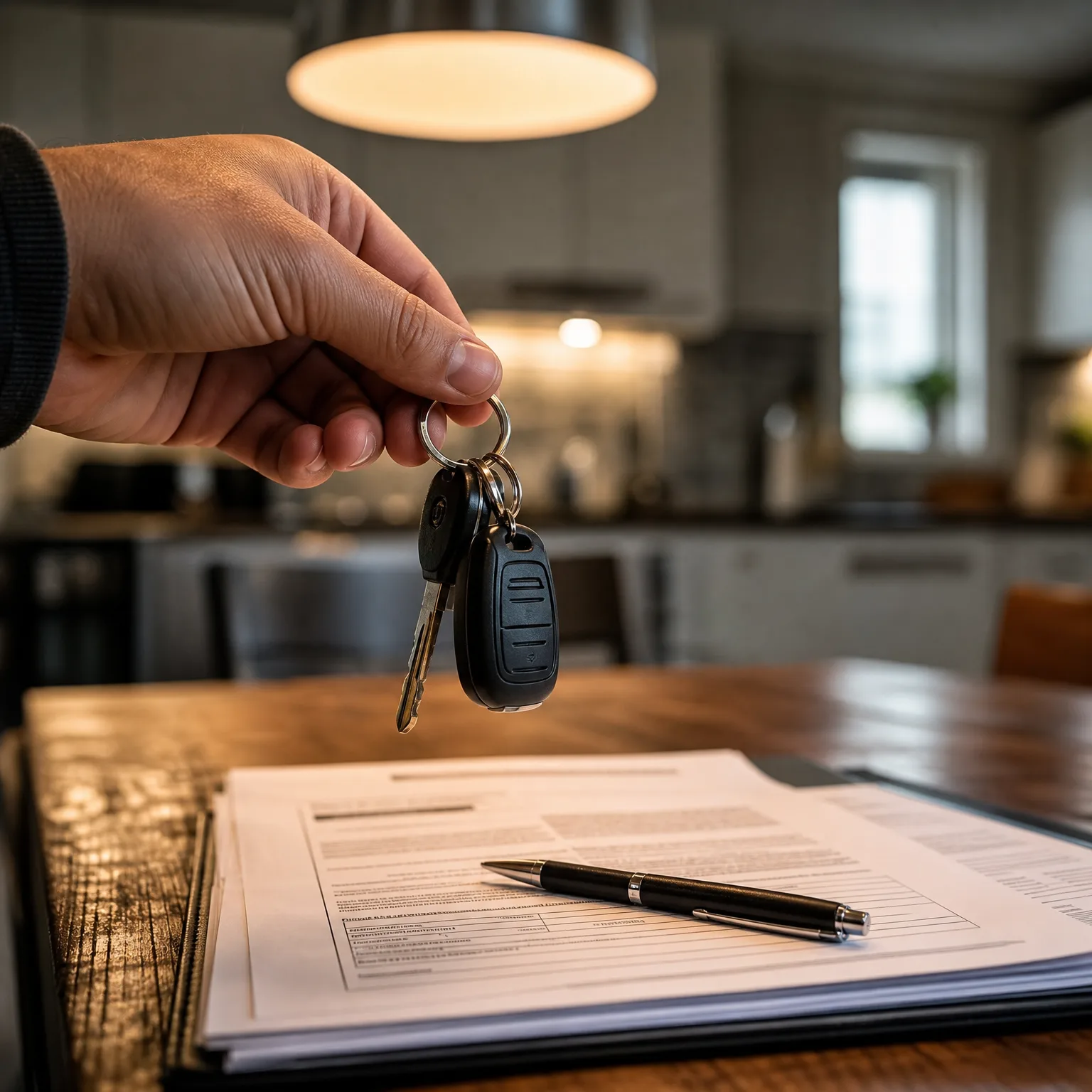
Call a carrier that writes SR-22 for high-risk drivers in Alabama and request a quote for minimum liability coverage with SR-22 filing. Provide your driver license number, the violation trigger, and your suspension start date. The carrier will quote you, bind coverage immediately, and file SR-22 electronically with ALEA the same day if you pay your first premium.
You'll receive proof of SR-22 filing within 24 to 48 hours — either a digital certificate from your carrier or a confirmation from ALEA's online driver record portal. Print this confirmation and bring it to your hardship hearing. Without it, your application will not be processed.
Once SR-22 is active, submit your hardship license application through the Alabama Law Enforcement Agency Driver License Division. Include your proof of SR-22, proof of hardship, and any required completion certificates for alcohol education or ignition interlock installation. Your hearing will be scheduled within 30 to 60 days. Keep your SR-22 policy active and paid through the hearing date and continuously after approval.
Frequently Asked Questions
Can I get a hardship license in Alabama without SR-22 insurance?
No. Alabama requires active SR-22 filing before your hardship license application can be processed. You must provide proof of SR-22 at your hearing, and your carrier must maintain continuous coverage for the full filing period or your hardship license will be suspended immediately.
How much does SR-22 insurance cost in Alabama for a hardship license?
Monthly premiums for minimum liability coverage with SR-22 in Alabama typically run $140 to $280 for drivers with DUI or suspension on record. The SR-22 filing fee itself is $15 to $50 one-time, paid to your carrier. Actual cost depends on your county, violation history, and the carrier.
Does my SR-22 period restart if I switch from hardship license to full license in Alabama?
No. Your SR-22 filing period is tied to your violation conviction date, not your license status. Transitioning from hardship to full reinstatement does not reset the clock, as long as you maintain continuous SR-22 coverage with no lapses.
What happens if my SR-22 insurance lapses while I have an Alabama hardship license?
Alabama immediately suspends your hardship license and resets your full SR-22 filing period to zero. You lose limited driving privileges, must wait through another eligibility period, and owe three full years of SR-22 from the date you refile. There is no grace period.
How long does Alabama require SR-22 after a DUI?
Alabama typically requires three years of continuous SR-22 coverage after a DUI conviction, measured from the conviction date or from the date you initially file SR-22 if there was a gap. Any lapse resets the clock to zero and you start the full three-year period over.
Related Articles
Louisiana Hardship License SR-22 Filing Requirements
5/18/2026
SR-22 in Alabama: 3-Year Filing and ALEA Requirements
5/18/2026

Alabama ALEA SR-22 and Financial Responsibility Filing
5/18/2026
SR-22 & Rhode Island Hardship License: What You Can Drive
5/18/2026

Mississippi Hardship License & SR-22: Rules & Costs
5/18/2026

SR-22 Filing While License Suspended: Can You File?
5/18/2026