
SR-22 and CAARP: California's Assigned Risk Plan Explained
Get SR-22 Quotes NowWhat CAARP Actually Does for SR-22 Drivers
The California Automobile Assigned Risk Plan (CAARP) is the state's insurer of last resort for drivers who cannot obtain coverage in the voluntary market. If you need SR-22 filing and three carriers have turned you down in writing within the past 60 days, you qualify for CAARP assignment. The program randomly assigns you to a participating carrier, which must issue you a policy that meets California's minimum liability limits and file your SR-22 with the DMV.
CAARP coverage costs significantly more than voluntary market policies because assigned risk pools charge higher base rates and offer no discounts. The assigned carrier receives reimbursement from the pool for losses that exceed normal underwriting expectations, which removes the carrier's incentive to compete on price. You pay the full assigned risk rate with no negotiation.
Most drivers enter CAARP because they approached only standard carriers like State Farm or GEICO after a DUI or multiple violations. Those carriers don't write high-risk SR-22 business and will decline immediately. The declinations count toward your CAARP eligibility, but you haven't actually shopped the non-standard market where coverage exists.

How the CAARP Assignment Process Works
You initiate CAARP assignment by submitting an application through a licensed California insurance agent along with written declination notices from three different carriers dated within the past 60 days. CAARP verifies your declinations, confirms you need SR-22 filing, and assigns you to a participating carrier using a rotating assignment system designed to distribute risk evenly across the pool.
The assigned carrier must offer you a policy within 30 days and file your SR-22 with the California DMV within 10 days of policy issuance. Your SR-22 filing period is typically 3 years from the date of your violation or license suspension, though court orders or DMV actions can extend this. If your assigned policy lapses even one day during the filing period, the carrier notifies the DMV and your license suspension is reinstated immediately.
You remain in the assigned risk pool until you can obtain voluntary market coverage. Many drivers stay assigned for the full SR-22 filing period because they don't realize they can exit CAARP as soon as a voluntary carrier will write them. Your CAARP assignment is not a contract term — it's a coverage availability mechanism.

Why Non-Standard Carriers Write SR-22 Outside CAARP
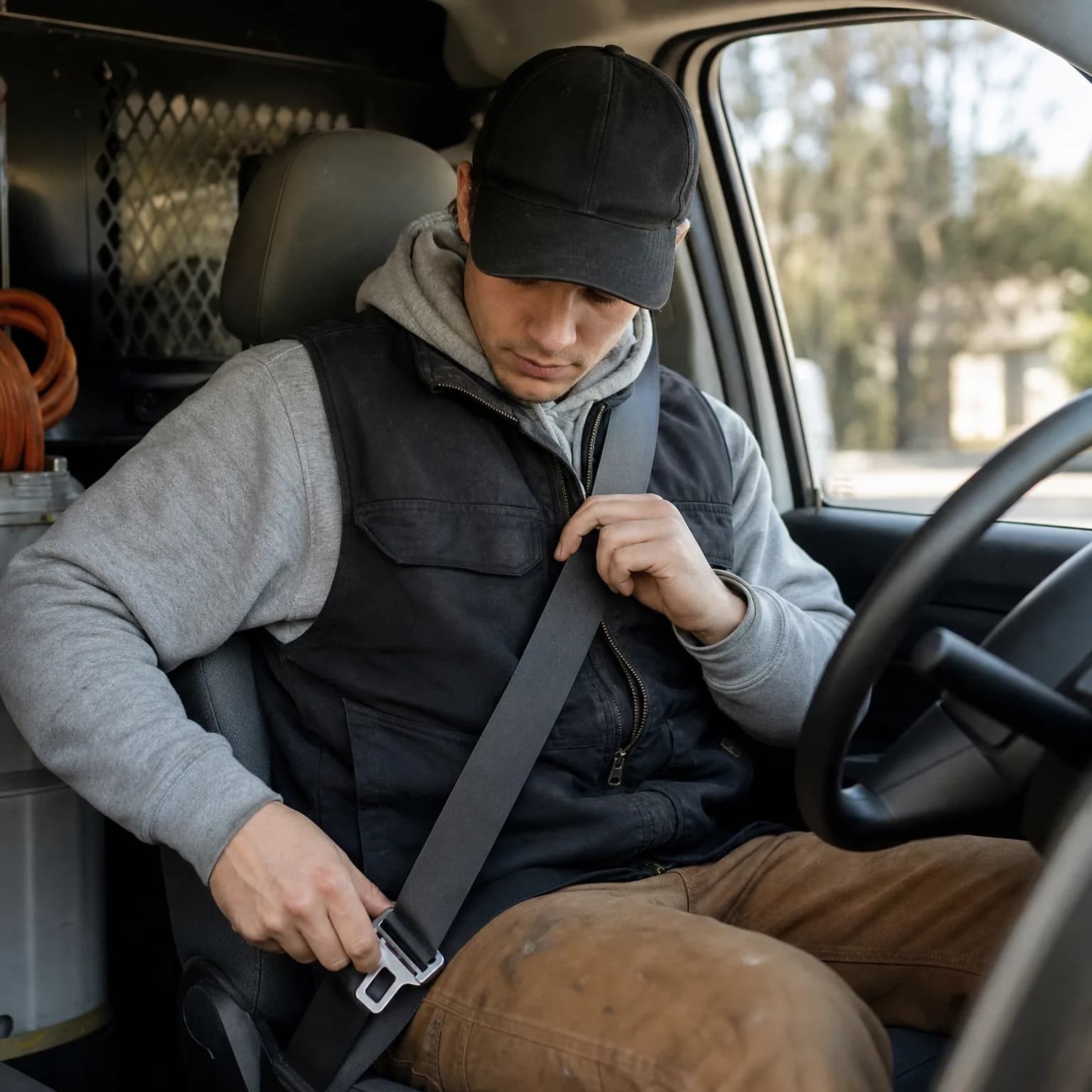
Non-standard auto carriers like The General, Bristol West, Gainsco, and National General specialize in high-risk drivers and write SR-22 policies in the voluntary market without requiring CAARP assignment. These carriers underwrite DUIs, multiple violations, at-fault accidents, and license suspensions as standard business. They charge higher rates than preferred carriers, but significantly less than CAARP assigned risk rates because they compete for your business.
A CAARP-assigned policy for a DUI driver in California typically costs $250 to $400 per month for state minimum liability coverage with no collision or comprehensive. The same driver quoted through a non-standard carrier in the voluntary market often pays $180 to $280 per month for identical coverage. The savings come from the carrier's ability to price risk individually rather than applying pooled assigned risk rates.
Most drivers never reach non-standard carriers because they shop through aggregators that prioritize standard carrier partnerships or call nationally-advertised brands that don't write high-risk business. By the time they collect three declinations and apply to CAARP, they've spent weeks without coverage and accepted assignment as their only option.
When CAARP Assignment Actually Makes Sense
CAARP serves drivers who cannot obtain voluntary market coverage at any price — typically drivers with multiple DUIs within three years, commercial violations combined with personal DUI convictions, or fraud flags that make them uninsurable through normal underwriting. If you've shopped the non-standard market thoroughly and received declinations from carriers that specialize in high-risk SR-22, CAARP guarantees you a policy.
The program also provides a legal compliance path if you're within days of a DMV deadline and cannot secure voluntary coverage in time. California requires SR-22 filing within 30 days of a court order or DMV notice in most suspension cases. If you're on day 25 with no policy, CAARP assignment ensures you meet the deadline and avoid extended suspension.
Some drivers use CAARP strategically for the first policy term after a severe violation, then shop the voluntary market aggressively six months before renewal. Once your CAARP policy has been active for six months without lapses or additional violations, non-standard carriers view you as a lower risk and may offer voluntary coverage at competitive rates.

Get Your SR-22 Even Without a Car
Get SR-22 Quotes Now
How to Avoid CAARP Assignment After a Violation
Contact non-standard carriers directly within 48 hours of receiving your SR-22 requirement notice. Carriers like The General, Bristol West, Acceptance, and Gainsco quote high-risk drivers as routine business and can issue policies with SR-22 filing in as little as 24 hours. Provide your violation details, current license status, and DMV filing deadline up front — these carriers underwrite the risk you represent, not the risk you used to be.
Work with an independent agent who specializes in non-standard auto insurance and maintains appointments with multiple high-risk carriers. These agents know which carriers write specific violation profiles in California and can quote you across the voluntary market before you collect declinations. A DUI with no prior violations places very differently than a DUI with two at-fault accidents in the prior three years.
If you receive a declination from a standard carrier, do not count it toward CAARP eligibility until you've exhausted the non-standard market. State Farm declining your SR-22 application tells you nothing about your eligibility in the voluntary market — it confirms only that you're outside their underwriting guidelines. You need declinations from carriers that actually write high-risk SR-22 before CAARP becomes your best option.

What Happens to Your Rate After CAARP Assignment
CAARP rates are set by the assigned risk pool and apply uniformly across all assigned drivers with similar violation profiles. You pay a base rate determined by your violation type, your coverage selections, and your county of residence. The assigned carrier cannot offer you discounts for bundling, safe driving history prior to your violation, or loyalty — the pool rate is the rate.
Your rate will not decrease during your CAARP assignment period unless you reduce coverage or move to a lower-cost county. The pool does not reward claims-free periods or filing compliance. If you complete six months without a lapse or new violation, you become eligible to shop the voluntary market, but your CAARP rate remains locked until you exit the program with a new carrier.
Once you obtain voluntary market coverage and exit CAARP, your rate typically drops 20% to 40% immediately even with the same coverage limits. Non-standard carriers price your risk individually and compete for retention, especially if you've demonstrated six to twelve months of continuous SR-22 compliance. Your rate continues to decrease as your violation ages and eventually falls off your record — CAARP rates do not follow this trajectory.
Moving Out of CAARP Before Your SR-22 Period Ends
You can exit CAARP at any time by obtaining a voluntary market policy from a carrier willing to write you and file your SR-22. Contact non-standard carriers six months into your CAARP assignment and request quotes for identical coverage. Provide proof of continuous coverage through CAARP, your current SR-22 filing status, and confirmation that you've had no additional violations or at-fault accidents since assignment.
If a voluntary carrier offers you a policy, purchase it and confirm the new carrier will file SR-22 with the California DMV before you cancel your CAARP-assigned policy. California law requires continuous SR-22 filing with no gaps — if your CAARP policy cancels before the new carrier's SR-22 filing is active, the DMV receives a lapse notice and suspends your license immediately. Coordinate the transition with both carriers and request written confirmation of filing dates.
Once your new SR-22 filing is active, notify your CAARP-assigned carrier in writing that you are cancelling due to obtaining voluntary coverage. The carrier will process your cancellation and may refund any unearned premium if you paid in advance. You remain in the voluntary market for the remainder of your SR-22 filing period and can shop for better rates as your record improves.
Frequently Asked Questions
How much does CAARP cost compared to regular SR-22 insurance in California?
CAARP-assigned policies typically cost $250 to $400 per month for state minimum liability coverage, while voluntary market non-standard carriers charge $180 to $280 per month for the same coverage and SR-22 filing. The difference reflects CAARP's pooled assigned risk rates versus competitive pricing in the voluntary market.
Can I get out of CAARP before my 3-year SR-22 period ends?
Yes. You can exit CAARP any time a voluntary market carrier will write you a policy and file your SR-22. Most drivers become eligible after six months of continuous CAARP coverage with no new violations. Contact non-standard carriers directly to request quotes and coordinate the transition without a filing gap.
Do I automatically go into CAARP after a DUI in California?
No. CAARP assignment requires three written declinations from different carriers within the past 60 days. If you shop non-standard carriers that specialize in high-risk SR-22, you can usually obtain voluntary market coverage without entering the assigned risk pool at all.
Which carriers participate in California's assigned risk plan?
Most major carriers licensed in California participate in CAARP, including State Farm, GEICO, Progressive, Allstate, and Farmers. When you're assigned, the pool selects a carrier randomly using a rotation system designed to distribute risk evenly. You cannot choose your assigned carrier.
What happens if my CAARP policy lapses during my SR-22 filing period?
The assigned carrier notifies the California DMV immediately and your license suspension is reinstated the same day. You must obtain new coverage, pay reinstatement fees, and restart your SR-22 filing period from zero in most cases. Continuous coverage is legally required during the entire filing period.
Related Articles

SR-22 and Massachusetts CAR: Assigned Risk Pool Guide
5/18/2026

Who Qualifies for State Assigned Risk Pool SR-22
6/8/2026

SR-22 & NJ PAIP: Assignment vs. Voluntary Market
5/18/2026

SC Reinsurance Facility and SR-22: What Replaced It
5/18/2026

SR-22 and AAIP in Illinois: High-Risk Pool Explained
5/18/2026

Non-Owner SR-22 Cost Per Month in California
6/8/2026