
SR-22 + Washington IIL: Filing Combined After DUI
Get SR-22 Quotes NowWhat SR-22 and IIL Requirements Mean After a Washington DUI
Washington requires both SR-22 certificate filing with the Department of Licensing and enrollment in the Ignition Interlock License program after a DUI conviction. The SR-22 proves you carry liability insurance meeting state minimums of 25/50/10. The IIL is a restricted license that requires an ignition interlock device installed in any vehicle you drive. These are not bundled—you satisfy each requirement independently, and each has its own timeline.
The SR-22 filing period in Washington typically runs 3 years from your conviction or reinstatement date, depending on the court order. The IIL device requirement varies by violation: 1 year minimum for a first DUI, 5 years for a second within 7 years, 10 years for a third. Your IIL period can end before your SR-22 obligation expires, but you must maintain both until each timeline completes.
Most drivers assume completing IIL requirements ends their SR-22 obligation. It does not. Your SR-22 must remain active and continuously filed with the DOL for the full duration specified in your court order or reinstatement notice. Letting either lapse—even by one day—resets your filing clock and triggers a new suspension.
How the IIL Program Works Alongside SR-22 Filing
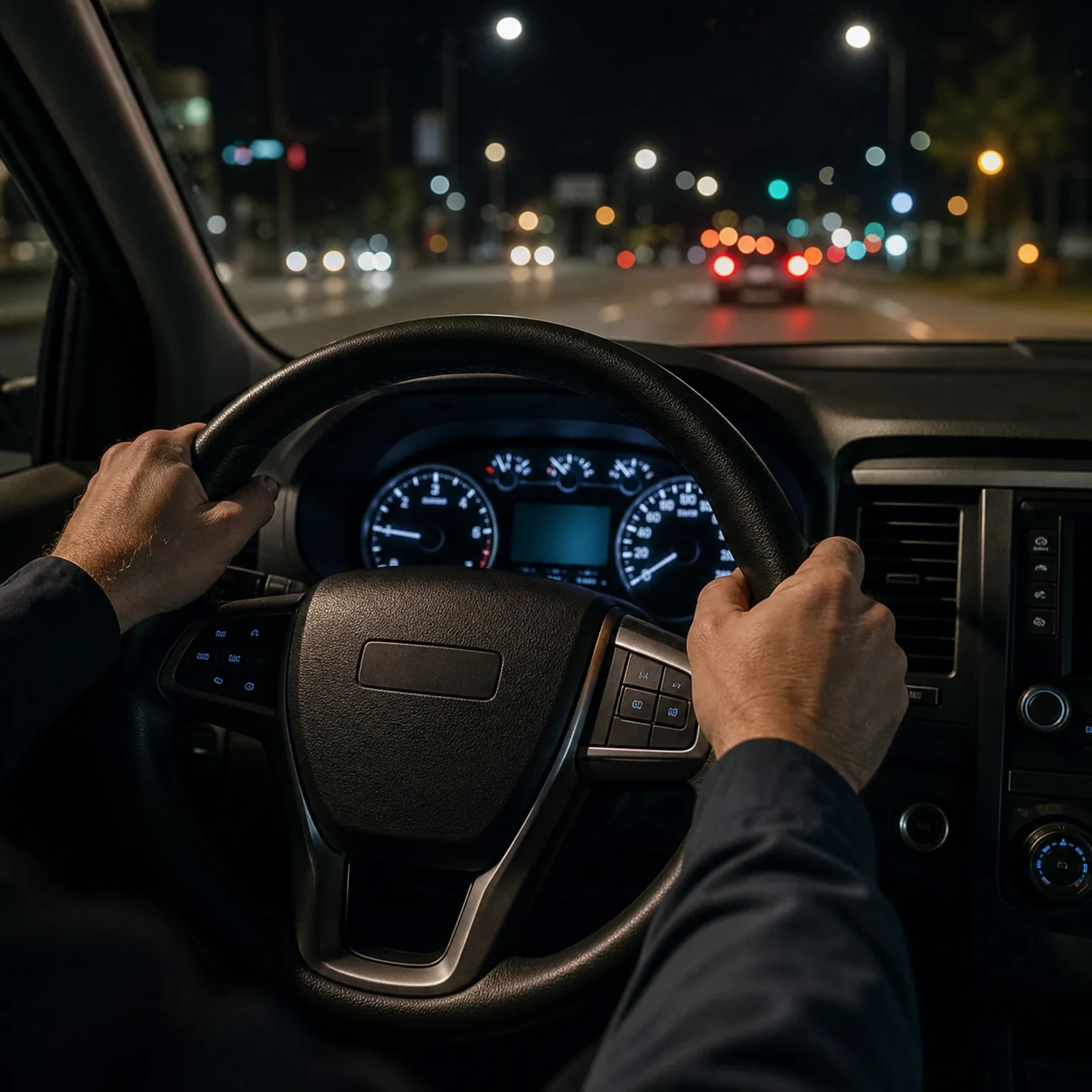
Washington's IIL program requires you to install a certified ignition interlock device in every vehicle you own or regularly operate. The device tests your breath alcohol content before the engine starts and at random intervals while driving. You pay installation fees (typically $150–$200) and monthly monitoring fees (typically $70–$100) directly to the device vendor.
Your IIL is issued after you complete an alcohol assessment, enroll with a certified device vendor, provide proof of installation to the DOL, and maintain SR-22 insurance coverage. The DOL will not issue your IIL until all four conditions are met. Your SR-22 filing must be active before the IIL is granted—the DOL verifies your insurance electronically.
The IIL allows you to drive legally during your device period, but violations—failed breath tests, tampering, missed monitoring appointments—extend your IIL duration and may trigger criminal charges. Your carrier receives no automatic notification of device violations, but they will be notified if your license is suspended again due to program non-compliance.


SR-22 Policy Requirements While Holding an IIL
Your SR-22 policy must remain continuously active for the entire duration of your IIL period and the full SR-22 filing period, whichever is longer. Washington requires 25/50/10 liability minimums: $25,000 bodily injury per person, $50,000 per accident, $10,000 property damage. Most carriers writing high-risk policies in Washington recommend higher limits—50/100/25 or 100/300/50—because minimum coverage leaves you exposed to out-of-pocket liability in serious accidents.
Your carrier files the SR-22 certificate electronically with the Washington Department of Licensing when your policy activates. If you cancel coverage, switch carriers, or let your policy lapse, the losing carrier files an SR-26 cancellation notice with the DOL within 10 days. The DOL suspends your license immediately upon receiving the SR-26, and your IIL is revoked. You must refile SR-22, pay reinstatement fees, and restart your IIL enrollment process.
Non-owner SR-22 policies cover you when driving vehicles you do not own, but Washington's IIL program complicates this. If you hold an IIL, you may only drive vehicles equipped with your assigned interlock device. A non-owner policy satisfies the SR-22 filing requirement, but it does not give you permission to drive any vehicle—you are still restricted to IIL-equipped vehicles during your device period.
What Happens When Your IIL Period Ends but SR-22 Filing Continues
Your IIL device requirement ends when you complete the court-ordered duration without violations and request removal from the DOL. For a first DUI, this is typically 1 year. For subsequent offenses, the period extends to 5 or 10 years. Once the DOL approves your removal, you regain a standard Washington driver license with no device restriction.
Your SR-22 filing obligation does not automatically end when your IIL period concludes. If your court order or reinstatement notice specifies 3 years of SR-22 filing and your IIL period was 1 year, you must maintain SR-22 coverage for the remaining 2 years after the device is removed. The DOL monitors SR-22 compliance independently—there is no credit or offset for completing IIL requirements early.
Once your IIL is removed, your insurance rates may decrease slightly because you are no longer flagged as an active interlock user, but you remain a high-risk driver in carrier underwriting systems until your SR-22 period expires and your violation clears from your motor vehicle report. Most carriers reduce rates incrementally: 10–15% at the 1-year mark post-conviction, another 15–20% at 3 years, and a larger reduction once the DUI fully ages off your record at 5 years.

Get Your SR-22 Even Without a Car
Get SR-22 Quotes Now
Carriers Writing SR-22 for IIL Holders in Washington
Not all carriers writing standard auto policies in Washington accept SR-22 or IIL drivers. National brands including State Farm, GEICO, and Allstate typically decline new business or non-renew existing policies after a DUI conviction. Drivers with IIL requirements are routed to non-standard or specialty carriers that specifically underwrite high-risk profiles.
Carriers actively writing SR-22 policies for IIL holders in Washington include Progressive, Dairyland, National General, Bristol West, and Titan. Monthly premiums for minimum liability coverage with SR-22 filing typically range from $120 to $250 per month during the first year post-conviction, depending on your age, prior insurance history, and additional violations. Adding comprehensive and collision coverage increases monthly costs by $80 to $150.
Some carriers offer discounts for continuous coverage, paid-in-full policies, or bundling renters insurance, but high-risk discounts are limited compared to standard market programs. Your best rate reduction strategy is maintaining a clean record during your IIL and SR-22 periods—each year without a new violation or lapse moves you closer to standard-market eligibility.

Avoiding Lapses That Reset Both IIL and SR-22 Clocks
Washington's DOL treats any SR-22 lapse as a compliance failure that triggers immediate license suspension and IIL revocation. If your carrier files an SR-26 cancellation notice, your license is suspended the same day the DOL processes the notice—there is no grace period. You must refile SR-22, pay a $75 reinstatement fee, and re-enroll in the IIL program if your device period was not yet complete.
The most common lapse triggers are non-payment, policy cancellation for underwriting reasons, and switching carriers without overlapping coverage. To avoid lapses when switching carriers, activate your new SR-22 policy before canceling the old one. Confirm the new carrier has filed the SR-22 electronically with the DOL before you cancel—ask for the filing confirmation number and verify it with the DOL directly.
If you experience financial hardship and cannot afford your premium, contact your carrier before the cancellation date. Some carriers offer payment extensions or reduced coverage options to avoid an SR-26 filing. A lapse costs more than staying current: reinstatement fees, new SR-22 filing fees, potential rate increases, and resetting your compliance clock.
Moving Out of Washington While IIL and SR-22 Are Active
If you move to another state while your Washington IIL and SR-22 obligations are active, your filing requirements follow you. Washington's DOL will not clear your SR-22 requirement or IIL restriction simply because you relocated. You must continue SR-22 filing in your new state of residence and comply with that state's interlock transfer rules if you hold an IIL.
Most states recognize out-of-state interlock requirements under interstate compact agreements, but the process is not automatic. You must notify the Washington DOL of your move, obtain a new driver license in your destination state, and enroll with an approved interlock vendor in that state. Your new state's DMV or DOL will communicate with Washington to confirm your ongoing compliance. Your SR-22 filing transfers to your new state's minimum liability requirements, which may be higher or lower than Washington's 25/50/10 standard.
If you move to a state that does not require SR-22 for financial responsibility (New York, for example, uses different proof mechanisms), you may still be required to maintain Washington-compliant SR-22 coverage until your filing period expires. Consult the Washington DOL and your new state's licensing authority before canceling any coverage.
Frequently Asked Questions
Can I get my IIL removed early if I complete SR-22 filing?
No. Washington's IIL device requirement and SR-22 filing period are separate obligations with independent timelines. Completing your SR-22 filing period does not shorten your IIL duration, and completing IIL early does not end your SR-22 requirement. You must satisfy each timeline fully as specified in your court order or DOL reinstatement notice.
What happens if I let my SR-22 lapse while my IIL is active?
Washington's DOL suspends your driver license immediately when your carrier files an SR-26 cancellation notice, and your IIL is revoked. You must refile SR-22, pay a $75 reinstatement fee, and re-enroll in the IIL program. Both your SR-22 and IIL timelines reset to zero, adding months or years to your total compliance period.
Does a non-owner SR-22 policy satisfy Washington's IIL requirements?
A non-owner SR-22 policy satisfies the SR-22 filing requirement, but it does not grant you permission to drive vehicles without an interlock device. If you hold an IIL, you may only drive vehicles equipped with your assigned interlock device, regardless of policy type. Non-owner coverage is appropriate if you do not own a vehicle but need to maintain SR-22 filing during your IIL period.
How long does SR-22 filing last after my IIL device is removed?
Your SR-22 filing period continues for the full duration specified in your court order or DOL reinstatement notice, regardless of when your IIL device is removed. For most first DUI convictions, Washington requires 3 years of SR-22 filing. If your IIL period was 1 year, you must maintain SR-22 coverage for 2 additional years after the device is removed.
Can I switch SR-22 carriers while my IIL is active in Washington?
Yes, but you must activate your new SR-22 policy before canceling the old one to avoid any lapse in coverage. Confirm the new carrier has filed the SR-22 electronically with the Washington DOL and obtain the filing confirmation number before you cancel your old policy. Even a one-day lapse triggers license suspension and IIL revocation.
Related Articles
SR-22 in Washington: 3-Year Filing and IIL Timeline
5/18/2026

Washington DOL SR-22 and Ignition Interlock License
5/18/2026

SR-22 and Ignition Interlock in CA: 18-Month Timeline
5/18/2026
SR-22 and Interlock: Which Ends First, What You Pay
5/18/2026

Removing Interlock While SR-22 Active: What Changes
5/18/2026
SR-22 Carriers That Work With Interlock in Washington
5/18/2026