
SR-22 Buying Online vs Through a Local Agent: What Actually Changes
Get SR-22 Quotes NowWhy the same carrier quotes you different SR-22 rates depending on where you apply
Most national carriers use separate subsidiaries for SR-22 business. Progressive writes standard auto under Progressive Casualty Insurance Company. SR-22 policies route to Progressive Direct, Progressive Specialty, or a regional affiliate depending on your violation, state, and how you applied. The online quote engine defaults to one entity. The independent agent accesses three.
This is not price manipulation. It's structural. Standard auto subsidiaries file rates with state regulators for clean-record drivers. Non-standard subsidiaries file separate rates for DUIs, suspensions, and SR-22 requirements. Same parent company. Different underwriting entity. Different rate tier.
When you apply online through an aggregator or direct carrier site, the system routes you to whichever entity the platform defaults to for SR-22 — usually the mid-tier non-standard book. Independent agents writing multiple carriers can compare the standard-auto entity (if you still qualify after the violation) against the non-standard entity and show you both. That spread runs $80–$150/mo for the same coverage in the same state.
What you actually get when you buy SR-22 insurance online
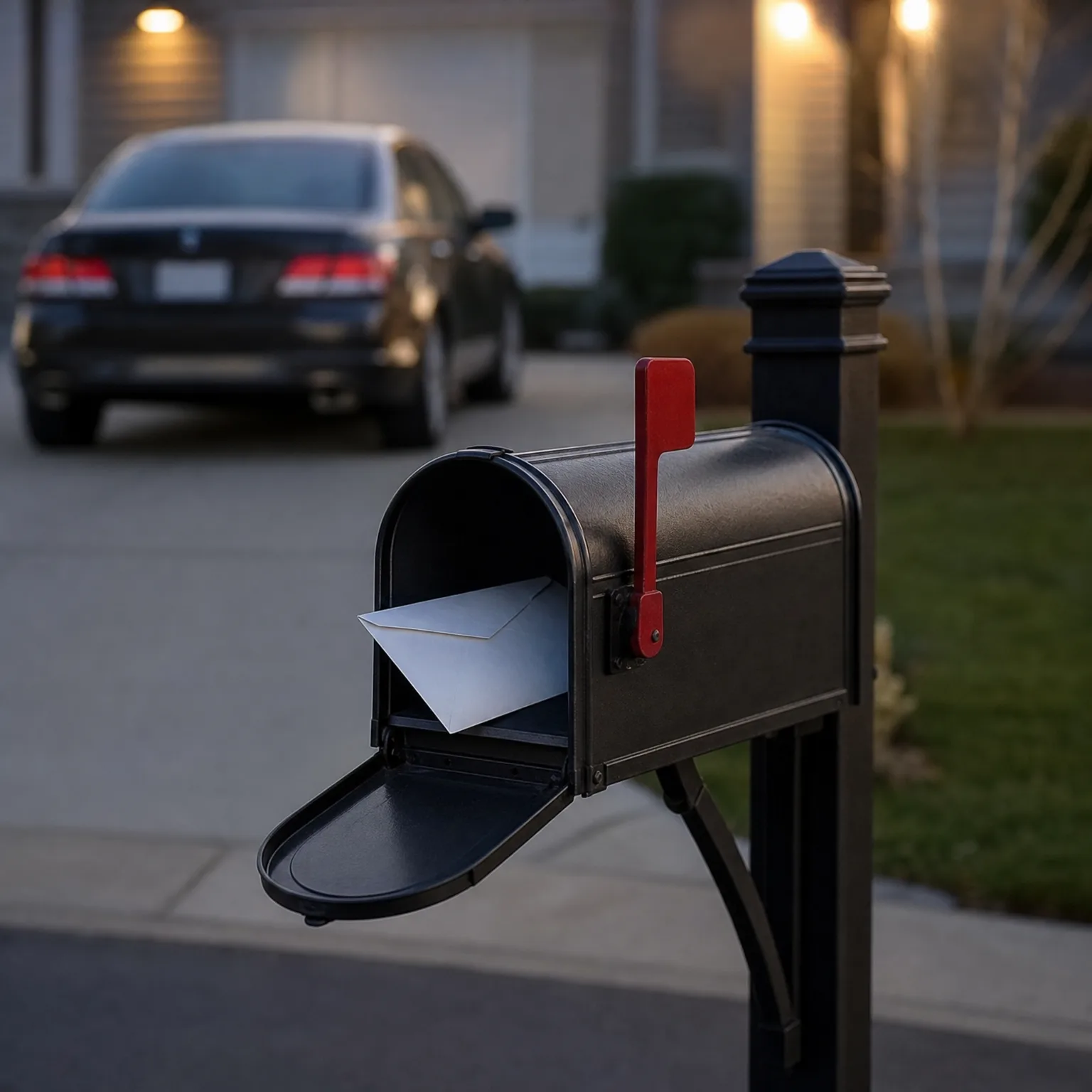
Online SR-22 platforms deliver speed and 24-hour access. You answer the application, the system underwrites instantly, and the SR-22 certificate files electronically with your state DMV within 24 hours in most states. No phone calls. No agent appointments. You're legal tomorrow.
The tradeoff is transparency. Online quote engines show one rate from one entity. You don't see the carrier's standard-auto subsidiary that might still accept you at a lower tier. You don't see the alternative non-standard carriers the aggregator doesn't contract with. The system optimizes for conversion, not comparison.
Most online SR-22 buyers overpay $40–$90/mo because they stop at the first quote that says 'approved.' If you have one DUI, no other violations, and assets to protect, you likely still qualify for a standard-auto entity through the right distribution path. The online engine won't tell you that.


What an independent agent changes about the SR-22 buying process
Independent agents contract with 8–15 carriers. When you call with an SR-22 requirement, they quote you through every entity that writes your profile in your state. That includes the non-standard subsidiaries the online engines default to and the standard-auto entities most aggregators won't access for high-risk business.
The agent submits your application to multiple underwriting systems simultaneously. You get 4–6 quotes back within 48 hours, each showing the actual monthly premium, the entity writing the policy, and the coverage limits. You compare entity to entity, not brand to brand. The $300/mo Progressive quote online becomes a $195/mo Progressive Specialty quote and a $210/mo Progressive Direct quote through the agent because you're seeing two different subsidiaries.
Agents also handle the SR-22 filing directly. They verify the certificate reached your state DMV, confirm your filing period start date, and set up monitoring so you're notified 30 days before the requirement ends. That administrative layer prevents the most common SR-22 mistake: letting the policy lapse one day before your filing period ends and resetting your clock to zero.

Get Your SR-22 Even Without a Car
Get SR-22 Quotes NowWhich distribution channel writes non-owner SR-22 policies
Non-owner SR-22 is liability-only coverage for drivers who don't own a vehicle but need to maintain an SR-22 filing. Most online aggregators don't offer it. The application flow assumes you're insuring a car. When you select 'I don't own a vehicle,' the system errors out or routes you to a call center.
Independent agents write non-owner SR-22 as a standard product. Progressive, The General, National General, and Dairyland all offer non-owner policies with SR-22 endorsement. Monthly premiums run $25–$65/mo depending on your violation and state. The agent binds the policy, files the SR-22 electronically, and confirms the state received it within 24 hours.
If you're between vehicles, borrowing cars, or using rideshare, non-owner SR-22 keeps you legal without paying for collision and comprehensive coverage on a car you don't drive. Online platforms won't sell this to you. Agents write it daily.

When buying online costs you more than the premium difference
Online SR-22 platforms sell the policy and file the certificate. They do not explain your filing period, monitor your compliance, or notify you when coverage lapses. If you miss a payment in month 14 of a 36-month filing requirement, the carrier cancels your policy and notifies your state DMV. Your filing period resets to day zero. You now owe 36 more months.
Most states treat an SR-22 lapse as a new suspension triggering a new reinstatement process. You pay the reinstatement fee again, refile SR-22, and restart the clock. That one missed payment costs you $250 in fees and 24 additional months of high-risk premiums. The online platform sent you a cancellation notice. It did not explain what that cancellation does to your filing period.
Independent agents set up automatic payment monitoring and call you before a lapse occurs. If you're switching carriers mid-filing-period, the agent coordinates the overlap so there's no gap between your old policy's cancellation and your new policy's SR-22 filing. That administrative buffer is worth $40/mo in avoided reinstatement costs for most drivers.

How to decide which path fits your SR-22 situation
If you have one DUI or one at-fault accident, no lapses, and you're comparing 3–4 known carriers, an independent agent saves you money. The spread between the online default entity and the best available entity runs $60–$120/mo. The agent's commission is already built into the premium. You pay the same rate whether you buy direct or through an agent, but the agent shows you more options.
If you have multiple violations, a suspended license, or a lapse in the last 12 months, start online to confirm you're insurable at all. High-risk profiles get declined by 60–70% of standard carriers. Online engines show you which non-standard carriers accept your profile immediately. Once you're approved, call an independent agent with that online quote in hand and ask them to beat it. They usually can.
If you need non-owner SR-22, skip the online aggregators entirely. Call an agent who writes Progressive, The General, or Dairyland and ask for a non-owner quote with SR-22 endorsement. You'll have coverage bound and filed within 24 hours at $30–$50/mo less than a standard policy on a vehicle you don't own.
Frequently Asked Questions
Can I switch from an online SR-22 policy to an agent mid-filing-period?
Yes, but the new policy's SR-22 must file with your state before the old policy cancels. Most states require continuous SR-22 coverage with zero gaps. An independent agent coordinates the overlap so your filing period doesn't reset. Switching mid-period to a lower rate saves you money as long as there's no lapse between carriers.
Do independent agents charge extra fees for filing SR-22?
No. Agent commissions are built into the carrier's premium whether you buy direct or through an agent. You pay the same rate. The state charges an SR-22 filing fee of $15–$50 depending on your state, but that fee applies regardless of distribution channel.
Why does Progressive quote me different rates online vs through an agent?
Progressive uses separate subsidiaries for standard and non-standard auto. The online engine defaults to one entity. Independent agents access multiple Progressive entities and show you the lowest available rate for your profile. Same parent company, different underwriting tier, different premium.
What happens if I buy SR-22 online and miss a payment?
The carrier cancels your policy and notifies your state DMV. Your SR-22 filing period resets to zero in most states. You'll pay reinstatement fees again and restart the full filing requirement. Online platforms don't monitor lapses or warn you before cancellation. Independent agents usually do.
Can I file SR-22 myself without buying a policy?
No. SR-22 is a certificate proving you carry liability insurance at or above your state's minimum limits. The carrier files it on your behalf when you buy the policy. You cannot file SR-22 without an active insurance policy from a carrier licensed to write SR-22 in your state.
Related Articles

SR-22 Online vs Captive Agent: Which Path Costs Less?
5/18/2026
SR-22 Quotes: Aggregator vs Direct — What Changes
5/18/2026

SR-22 Direct Carrier vs Broker: Which Costs Less?
5/18/2026

Can I Get SR-22 From an Online-Only Carrier?
5/18/2026

Compare 3 SR-22 Quotes in One Hour: Step-by-Step
5/18/2026
SR-22: Major Carrier vs Specialist — What You Pay For
5/18/2026