
SR-22 Filing for Snowbirds: Which State Files, Which State Pays
Get SR-22 Quotes NowWhich State Requires Your SR-22 Filing?
The state that suspended your license or issued the SR-22 requirement controls your filing obligation, not the state where you spend most of your time. If Florida suspended your license after a DUI, you file SR-22 with Florida's DMV even if you hold a Michigan driver's license and spend summers there. The suspension order itself names the filing state.
Snowbirds assume residency determines filing location because residency controls driver's license issuance and voter registration. SR-22 filing follows a different rule: it satisfies a specific suspension or court order tied to one state's DMV action. Filing in your secondary state does nothing to clear the original suspension.
If you hold licenses in both states, both states may require separate SR-22 filings if both have active suspensions or requirements. This is rare but happens when a driver receives violations in both jurisdictions during the same period. Most snowbirds face one active SR-22 requirement tied to one state's DMV.

Can You Buy Insurance in One State and File SR-22 in Another?
You can only file SR-22 in the state where your insurance policy is written. If your policy is written in Michigan, your carrier files SR-22 with Michigan's Secretary of State. If the state requiring SR-22 is Florida, a Michigan policy does not satisfy Florida's filing obligation.
This creates the core snowbird problem: you need a policy written in the state that issued the SR-22 requirement, but you may not meet that state's residency requirements for insurance purposes. Most states require you to garage your vehicle in-state to write a policy there. If your car is garaged in Michigan six months of the year, Florida carriers will not write you a Florida policy, which means you cannot file Florida SR-22.
The solution depends on where your vehicle is primarily garaged. If you garage in the state requiring SR-22 for more than six months annually, most carriers will write the policy there and file SR-22. If you split time evenly or garage primarily in the state not requiring SR-22, you need a non-owner SR-22 policy written in the filing state.

Non-Owner SR-22 for Snowbirds Without a Garaged Vehicle in the Filing State
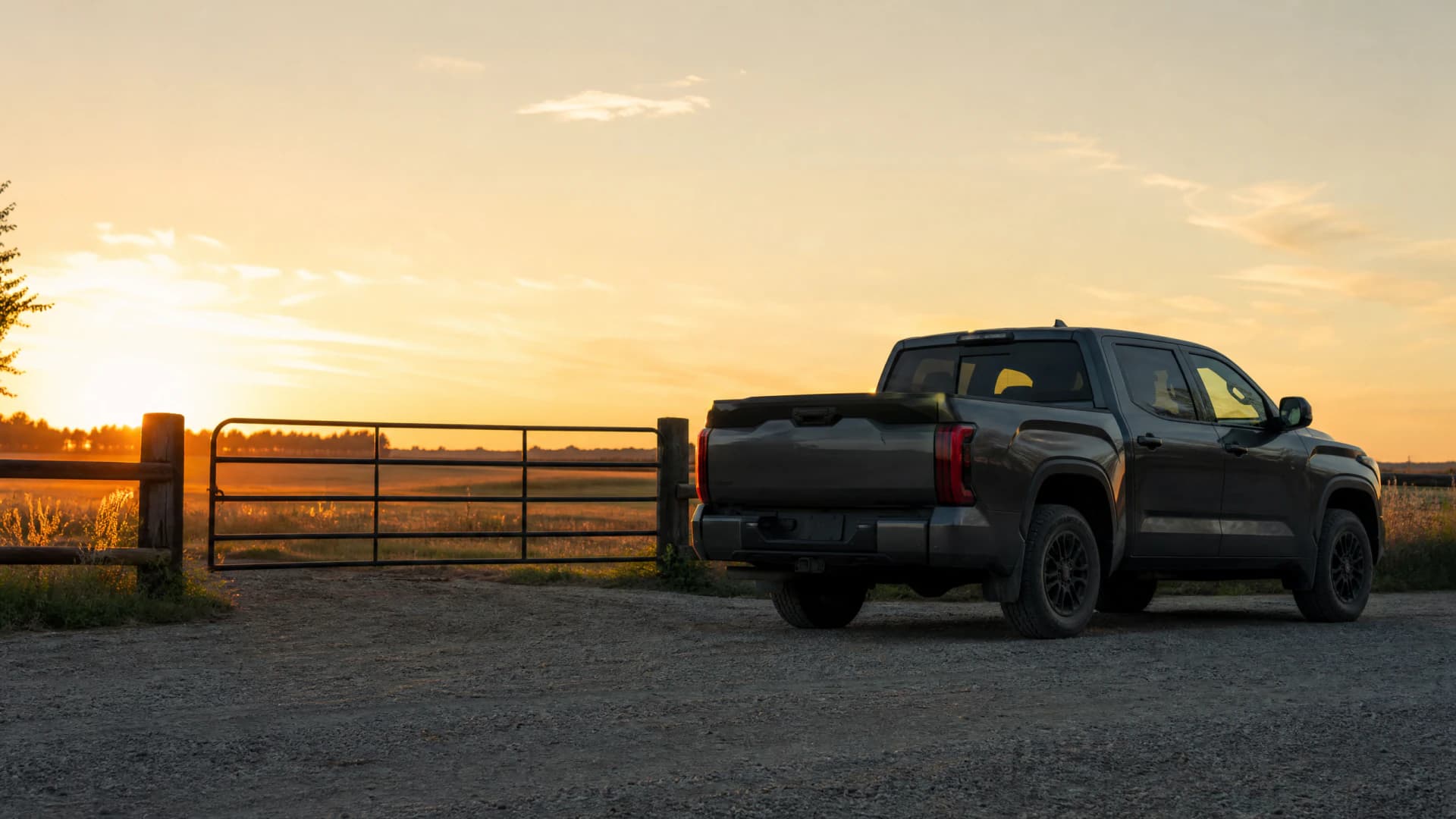
A non-owner SR-22 policy provides liability coverage when you drive vehicles you do not own and allows SR-22 filing in a state where you do not garage a vehicle. If Florida requires SR-22 but your vehicle is garaged in Michigan year-round, a Florida non-owner policy satisfies Florida's filing requirement without requiring you to register or insure a vehicle in Florida.
Non-owner SR-22 costs significantly less than standard SR-22 because it carries no collision or comprehensive exposure. Monthly premiums typically range from $30 to $60 depending on your violation history and the state's liability minimum requirements. The SR-22 filing fee itself is $15 to $50, paid once at policy inception.
You cannot hold a non-owner policy and a standard owner policy that cover the same driver simultaneously in most states. If you own and insure a vehicle in Michigan, the Michigan policy is primary. The Florida non-owner policy provides excess liability only when you drive a vehicle not covered by your Michigan policy. Carriers require disclosure of all owned vehicles when quoting non-owner coverage to avoid overlapping coverage conflicts.

Get Your SR-22 Even Without a Car
Get SR-22 Quotes NowWhat Happens If You Let SR-22 Lapse While Out of State?
Your carrier must notify the DMV within 24 to 72 hours of any lapse in SR-22 coverage, regardless of why the lapse occurred. If your policy cancels for nonpayment while you are spending winter in your secondary state, the filing-state DMV receives electronic notice immediately and typically suspends your license again within 10 to 30 days.
Most states reset your SR-22 filing clock to zero after a lapse. If you were two years into a three-year SR-22 requirement and your policy lapses for even one day, you start a new three-year filing period from the date you reinstate coverage. Some states also impose a new reinstatement fee ranging from $50 to $300 on top of the original suspension penalties you already paid.
Snowbirds lapse SR-22 more frequently than year-round residents because billing statements and cancellation notices are mailed to a primary address the driver does not check for months at a time. Set up electronic billing and autopay before leaving for your secondary state. Confirm your carrier has both addresses on file and knows which address to use for time-sensitive notices.
Do You Need to Notify Your Carrier When You Change States Seasonally?
You must notify your carrier every time your vehicle's garaging address changes for more than 30 consecutive days. Garaging location affects your rate, your coverage eligibility, and in some cases your carrier's willingness to continue writing your policy. Failing to update your garaging address is considered material misrepresentation and gives the carrier grounds to deny claims or cancel your policy retroactively.
Some carriers do not write SR-22 in all 50 states. If your carrier writes standard auto in Michigan but does not write SR-22 in Florida, they cannot file Florida SR-22 for you even if you snowbird there. You would need separate policies: a Michigan standard policy for your vehicle and a Florida non-owner SR-22 policy for your filing obligation.
Rate changes triggered by garaging address updates can be significant. Moving from a rural summer state to a high-density winter metro area often increases premiums by 20 to 40 percent even if your driving record does not change. Carriers reprice based on theft rates, accident frequency, and uninsured motorist density at your garaging ZIP code. Budget for two different premium levels if you split time evenly between states.

Can You Transfer SR-22 Requirements Between States If You Move Permanently?
SR-22 filing requirements do not transfer automatically when you move states or change your driver's license. If Ohio required three years of SR-22 and you move to Arizona after one year, Ohio's requirement remains active until you satisfy the full three-year period. Arizona does not assume Ohio's filing obligation, and obtaining an Arizona license does not terminate Ohio's SR-22 clock.
You must continue filing SR-22 in the original state until that state's DMV releases you from the requirement, even if you no longer hold a license there. Most states send a release letter or update your driving record electronically once the filing period ends. If you cancel your SR-22 policy before receiving confirmation that the requirement is satisfied, Ohio or the original state will re-suspend your license and you start the filing period over.
If you move permanently and register a vehicle in the new state, you need a policy written in the new state. That policy cannot file SR-22 in the old state unless the carrier is licensed in both states and agrees to file in the non-policy state. The more common solution is to maintain a non-owner SR-22 policy in the original state until the filing period ends while carrying a standard policy in your new state.
Frequently Asked Questions
Can I use one SR-22 policy to satisfy requirements in two different states?
No. SR-22 is filed with one state's DMV only, the state where your insurance policy is written. If two states each issued separate SR-22 requirements, you need two policies: one written in each state. Most snowbirds face one active SR-22 requirement tied to the state that suspended their license.
What happens to my SR-22 filing if I cancel my policy mid-season?
Your carrier notifies the DMV within 24 to 72 hours and the state suspends your license again, typically within 10 to 30 days. Most states reset your filing clock to zero, meaning you restart the full SR-22 period from the date you reinstate coverage. A two-year filing period becomes three years if you lapse after one year.
Do I need to change my driver's license to the state requiring SR-22?
No. SR-22 filing follows the state that issued the suspension or court order, not the state where you hold your license. You can file SR-22 in Florida while holding a Michigan license, as long as your insurance policy is written in Florida or you hold a Florida non-owner policy.
Can I keep my current carrier if I snowbird between two states?
Only if your carrier is licensed in both states and writes SR-22 in the state requiring the filing. Many national carriers write standard auto in all 50 states but route SR-22 business to specialty subsidiaries that operate in fewer states. Confirm your carrier writes SR-22 in the filing state before you leave.
How much does non-owner SR-22 cost for snowbirds?
Monthly premiums typically range from $30 to $60 depending on your violation and the state's liability minimums. The SR-22 filing fee is $15 to $50 paid once at policy inception. Non-owner SR-22 costs significantly less than standard SR-22 because it carries no collision or comprehensive coverage.
Related Articles

SR-22 for Vehicles Registered in Two States
5/18/2026

SR-22 Transfer When Spouses Live in Different States
5/18/2026
SR-22 After Moving to a No-SR-22 State Mid-Filing
5/18/2026

Does SR-22 Follow You When You Move States?
5/18/2026

SR-22 for Military Stationed Out of Home State
5/18/2026

Filing SR-22 in Two States: Dual-State SR-22 Reality
5/18/2026