SR-22 Follows the Driver, Not the Car: Multi-Vehicle Policy Rules
Get SR-22 Quotes NowSR-22 Filing Attaches to Your Driver's License, Not Your Vehicle Title
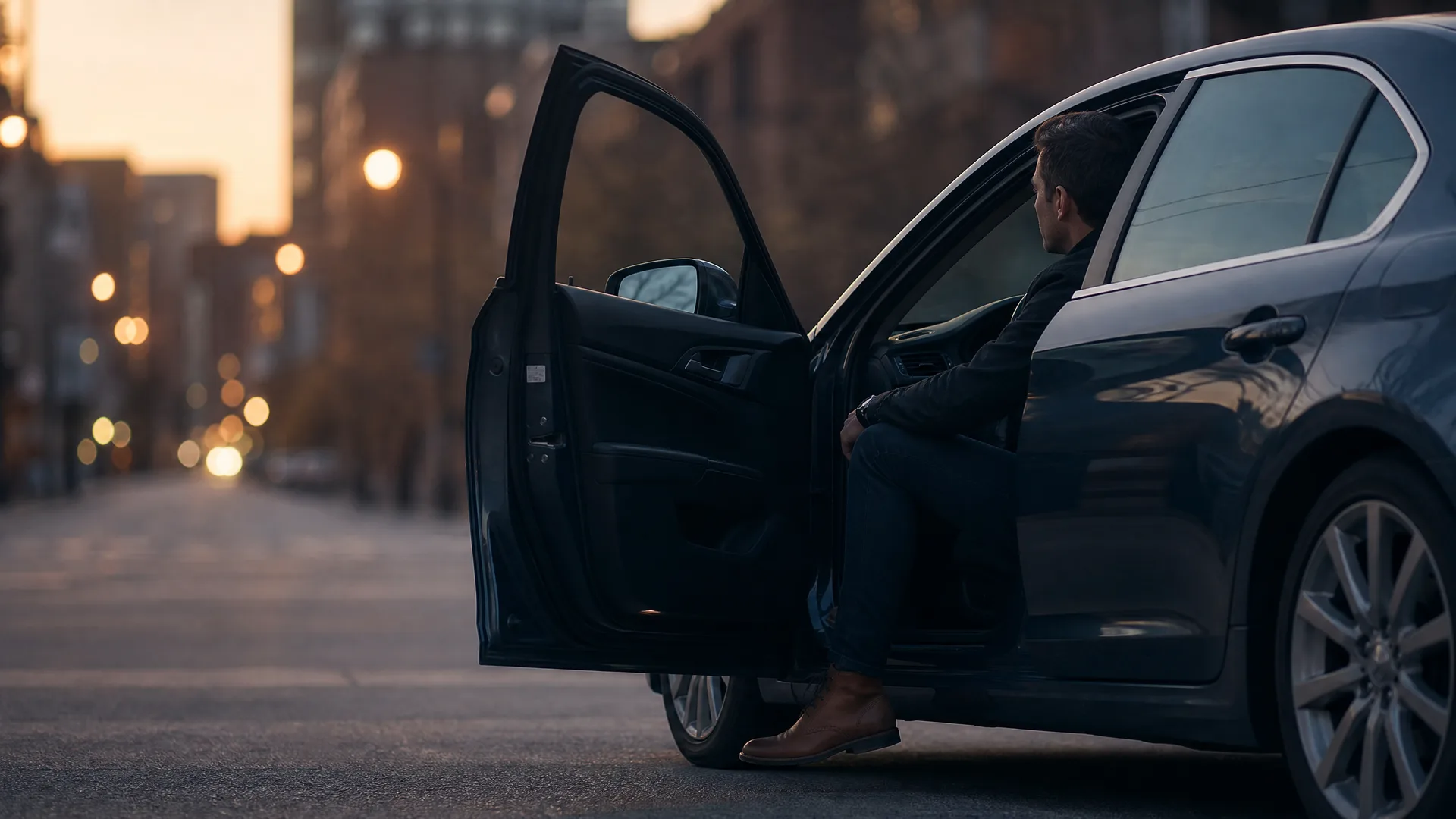
Your SR-22 requirement is a driver certification filed with your state's DMV to prove you carry the minimum liability coverage. The filing references your driver's license number, not your vehicle identification number. This means the SR-22 follows you as a driver regardless of which car you drive, how many vehicles you own, or whether you own a car at all.
When you're added to a multi-vehicle policy as a named insured or listed driver, the SR-22 filing applies to your driving privileges across all vehicles on that policy. You file SR-22 once per policy period. The carrier submits the certificate to your state DMV showing you meet the minimum liability limits required by law. That filing covers your operation of any vehicle insured under that policy.
If you own multiple vehicles and insure all of them on a single policy with yourself as the named insured, one SR-22 filing covers all vehicles. You do not need separate SR-22 certificates for each car. The state DMV requirement is satisfied as long as your policy remains active and the carrier maintains the filing for the full required period — typically 3 years in most states, though filing periods vary by state and violation type.
How Multi-Vehicle Policies Calculate SR-22 Premium Increases
The SR-22 filing itself costs between $15 and $50 per policy term depending on your state and carrier. That fee is a one-time administrative charge per filing, not per vehicle. The actual cost impact comes from the violation that triggered the SR-22 requirement — DUI, multiple at-fault accidents, reckless driving, or driving without insurance.
Carriers apply the rate increase from your violation to your entire policy premium. If you insure three vehicles on one policy and your base annual premium is $2,400 before the violation, a DUI that triggers a 90% rate increase raises your total annual cost to approximately $4,560. That increase applies to the combined premium for all vehicles, not individually to each car. The carrier prices your violation risk as a driver, and that risk exists regardless of which vehicle you operate.
Some carriers offer the option to exclude yourself as a driver on specific vehicles within a multi-vehicle policy. If you own a vehicle but another household member drives it exclusively, you can request a named driver exclusion for that car. The excluded vehicle would not reflect your SR-22 rate increase. However, if you drive that vehicle and file a claim, coverage will be denied. Named driver exclusions are binding — carriers will not pay claims on vehicles where you are formally excluded.


What Happens If You Add or Remove a Vehicle During Your SR-22 Filing Period
Adding a vehicle to your policy during your SR-22 filing period does not require a new SR-22 certificate. The existing filing remains active and covers the additional vehicle as long as the policy stays in force with the same carrier. The carrier will recalculate your premium based on the new vehicle's make, model, year, and coverage selections, but the SR-22 filing itself does not change.
Removing a vehicle from your policy also does not affect your SR-22 filing. The certificate remains on file with your state DMV as long as at least one vehicle stays insured under the policy. If you sell a car or take one off the policy, your SR-22 requirement continues uninterrupted. The filing tracks your compliance as a driver, not your vehicle count.
If you cancel your entire policy or let it lapse, your carrier is legally required to notify your state DMV immediately. Most states treat an SR-22 lapse as a failure to maintain required financial responsibility, which triggers an automatic license suspension. That suspension often resets your SR-22 filing period back to zero, meaning you start the required 3-year clock over from the reinstatement date. Maintaining continuous coverage across all policy changes is critical.

Get Your SR-22 Even Without a Car
Get SR-22 Quotes NowNon-Owner SR-22 as an Alternative to Multi-Vehicle Policy Filing
If you do not own any vehicles but still need to satisfy an SR-22 requirement, a non-owner SR-22 policy provides liability coverage when you drive borrowed or rented cars. Non-owner policies do not cover vehicles you own or vehicles registered to your household, but they satisfy state DMV filing requirements at a significantly lower cost than standard owner policies.
Non-owner SR-22 premiums typically range from $300 to $900 per year depending on your violation history and state. This option makes sense if you primarily use rideshare, public transit, or borrowed vehicles and do not need comprehensive or collision coverage on a specific car. The SR-22 filing on a non-owner policy functions identically to a standard policy filing — the carrier submits the certificate to your state DMV, and you maintain the policy for the full required period.
If you later purchase a vehicle during your SR-22 filing period, you can convert your non-owner policy to a standard owner policy with the same carrier. The SR-22 filing transfers to the new policy without interruption, and your filing period clock continues from the original start date. You do not lose credit for time already served under the non-owner filing.

Multi-Vehicle Policy Household Rules and SR-22 Filing
Most carriers require all household members with a valid driver's license to be listed on a multi-vehicle policy, either as named insureds or listed drivers. If another household member also has an SR-22 requirement, each driver needs a separate SR-22 filing attached to the same policy. The carrier submits individual certificates to the DMV for each driver's license number.
Some carriers will not insure households where multiple drivers require SR-22 filing. These situations fall into non-standard or high-risk specialty markets. Carriers that do accept multi-SR-22 households often require higher liability limits than state minimums and may mandate bodily injury coverage of at least 50/100 or 100/300 regardless of what your state legally requires.
If you are listed as a driver on someone else's multi-vehicle policy and you need SR-22, your filing can be added to their policy only if you are a named insured or rated driver. Casual permissive drivers cannot satisfy SR-22 requirements through someone else's policy. You must either be added as a formal named insured on their policy or carry your own separate policy with an SR-22 filing.
Frequently Asked Questions
Do I need SR-22 on every car I own?
No. SR-22 filing applies to your driver's license, not to individual vehicles. If you own multiple cars insured on one policy, a single SR-22 filing covers all of them. The carrier submits one certificate to your state DMV showing you meet minimum liability requirements as a driver.
Can I add a car to my policy while my SR-22 is active?
Yes. Adding a vehicle during your SR-22 filing period does not require a new certificate. Your existing SR-22 filing remains active and covers the additional car. The carrier will adjust your premium based on the new vehicle, but the filing itself stays in place.
Does SR-22 increase the cost of insuring all my vehicles?
The SR-22 filing fee itself is $15 to $50 per policy term, not per vehicle. The cost increase comes from the violation that triggered the SR-22 requirement. Carriers apply that rate increase to your entire multi-vehicle policy premium, not individually to each car.
What happens if I sell one car during my SR-22 period?
Removing a vehicle from your policy does not affect your SR-22 filing. The certificate remains on file with your state DMV as long as you maintain at least one insured vehicle under the policy. Your filing period continues uninterrupted.
Can I exclude myself from one vehicle to lower the SR-22 cost?
Some carriers allow named driver exclusions on specific vehicles within a multi-vehicle policy. If you own a car but never drive it, excluding yourself prevents that vehicle from reflecting your SR-22 rate increase. However, if you drive an excluded vehicle and file a claim, coverage will be denied.
Related Articles

SR-22 for Vehicles Registered in Two States
5/18/2026

Do I Need SR-22 If I Don't Own a Car? Non-Owner Filing
5/18/2026

Will SR-22 Raise Rates for Others on Your Policy?
5/18/2026

SR-22 for Fleet Drivers: Commercial vs Personal Filing
5/18/2026

Does SR-22 Transfer Between Vehicles You Own?
5/18/2026

Do I Need SR-22 If I Only Drive a Motorcycle?
5/18/2026