
SR-22 with Telematics: Does Usage-Based Rating Lower Your Premium?
Get SR-22 Quotes NowHow Telematics Discounts Apply to SR-22 Policies
Telematics discounts are applied to your base premium, not your final rate. Most carriers calculate your standard liability premium first, apply the telematics discount, then add the SR-22 surcharge and high-risk multiplier on top. If your base premium is $900/year and you earn a 15% telematics discount, you save $135—but your final rate after SR-22 surcharges may still be $2,400/year. The discount exists, but it represents 5.6% of what you actually pay, not 15%.
Progressive, State Farm, and Allstate all structure their usage-based programs this way. The advertised discount percentage reflects savings against the clean-record baseline, not the high-risk total. This matters because carriers pitch telematics as a meaningful offset for SR-22 drivers, but the math rarely delivers more than single-digit percentage relief on the final bill.
Some non-standard carriers skip telematics entirely. They use flat or tiered SR-22 pricing that doesn't account for monitored driving behavior. If your only options are non-standard insurers, telematics won't be available at all—traditional rating is your only path.

Which Carriers Offer Telematics for SR-22 Filers
Progressive Snapshot and State Farm Drive Safe & Save both accept SR-22 policyholders, but enrollment depends on your state and the violation that triggered the filing. Progressive typically allows SR-22 drivers into Snapshot unless the filing is tied to a DUI in the last 36 months. State Farm restricts Drive Safe & Save enrollment for drivers with multiple at-fault accidents or any alcohol-related conviction in the last five years.
Allstate Drivewise accepts SR-22 drivers in most states, but discount caps are lower for high-risk profiles. A clean-record driver might earn up to 25% off, while an SR-22 filer with a recent violation typically caps at 10-12%. Geico does not offer telematics for drivers requiring SR-22 in most states—if Geico quotes you at all, it's traditional rating only.
If you're working with a non-standard carrier like The General, Bristol West, or Titan, telematics is rarely an option. These insurers price SR-22 risk using traditional factors: violation type, filing duration, and coverage limits. Usage-based rating is a feature of standard-market carriers, and most SR-22 filers don't qualify for standard market until their filing period ends and their record clears.
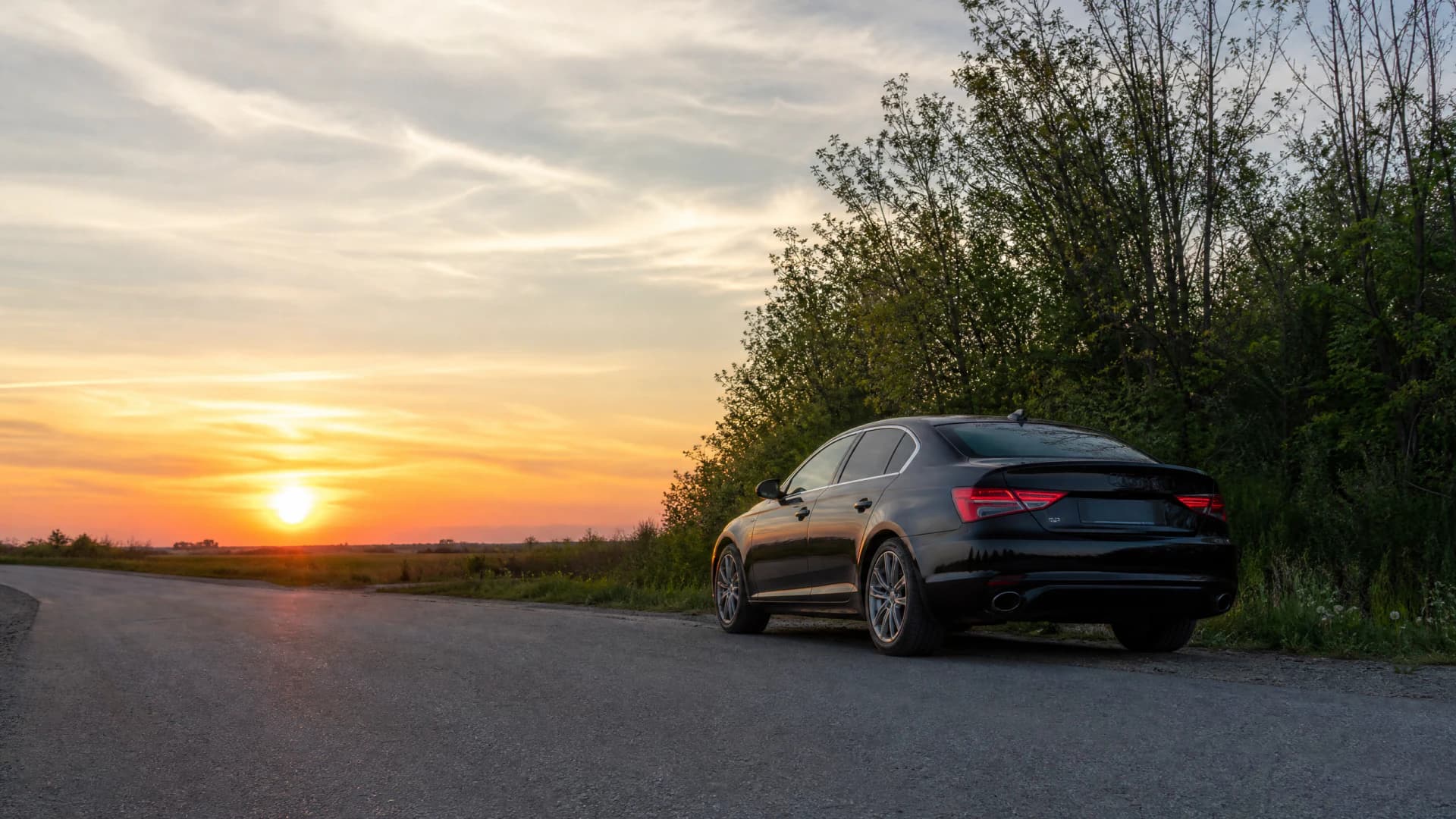

What Telematics Programs Monitor and How That Affects SR-22 Rates
Telematics devices or apps track mileage, hard braking, rapid acceleration, time of day, and phone use while driving. Carriers use this data to calculate a driving score, then apply a discount based on that score. For SR-22 drivers, the same behaviors are monitored, but the discount range is narrower and penalties for risky driving are harsher.
If you brake hard frequently or drive late at night, your telematics score drops and your discount shrinks. For a clean-record driver, that might mean losing 5% of a potential 20% discount. For an SR-22 filer, it can mean losing your entire discount or triggering a rate increase at renewal. Progressive and Allstate both reserve the right to raise rates based on telematics data in states where that's permitted—most SR-22 filers are already in high-risk tiers, so any negative adjustment compounds quickly.
Mileage matters more than most drivers expect. Low-mileage drivers—under 7,500 miles per year—see the largest telematics discounts. If you're driving 15,000+ miles annually, your telematics discount will be minimal even with perfect braking and acceleration scores. SR-22 drivers who commute long distances or work non-standard hours often find that telematics programs cost them more in risk exposure than they save in discounts.

Get Your SR-22 Even Without a Car
Get SR-22 Quotes NowSR-22 Telematics vs Traditional Rating: Real Premium Comparison
A 35-year-old driver in Ohio with a DUI and SR-22 requirement might pay $2,100/year with Progressive using traditional rating. Enrolling in Snapshot and earning a 12% discount brings that down to $1,848/year—a $252 annual savings. That same driver with a clean record would pay $780/year, and a 12% Snapshot discount would save $94. The discount percentage is the same, but the baseline is radically different.
For drivers in non-standard market, telematics isn't available and traditional rating is the only option. A driver with The General might pay $2,600/year for SR-22 coverage with no telematics option at all. If that same driver qualifies for Progressive or State Farm after one year of clean driving, switching to a standard carrier with telematics could drop their rate to $1,600-$1,800/year—but the savings come from the carrier switch, not the telematics enrollment.
Telematics discounts grow over time. Most programs start with a small enrollment discount—typically 5-10%—and increase the discount every six months based on your driving score. If you're filing SR-22 for three years, you might see your telematics discount climb from 8% in year one to 15% by year three, assuming your score improves and you stay claims-free. That's meaningful savings, but only if you remain with the same carrier for the full filing period.

When Telematics Makes Sense for SR-22 Drivers
Telematics works best for SR-22 drivers who qualify for standard-market carriers, drive low annual mileage, and have predictable schedules. If you're working from home, driving under 10,000 miles per year, and avoiding late-night trips, a telematics program will likely save you money. The discount compounds at renewal, and carriers reward consistency.
If you're in non-standard market or your only SR-22 option is a high-risk insurer, telematics won't be available. Focus on getting through your filing period claims-free, then shop for a standard carrier once your record clears. Switching from non-standard to standard market typically saves more than any telematics discount would.
Drivers with unpredictable schedules—shift workers, gig drivers, or anyone driving frequently between midnight and 4 a.m.—often lose money with telematics. Late-night driving and high mileage both hurt your score, and the discount shrinks or disappears. Traditional rating may cost less if your driving patterns don't fit the telematics profile carriers reward.
Frequently Asked Questions
Does telematics lower my SR-22 insurance rate?
Telematics discounts apply to your base premium before the SR-22 surcharge is added, typically saving 3-8% of your final rate rather than the advertised 10-30%. The discount exists but represents a smaller percentage of what you actually pay after high-risk surcharges are applied.
Can I use telematics if I have an SR-22 filing requirement?
Progressive Snapshot and State Farm Drive Safe & Save accept most SR-22 drivers unless the filing is tied to a recent DUI or multiple violations. Non-standard carriers like The General or Bristol West rarely offer telematics programs at all.
Will telematics raise my SR-22 rate if I drive poorly?
Yes, in states where it's permitted. Progressive and Allstate can increase rates based on telematics data showing frequent hard braking, rapid acceleration, or late-night driving. SR-22 drivers are already in high-risk tiers, so any negative adjustment compounds quickly.
How much can I save with telematics on an SR-22 policy?
Typical savings range from $150-$400 per year depending on your base premium, driving score, and annual mileage. Low-mileage drivers with consistent schedules see the largest discounts, while high-mileage or shift workers often see minimal savings.
Should I enroll in telematics if I'm filing SR-22?
Enroll if you drive under 10,000 miles per year, avoid late-night trips, and qualify for a standard-market carrier. Skip it if you're in non-standard market, drive high mileage, or work irregular hours—traditional rating may cost less.
Related Articles
SR-22 With Usage-Based Tracking vs Standard Policy
5/18/2026

SR-22: Major Carrier vs Specialist — What You Pay For
5/18/2026
SR-22 + Low Credit: Carriers That Don't Penalize Both
5/18/2026

SR-22 Online vs Local Agent: What Actually Changes
5/18/2026

SR-22 Under 21: Carriers That Write You & Real Costs
5/18/2026

Monthly SR-22 Carriers That Bill in Installments
6/8/2026