
Utah Alcohol-Restricted License and DLD SR-22 Filing Rules
Get SR-22 Quotes NowWhat is Utah's Alcohol-Restricted License and How Does SR-22 Fit?
Utah's alcohol-restricted license is a limited driving privilege granted after a first-offense DUI conviction. It allows you to drive to work, school, medical appointments, and court-ordered programs after serving just 30 days of suspension instead of the standard 120-day revocation. The Driver License Division requires continuous SR-22 filing for the entire restriction period — typically two years from your conviction date.
The restriction is not automatic. You apply through the DLD after 30 days, pay a $45 application fee, and prove SR-22 coverage is active before the restricted license issues. If your SR-22 lapses at any point during the restriction period, the DLD revokes your restricted license immediately and you serve the remainder of the original 120-day suspension with no credit for time already served.
Most DUI offenders in Utah choose the restricted license because it preserves employment and family obligations. The trade is stricter compliance requirements: ignition interlock installation on all vehicles you operate, proof of SR-22 on file with the DLD, and zero tolerance for any traffic violation during the restriction period.
How Long Must You Maintain SR-22 Filing on a Restricted License?
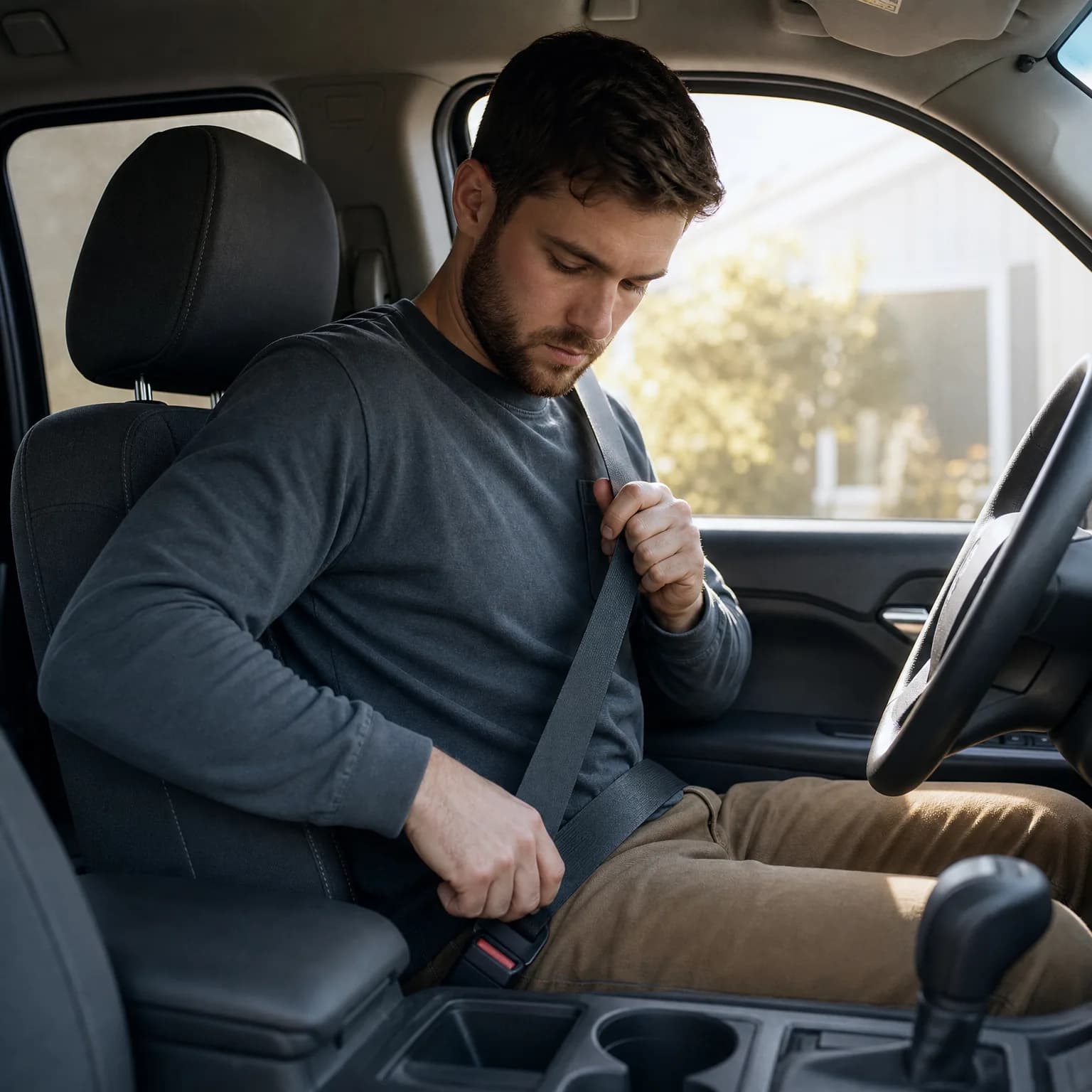
Utah requires SR-22 filing for two years from your DUI conviction date if you hold an alcohol-restricted license. This period runs concurrently with your restriction, not after it. If your conviction date was January 15, 2024, your SR-22 filing must remain active through January 15, 2026, regardless of when you applied for the restricted license.
The filing period does not pause if you let your SR-22 lapse. A lapse triggers immediate revocation of your restricted license and restarts your suspension clock. You serve the remaining days of the original 120-day suspension, then reapply for a restricted license and refile SR-22 — effectively adding months to your total restriction period.
Some carriers cancel SR-22 policies automatically if you miss a payment by even one day. Others provide a grace period but do not notify the DLD of the lapse until the policy formally cancels. The DLD receives electronic notice of cancellation within 24 hours and issues a revocation letter the same day. You cannot drive legally the moment your SR-22 cancels, even if you were unaware of the lapse.
What Driving Activities Are Permitted Under Utah's Restricted License?
Utah's alcohol-restricted license permits driving to and from work, school, medical appointments, court-ordered DUI education or treatment programs, ignition interlock service appointments, and religious services. The restriction does not permit recreational driving, errands unrelated to the permitted categories, or driving outside Utah unless the other state recognizes Utah's restricted license format.
You must carry proof of your restricted license, current SR-22 certificate, and documentation of your destination purpose whenever driving. Law enforcement can request all three during any traffic stop. Driving outside permitted hours or purposes is treated as driving on a suspended license, which carries up to six months in jail and a $1,000 fine as a class B misdemeanor.
The DLD does not issue formal permission slips or route approvals. You self-certify that each trip falls within permitted categories. If cited for unauthorized use, you bear the burden of proving the trip was necessary and fell within the restriction's scope.
Which Carriers Write SR-22 for Alcohol-Restricted License Holders in Utah?
Most standard carriers in Utah do not write new policies for drivers holding alcohol-restricted licenses. Progressive, The General, and Bristol West actively write SR-22 coverage for restricted license holders, typically through non-standard divisions at higher price tiers. GEICO and State Farm route DUI and SR-22 business to affiliated non-standard subsidiaries or decline coverage entirely in Utah for drivers with active restrictions.
Monthly premiums for SR-22 coverage on a restricted license range from $180 to $320 in Utah, depending on your age, county, and whether you carry collision coverage. The SR-22 filing fee itself is $25 to $50, paid once at policy inception and again if you switch carriers during the filing period. Some carriers waive the filing fee if you maintain continuous coverage for 12 months without lapse.
Carrier availability narrows further if you need non-owner SR-22 coverage because you do not own a vehicle. Progressive and The General write non-owner SR-22 policies in Utah. Bristol West writes them selectively based on county. Non-owner SR-22 premiums start around $40 to $70 per month for state minimum liability, but you still need ignition interlock installed on any vehicle you operate under the restricted license, even if you do not own it.
Get Your SR-22 Even Without a Car
Get SR-22 Quotes Now
What Happens If Your SR-22 Lapses While on a Restricted License?
The DLD revokes your restricted license the same day your SR-22 cancels. You receive a revocation notice by mail, but the revocation is effective immediately upon cancellation, not upon receipt of the notice. Driving after SR-22 cancellation is driving on a suspended license, even if you have not yet received the revocation letter.
Once revoked, you serve the remainder of your original 120-day suspension. If you had 60 days remaining when the SR-22 lapsed, you serve 60 additional days with no driving privileges before you can reapply for a restricted license. The two-year SR-22 filing requirement does not reset, but you must refile SR-22 and pay the application fee again to reinstate the restricted license.
Most lapses occur because of missed premium payments or policy cancellations for non-payment. A few occur because drivers switch carriers without ensuring the new carrier files SR-22 with the DLD before the old policy cancels. The gap between policies — even one day — is a lapse. Coordinate the effective date of your new SR-22 policy to start the day before your old policy ends to avoid any gap.
Can You Satisfy SR-22 Requirements With Non-Owner Coverage on a Restricted License?
Yes. Utah accepts non-owner SR-22 policies for alcohol-restricted license holders who do not own a vehicle. The policy must meet Utah's minimum liability limits of 25/65/15 and the carrier must file SR-22 with the DLD electronically. Non-owner policies do not cover vehicles you own, lease, or have regular access to, so if your household includes a vehicle titled to a spouse or family member, verify that vehicle carries its own SR-22-compliant policy.
Non-owner SR-22 does not eliminate the ignition interlock requirement. You must have an ignition interlock device installed on any vehicle you operate, even if you do not own it and the vehicle is covered under someone else's policy. The DLD restricted license order specifies ignition interlock as a condition of the restriction, not a condition of the insurance policy.
If you purchase a vehicle during the SR-22 filing period, you must notify your carrier within 30 days and convert your non-owner policy to an owner policy with SR-22 still active. Failing to notify your carrier can result in coverage denial if you file a claim, and if the carrier cancels your policy for misrepresentation, the DLD treats it as an SR-22 lapse and revokes your restricted license.
Does Moving Out of State End Your Utah SR-22 Requirement?
No. Your SR-22 filing obligation follows you if you move out of Utah during the two-year filing period. You must notify the Utah DLD of your new address and maintain continuous SR-22 coverage filed with Utah, even if your new state does not require SR-22. Some states allow you to transfer the filing requirement to their system; others require you to maintain dual filings.
If you move to a state that does not recognize Utah's alcohol-restricted license format, your restricted license becomes invalid and you cannot drive legally in your new state until you satisfy that state's reinstatement requirements. Nevada, Arizona, and Idaho recognize some out-of-state restricted licenses on a case-by-case basis, but most states do not. Contact your new state's DMV before moving to determine whether your Utah restricted license transfers.
Your SR-22 carrier must be licensed to write policies in your new state. If your current carrier does not operate in your new state, you must switch carriers and ensure the new carrier files SR-22 with the Utah DLD, not just your new state's DMV. The gap between carriers is the highest-risk moment for a lapse when moving states.
Frequently Asked Questions
How much does SR-22 cost in Utah with an alcohol-restricted license?
The SR-22 filing fee in Utah is $25 to $50, paid once when your carrier files with the DLD. Monthly insurance premiums for drivers on alcohol-restricted licenses range from $180 to $320, depending on age, county, and coverage selections. Non-owner SR-22 policies start around $40 to $70 per month for state minimum liability.
Can I get my regular license back early if I complete my DUI program?
No. Utah's two-year SR-22 filing period and restricted license term run from your conviction date, not your program completion date. Finishing DUI education or treatment early does not shorten the restriction or SR-22 requirement. The DLD will not remove the restriction until the full two years have passed and you provide proof of completed SR-22 filing.
What happens if I get a traffic ticket while on a restricted license in Utah?
Any traffic violation during your alcohol-restricted license period can result in revocation of the restriction and reinstatement of the full 120-day suspension. The DLD reviews all citations issued to restricted license holders and decides whether to revoke on a case-by-case basis. Even minor infractions like speeding or failure to signal can trigger revocation if the DLD determines you violated the terms of your restriction.
Do I need ignition interlock if I only have non-owner SR-22 insurance?
Yes. Utah's ignition interlock requirement is tied to your restricted license, not your insurance policy. You must have an ignition interlock device installed on any vehicle you operate, even if you do not own the vehicle and carry only non-owner SR-22 coverage. The restriction applies to the driver, not the policy.
Can I drive for work in other states with Utah's alcohol-restricted license?
It depends on the other state. Most states do not recognize out-of-state restricted licenses, which means your Utah restricted license is not valid for driving in those states. A few states, including Nevada and Idaho, recognize some restricted licenses on a case-by-case basis. Contact the DMV in any state you plan to drive in before crossing state lines to confirm whether your Utah restricted license is recognized.
Related Articles
SR-22 and Utah Limited Driving Permits Explained
5/18/2026
Idaho Restricted Permit with SR-22: How to Drive Legally
5/18/2026
SR-22 & Wyoming Probationary License: What You Must Know
5/18/2026

SR-22 and South Dakota Work Permits: What to Know
5/18/2026
SR-22 After Non-Driving Suspensions: Requirements & Costs
5/18/2026
SR-22 and Court-Ordered Treatment: How Filing Works
5/18/2026