When Non-Owner SR-22 Coverage Won't Protect You: Key Gaps
Get SR-22 Quotes NowNon-Owner SR-22 Only Covers Vehicles You Borrow Occasionally
Non-owner SR-22 policies are designed for drivers who need an SR-22 filing but don't own a vehicle. The coverage applies when you borrow someone else's car on an infrequent basis — think a friend's car for a weekend errand or a rental car for a trip. But most carriers define "occasional use" as fewer than 12 times per year, and some set the threshold even lower at once per month. If you borrow the same vehicle regularly — such as a roommate's car for your daily commute or a parent's car every weekend — you're no longer an occasional driver in the carrier's view, and the policy may deny coverage if you're involved in an accident.
This restriction is buried in policy exclusions, not highlighted during the quote process. Progressive, GEICO, and The General all include "regular use" exclusions in their non-owner policies, though the specific language varies. Progressive's non-owner policy excludes coverage for "any vehicle you use on a regular basis," while The General specifies "any vehicle you have regular access to." If you're caught driving a vehicle you use regularly and file a claim, the carrier can deny coverage retroactively, which means you'd be personally liable for damages and your SR-22 filing could be canceled for lack of underlying coverage.
The financial consequence is immediate: if your SR-22 filing is canceled because your non-owner policy was invalidated, your state DMV receives a notice within 24 hours in most states. Your license suspension is reinstated automatically, and you'll need to file a new SR-22, pay reinstatement fees a second time, and in many states restart your SR-22 filing period from day one. In California, for example, a lapsed SR-22 filing resets your three-year requirement entirely, meaning one denied claim on a non-owner policy could add years to your high-risk status.
Household Vehicle Exclusions Apply Even If You're Not Listed
Non-owner SR-22 policies exclude coverage for any vehicle registered at your home address, even if you don't own it and aren't listed on the registration. This is called a household vehicle exclusion, and it's standard across nearly all non-owner policies. If you live with a parent, partner, or roommate who owns a car, that vehicle is automatically excluded from your non-owner coverage — whether or not you have permission to drive it, and whether or not you're listed as a driver on their policy.
The exclusion exists because carriers assume you have regular access to any vehicle parked where you live. State Farm, Nationwide, and Bristol West all enforce this rule, and most won't issue a non-owner policy at all if they discover a household vehicle during underwriting. If you live at an address with a registered vehicle and apply for non-owner SR-22 coverage, expect the carrier to ask directly: "Do you have access to that vehicle?" Answering "no" when you do have access is considered material misrepresentation, which gives the carrier grounds to cancel your policy and your SR-22 filing retroactively.
If you need SR-22 coverage and live in a household with a vehicle, you have two compliant options: get added as a listed driver on the household vehicle's policy with an SR-22 endorsement attached to that policy, or get explicitly excluded from the household vehicle in writing. An excluded driver endorsement removes you from coverage on the household vehicle entirely, which allows you to maintain a non-owner policy legally. But if you're excluded and then drive that household vehicle — even in an emergency — any accident will leave you personally liable, and your SR-22 filing will likely be canceled for driving a vehicle you were contractually barred from operating.
Vehicles Titled in Your Name Void Non-Owner Coverage Immediately
Non-owner SR-22 policies are invalid the moment you own a vehicle, even if you don't drive it. If you have a car titled in your name — whether it's operable, parked, stored, or totaled — you're required to carry a standard auto insurance policy with SR-22 attached, not a non-owner policy. This is a hard rule across all states and all carriers that write non-owner coverage. The policy language is explicit: non-owner coverage applies only to drivers who do not own, lease, or have regular access to a vehicle.
The timing creates a trap for drivers who buy a car while holding a non-owner SR-22 policy. Let's say you purchase a used vehicle on a Saturday and plan to get it insured the following Monday. The moment the title is transferred into your name, your non-owner policy is technically void, even if you haven't driven the car yet. If you're pulled over during that two-day gap or involved in an accident, your non-owner carrier will deny coverage because you owned a vehicle at the time of the incident. Your SR-22 filing will be canceled, and you'll face a license suspension for driving without valid insurance — even though you believed you were covered.
Some carriers will cancel your non-owner policy automatically if they receive notice that you've registered a vehicle in your name, which can happen through DMV data-sharing programs in states like California, Florida, and Texas. Others won't know until you file a claim or until your policy renews and they re-run your MVR and registration records. Either way, the result is the same: coverage is void from the date you took ownership, not from the date the carrier discovered it. If you're planning to buy a vehicle while on a non-owner SR-22 policy, you must secure a standard auto policy with SR-22 endorsement before the title transfer is finalized, not after.
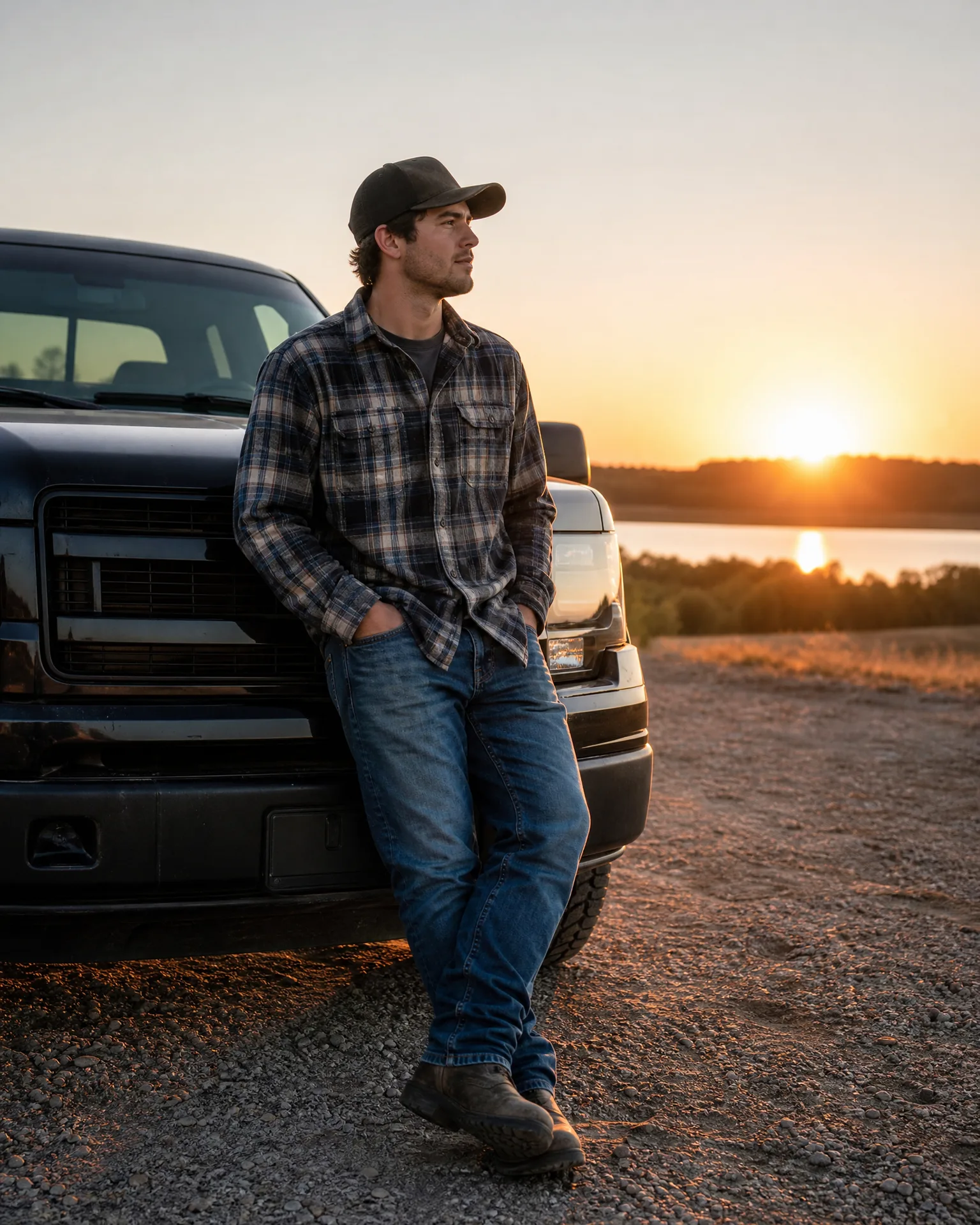
Get Your SR-22 Even Without a Car
Get SR-22 Quotes NowRental Cars and Rideshare Driving Trigger Additional Exclusions
Non-owner SR-22 policies typically cover rental cars for personal use, but not always, and the coverage limits are often lower than you'd expect. Most non-owner policies provide the state minimum liability limits only — which in California is 15/30/5, in Texas 30/60/25, and in Florida 10/20/10. If you rent a car and cause an accident that exceeds those limits, you're personally liable for the difference, and the rental company can pursue you for damage to their vehicle if you declined their collision damage waiver.
Rideshare driving is explicitly excluded from all non-owner SR-22 policies. If you drive for Uber, Lyft, or any other transportation network company using a borrowed or rented vehicle, your non-owner policy will not cover you during any phase of rideshare activity — not while you're waiting for a ride request, not while you're en route to pick up a passenger, and not while a passenger is in the car. Rideshare companies provide commercial liability coverage during certain periods, but that coverage does not satisfy SR-22 filing requirements, and gaps exist during Period 1 (app on, no ride accepted) that leave you exposed.
If you're caught driving for a rideshare service while holding only a non-owner SR-22 policy, the consequences depend on when the violation is discovered. If you're involved in an accident while driving for Uber and file a claim, your non-owner carrier will deny coverage for commercial use, your SR-22 filing will be canceled, and your rideshare company will deactivate your account for operating without proper commercial coverage. If you're simply pulled over and the officer notes rideshare materials in the vehicle, you may avoid an immediate coverage issue, but your carrier can cancel your policy at renewal for misrepresenting your vehicle use, which again voids your SR-22 filing.
What to Do If You've Been Driving a Vehicle Your Non-Owner Policy Excludes
If you've been driving a vehicle that your non-owner SR-22 policy excludes — a household car, a vehicle you borrow regularly, or a car titled in your name — the safest move is to switch to a compliant policy before any incident forces the issue. Contact your current carrier or a high-risk insurance broker and disclose the situation: "I have a non-owner policy, but I've been driving [specific vehicle] regularly. I need to get properly covered." Most carriers won't penalize you for correcting the issue proactively, but they will cancel your policy and SR-22 filing if they discover the exclusion violation during a claim.
If the vehicle you've been driving is titled in your name, you'll need to convert to a standard auto insurance policy with SR-22 endorsement. Expect your premium to increase — non-owner SR-22 policies typically cost $300 to $600 per year, while standard SR-22 policies for high-risk drivers range from $1,200 to $3,000 annually depending on your violation, state, and vehicle. If the vehicle is owned by someone in your household, you can either get added to their policy as a listed driver with SR-22 attached, or get formally excluded from their vehicle in writing and maintain your non-owner policy — but you cannot legally drive that household vehicle if you're excluded.
If you've already filed a claim and your non-owner carrier denied coverage due to an exclusion, your SR-22 filing has likely already been canceled, and your license suspension has been reinstated. You'll need to pay your state's reinstatement fee (typically $50 to $150), secure a compliant insurance policy with SR-22 endorsement, and refile your SR-22 certificate with the DMV. In most states, the SR-22 clock does not reset if you refile within 30 days of the lapse, but in California, Illinois, and Florida, any lapse longer than 24 hours restarts your full SR-22 filing period. Check your state's specific lapse rules before assuming you can refile without penalty — the difference can add one to three years to your high-risk status.

How to Find Non-Owner SR-22 Coverage That Matches Your Actual Driving Situation
Not all non-owner SR-22 policies enforce exclusions identically, and some carriers are more flexible about household vehicles and regular use than others. The General and Acceptance Insurance both write non-owner SR-22 policies in most states and tend to ask fewer questions about household vehicle access during underwriting, though their policies still contain the standard exclusions. Progressive and GEICO are stricter — they'll often decline to issue a non-owner policy if they discover a household vehicle during the application process, and they actively verify vehicle registrations at the applicant's address using DMV database lookups.
If you live in a household with a vehicle and genuinely don't have access to it — for example, your roommate parks their car at work overnight and you have no keys — some carriers will issue a non-owner policy if you provide a signed affidavit from the vehicle owner confirming you're not permitted to drive it. This isn't a universal option, and it won't hold up if you're later caught driving that vehicle, but it can satisfy underwriting requirements for carriers that require proof of non-access.
The most reliable path for high-risk drivers who borrow vehicles regularly or live with a car owner is to get added to that vehicle's policy as a listed driver with SR-22 endorsement. Yes, this increases the vehicle owner's premium — typically by 30% to 80% depending on your violation and their current rate — but it provides legitimate coverage, maintains your SR-22 filing, and avoids the risk of a retroactive cancellation. If the vehicle owner refuses to add you, your only compliant option is a non-owner policy combined with a formal exclusion from their vehicle, which means you cannot drive that car under any circumstance.
Frequently Asked Questions
Can I keep my non-owner SR-22 policy if I buy a car?
No. Non-owner SR-22 policies are void the moment you own a vehicle, even if you haven't driven it yet. You must switch to a standard auto insurance policy with SR-22 endorsement before the title is transferred into your name, or your SR-22 filing will be canceled and your license suspension will be reinstated.
What happens if I drive my roommate's car with a non-owner SR-22 policy?
If your roommate's car is registered at your address, it's excluded from your non-owner policy under the household vehicle exclusion. If you're in an accident while driving it, your carrier will deny coverage, cancel your SR-22 filing, and you'll be personally liable for damages. You need to either get added to your roommate's policy with SR-22 attached or get formally excluded from their vehicle in writing.
How many times can I borrow a car before my non-owner SR-22 policy is invalid?
Most carriers define occasional use as fewer than 12 times per year, and some set the limit at once per month. If you borrow the same vehicle more frequently than that, the carrier can deny coverage and cancel your SR-22 filing. There's no universal standard, so check your policy's specific "regular use" exclusion language.
Does a non-owner SR-22 policy cover me when I drive for Uber?
No. All non-owner SR-22 policies exclude commercial use, including rideshare driving. If you're involved in an accident while driving for Uber or Lyft, your non-owner policy will deny coverage, your SR-22 filing will be canceled, and you'll be personally liable for damages.
Will my SR-22 clock reset if my non-owner policy is canceled for an exclusion violation?
It depends on your state and how quickly you refile. In most states, if you refile your SR-22 within 30 days, your clock continues. But in California, Illinois, and Florida, any lapse longer than 24 hours restarts your full SR-22 filing period — which can add one to three years to your high-risk status.
Related Articles
SR-22 for Snowbirds: Filing Between Two States
5/18/2026
SR-22 for Motorcycle-Only Owners: Non-Owner Filing Guide
5/18/2026
Route Restricted License + SR-22 in South Carolina
5/18/2026
SR-22 and Florida FAJUA: What Replaced the State Pool
5/18/2026

Out-of-State DUI: Which State Files Your SR-22?
5/18/2026
SR-22 vs FR-44 in Virginia: Bodily Injury Minimum Gap
5/18/2026