
When You Need Non-Owner SR-22: Common Scenarios Explained
Get SR-22 Quotes NowYou Lost Your License But Still Need to Maintain Insurance
If your license was suspended after a DUI, multiple violations, or at-fault accident without insurance, most states require you to maintain continuous SR-22 coverage during the entire suspension period—even when you legally cannot drive. This requirement exists because the SR-22 filing itself is proof of financial responsibility, not proof you're currently operating a vehicle. A lapse triggers an extension of your suspension period, typically adding 90 days to 6 months depending on state law.
Non-owner SR-22 solves this: it provides the state-mandated liability coverage and SR-22 certificate without requiring you to own or insure a specific vehicle. Monthly premiums typically range from $25 to $75 per month for the liability-only policy, plus a one-time SR-22 filing fee of $15 to $50. This is substantially cheaper than maintaining full coverage on a vehicle you're not driving, which would cost $150 to $400 monthly for a high-risk driver.
The filing must remain active and unbroken from the date your state requires it through the end of your mandated period—usually 3 years for DUI, 3 to 5 years for uninsured accidents. If you cancel the non-owner policy or let it lapse, your insurer notifies the DMV within 10 to 30 days, and your suspension clock resets or extends. Most carriers that write non-owner SR-22 include automatic renewal to prevent accidental lapses.
You Don't Own a Car But Drive Someone Else's Vehicle Regularly
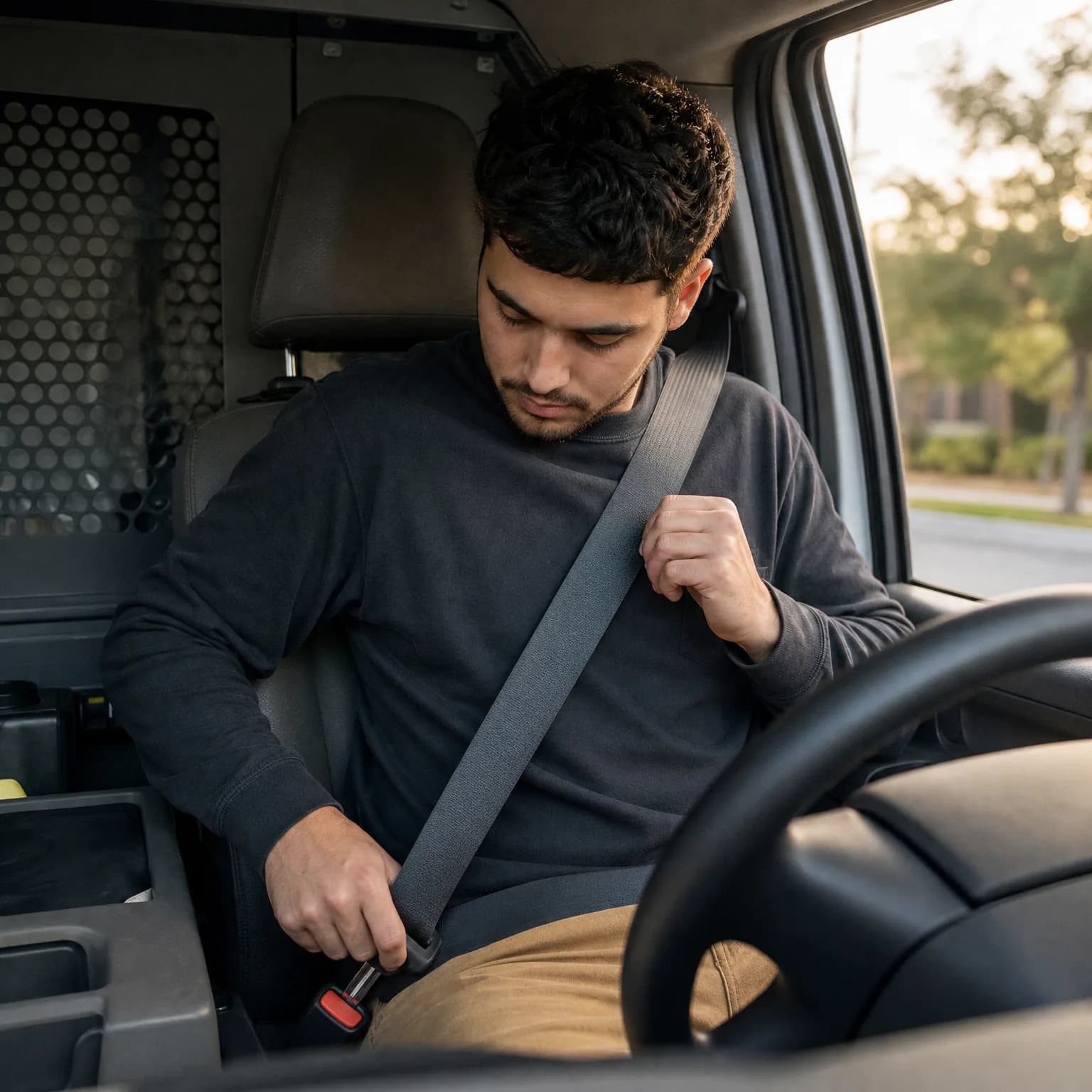
If you regularly borrow or rent vehicles but don't own one yourself, and you're required to file SR-22 after a violation, non-owner SR-22 is the only certificate type that matches your situation. Standard SR-22 policies require listing a specific vehicle and VIN—something you don't have. Attempting to file SR-22 on a vehicle you don't own, or listing a family member's car without being the titled owner, creates coverage gaps that void the filing when discovered during a DMV audit or claim investigation.
Non-owner policies provide liability coverage whenever you drive a vehicle you don't own, whether borrowed from family, friends, or rented. The coverage follows you, not a specific car. Limits are typically state minimum liability—$25,000/$50,000/$25,000 in most states—but you can purchase higher limits if the violation or court order requires it. This is critical: if your DUI conviction or license reinstatement order specifies minimum liability limits higher than state minimums, your non-owner policy must meet that threshold or the SR-22 filing is invalid.
Carriers that write non-owner SR-22 include Progressive, The General, National General, and Bristol West. Not all insurers offer this product—many standard and preferred carriers don't write non-owner policies at all, which is why high-risk drivers often believe they must purchase a vehicle to satisfy SR-22 requirements. They don't. Expect to pay $300 to $900 annually for non-owner SR-22 coverage, compared to $1,800 to $4,800 annually for owner SR-22 with full coverage on a vehicle.


Your Vehicle Was Totaled or Sold After Your SR-22 Requirement Started
If you had an owner SR-22 policy on a specific vehicle and that vehicle is totaled, repossessed, or sold, you cannot simply cancel the policy—even though you no longer own a car. Canceling triggers an SR-22 lapse notification to the DMV, which suspends your license again or extends your filing period. The correct move is to convert your owner SR-22 policy to a non-owner SR-22 policy immediately, before the cancellation processes.
Most carriers allow mid-term conversion from owner to non-owner SR-22 if you notify them within 10 days of losing the vehicle. You'll receive a premium refund for the unused portion of your full-coverage policy, and the non-owner policy activates the same day to maintain continuous SR-22 status. The SR-22 certificate itself doesn't change—it remains on file with the state, but the underlying policy switches from vehicle-specific coverage to driver-specific liability coverage.
If you wait too long and the owner policy cancels before conversion, you'll face a lapse. Reinstatement requires purchasing a new non-owner SR-22 policy, paying a reinstatement fee (typically $50 to $250), and in many states, restarting the SR-22 filing clock from zero. For a driver 18 months into a 3-year SR-22 requirement, a lapse means another 3 years from the reinstatement date—turning a 3-year obligation into a 4.5-year reality.

Get Your SR-22 Even Without a Car
Get SR-22 Quotes NowYou're Between Vehicles or Can't Afford to Own One Right Now
Financial hardship, repossession, or choosing not to own a vehicle doesn't exempt you from SR-22 requirements. If your violation or court order mandates SR-22 filing, you must maintain it continuously regardless of vehicle ownership status. Non-owner SR-22 keeps you legally compliant while you're between cars, without the cost burden of insuring a vehicle you don't have.
This scenario is common after DUI convictions that also trigger court-ordered ignition interlock device (IID) installation. If you can't afford both the IID installation ($70 to $150) and monthly monitoring fees ($60 to $80), plus full coverage insurance on a vehicle, many drivers sell the car temporarily. Non-owner SR-22 maintains the insurance requirement and keeps your filing active, even if you're not driving at all. When you're ready to purchase another vehicle, you convert the non-owner policy back to an owner policy without breaking SR-22 continuity.
Some states—California, Florida, and Virginia among them—allow non-owner SR-22 filers to satisfy license reinstatement requirements without owning a vehicle, as long as the policy meets state minimum liability limits and the SR-22 certificate is filed correctly. Others, like Michigan and North Carolina, scrutinize non-owner filings more closely and may require additional proof that you genuinely don't own a vehicle. Check your state's DMV SR-22 rules before assuming non-owner filing is accepted—most states allow it, but documentation requirements vary.

You're Required to File SR-22 But Use Public Transit or Rideshare Exclusively
If you live in an urban area, rely entirely on public transit or rideshare, and have no intention of driving—but still face an SR-22 requirement after a DUI or violation—non-owner SR-22 is your only compliant option. The filing requirement isn't conditional on whether you currently drive. It's a penalty tied to the violation, and it must remain active for the full mandated period regardless of your transportation habits.
Non-owner SR-22 costs the same whether you drive daily or never: $25 to $75 monthly for state minimum liability coverage. The policy provides coverage if you do drive occasionally—renting a car for a trip, borrowing a vehicle in an emergency—but it's not required that you use it. The real function is maintaining the SR-22 certificate on file with the state to satisfy the legal mandate.
Some drivers attempt to avoid this cost by never reinstating their license and relying permanently on alternative transportation. This works only if you're certain you'll never need a valid driver's license again—for employment, relocation, or emergencies. If you later decide to reinstate, you'll still owe the full SR-22 filing period from that point forward, and rates may be higher after a prolonged license suspension. For most drivers, paying $300 to $900 annually for non-owner SR-22 during the mandated period is cheaper and less disruptive than facing reinstatement complications years later.

What Happens If You File the Wrong SR-22 Type
Filing owner SR-22 when you don't own a vehicle—or listing a car you don't legally own—creates immediate compliance problems. During DMV audits or after a claim, the mismatch between the titled vehicle owner and the SR-22 policyholder invalidates the filing. The state receives a cancellation notice, your license is suspended again, and you must refile with the correct certificate type. This process typically adds 60 to 120 days to your total SR-22 obligation.
Some drivers list a family member's vehicle on their SR-22 policy to avoid non-owner filing, assuming it's equivalent coverage. It's not. If you're not the registered owner or co-owner of the vehicle, most states reject the SR-22 filing or flag it as fraudulent. Insurers also deny claims if the listed driver isn't the titled owner, leaving you personally liable for damages—and still without valid SR-22 status.
The financial difference is substantial: owner SR-22 with full coverage on a vehicle you don't drive costs $150 to $400 monthly, compared to $25 to $75 monthly for non-owner SR-22. Drivers who file incorrectly often pay 3 to 5 times more than necessary, then face penalties and refiling costs when the error is discovered. If you don't own a car, file non-owner SR-22. If you're unsure which applies to your situation, confirm vehicle title status before purchasing the policy—your insurer can verify the correct filing type based on your state's records.
Frequently Asked Questions
Can I get non-owner SR-22 if I've never owned a car?
Yes. Non-owner SR-22 is specifically designed for drivers who don't own vehicles, whether you've never owned one or no longer own one. The policy provides liability coverage when you drive borrowed or rented vehicles and satisfies state SR-22 filing requirements without requiring vehicle ownership.
How much does non-owner SR-22 cost compared to regular SR-22?
Non-owner SR-22 typically costs $25 to $75 per month ($300 to $900 annually), compared to $150 to $400 monthly for owner SR-22 with full coverage on a vehicle. The difference is 40-60% lower because non-owner policies provide liability-only coverage without collision or comprehensive, and don't insure a specific vehicle.
What happens if I buy a car while I have non-owner SR-22?
You must convert your non-owner SR-22 policy to an owner SR-22 policy and add the vehicle within 10 to 30 days of purchase, depending on your state and insurer. The SR-22 filing remains continuous—you're not starting over—but the policy switches from driver-specific to vehicle-specific coverage to remain compliant.
Do all insurance companies offer non-owner SR-22?
No. Many standard and preferred carriers don't write non-owner policies at all. Carriers that commonly offer non-owner SR-22 include Progressive, The General, National General, Bristol West, and other non-standard insurers that specialize in high-risk drivers. You'll likely need to compare quotes from multiple carriers to find available coverage.
Can I use non-owner SR-22 if I live with someone who owns a car?
Yes, as long as you're not a listed driver on their policy and you don't have regular access to their vehicle as a household member. If you live in the same household and regularly drive their car, most states and insurers require you to be added to their owner policy instead of maintaining separate non-owner SR-22 coverage.
Related Articles

SR-22 for Snowbirds: Filing Between Two States
5/18/2026

SR-22 for Motorcycle-Only Owners: Non-Owner Filing Guide
5/18/2026
Route Restricted License + SR-22 in South Carolina
5/18/2026

SR-22 and Florida FAJUA: What Replaced the State Pool
5/18/2026
Out-of-State DUI: Which State Files Your SR-22?
5/18/2026

SR-22 vs FR-44 in Virginia: Bodily Injury Minimum Gap
5/18/2026