What Affects Rates in Flagstaff
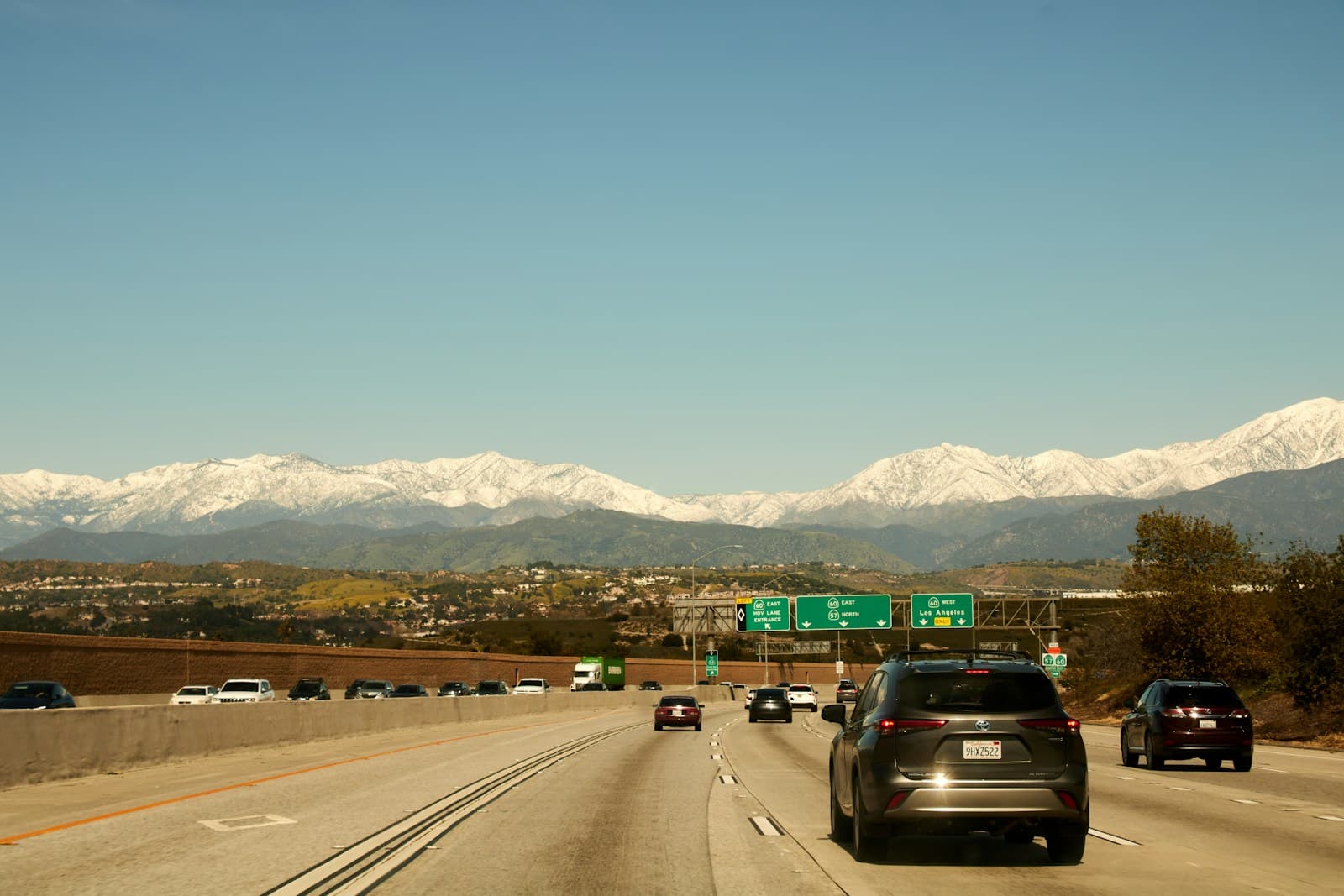
- Elevation and Winter Conditions: Flagstaff sits at 7,000 feet with significant snowfall from November through April, resulting in elevated accident rates during winter months. High-risk drivers face steeper premiums due to weather-related claims history, particularly on I-40 and I-17 corridors where ice and reduced visibility increase collision frequency.
- I-40 and I-17 Corridor Traffic: Flagstaff's position at the intersection of I-40 and I-17 brings high volumes of commercial and interstate traffic, increasing accident exposure. Carriers factor in the density of long-haul trucks and out-of-state drivers when pricing high-risk policies, especially for drivers with at-fault accidents already on record.
- Tourism and Seasonal Population Swings: Summer tourism to Grand Canyon and northern Arizona national forests doubles traffic volume on US-180 and US-89. High-risk drivers see rate impacts from seasonal congestion patterns and increased uninsured motorist risk as out-of-state visitors contribute to local accident statistics.
- Northern Arizona University Student Population: NAU's 30,000+ students create dense pedestrian and vehicle traffic in central Flagstaff, particularly along Milton Road and near campus zones. High-risk drivers with previous violations face higher premiums in zip codes 86001 and 86011 due to elevated accident frequency in these areas.
- Rural Fire and Wildlife Risk Zones: Flagstaff's proximity to Coconino National Forest increases comprehensive claims from wildlife collisions, particularly deer and elk on highways at dawn and dusk. High-risk drivers adding comprehensive coverage to meet lender requirements see higher rates due to documented wildlife strike frequency on rural routes.
Find out exactly how long SR-22 is required in your state
Coverage Recommendations
Cost estimates are based on available industry data and vary by driver profile. These are not insurance quotes.
SR-22 Insurance
Arizona requires SR-22 filing for three years following DUI convictions, license suspensions, or driving uninsured. The filing itself costs $25–$50, but underlying high-risk premiums in Flagstaff range from $150–$320/month depending on violation severity and carrier availability.
$25–$50 filing + high-risk premiumEstimated range only. Not a quote.
Liability Insurance
Arizona mandates 15/30/10 minimum liability limits, but high-risk drivers in Flagstaff should consider 50/100/50 or higher due to at-fault liability exposure on high-traffic I-40 and winter road conditions. Minimum coverage costs $150–$250/month for drivers with violations; higher limits add $40–$80/month.
$150–$250/mo for state minimumsEstimated range only. Not a quote.
Uninsured Motorist Coverage
Arizona does not require uninsured motorist coverage, but Flagstaff's tourism traffic and border-state proximity increase exposure to underinsured drivers. High-risk drivers often add 25/50 UM coverage for $15–$35/month to protect against out-of-state or uninsured drivers on I-40 and US-180.
$15–$35/mo for 25/50 limitsEstimated range only. Not a quote.
Non-Standard Auto Insurance
Drivers with multiple DUIs, suspended licenses, or lapses exceeding 90 days often require non-standard carriers in Flagstaff. These policies cost 60–120% more than standard high-risk coverage but provide the SR-22 filing and state-minimum liability needed to reinstate your license.
$250–$450/mo typical rangeEstimated range only. Not a quote.