What Affects Rates in Little Rock
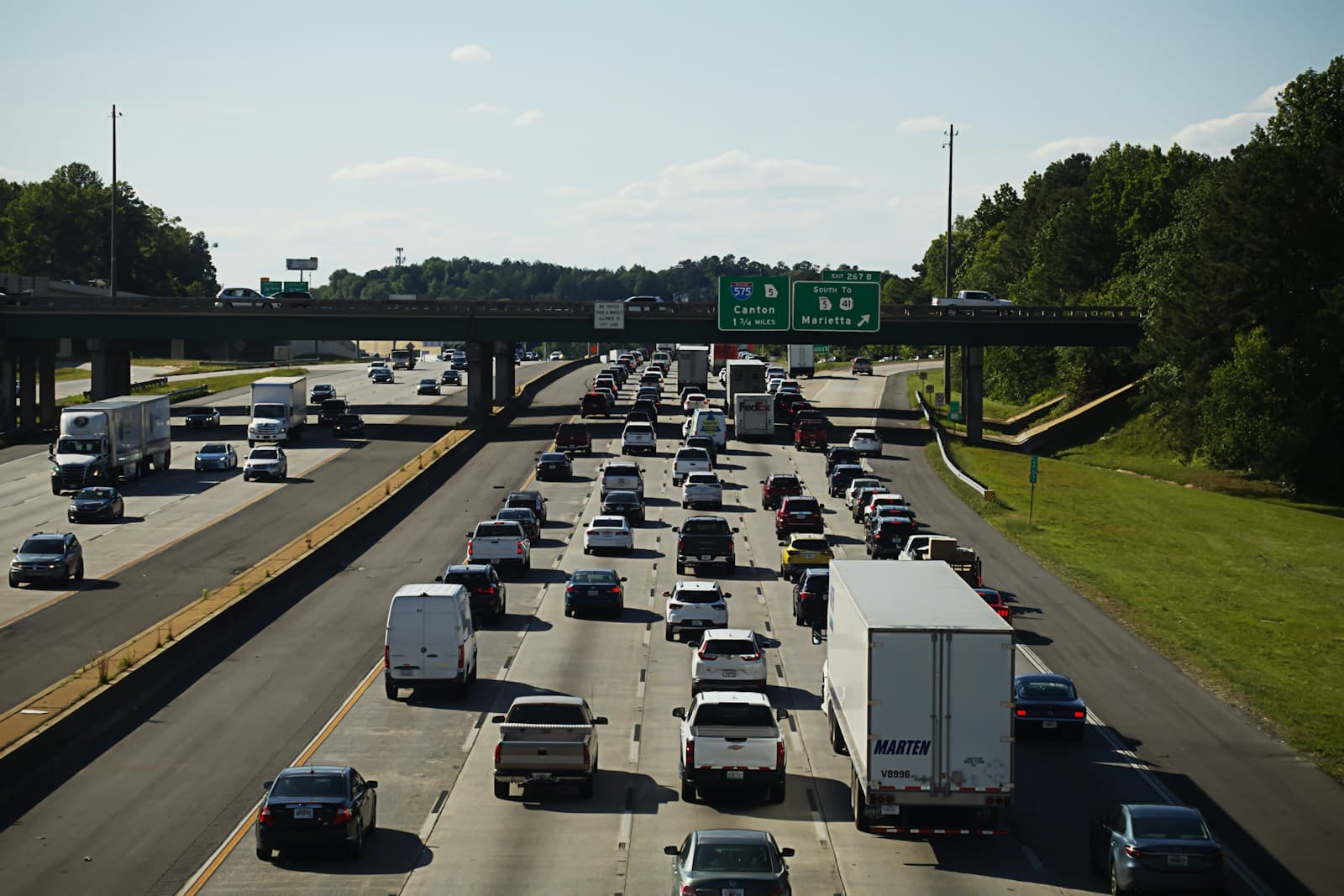
- I-30 and I-430 Corridor Congestion: Little Rock's primary interstate corridors see heavy commuter traffic and elevated accident frequency, particularly during rush hours. Drivers with at-fault accidents on their record face steeper rate increases in high-traffic zip codes along these routes.
- Pulaski County Court System: DUI and reckless driving cases processed through Pulaski County courts trigger SR-22 requirements that follow Arkansas's 3-year continuous filing rule. Any lapse restarts the clock, and insurers monitor compliance directly with the Arkansas DOR.
- Uninsured Driver Concentration: Little Rock has a higher-than-average uninsured motorist rate compared to suburban Pulaski County areas. High-risk drivers carrying only state minimums face significant out-of-pocket exposure if hit by an uninsured driver, making UM/UIM coverage particularly valuable.
- Flash Flooding and Severe Weather: Spring storm systems and Arkansas River flooding events create elevated comprehensive claim rates in low-lying Little Rock neighborhoods. Drivers with recent at-fault claims may find full coverage prohibitively expensive or unavailable from standard carriers.
- Non-Standard Insurer Availability: Little Rock has multiple non-standard and assigned risk carriers operating locally, giving high-risk drivers more options than rural Arkansas markets. Competition among surplus lines insurers can lower rates for DUI and SR-22 cases by 15–25% compared to single-option markets.

Find out exactly how long SR-22 is required in your state
Coverage Recommendations
Cost estimates are based on available industry data and vary by driver profile. These are not insurance quotes.
SR-22 Insurance
Arkansas requires SR-22 for DUIs, driving on a suspended license, at-fault uninsured accidents, and repeat violations. The certificate costs $15–$50 to file, but underlying high-risk coverage drives total premiums to $1,800–$4,800/year depending on violation type.
$1,800–$4,800/year including SR-22 filingEstimated range only. Not a quote.
Liability Insurance
Arkansas mandates $25,000 per person/$50,000 per accident bodily injury and $25,000 property damage. High-risk drivers often carry only these minimums to reduce premiums, but at-fault accidents with serious injuries quickly exceed these limits, leaving you personally liable for the difference.
$1,500–$3,200/year for state minimums with SR-22Estimated range only. Not a quote.
Uninsured Motorist Coverage
Given Little Rock's elevated uninsured driver rate, UM/UIM coverage protects you when an at-fault driver lacks insurance. High-risk drivers carrying only liability leave themselves exposed to thousands in medical bills and vehicle damage if hit by an uninsured motorist.
Add $200–$500/year to liability-only policyEstimated range only. Not a quote.
Non-Standard Auto Insurance
Drivers with DUIs, multiple violations, or recent lapses often need non-standard carriers that specialize in high-risk cases. Little Rock's competitive non-standard market includes regional surplus lines insurers offering coverage when standard carriers decline, typically at 40–70% higher premiums than standard rates.
$2,200–$5,000/year depending on driving recordEstimated range only. Not a quote.