What Affects Rates in Colorado Springs
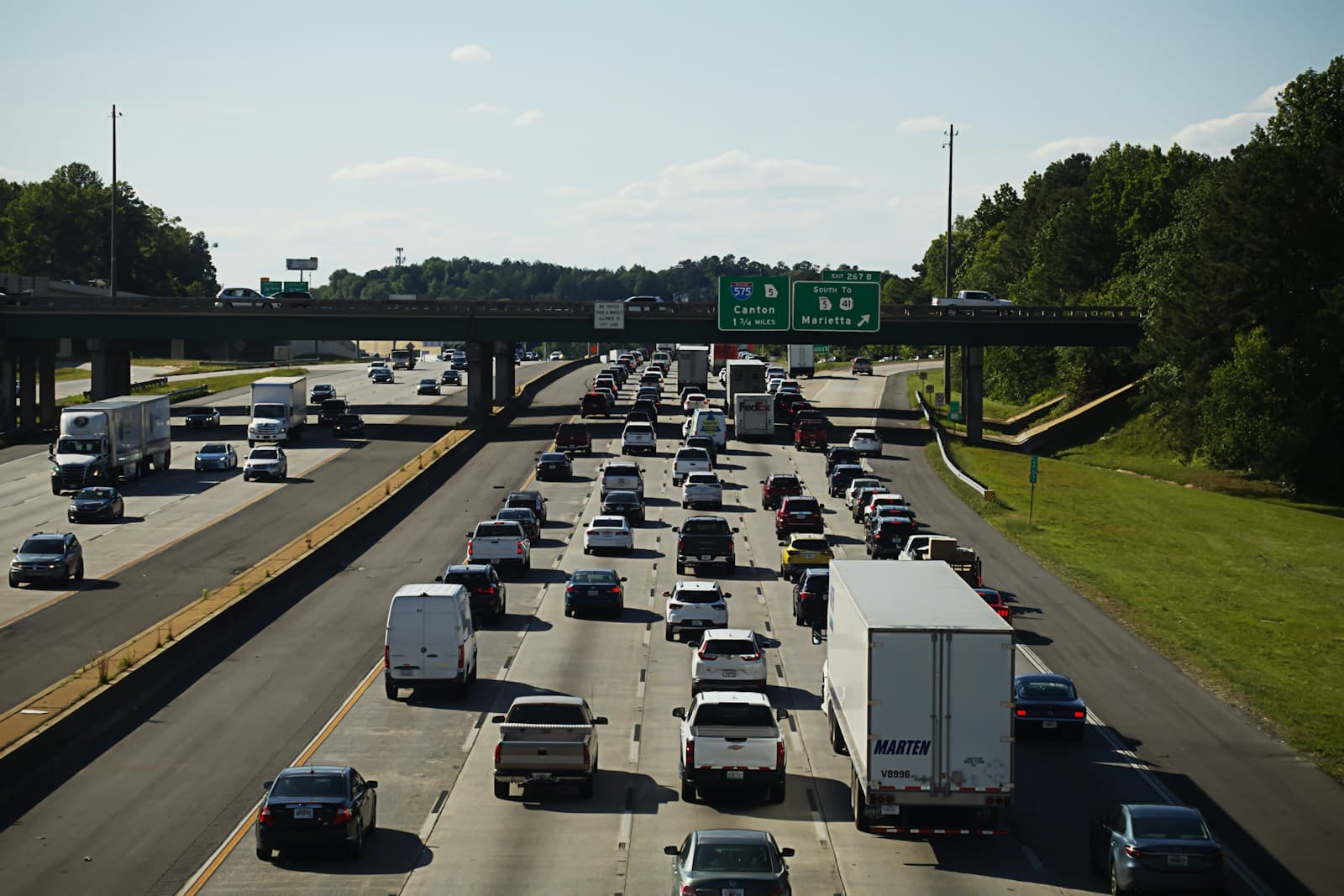
- I-25 Corridor Accident Density: Colorado Springs sits along a high-traffic I-25 stretch with elevated accident frequency, particularly near the Cimarron Street and North Academy Boulevard interchanges. Insurers weight zip codes near these corridors more heavily when pricing high-risk policies, especially for drivers with at-fault accidents already on record.
- Military Population Turnover: Fort Carson and five other military installations create higher population churn and a significant transient driver base, which correlates with higher uninsured motorist rates in El Paso County. High-risk drivers face steeper uninsured motorist premiums as a result, with carriers pricing for increased accident exposure from underinsured drivers.
- Weather-Related Incident Rates: Colorado Springs averages 57 inches of snow annually, with rapid-onset winter storms creating hazardous driving conditions on elevated roadways and mountain access routes. Drivers with existing weather-related violations or lapses see compounded rate increases, as carriers price for repeat-risk probability during November through March.
- DUI Court Processing Through 4th Judicial District: El Paso County's 4th Judicial District processes DUI cases through Colorado Springs courts, with conviction timelines typically running 4–8 months. SR-22 filing triggers immediately upon conviction, and any gap in coverage during the 3-year monitoring period resets the clock, making continuous payment critical for drivers on tight budgets.
- Non-Standard Carrier Availability: Colorado Springs has limited brick-and-mortar offices for non-standard carriers compared to Denver metro, meaning high-risk drivers often work through independent agents or direct channels with companies like Dairyland, Bristol West, or The General. This concentrated market can reduce competitive pressure on quotes for SR-22 and post-DUI policies.
Find out exactly how long SR-22 is required in your state
Coverage Recommendations
Cost estimates are based on available industry data and vary by driver profile. These are not insurance quotes.
SR-22 Insurance
Colorado requires SR-22 for DUI, multiple violations, at-fault accidents without insurance, or license reinstatement after suspension. The SR-22 itself is a filing—not a policy type—and attaches to your liability coverage for 3 years. Any lapse cancels the filing and resets your monitoring period, so autopay or prepayment schedules are critical.
$25–$50 filing fee plus high-risk premiumEstimated range only. Not a quote.
Liability Insurance
Colorado's minimum liability is 25/50/15 ($25k per person, $50k per accident for injury, $15k property damage). High-risk drivers often get quoted at state minimums to lower monthly cost, but this leaves you exposed if you cause another accident—particularly on high-speed corridors like I-25 where property damage and injury claims regularly exceed $15k. Raising to 50/100/50 adds cost but reduces personal financial risk if your record includes at-fault incidents.
State minimum: $120–$240/month post-violationEstimated range only. Not a quote.
Uninsured Motorist Coverage
Colorado law requires insurers to offer uninsured/underinsured motorist coverage at limits matching your liability. Colorado Springs' higher uninsured driver rate—linked to military turnover and transient populations—makes this coverage particularly relevant for high-risk drivers who can't afford out-of-pocket costs if hit by an uninsured driver. Carriers often price this aggressively for drivers with existing violations, but declining it leaves you vulnerable.
Typically 10–15% of liability premiumEstimated range only. Not a quote.
Non-Standard Auto Insurance
Non-standard carriers like Dairyland, Bristol West, and The General write policies for drivers standard carriers decline: multiple DUIs, suspended licenses, or lapses over 90 days. These policies cost 40–70% more than standard rates but provide the continuous coverage required to maintain SR-22 filing and work toward reinstatement. After 3 years with no new incidents, you can often transition back to standard carriers and lower rates.
$2,400–$4,500/year full coverageEstimated range only. Not a quote.