What Affects Rates in Norwalk
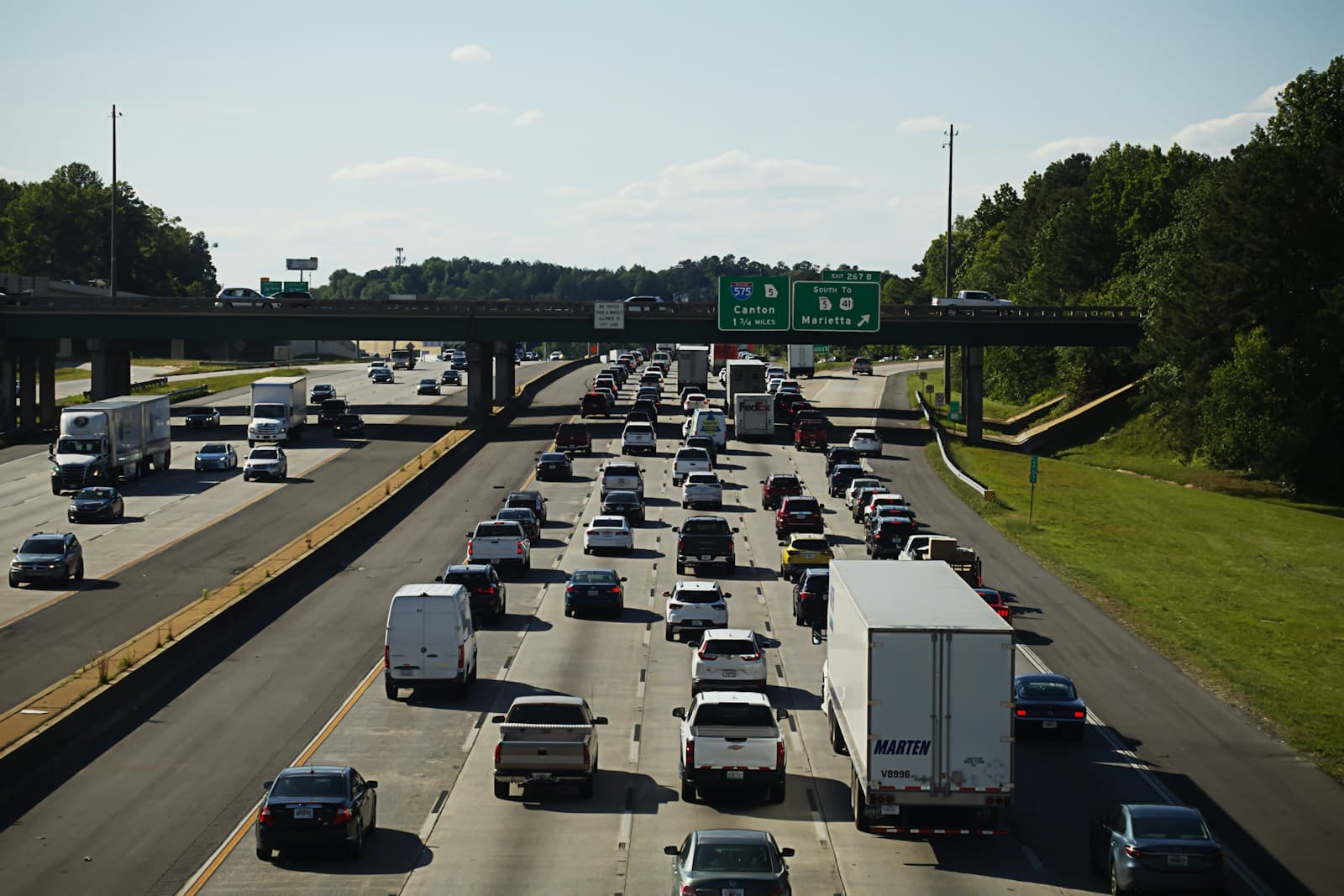
- I-95 Corridor Congestion: Norwalk sits on one of Connecticut's most congested I-95 segments, with stop-and-go traffic during peak commute hours between exits 14 and 16. High-risk drivers face elevated premiums here because rear-end and lane-change collisions are more frequent in dense highway corridors, and insurers weight accident likelihood heavily for drivers with prior at-fault claims.
- Route 1 Commercial Density: The Route 1 corridor through Norwalk features dense commercial development, frequent traffic signals, and high pedestrian activity near South Norwalk and Westport town line. Insurers assign higher risk to policies covering frequent travel through high-interaction zones, particularly for drivers with existing violations or DUIs.
- Fairfield County Court Jurisdiction: DUI and reckless driving cases in Norwalk are processed through Norwalk Superior Court, where conviction rates and standard penalties directly trigger SR-22 requirements. Connecticut DMV mandates SR-22 filing for DUI convictions, license suspensions for accumulating 12+ points in 2 years, and serious violations like reckless driving or driving under suspension.
- Coastal Weather Patterns: Norwalk's coastal location brings nor'easters, icing events, and fog that reduce visibility along I-95 and shore roads. Drivers with prior at-fault accidents face steeper comprehensive and collision premiums because insurers factor weather-related claim frequency into risk models for non-standard policies.
- Urban Uninsured Motorist Exposure: Connecticut's statewide uninsured motorist rate runs near 11%, but Fairfield County's urban density concentrates uninsured driver interactions along shared commuter routes. High-risk drivers should carry uninsured motorist coverage at or above state minimums ($25,000/$50,000) to protect against uncollectible claims, as this coverage is priced separately from liability and often adds $150–$400/year to non-standard policies.
Find out exactly how long SR-22 is required in your state
Coverage Recommendations
Cost estimates are based on available industry data and vary by driver profile. These are not insurance quotes.
SR-22 Insurance
Connecticut requires SR-22 filing for 3 years following DUI convictions, serious violations, or license reinstatement after suspension. The SR-22 itself costs $25–$50 to file, but underlying liability coverage for high-risk drivers in Norwalk typically runs $2,400–$4,800/year depending on violation severity and driving history.
$25–$50 filing + elevated premiumEstimated range only. Not a quote.
Liability Insurance
Connecticut mandates minimum liability limits of $25,000 bodily injury per person, $50,000 per accident, and $25,000 property damage. High-risk drivers in Norwalk should consider $100,000/$300,000/$100,000 limits because I-95 corridor accidents frequently involve multiple vehicles and higher medical costs, and at-fault drivers remain personally liable for damages exceeding policy limits.
State minimum $1,800–$3,600/year for high-riskEstimated range only. Not a quote.
Uninsured Motorist Coverage
Connecticut requires insurers to offer uninsured/underinsured motorist coverage matching your liability limits unless you reject it in writing. With roughly 11% of Connecticut drivers uninsured and Norwalk's commuter density increasing collision likelihood, this coverage protects high-risk drivers from uncollectible claims and typically adds $150–$400/year to non-standard policies.
$150–$400/year typical addEstimated range only. Not a quote.
Non-Standard Auto Insurance
Drivers with DUIs, multiple violations, or lapses in Norwalk often need non-standard carriers that specialize in high-risk profiles. These policies cost 50–150% more than standard coverage but provide the liability protection required for SR-22 filing and legal driving privileges; rates decrease after 3–5 years of violation-free driving as insurers reclassify risk.
50–150% above standard ratesEstimated range only. Not a quote.