What Affects Rates in Honolulu
- Island Geography and Limited Insurer Pool: Hawaii's isolated market restricts carrier competition, with fewer non-standard insurers willing to underwrite high-risk policies on Oahu. This pushes DUI and SR-22 drivers toward a smaller pool of specialty carriers, reducing pricing pressure and keeping premiums 15–25% above comparable mainland urban markets.
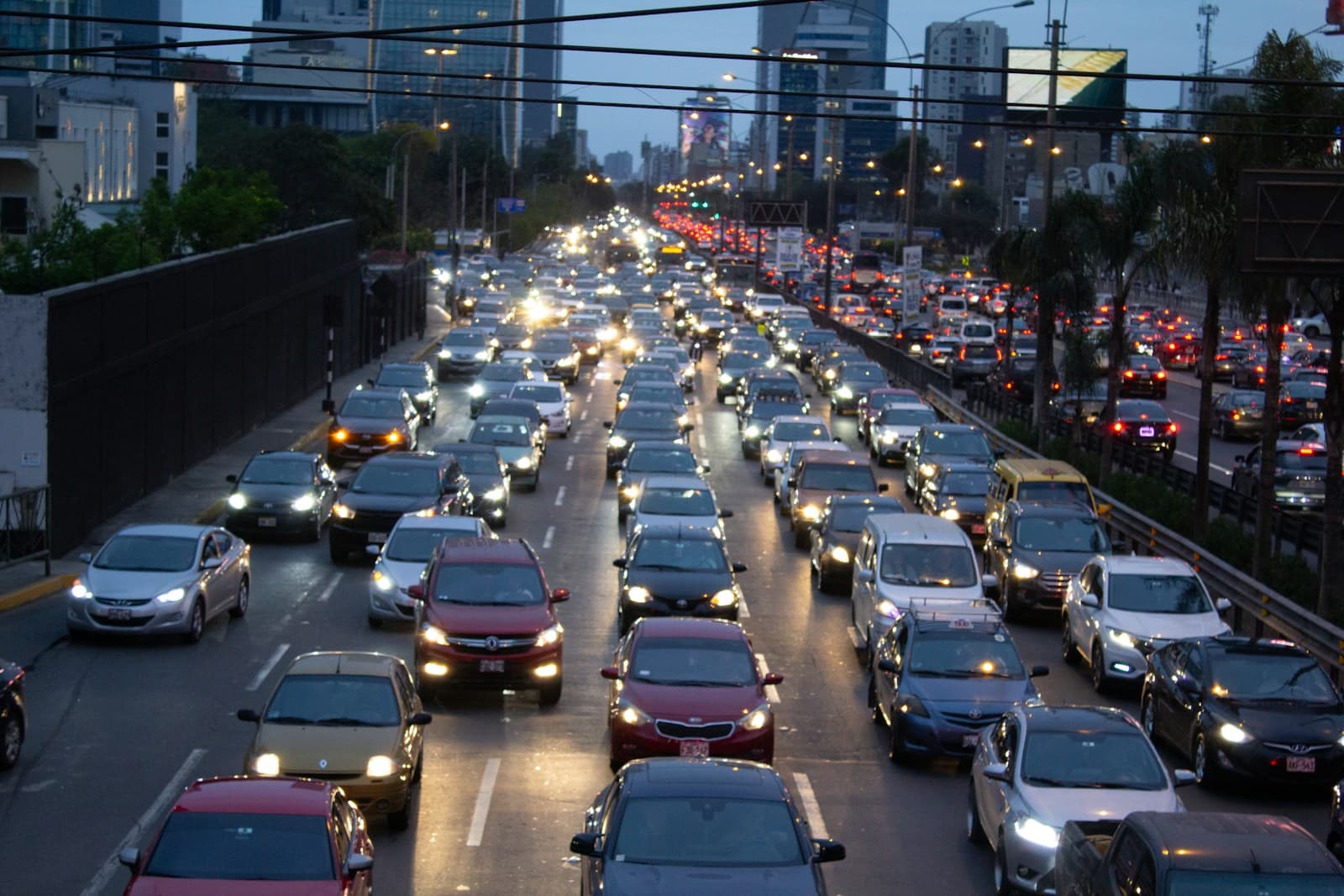
- H-1 Freeway Congestion and Urban Density: Honolulu's H-1 corridor ranks among the nation's most congested, with rush-hour gridlock from Pearl City to downtown increasing accident frequency and claims exposure. High-risk drivers face premium surcharges reflecting elevated collision risk in stop-and-go traffic patterns across the urban core.
- No-Fault PIP Requirement: Hawaii mandates $10,000 in personal injury protection (PIP) regardless of fault, adding base cost to every policy. For SR-22 drivers already paying elevated liability rates, this mandatory coverage layer increases minimum monthly premiums by $30–$50 compared to tort states.
- Higher Cost of Living and Repair Expenses: Honolulu's elevated labor rates, imported parts costs, and limited body shop competition drive repair expenses 20–30% above national averages. Insurers price this into comprehensive and collision coverage for high-risk drivers, particularly those financing vehicles and requiring full coverage.
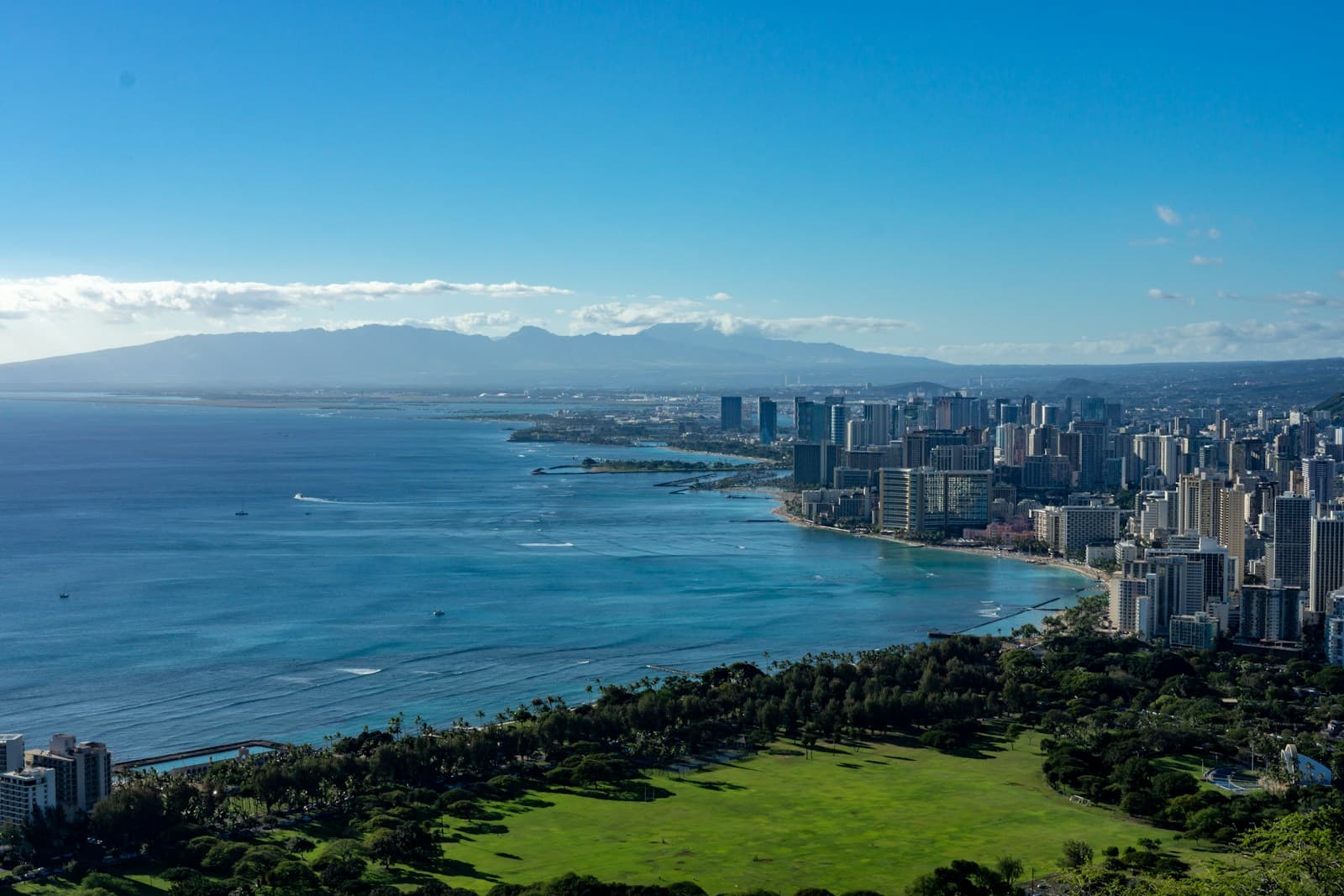
- Tourist Traffic and Rental Vehicle Density: Heavy tourist volumes in Waikiki, downtown, and along the North Shore corridor increase unpredictable driver behavior and non-resident accidents. High-risk drivers working or commuting through these zones see higher premiums due to elevated exposure to unfamiliar drivers and rental vehicle collisions.
Find out exactly how long SR-22 is required in your state
Coverage Recommendations
Cost estimates are based on available industry data and vary by driver profile. These are not insurance quotes.
SR-22 Insurance
An SR-22 is a financial responsibility certificate filed by your insurer with the Hawaii DMV, required for 3 years following DUI convictions, multiple violations, or driving without insurance. The filing itself costs $25–$50, but expect your underlying liability premium to increase 60–120% due to high-risk classification in Honolulu's limited carrier market.
$180–$320/month total premiumEstimated range only. Not a quote.
Liability Insurance
Hawaii requires minimum limits of $20,000 per person/$40,000 per accident for bodily injury and $10,000 for property damage. High-risk drivers in Honolulu should consider $50,000/$100,000/$50,000 or higher, as accident claims on Oahu frequently exceed state minimums due to elevated medical and repair costs, and at-fault liability beyond your limits comes out of pocket.
State minimum: $90–$180/month for high-riskEstimated range only. Not a quote.
Uninsured Motorist Coverage
Approximately 10% of Hawaii drivers operate without insurance, concentrated in urban areas including parts of Honolulu. Uninsured motorist coverage (UM/UIM) protects you when an at-fault driver can't pay for injuries or damage, and costs $15–$40/month extra for high-risk drivers—a worthwhile buffer in a no-fault state where PIP limits exhaust quickly.
$15–$40/month additionalEstimated range only. Not a quote.
Non-Standard Auto Insurance
Non-standard carriers specialize in high-risk profiles including DUIs, suspended licenses, and SR-22 requirements. In Honolulu's limited market, options include specialty insurers willing to write policies standard carriers reject, often with higher premiums but flexible payment plans and immediate SR-22 filing to restore your driving privileges quickly.
20–40% higher than standard marketEstimated range only. Not a quote.