What Affects Rates in Idaho Falls
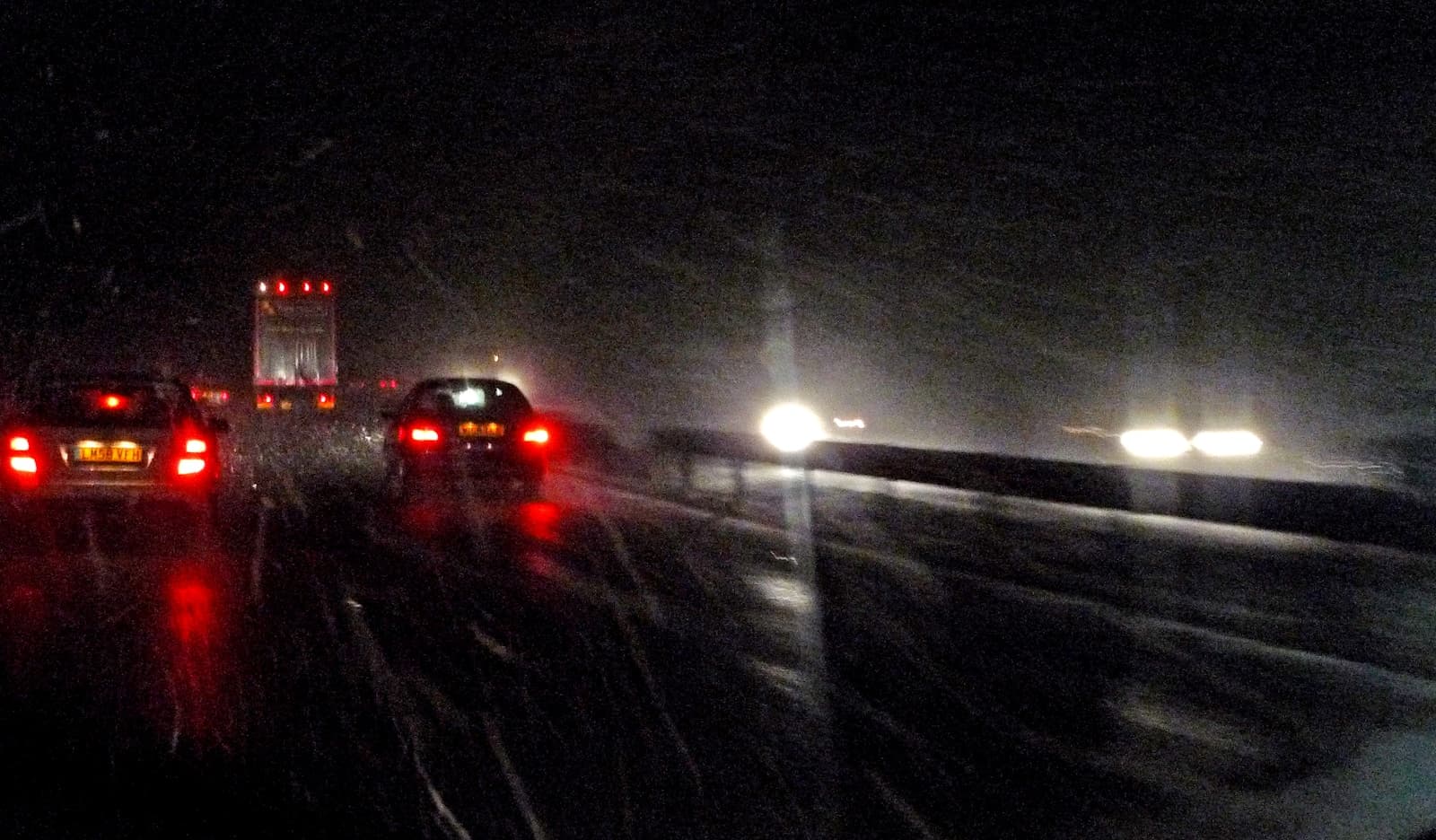
- Severe Winter Weather Impact: Idaho Falls experiences heavy snowfall and freezing temperatures from November through March, with Highway 20 and Broadway corridors seeing frequent winter accidents. High-risk drivers with existing violations face steeper rates because carriers price in elevated collision risk during months when black ice and poor visibility dominate local roadways.
- Rural Highway Exposure: US-20 and Interstate 15 corridor traffic exposes Idaho Falls drivers to higher-speed collision risk and limited emergency response times outside the city core. Drivers with DUIs or at-fault accidents already flagged as high-risk see compounded rate increases due to severity potential on rural stretches where speed limits reach 65–80 mph.
- Limited Non-Standard Carrier Competition: Idaho Falls has fewer local non-standard insurance offices compared to Boise, reducing competitive pressure on high-risk premiums. Drivers with SR-22 requirements often rely on national non-standard carriers or assigned risk pools, which limits rate shopping options and can add $40–$80/month compared to larger Idaho markets.
- Agricultural and Livestock Hazards: Rural roads surrounding Idaho Falls see frequent livestock crossings and farm equipment traffic, increasing comprehensive and collision claim frequency. High-risk drivers already paying elevated base rates see additional premium load because carriers account for higher-than-urban claim probability on routes like Sunnyside Road and Ririe Highway.
- Snake River Plain Wind Events: Spring windstorms along the Snake River Plain drive debris and reduced visibility incidents, particularly on exposed corridors like 49th South and Yellowstone Highway. High-risk policies price in this seasonal comprehensive exposure, adding incremental cost for drivers who cannot afford to drop full coverage due to loan or lease requirements.
Find out exactly how long SR-22 is required in your state
Coverage Recommendations
Cost estimates are based on available industry data and vary by driver profile. These are not insurance quotes.
SR-22 Insurance
Idaho requires SR-22 filing for DUI convictions, driving without insurance, multiple violations within 12 months, and at-fault accidents without coverage. The SR-22 itself costs $25–$50 to file, but underlying high-risk policy premiums in Idaho Falls typically run $180–$350/month depending on violation severity and driving history length.
$25–$50 filing + $180–$350/mo policyEstimated range only. Not a quote.
Liability Insurance
Idaho's minimum liability limits are 25/50/15 ($25,000 bodily injury per person, $50,000 per accident, $15,000 property damage). High-risk drivers in Idaho Falls should strongly consider higher limits — 50/100/25 or 100/300/50 — because winter multi-vehicle pileups on I-15 and US-20 can quickly exceed minimum coverage, leaving you personally liable for damages that trigger license suspension or wage garnishment.
Minimums often insufficient for winter pileupsEstimated range only. Not a quote.
Uninsured Motorist Coverage
With approximately 7.9% of Idaho drivers uninsured statewide and rural stretches around Idaho Falls seeing sporadic enforcement, uninsured motorist coverage protects high-risk drivers who cannot afford out-of-pocket costs after a hit-and-run or collision with an uncovered driver. Idaho does not mandate UM coverage, but it typically adds $10–$25/month and covers medical bills and lost wages if an uninsured driver hits you.
$10–$25/mo additionalEstimated range only. Not a quote.
Non-Standard Auto Insurance
Non-standard carriers in Idaho Falls specialize in policies for drivers with DUIs, lapses, or multiple violations who cannot access preferred or standard market rates. These policies cost more — often double or triple standard rates — but provide the legally required coverage and SR-22 filing needed to reinstate your license and avoid assigned risk pool placement, which is typically the highest-cost option.
2–3x standard market ratesEstimated range only. Not a quote.